
 By Suro Senen
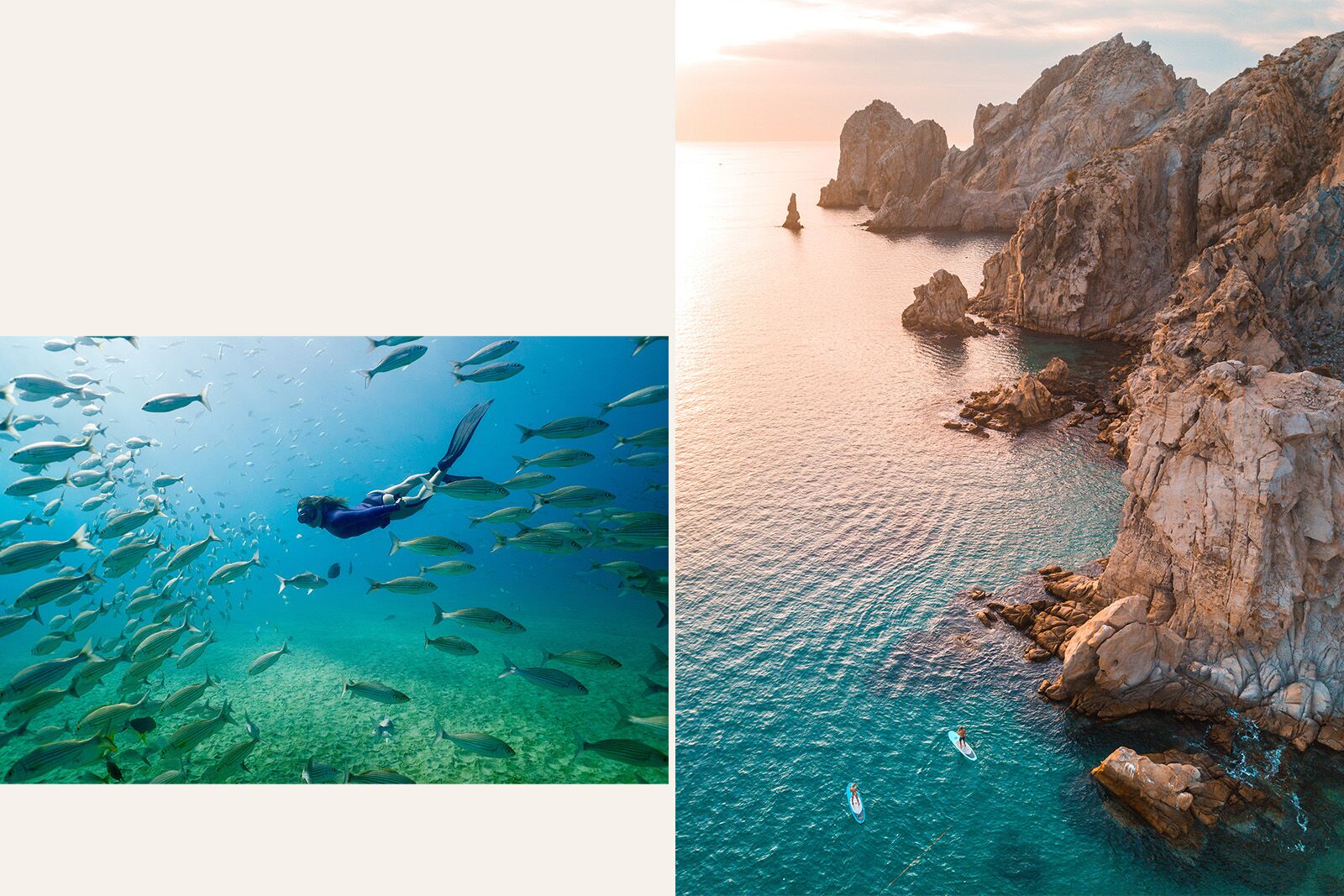
The water closed around me, a cool, rhythmic embrace that silenced the frantic hum of modern life. As I floated in the depths of Cabo Pulmo, the world above—with its luxury suites, curated menus, and back-to-back appointments—dissolved. Before me stretched a living, breathing wall of bigeye jacks, a shimmering, infinite school that pulsed with an indifference that was, ironically, the most profound wellness experience of my life.
This wasn’t a treatment found on a spa menu. There was no ambient flute music, no scented candles, and no brand-name essential oils. There was only the silence, the rhythmic amplification of my own breath through the snorkel, the piercing shafts of sunlight dancing through the deep blue, and the sheer, unmanufactured majesty of the ocean. It was a moment of absolute presence—a stark departure from the performative wellness I had spent the week consuming.
Main Facts: The Evolution of a Destination
Los Cabos has long been synonymous with high-end hospitality, a playground of exclusive villas and elite golf courses. Yet, the past five years have seen a seismic shift in how visitors engage with this arid paradise. Wellness is no longer a peripheral amenity—a massage squeezed in between a boat trip and dinner—but the primary driver for travel.
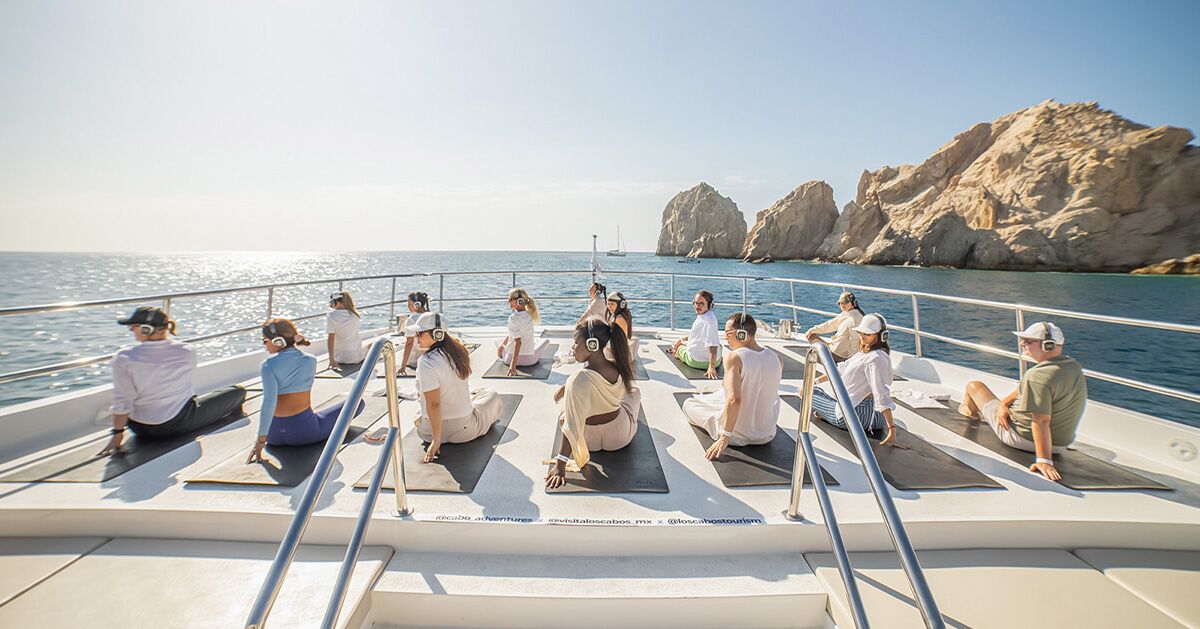
In 2019, roughly 12 percent of visitors to Los Cabos participated in a dedicated wellness experience. By 2025, that figure had climbed to nearly 19 percent, representing approximately 800,000 travelers seeking a fundamental transformation rather than a simple vacation. This transition reflects a global trend where "wellness" is moving away from the aesthetic and toward the experiential. It is no longer about coming back from a trip looking refreshed; it is about coming back fundamentally altered by a deeper, more intentional connection to one’s surroundings.
Chronology: From Beauty Treatments to Holistic Resets
The trajectory of the wellness industry in Mexico has been a slow maturation. Historically, for those growing up in the country, the concept of a "spa" was often tethered to all-inclusive resort packages—beauty treatments or standard relaxation rituals. Even traditional practices, such as the temazcal (a pre-Hispanic sweat lodge used for physical and spiritual purification), were often relegated to "cultural curiosities" for tourists rather than treated as the vital, restorative pillars they are.
However, the last decade has seen a shift toward authenticity. Travelers are increasingly wary of "wellness washing"—the superficial branding of basic services as transformative. Today, the planning process often begins with the caliber of the food and the depth of the wellness offerings. Companies like SUDA, which design bespoke wellness journeys, are at the vanguard of this movement, shifting the focus from passive indulgence to active engagement. Whether it is a rigorous health program at a specialized center or a community-led meditation session, the emphasis is on creating a "reset" that the traveler can integrate into their daily life once they return home.

Supporting Data: The Economic and Social Shift
The data provided by the Los Cabos Tourism Board underscores this evolution. The growth in wellness-focused tourism is not merely a marketing triumph; it is a measurable shift in consumer behavior. Rodrigo Esponda, managing director of the Los Cabos Tourism Board, notes that the rise in these figures suggests that visitors are increasingly prioritizing "meaningful engagement" with the environment over passive leisure.
This, in turn, has forced developers and hoteliers to rethink their infrastructure. Properties such as the Four Seasons Resort Cabo del Sol cater to those who seek a seamless, service-oriented luxury, while institutions like Sensei—the wellness center associated with Zádun, a Ritz-Carlton Reserve—take a clinical, personalized approach. At Sensei, programs are curated by health professionals, focusing on movement, nutrition, and rest. Crucially, however, they reject the "monastic" stereotype of wellness. As Lina Morales, Sensei’s director of wellness, astutely notes: "People can come here for their well-being program, but that doesn’t mean they can’t have a round of margaritas or go eat their tacos."
This acknowledgment of human desire is the secret sauce to the region’s success. A personal reset that feels like a prison sentence is rarely sustainable; one that allows for the enjoyment of local culture is far more likely to stick.
Official Responses: The Architecture of Disconnection
Perhaps the most striking development in the Los Cabos wellness scene is how architecture is being used as a therapeutic tool. Frederic Capello, general manager of Paradero—a boutique hotel in the agricultural heart of the La Mesa community near Todos Santos—defines true luxury not by marble or gold, but by the ability to feel "renewed."
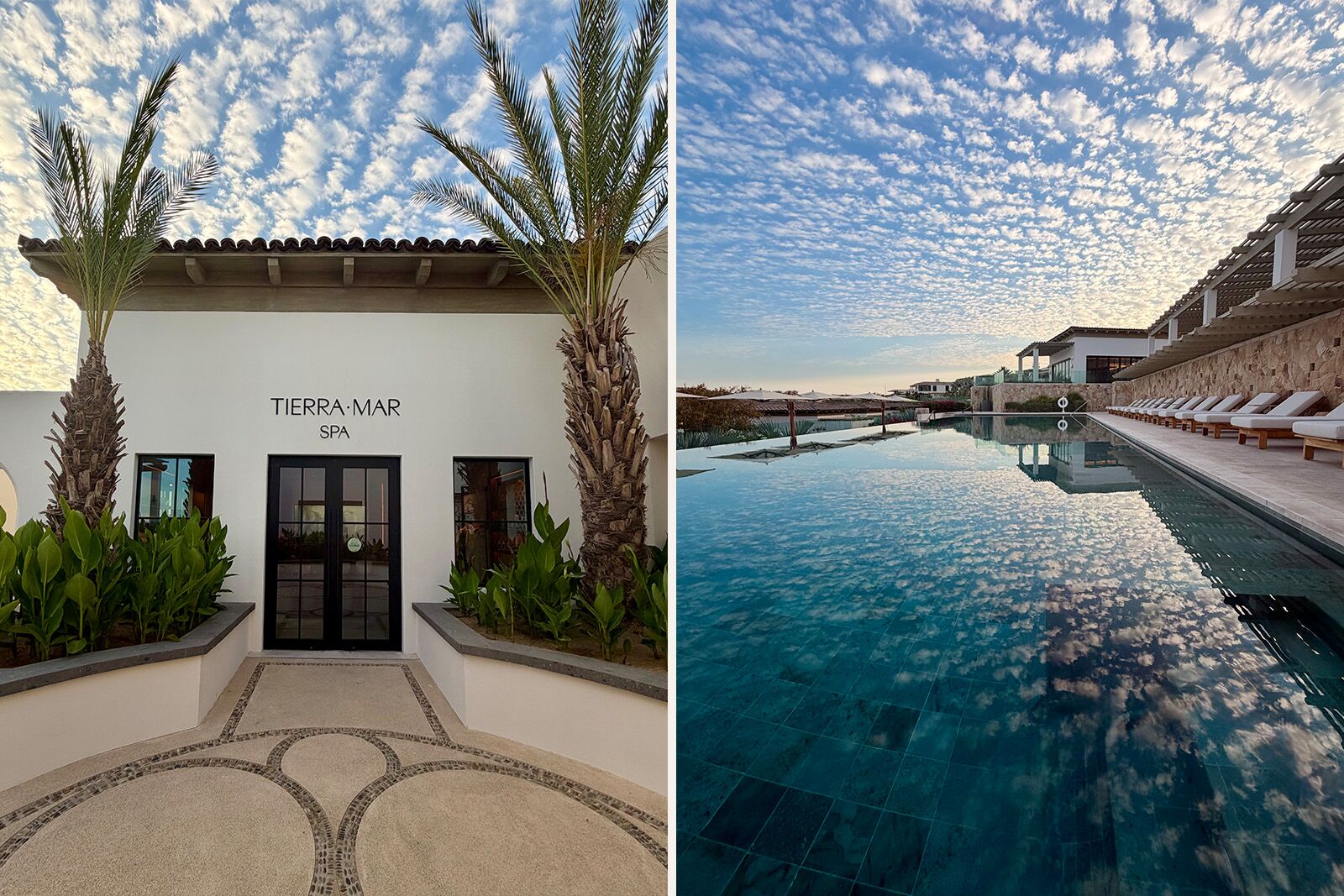
The design philosophy at Paradero, and increasingly among other ultra-luxury properties in the region, is one of "subtraction." By using concrete tones that mirror the desert floor and incorporating native cacti, the architecture intentionally lowers "visual noise." It is a minimalist strategy that forces guests to confront their environment. At the Four Seasons Costa Palmas, sand dunes and native vegetation have been preserved between the pathways, effectively embedding the resort within the landscape rather than building on top of it.
This "natural infrastructure" approach is the new standard for the elite market. Aman, the ultra-luxury hotel group, has signaled its intent to enter the region with its first Latin American property in Cabo del Este, betting on the idea that the modern traveler values solitude and environmental immersion above opulent interiors.
Implications: The Future of Sustainable Wellness
The rise of wellness tourism brings with it a complex set of implications. The primary challenge, as articulated by the Los Cabos Tourism Board, is to scale this sector without compromising the very environment that makes it desirable. Overcrowding, environmental degradation, and the displacement of local communities are the antithesis of a wellness-centered philosophy.
The future of wellness in Baja California Sur lies in the "territory-first" model. As the industry matures, the distinction between high-quality, nature-based wellness and superficial commercialized "wellness products" will become the primary differentiator for travelers.
The Community Connection
Beyond the resorts, a vibrant grassroots wellness scene is emerging. Organizations like Baja Wellness and community groups like Your Cabo People and FloreSer Los Cabos are democratizing the practice. By hosting full-moon meditations on the beach or cacao ceremonies, these groups provide an entry point for both locals and travelers to engage with wellness in a way that is accessible and grounded in the local community.
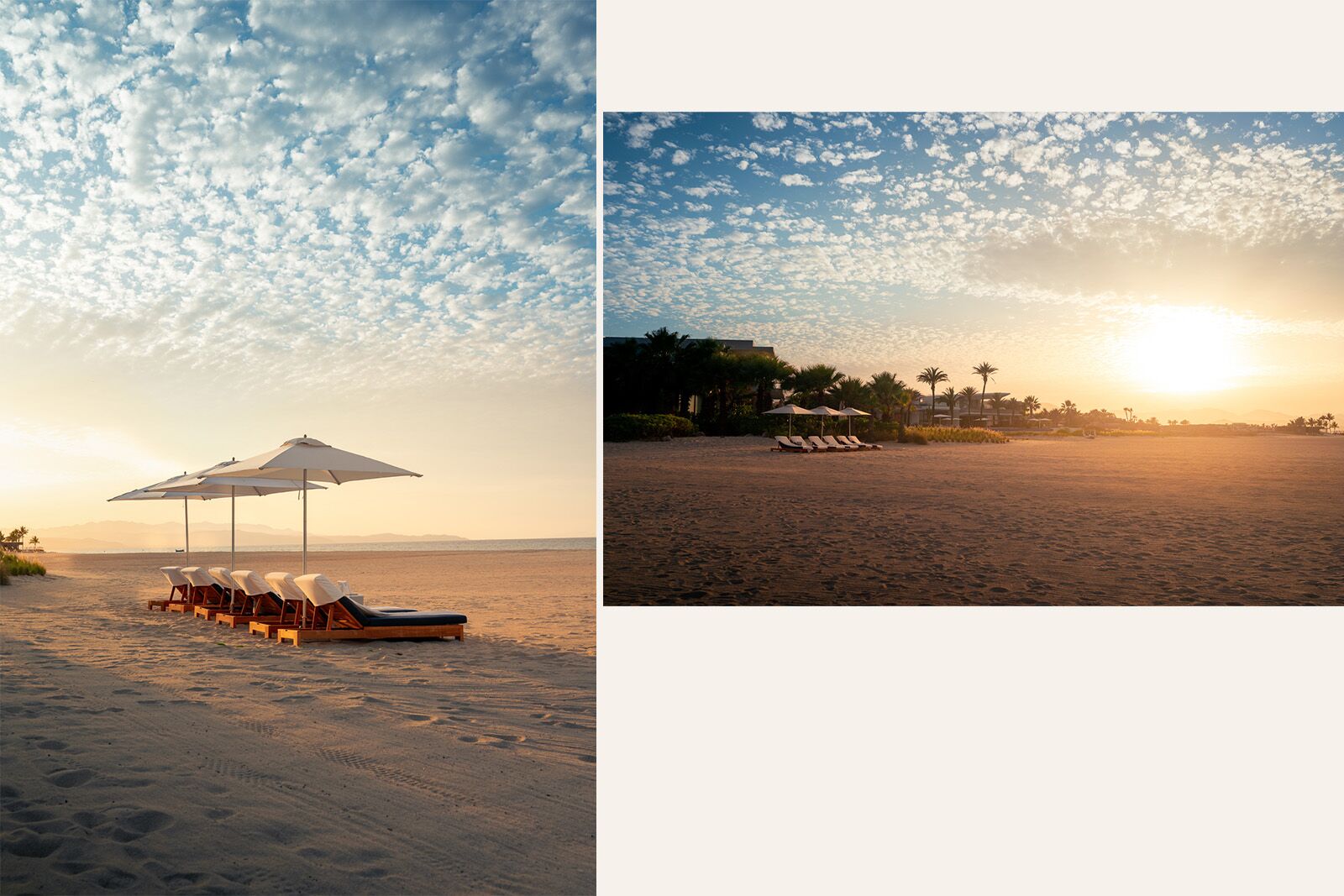
Furthermore, the farm-to-table movement has evolved into a cornerstone of the regional experience. Establishments like Flora Farms and Monte Cardón have transcended the "restaurant" label to become curators of the land. By focusing on food traceability, seasonal limits, and the stories of the producers, they provide a form of nourishment that is both physical and intellectual.
A New Definition of Luxury
As we look ahead, the definition of wellness in Los Cabos is crystallizing: it is not something you buy, but something you experience through direct interaction with the environment. It is the ability to listen to the desert, to respect the limits of the sea, and to engage with a community that is deeply tied to the land.
The most effective wellness retreat is not the one with the most expensive spa menu, but the one that facilitates a moment of clarity—like the one I experienced in Cabo Pulmo. When the tourism industry aligns itself with the preservation of nature and the celebration of local culture, it creates a feedback loop of well-being. In this landscape, wellness ceases to be an imported, standardized product. It becomes, instead, a direct, visceral, and deeply personal response to the land itself.
Los Cabos has moved beyond the amenity-driven era of the early 2000s. It is now a destination that invites the visitor to step out of their own life and into the vast, silent, and restorative reality of the Baja peninsula. For the traveler, the implication is simple: if you come to Los Cabos, you should expect to leave not just rested, but reconnected.
 Nana Wu
  Jia Lissa
  Evan Lee Salim