TOKYO — Canon has officially announced the global release of the EOS R8 Mark II, its latest full-frame mirrorless camera targeting a broad audience ranging from aspiring creators to seasoned photography professionals. Positioned as a major evolutionary step over its predecessor, the new camera answers the most pressing critiques of the original model by introducing highly requested hardware upgrades, refined ergonomics, and a strikingly angular new aesthetic that stands out in the crowded modern camera market.
Retaining the accessible pricing strategy and lightweight footprint that defined the original R8, the Mark II layers on professional-grade capabilities—most notably long-awaited in-bodyimagestabilization (IBIS)—while maintaining a dual-focus identity aimed at both ease-of-use and advanced creative control.
Main Facts
The Canon EOS R8 Mark II packs a powerful array of imaging hardware into a compact chassis, blending familiar core architecture with substantial structural upgrades:
Imaging Core: Utilizes a proven 24.2-megapixel full-frame CMOS sensor paired with Canon’s high-speed DIGIC X image processor.
In-Body Image Stabilization (IBIS): Marking the most significant hardware shift from the original R8, the Mark II features a 5-axis IBIS system rated for up to 7.5 stops of shake correction at the center of the frame and 7 stops at the periphery. It is the lightest full-frame EOS camera ever to incorporate sensor-shift stabilization.
Autofocus Performance: Employs Canon’s Dual Pixel CMOS AF II system, offering 100% frame coverage driven by AI-powered subject detection and tracking algorithms.
Speed and Buffering: Retains a maximum continuous shooting speed of 40 frames per second using the electronic shutter. However, enhanced buffer performance allows the camera to record 30% more continuous RAW files and 58% more continuous JPEG shots than the first-generation R8.
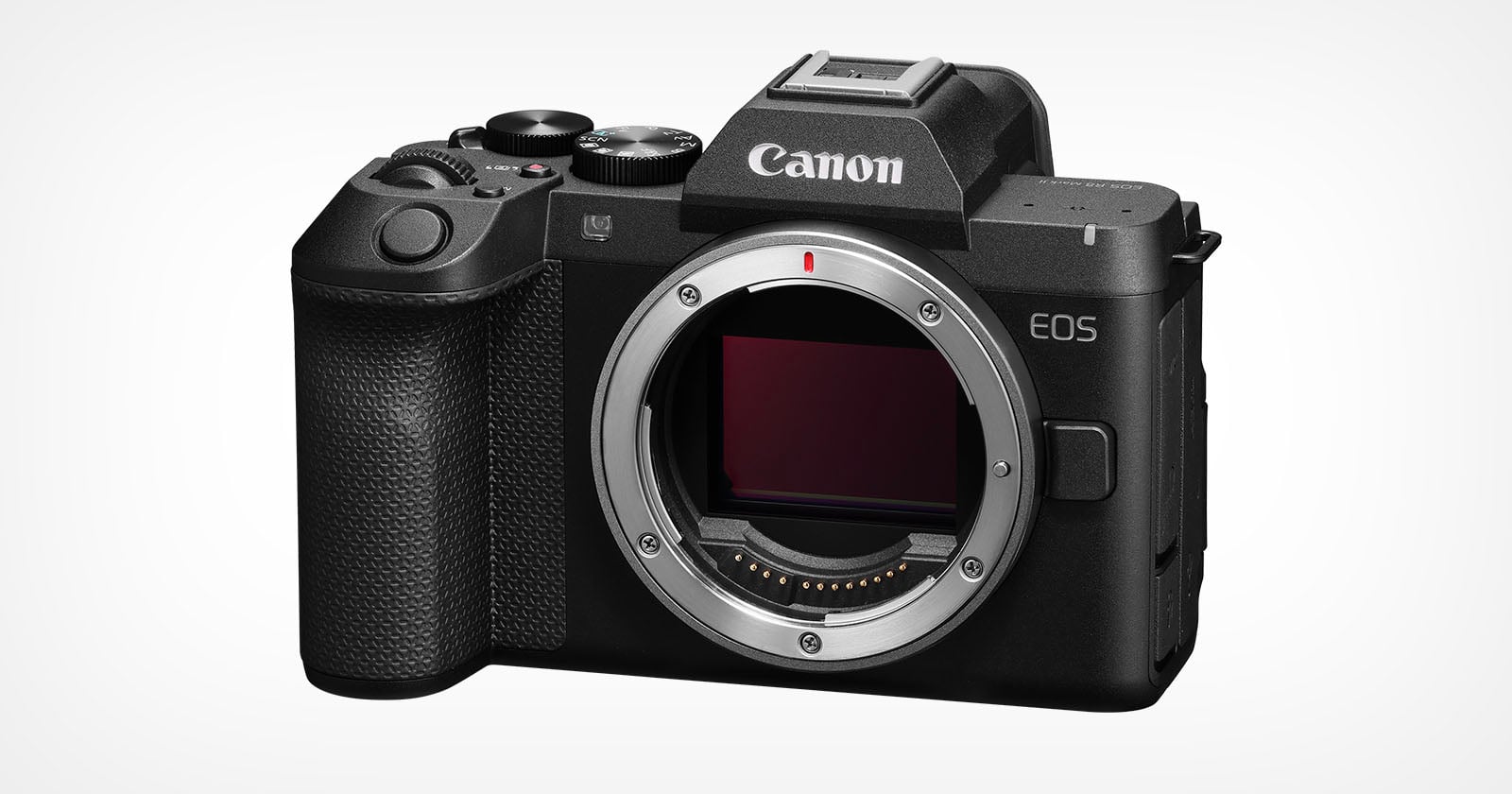
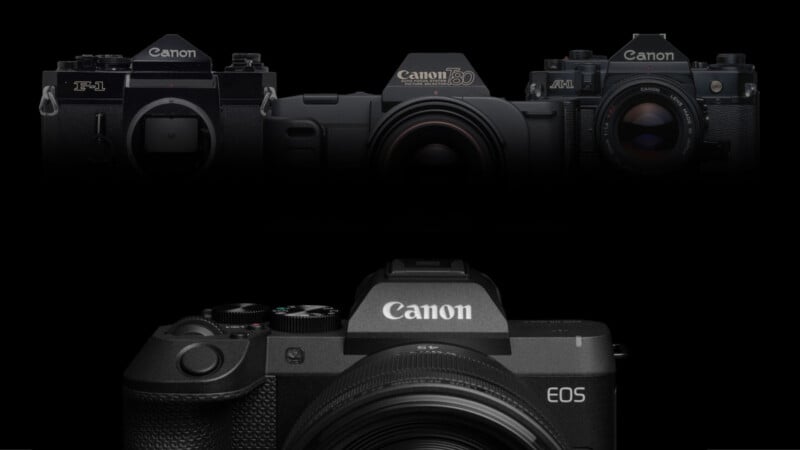
Ergonomics and Design: Features an entirely new angular body style with sharp, squared-off edges—a stark departure from the soft, rounded contours of previous EOS R models. It weighs 546 grams (19.3 ounces) with an LP-E17 battery and an SD card inserted, making it slightly heavier and larger than its predecessor.
Video Capabilities: Shoots uncropped 4K video at up to 60p (oversampled from 6K) and high-speed Full HD at 180p. It includes Canon C-Log3 for advanced color grading and native audio support for Slow & Fast motion modes accessible via a dedicated top-plate dial position.
Pricing and Availability: Scheduled to hit shelves in late October, the body-only retail price is set at $1,899. A kit option bundled with the RF 24-50mm f/4.5-6.3 IS STM lens will retail for $2,099, while the new optional EG-E2 extension grip will cost $99.99.
Chronology: The Evolution of Canon’s Lightweight Full-Frame Strategy
To understand the significance of the EOS R8 Mark II, it is helpful to look back at Canon’s strategy in the full-frame entry-to-mid-tier segment over recent years.
Early 2023: The Debut of the Original EOS R8
When Canon introduced the original EOS R8, it was heralded as a democratization of full-frame imaging. By borrowing the sensor and processing power of the high-end EOS R6 Mark II and packing it into a body modeled after the entry-level RP, Canon created an ultra-lightweight powerhouse.
However, the pursuit of lightness came with compromises. To keep the weight down to 461 grams and hit a competitive price point, Canon omitted In-Body Image Stabilization (IBIS). While content creators and budget-conscious photographers praised its incredible autofocus and video specs, the lack of IBIS became a persistent point of criticism, particularly for handheld low-light shooting and walking vloggers relying on non-stabilized prime lenses.
Mid-2024 to Early 2025: Market Feedback and Engineering Challenges
As consumer reviews accumulated, Canon’s engineering division faced mounting feedback regarding stabilization. Simultaneously, market trends showed a growing demand for hybrid devices that could seamlessly pivot between high-end professional workflows and user-friendly automated operation. Canon began developing a successor that would rectify the stabilization omission without inflating the physical footprint or ballooning the retail price beyond the sub-$2,000 threshold.
September 2026: The Official Announcement of the EOS R8 Mark II
Canon formally unveiled the EOS R8 Mark II, surprising industry analysts not only by successfully integrating a robust 5-axis IBIS system into a sub-550g chassis, but also by introducing an aggressive, retro-futuristic redesign that breaks away from Canon’s traditional ergonomic playbook.
Supporting Data and Technical Specifications
A closer examination of the specifications reveals how the EOS R8 Mark II compares to its predecessor and where engineers focused their development efforts.
Feature
Canon EOS R8 (Original)
Canon EOS R8 Mark II
Sensor Resolution
24.2 Megapixels Full-Frame
24.2 Megapixels Full-Frame
Image Processor
DIGIC X
DIGIC X
In-Body Stabilization
None (Digital IS only)
5-axis IBIS (Up to 7.5 stops)
Max Shooting Speed
40 fps (Electronic)
40 fps (Electronic)
Buffer Capacity
Standard RAW / JPEG limit
+30% RAW / +58% JPEG capacity
Autofocus System
Dual Pixel CMOS AF II
Dual Pixel CMOS AF II with AI tracking
EVF / Rear Screen
2.36M-dot EVF / 3.0" vari-angle (1.62M-dot)
2.36M-dot EVF / 3.0" vari-angle (1.62M-dot)
Physical Controls
Standard layout
Added dedicated AF joystick
Weight (With Battery/Card)
461 grams (16.3 oz)
546 grams (19.3 oz)
Dimensions
132.6 x 86.1 x 70.1 mm
131.4 x 90 x 79.7 mm
Launch Price
$1,499 (Body-only)
$1,899 (Body-only)
Ergonomics, Handling, and the New Design Language
The most immediate visual talking point of the R8 Mark II is its styling. Moving away from the soft, curved silhouettes that have dominated mirrorless camera design for a decade, the R8 II features a sharp, angular chassis with squared-off edges. Canon asserts that this form factor improves tactile purchase alongside the newly introduced EG-E2 extension grip.
The EG-E2 attachment screws directly into the base of the camera, maintaining access to the LP-E17 battery door while providing a deeper, more secure handle when mounting heavier telephoto or fast prime lenses from the RF lineup.
Furthermore, professional photographers will welcome the inclusion of a dedicated autofocus selection joystick on the rear panel—a control point noticeably absent on the first-generation model. This addition drastically accelerates manual focus point placement during fast-moving action sequences.
Video Performance and Workflow Integration
Content creators will find plenty to love in the video department. The R8 Mark II bypasses pixel binning to deliver uncropped 4K footage at 60 frames per second, supersampled cleanly from a 6K sensor read. For slow-motion enthusiasts, Full HD recording extends up to 180p.
Professional grading workflows are supported natively through Canon C-Log3, offering expanded dynamic range for post-production flexibility. Additionally, Canon has streamlined audio and frame-rate configurations by placing a dedicated Slow & Fast motion toggle directly onto the top-plate mode dial.
Official Responses and Market Positioning
Canon representatives emphasized during the product briefing that the R8 Mark II was engineered specifically to listen to user feedback from the photographic community.
"When we launched the original EOS R8, it proved that full-frame quality could be made accessible and portable," said a senior Canon product planning spokesperson. "However, our users spoke clearly about their desire for sensor-based image stabilization. With the EOS R8 Mark II, we have achieved a major engineering milestone: delivering up to 7.5 stops of stabilization without sacrificing the lightweight, nimble ethos that made the original camera so beloved."
Industry analysts note that by pricing the camera at $1,899, Canon has deliberately carved out a secure middle ground between entry-level cropped-sensor bodies and high-end professional flagships like the EOS R5 Mark II. The inclusion of deep learning-driven subject tracking, robust buffering, and professional video codecs ensures that the R8 Mark II can serve as either a primary tool for emerging hybrid shooters or a capable, lightweight backup body for working professionals.
Implications for the Industry and Consumers
The launch of the Canon EOS R8 Mark II carries several broad implications for the mirrorless camera market:
The Death of "IBIS-less" Full-Frame: By successfully miniaturizing its stabilization system to fit inside a sub-550g full-frame body, Canon has raised consumer expectations. Photographers shopping in the sub-$2,000 category will likely expect in-body stabilization as a baseline standard moving forward, putting pressure on competing manufacturers.
Bridging the Gap for Hybrid Creators: The combination of 6K-oversampled 4K60p video, C-Log3, and 7.5 stops of stabilization makes the R8 Mark II an exceptionally strong contender for solo run-and-gun videographers, travel vloggers, and independent documentary filmmakers who refuse to carry heavy rigs.
Aesthetic Shifts: Canon’s gamble on an angular, industrial design language could signal a broader industry trend away from retro film-camera styling toward modern, utilitarian minimalism. How the market reacts to the new aesthetic will likely influence the design of future EOS R iterations.
Summary of Purchasing Options
For those looking to adopt the system upon release in late October:
Body Only: $1,899
RF 24-50mm Lens Kit: $2,099
EG-E2 Extension Grip: $99.99
As pre-orders open across major retail networks, the Canon EOS R8 Mark II stands poised to become one of the most versatile and fiercely debated hybrid cameras of the year, successfully addressing past compromises while charting a bold new course for Canon’s mid-tier lineup.

 By Dwi Wanna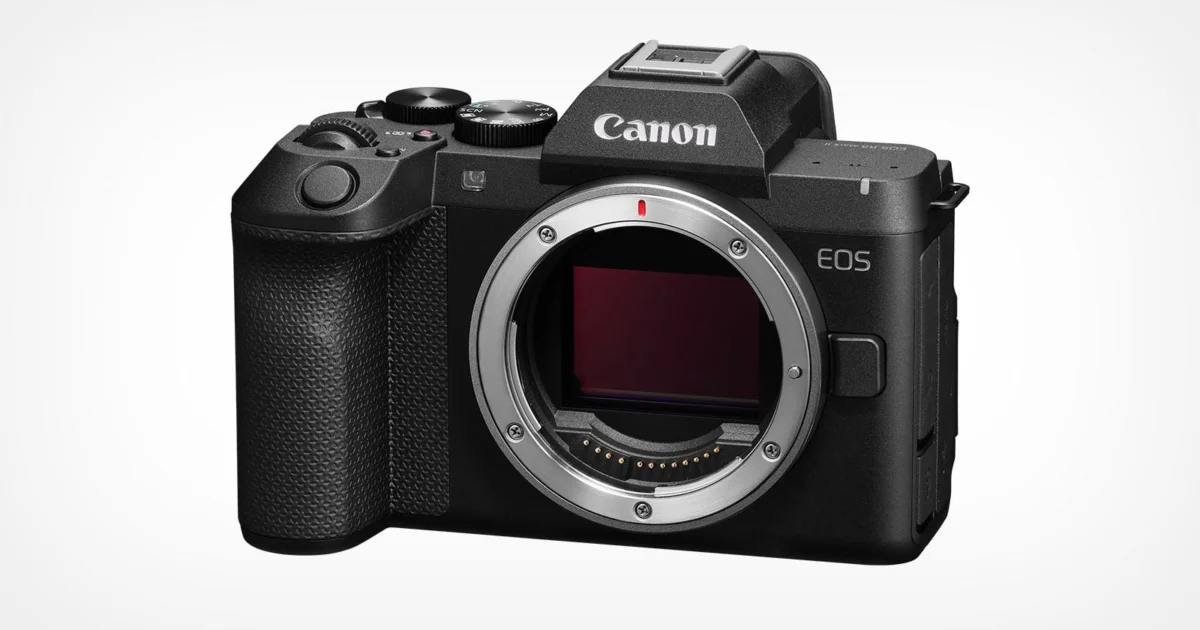
 Lina Hope
  Nana Wu
  Azzam Bilal Chamdy