The delicate balance of power in the global camera industry is undergoing a seismic shift. For years, major legacy manufacturers tightly controlled their proprietary mirrorless lens mounts, treating them as impenetrable intellectual property fortresses. Brands like Nikon and Canon relied on patents covering physical bayonet tabs, terminal pins, and electronic communication protocols to keep third-party lens makers at bay.
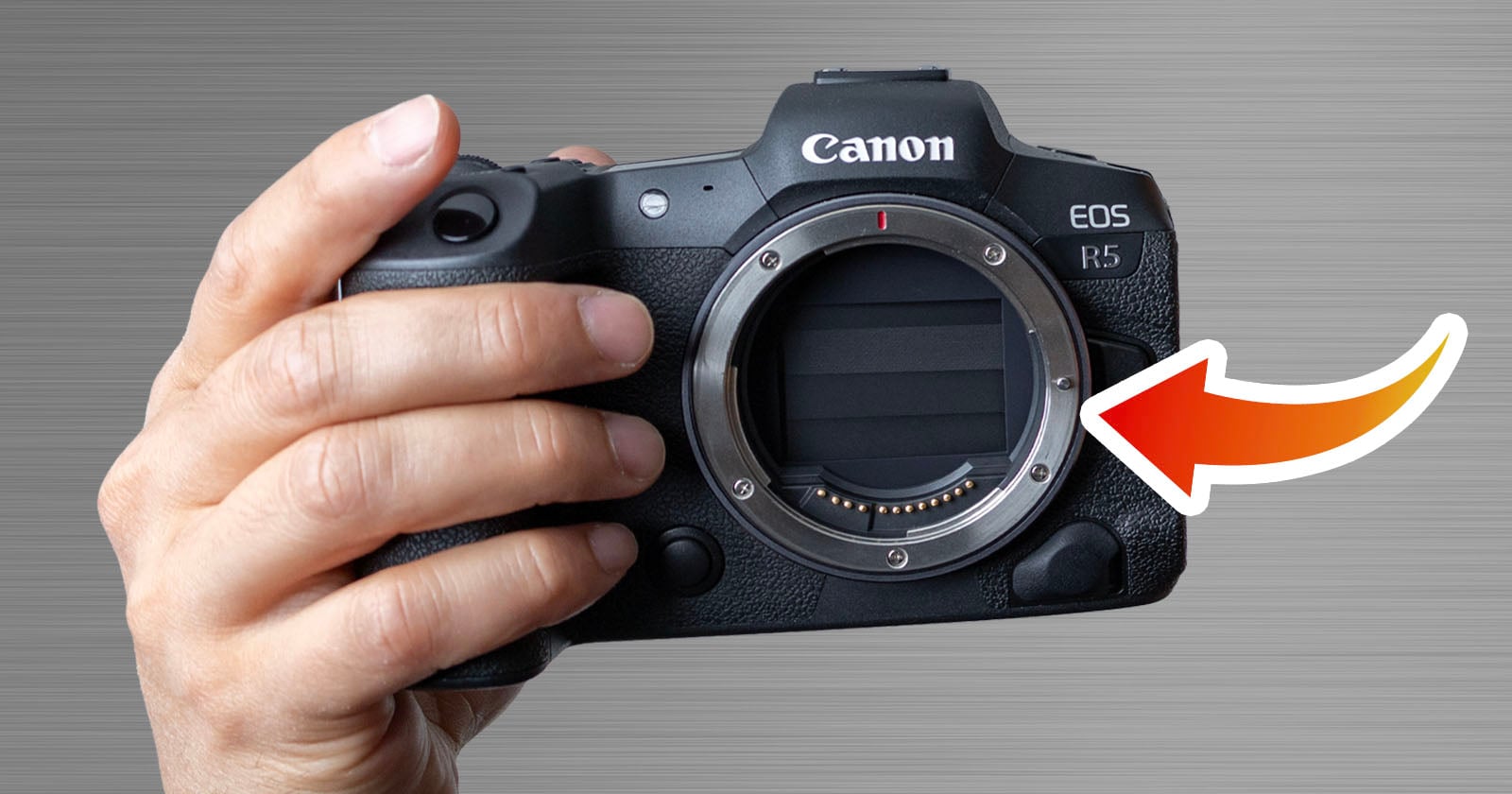
However, a landmark legal defeat for Nikon in China has fundamentally altered the landscape. When the China National Intellectual Property Administration (CNIPA) ruled in favor of independent lens manufacturer Viltrox and invalidated a core Nikon Z-mount patent, it opened Pandora’s box. The decision has sent shockwaves through the photographic community, raising an urgent question for the industry’s last truly closed ecosystem: If Nikon’s Z-mount patent is legally vulnerable, what protects Canon’s fiercely guarded RF-mount?
Main Facts: The Viltrox-Nikon Showdown and Its Aftermath
The core of the controversy centers on a fierce intellectual property battle that began in January, when Nikon filed a sweeping lawsuit against Viltrox in China. Nikon alleged that the rapidly rising third-party lens maker had infringed upon its proprietary Z-mount patents, demanding substantial damages and ongoing royalties.
Instead of settling or backing down, Viltrox—backed by considerable financial and legal maturation—stood its ground. By the summer, the CNIPA delivered a stunning verdict: it not only ruled entirely in favor of Viltrox, dismissing Nikon’s claims of infringement, but it also took the aggressive step of invalidating a core Nikon Z-mount design patent altogether.
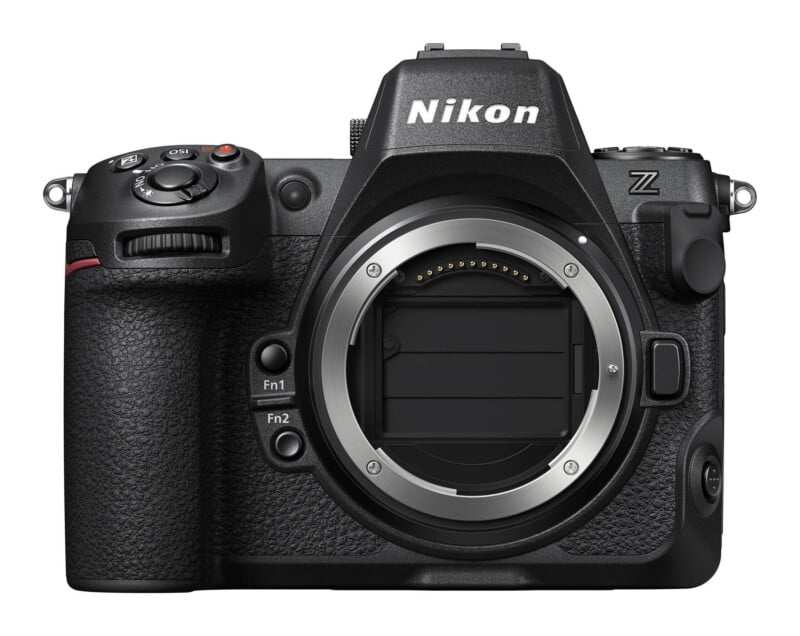
The Invalidated Patent: The struck-down patent covered critical elements of the Z-mount’s physical architecture, including the precise layout of its bayonet tabs, terminal pins, and overall electronic contact arrangement.
The Legal Rationale: The CNIPA determined that Nikon’s patent lacked an “inventive step” (the Chinese legal equivalent to the U.S. concept of "non-obviousness"). The court ruled that making incremental adjustments to the length, angle, or pin placement of a bayonet mount relative to legacy designs (such as Nikon’s older F-mount) constitutes routine engineering iteration rather than a patentable technological breakthrough.
The Industry Impact: Without a valid patent underpinning its infringement claims, Nikon has been legally stripped of the tools required to block Viltrox—or any other China-based third-party manufacturer—from producing and selling autofocus-equipped lenses for the Z-mount system within China.
Chronology of Events: From Cease-and-Desist Threats to Courtroom Battles
To understand how the photographic industry arrived at this precarious juncture, it is essential to trace the escalation of tensions between legacy camera giants and aggressive third-party upstarts over the past several years.
August 2022: Viltrox publicly revealed that it had been forced to halt the production and sale of its autofocus-enabled RF-mount lenses after receiving severe legal warnings and cease-and-desist threats from Canon.
September 2022: Canon formally confirmed its strategy, publicly stating that companies manufacturing unauthorized autofocus lenses for the RF-mount under brands like Viltrox were infringing upon its intellectual property and design rights. At this stage, Canon relied purely on intimidation and threats of litigation, relying on Viltrox’s then-smaller market cap and limited resources to enforce compliance.
January 2026: Taking a more aggressive approach than its Japanese counterpart, Nikon officially filed a formal intellectual property lawsuit against Viltrox in China over Z-mount patent violations.
Summer 2026: The CNIPA delivered its verdict, ruling against Nikon and invalidating its core Z-mount physical design patent, effectively greenlighting independent Z-mount autofocus lens production in China.
Late 2026: Industry analysts begin assessing the global ripple effects, recognizing that the legal roadmap established by Viltrox’s victory could spell the end of closed-mount monopolies globally.
Supporting Data: The Legal Vulnerability of Iterative Engineering
The implications of the CNIPA ruling extend far beyond a single legal defeat in Beijing. At the heart of the matter is the fundamental nature of modern camera lens mount engineering.
For decades, camera manufacturers have transitioned from manual-focus systems to electronic autofocus setups, incrementally altering flange focal distances, barrel diameters, and pin counts. However, patent law generally requires true novelty for protection. According to legal experts consulted for this analysis, iterative adjustments—such as widening an existing mount by a few millimeters or adding a handful of electronic contact pins—fail to meet the rigorous global standards of an "inventive step" or "non-obviousness."
Legacy Mount (e.g., Nikon F / Canon EF)
       │
       ▼ (Incremental Engineering Changes)
Wider Diameter + Added Electronic Pins + Adjusted Flange Distance
       │
       ▼
Modern Mount (e.g., Nikon Z / Canon RF)
       │
       ▼ (CNIPA Ruling: Lacks "Inventive Step")
Result: Core Physical Design Patents Found Vulnerable / Invalid
While Nikon holds corresponding patents in other major international jurisdictions—such as the United States and the European Union—legal strategists suggest that the company is unlikely to test those patents in Western courts. A loss in the U.S. or Europe would not merely stall regional sales; it would completely invalidate Nikon’s Z-mount patent portfolio on a global scale.
Furthermore, even if Nikon or Canon were to secure favorable rulings in Western courts, globalization and modern supply chains present insurmountable enforcement hurdles. Because Viltrox manufactures its lenses in China—where local courts have already established that the company operates within its legal rights—foreign injunctions would only stymie direct shipments to official retail channels. Secondary gray-market imports, direct-to-consumer online shipping, and cross-border e-commerce make locking down regional markets virtually impossible, as evidenced by the relative ease with which consumers acquire hardware officially restricted in Western territories.
Official Responses and Corporate Posturing
Faced with a rapidly deteriorating moat around their proprietary systems, both Nikon and Viltrox have maintained cautious, highly measured public stances.
When approached for comment, Nikon offered a brief, guarded statement to industry press:
"Out of respect for the judicial system, we will refrain from providing further details at this time."
Similarly, Viltrox has chosen not to gloat over its historic courtroom victory, opting instead for a diplomatic approach regarding its future product roadmap and the broader implications for competing lens mounts:
"We truly appreciate your attention and support. However, at this moment, we don’t have any official information or updates that we are able to share regarding this topic. Regarding the questions about potential future implications or other mounts, we unfortunately don’t have any comments or information available at this time. If there are any official updates in the future that can be shared publicly, we will be sure to keep you informed."
Canon, meanwhile, faces its own mounting pressure as the last bastion of a completely closed, unlicensable full-frame mirrorless system. When asked about the shifting legal landscape and the viability of its RF-mount protections, Canon issued a standard corporate response:
"Canon does not comment on legal proceedings or the business activities of other companies. We remain focused on delivering innovative solutions to our customers while respecting intellectual property rights in every market where we operate."
Despite this diplomatic silence, internal discussions within Canon headquarters are almost certainly reaching a boiling point. The safety net of issuing empty threats has dissolved now that Viltrox has proven Chinese manufacturers possess the financial muscle and legal framework to challenge and defeat legacy corporations in court.
Implications: The End of the Closed Mount Era?
The crumbling of Nikon’s patent defense forces a stark reckoning for Canon and, by extension, the entire photographic industry. The primary scenarios facing the market in the wake of this precedent include:
1. The Threat of Retaliatory International Litigation
If Viltrox or other Chinese manufacturers decide to resume aggressive production of autofocus RF-mount lenses, Canon may feel compelled to make good on its 2022 threats. However, simply sending cease-and-desist letters will no longer suffice. Canon would likely be forced to launch a coordinated, multi-jurisdictional legal assault across the United States, Japan, Europe, and China simultaneously.
The ultimate goal of such an overwhelming legal strategy would not necessarily be to win every court battle, but rather to drag Viltrox into an expensive war of attrition, ultimately forcing them to the negotiating table to agree on a structured licensing settlement.
2. The Danger of Software Blockades
As a secondary defense mechanism, camera manufacturers could attempt to implement aggressive firmware updates designed to "brick" or restrict the functionality of unauthorized third-party lenses through encrypted handshaking protocols.
However, this approach carries severe commercial risks. Consumer backlash against restrictive software updates can be swift and merciless, as demonstrated by historical incidents where independent lenses experienced temporary compatibility glitches upon new camera body launches. Furthermore, technological workarounds by third-party reverse-engineers typically neutralize firmware blocks within days, making software restrictions a leaky and unreliable dam.
3. A Shift Toward Structured Openness (The Sony Model)
Should Chinese manufacturers force Canon’s hand by openly flooding the market with unlicensed RF glass—especially within China, which represents the second-largest and fastest-growing camera market in the world—Canon may have no choice but to pivot.
A realistic outcome is the adoption of a formal third-party licensing program akin to Sony’s E-mount ecosystem. Under such a framework, Canon could officially open its mount to approved partners, integrating them into the ecosystem while retaining control over performance metrics (such as capping burst shooting speeds for third-party glass, much like Sony’s 15 fps limit).
Crucially, Japanese optical giants like Sigma, Tamron, and Canon all sit on the board of the Camera & Imaging Products Association (CIPA). These legacy competitors share a vested interest in preserving the health and dominance of Japanese-engineered camera ecosystems against a rising tide of international competitors. If the dam breaks completely in China, industry collaboration to preserve baseline monetization through licensing fees becomes far more attractive than total market exclusion.
Conclusion
For the first time in the modern mirrorless generation, the traditional balance of power has inverted. The ultimate authority over whether lens mounts remain closed no longer rests solely within the executive boardrooms of Tokyo; it now lies within the financial and legal reach of third-party manufacturers willing to call the bluff of legacy giants. Whether Canon chooses to litigate, negotiate, or gracefully open its ecosystem, the era of unquestioned, legally bulletproof closed mounts is drawing to a close.

 By Raul Delapena Setiawan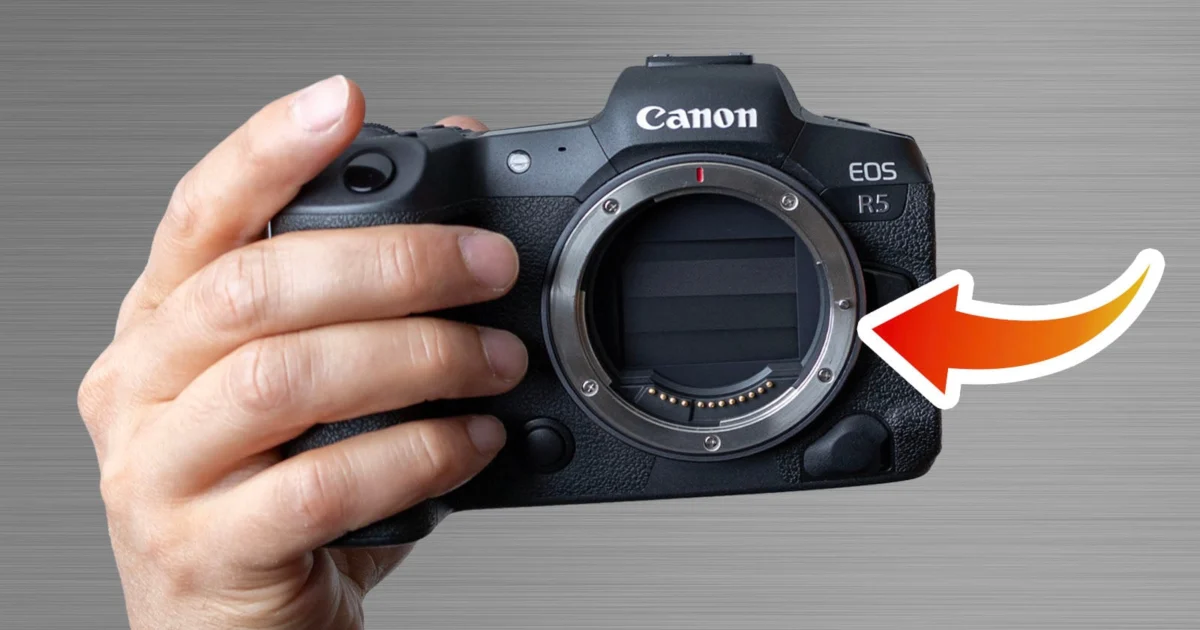

 Nila Kartika Wati
  Lina Irawan
  rifanmuazin