
 By Pevita Pearce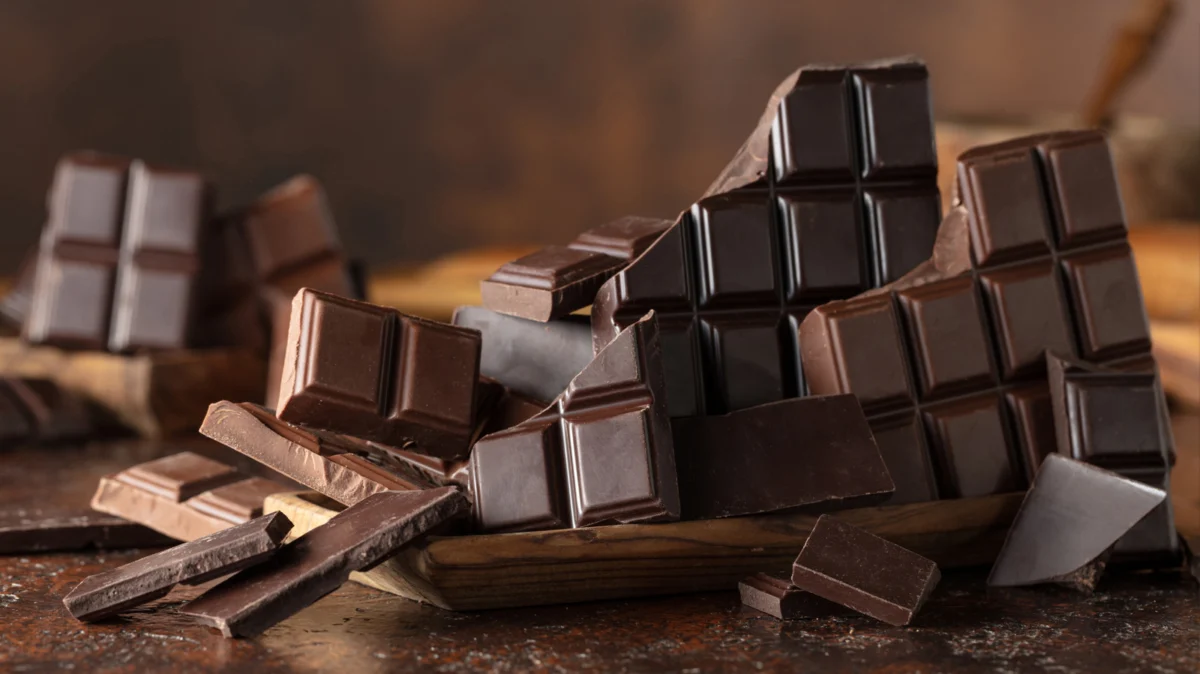
By: Culinary & Food Science Desk
Published: October 24, 2023
Long before chocolate bars graced supermarket checkout aisles or found their way into modern baking pantries, cacao was a prized commodity. Ancient civilizations, notably the Mayans, traded cacao beans as a form of currency—a testament to the enduring value and rich history of this botanical treasure. Today, while we no longer trade a handful of beans for livestock or tools, our modern markets are flooded with countless iterations of chocolatey goodness.
A trip down the baking or candy aisle can quickly overwhelm even the most seasoned home cook. Rows of options feature baker’s chocolate, bittersweet bars, milk chocolate, extra-dark varieties, and the ubiquitous semi-sweet chocolate chips. Amid this crowded landscape, one question frequently arises among consumers and bakers alike: Is there actually a difference between dark chocolate and semi-sweet chocolate?
The short answer is a culinary paradox: while all semi-sweet chocolate is categorized as a type of dark chocolate, not all dark chocolate is semi-sweet.
Understanding this distinction requires looking past marketing labels and examining the percentages, processing methods, and regulatory standards that govern the world’s most beloved indulgence.
Main Facts: Defining the Cacao Baseline
To comprehend the relationship between dark chocolate and semi-sweet chocolate, one must first understand what constitutes dark chocolate at a fundamental level.
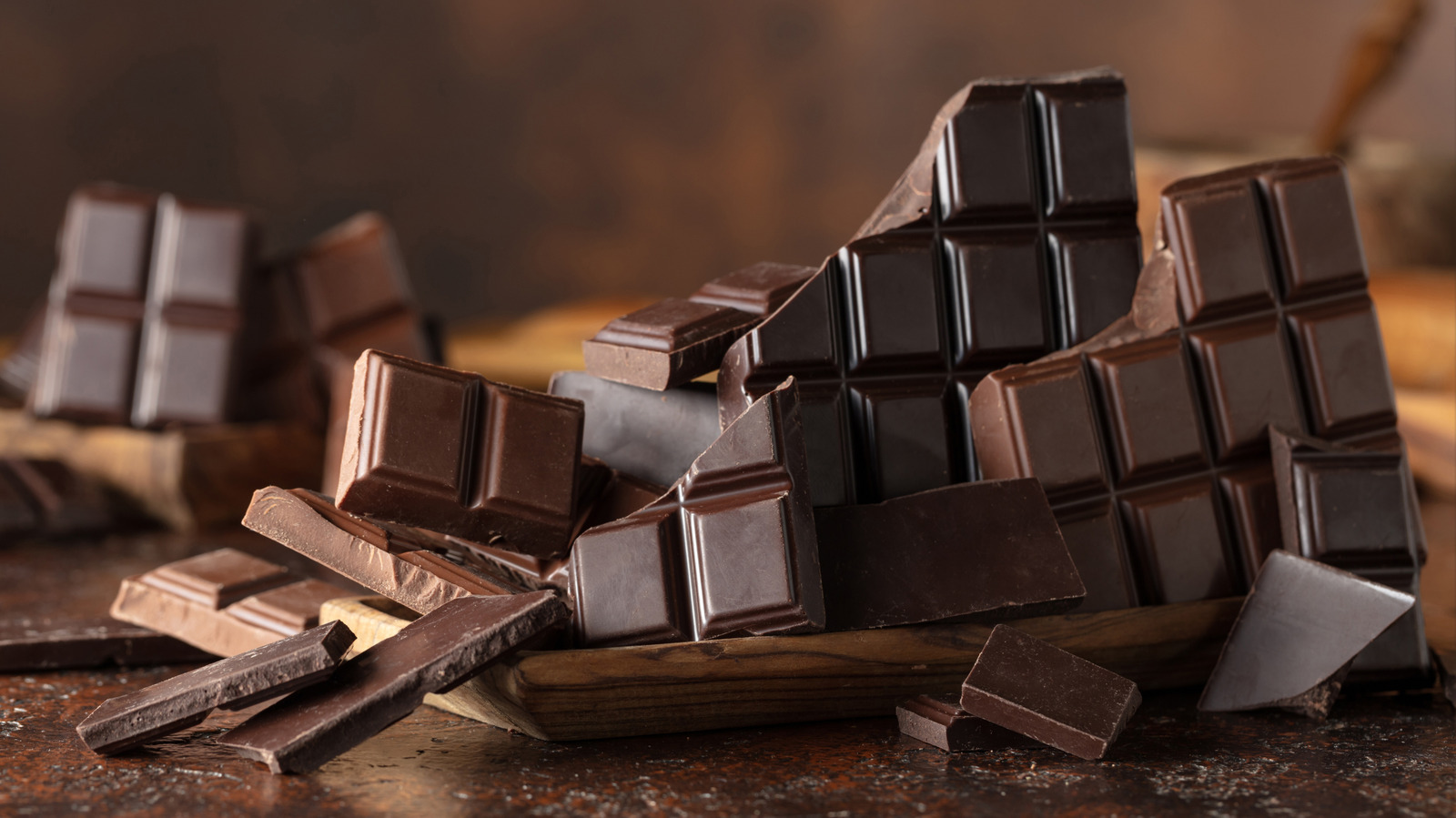
Dark chocolate is an umbrella term that covers a broad range of products found on shelves, including bittersweet, extra-dark, and unsweetened varieties. At its core, dark chocolate must contain a minimum of 35% cacao—comprising chocolate liquor, cocoa solids, and cocoa butter derived solely from the cacao bean—to legally bear the "dark chocolate" designation in many jurisdictions.
The remaining 65% (or less, depending on the cocoa percentage) of the product typically consists of added sugar, dairy, flavorings, and emulsifiers like soy lecithin. While some ultra-dark or gourmet bars push the envelope with cacao percentages soaring between 85% and 100%, semi-sweet chocolate generally hovers closer to that foundational 35% to 60% baseline.
- Key Takeaway: Semi-sweet chocolate sits comfortably on the sweeter, lower-cacao end of the broader dark chocolate spectrum, while other dark chocolates can range from moderately sweet to intensely bitter and astringent.
Chronology and Evolution: From Ancient Currency to Modern Baking Staples
Pre-Columbian Era: The Cacao Standard
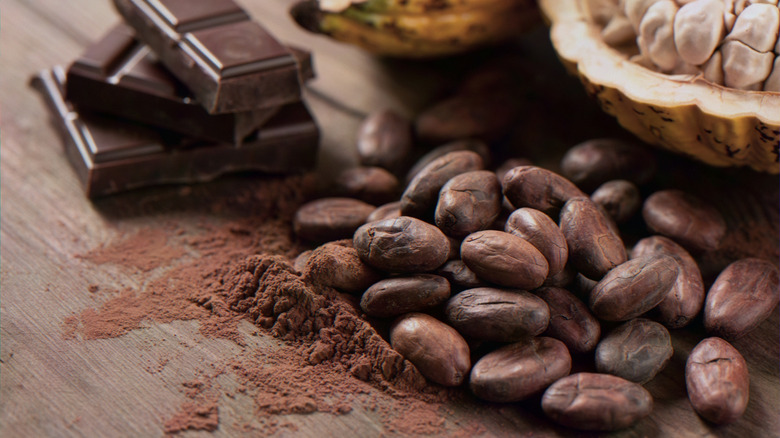
Long before the concept of "semi-sweet" or "dark" chocolate existed, Mesoamerican cultures such as the Olmecs, Mayans, and Aztecs processed the bitter seeds of the Theobroma cacao tree. They ground the fermented, roasted beans into a paste and mixed it with water, chili peppers, cornmeal, and spices to create a frothy, invigorating, and sacred beverage. Because cacao trees only grew in specific tropical climates, the beans were scarce and highly valued, frequently serving as currency across Mesoamerican trade routes.
The Industrial Revolution and Solid Chocolate
For centuries, chocolate was consumed almost exclusively as a liquid. It wasn’t until the 19th century that industrial innovations transformed the confectionery world.
- 1828: Dutch chemist Coenraad Johannes van Houten patented a method for pressing cocoa butter out of roasted cacao beans, creating cocoa powder and making chocolate manufacturing far more efficient.
- 1847: The British company J. Fry & Sons combined cocoa powder, sugar, and melted cocoa butter to create the world’s first moldable, solid eating chocolate bar.
- Late 19th to 20th Century: As chocolate production industrialized, manufacturers began categorizing products by their cocoa solid content and sugar levels, giving rise to distinct market segments: milk chocolate, dark chocolate, baking chocolate, and semi-sweet formulations tailored specifically for domestic baking.
Supporting Data: The Science of Bitterness and Cacao Percentages
While regulatory bodies set baseline percentages for dark chocolate classifications, commercial manufacturers frequently exceed these minimum requirements. The resulting products vary wildly in flavor profile, texture, and application.
The Cacao Spectrum in Popular Brands
- Hershey’s Special Dark Chocolate: Contains approximately 45% cocoa, offering a milder introduction to dark chocolate for consumers transitioning away from milk chocolate.
- Cholove Strong Dark Chocolate Bars: Typically feature 70% cocoa, striking a balance between sweetness and deep, roasted cacao notes.
- Ghirardelli Semi-Sweet Baking Chips: Generally hover between 50% and 60% cacao, engineered specifically to retain structural integrity when baked while offering enough sugar to balance the inherent bitterness of the bean.
- Lindt Excellence Unsweetened Chocolate: Reaches 100% cacao, containing zero added sugar for bakers who require complete control over the sweetness of their recipes.
The Science Behind the Bite: Flavonoids and Palatability
Why do higher cacao percentages taste dramatically more bitter? Scientifically, the cacao bean is packed with naturally occurring chemical compounds called flavonoids. While these plant-based antioxidants offer numerous health benefits, they are intensely bitter to the human tongue.
Milk chocolate, which incorporates high amounts of dairy solids and sugar alongside a lower percentage of chocolate liquor (often hovering around 10% to 20%), masks these bitter notes entirely. In contrast, dark chocolate relies heavily on precise processing methods—including roasting, alkalizing (Dutch processing), and the addition of refined sugars—to render the intense natural flavors of the cacao bean palatable to the human palate.
Official Industry Standards and Culinary Perspectives
Confectionery scientists and culinary institutions agree that the distinction between dark and semi-sweet chocolate is largely a matter of formulation rather than a strict legal dichotomy.
According to professional pastry chefs and baking authorities, semi-sweet chocolate is intentionally formulated to be a versatile middle ground. It contains enough cocoa solids to impart a deep, rich chocolate flavor to baked goods, yet possesses enough sugar to prevent the final product from tasting harsh or astringent.
Master chocolaters note that while "bittersweet" and "semi-sweet" are often used interchangeably in home kitchens, professional recipes sometimes distinguish between them based on exact sugar thresholds. Generally, bittersweet chocolate requires a higher percentage of cacao (often 50% to 70% or higher) and less sugar, whereas semi-sweet chocolate leans slightly sweeter. However, because food regulations do not enforce strict definitions for the term "semi-sweet," exact formulations vary significantly from one manufacturer to the next.
Implications: How to Choose the Right Chocolate for Your Kitchen
Understanding the nuances of the cacao spectrum has direct implications for everyday cooking, baking, and dietary choices.
1. Baking and Melting Performance
Because semi-sweet chocolate chips and baking bars contain a balanced ratio of cocoa butter and sugar, they melt smoothly and hold their shape exceptionally well when exposed to oven heat. This makes semi-sweet varieties the undisputed gold standard for:
- Classic chocolate chip cookies
- Brownies and blondies
- Chocolate muffins and quick breads
- Ganaches and chocolate glazes
2. Flavor Profiles in Confectionery
If a recipe calls for dark chocolate but only semi-sweet is available, bakers can generally substitute one for the other, though they should account for the extra sugar in semi-sweet varieties by slightly reducing other sweeteners in the recipe. Conversely, substituting a 70% or 85% dark chocolate bar into a recipe designed for semi-sweet chips will result in a much richer, less sweet, and potentially more bitter final product.
3. Health and Nutritional Considerations
From a nutritional standpoint, products higher on the dark chocolate spectrum (70% cacao and above) contain lower concentrations of added sugars and higher levels of beneficial antioxidants and minerals like iron, magnesium, and zinc. Semi-sweet chocolate, while still deriving from antioxidant-rich cacao, contains a higher proportion of refined sugars, making it a more indulgent treat rather than a health food.
Conclusion
The boundary between dark chocolate and semi-sweet chocolate is fluid, defined more by sugar content and culinary application than rigid scientific walls. While all semi-sweet chocolate proudly wears the badge of dark chocolate, the broader category encompasses everything from mild, accessible treats to intensely bitter, sugar-free blocks.
Armed with a deeper understanding of cacao percentages, historical evolution, and flavor chemistry, home cooks can navigate the baking aisle with confidence—ensuring that every cookie, brownie, and confection achieves the perfect balance of sweetness and rich, authentic chocolate flavor.
 Asro
Asro  Iffa Jayyana
  Basiran