
 By Suro Senen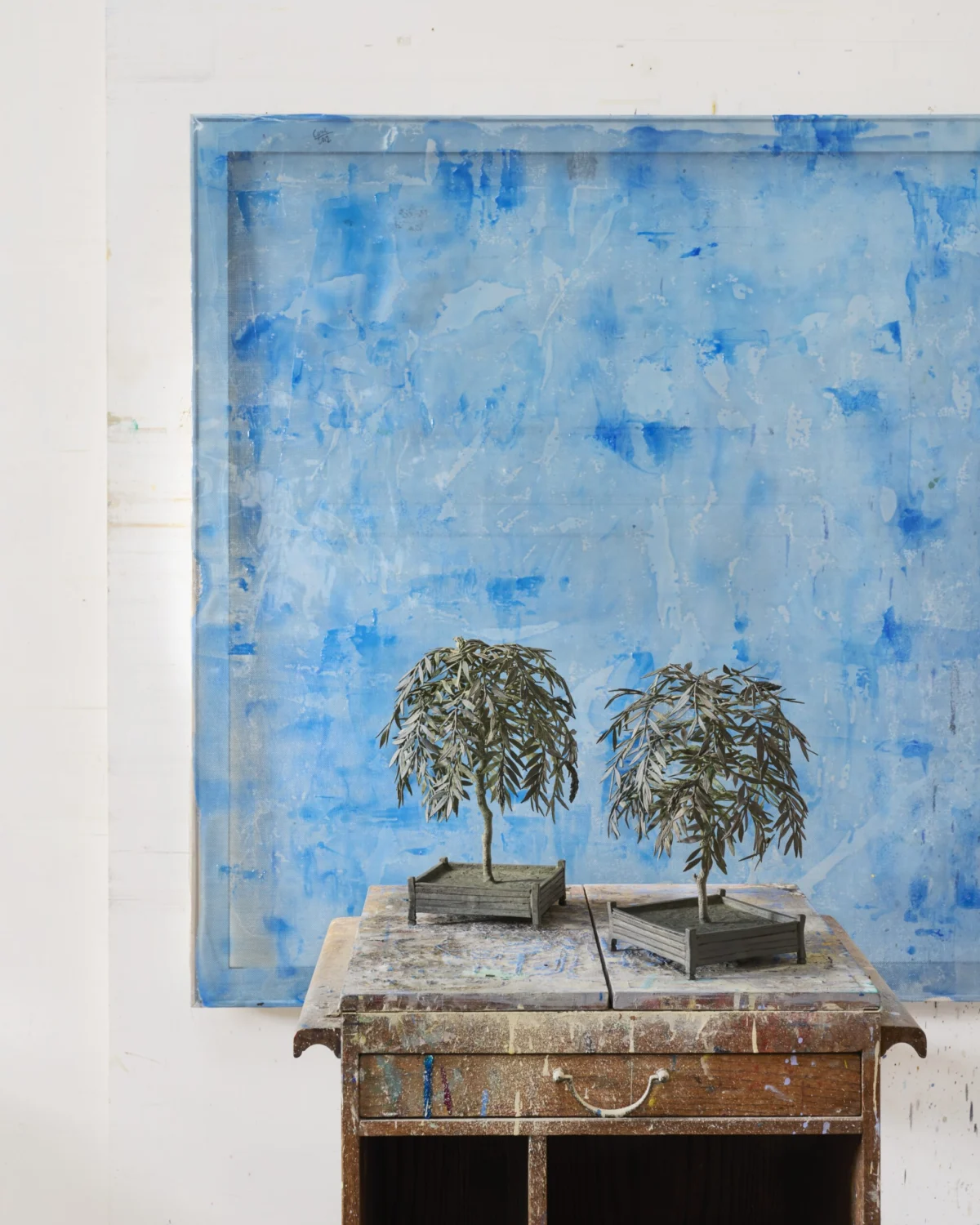
This autumn, the intersection of high fashion and fine art will once again command the spotlight at Dior’s Beverly Hills flagship. From October 3 to October 16, the luxury house will transform its retail space into a curated gallery dedicated to the late French visionary Louis Cane and his collaborator and wife, Nicole Cane.
The exhibition serves as a poignant prelude to a landmark tribute sale scheduled for December 8 at Christie’s Rockefeller Center in New York City. By bridging the gap between the runway and the gallery, Dior continues its long-standing tradition of fostering dialogue between the heritage of French craftsmanship and the evolving narrative of contemporary art.
The Artistic Legacy of Louis Cane: A Life in Deconstruction
Louis Cane, who passed away in Paris earlier this year at the age of 80, was a titan of late 20th-century French aesthetics. To understand the significance of the upcoming Beverly Hills showcase, one must first look at the trajectory of an artist who spent six decades challenging the boundaries of his medium.
Cane first rose to international prominence as a key figure in the Supports/Surfaces movement, which coalesced in France around 1969. This avant-garde collective sought to dismantle the "tyranny of the canvas," questioning the very structure of painting by emphasizing the materiality of the work—the frame, the fabric, and the stretcher—as much as the image itself.
In his early period, Cane’s work was defined by a rigorous, almost academic deconstruction of the traditional painterly surface. However, his intellectual curiosity could not be contained by two dimensions. Over the decades, his practice expanded into a multifaceted exploration of sculpture, furniture design, and the decorative arts. Working from his studios in Paris and the sun-drenched coastal enclave of Villefranche-sur-Mer, Cane evolved from a minimalist provocateur into a creator of whimsical, highly tactile objects. His later career was defined by a seamless integration of traditional artisan techniques—such as lacquer, bronze casting, and parchment inlay—with a modern, playful sensibility.
The Beverly Hills Presentation: A Sensory Dialogue
The exhibition at the Dior Beverly Hills boutique is designed to be more than a simple display; it is an immersive environment. According to Dior, the presentation will offer a comprehensive overview of the breadth of Cane’s oeuvre, showcasing the wide range of materials he mastered over his prolific career.
Visitors can expect to encounter an eclectic collection that includes:
- Bronze Trees and Figurative Sculpture: Reflecting Cane’s lifelong fascination with the natural world and the human form.
- Playful Decorative Objects: Including his iconic lanterns adorned with intricate monkey motifs, which demonstrate his penchant for humor and narrative storytelling.
- Bespoke Furniture: Pieces featuring delicate butterfly motifs and the use of rare woods, marble, and lacquer.
Dior describes the collection as a world “infused with 18th-century French art, nature, fauna, humor, and a deeply personal sense of wonder.” By placing these objects within the sleek, modern architecture of the Beverly Hills flagship, Dior aims to highlight the enduring relevance of Cane’s craft. The exhibition invites viewers to experience the tactile luxury of bronze and parchment, providing a sensory counterpoint to the fashion-forward atmosphere of the store.
Chronology: From the Supports/Surfaces Movement to Christie’s
The journey of Louis Cane’s work from the experimental studios of the late 1960s to the prestigious auction houses of the 21st century is a testament to the longevity of his vision.
- 1969: The emergence of Supports/Surfaces in France, marking the beginning of Cane’s radical period of deconstructing the canvas.
- 1970s–1980s: A period of transition for Cane, as he begins to incorporate sculptural elements into his work, moving toward a more decorative and ornamental style.
- 1990s–2023: Decades of refinement. Cane collaborates with master artisans in France, honing his skills in bronze casting, lacquer, and fine woodcraft. His work gains a loyal following among private collectors who value his unique blend of classical French heritage and contemporary wit.
- 2024: Louis Cane passes away in Paris at the age of 80, leaving behind an extensive archive and a legacy that spans painting, sculpture, and design.
- October 3–16, 2026: The Dior Beverly Hills retrospective opens to the public, offering a rare glimpse into the private collection of the Cane family.
- December 8, 2026: The tribute sale at Christie’s Rockefeller Center, New York, will bring many of these pieces to the global market, solidifying Cane’s place in the canon of significant 20th-century French artists.
Supporting Data: The Architecture of Collaboration
The exhibition’s success relies on the historical synergy between Cane and the artisans he employed. Throughout his six-decade career, Cane was known for his rigorous attention to material quality. Dior’s preview materials emphasize that the works on display are not merely artistic statements but are demonstrations of technical virtuosity.
The use of materials—bronze, marble, parchment, and precious lacquer—speaks to a bygone era of high-end French craftsmanship. Cane’s work often required a deep understanding of physics and chemistry, particularly in his lacquer work and the patination of his bronze sculptures. By hosting this exhibition, Dior provides a platform that contextualizes these works within the broader history of the decorative arts, effectively positioning Cane not just as a painter, but as a master of material culture.
Official Responses and Curatorial Intent
The decision to host an exhibition of this nature follows a strategic pattern for Dior. The house has increasingly positioned itself as a patron of the arts, viewing its retail spaces as cultural hubs rather than mere points of sale.
In 2022, Dior hosted a similar exhibition featuring more than 20 works by the renowned French artist-designers Claude and François-Xavier Lalanne at the iconic 30 Montaigne location in Paris. That exhibition served as a precursor to a major auction of the Lalanne estate, effectively generating cultural capital and high-level interest among the brand’s clientele.
The Louis Cane exhibition is viewed as a natural successor to the Lalanne presentation. A spokesperson for Dior noted that the brand seeks to honor the "cross-pollination of fashion, art, and the art of living (l’art de vivre)." By championing the work of the Canes, Dior is not only celebrating a significant artistic legacy but also reaffirming its own identity as a brand deeply rooted in French culture and aesthetic excellence.
Implications for the Luxury and Art Markets
The upcoming exhibition and the subsequent Christie’s sale have significant implications for both the art market and the luxury fashion sector.
1. The Blurring of Boundaries
The "Gallery-Retail" model is gaining momentum. High-net-worth individuals are increasingly drawn to retail environments that offer curated cultural experiences. Dior’s move underscores a shift in how luxury brands interact with their consumers, moving from transactional relationships to ones built on shared intellectual and aesthetic interests.
2. Investment in Heritage
The market for late 20th-century French decorative arts is experiencing a resurgence. With the passing of major figures like Cane, the scarcity of their primary work is driving up demand. The Dior exhibition acts as a high-profile "curatorial stamp of approval," likely influencing the results of the December auction at Christie’s.
3. The Role of the "Artistic Director"
The exhibition highlights the role of the modern luxury brand as a tastemaker. By selecting which artists to showcase, brands like Dior exert significant influence over the art market’s narrative. The choice of Louis Cane—an artist who balanced the radicalism of the 60s with the refinement of decorative tradition—aligns perfectly with Dior’s own brand ethos of "tradition meets modernity."
Conclusion: A Final Tribute
The exhibition at Dior Beverly Hills is a poignant reminder of the power of artistic evolution. Louis Cane’s life was defined by a restless search for new ways to express beauty, moving from the deconstruction of the canvas to the construction of objects that bring wonder into the domestic sphere.
As the fashion world descends on Beverly Hills this October, the exhibition will offer a moment of pause—a chance to reflect on the legacy of a man who saw the world through the lens of nature, humor, and an unwavering commitment to the hand-crafted object. Whether one is a collector, an art enthusiast, or a devotee of the house of Dior, the retrospective promises to be a highlight of the cultural calendar, bridging the gap between the ephemeral nature of fashion and the enduring power of fine art.
For those unable to visit the exhibition in Beverly Hills, the December 8 sale at Christie’s will offer a final opportunity to engage with the legacy of Louis Cane, ensuring that his vision continues to inspire new generations of artists and designers long into the future.
 Siti Muinah
  Layla Zulfa
  Muslim