
 By Sagoh
Main Facts
The American fast-food and casual dining landscape is a graveyard of corporate ambition, shifting consumer demographics, and forgotten flavor profiles. While modern diners are inundated with sleek, customizable fast-casual concepts and hyper-efficient digital ordering kiosks, an older generation of Americans—primarily Baby Boomers—harbors a profound nostalgia for a bygone era of hospitality. These were the days of theatrical ice cream parlors, sprawling all-you-can-eat steakhouses, neon-lit roadside oases, and themed burger joints that prioritized a sit-down, communal experience over speed and algorithmic efficiency.
Today, giants like McDonald’s, Starbucks, and Chick-fil-A dominate the cultural and financial share of the market, catering aggressively to millennial and Gen Z tastes. Yet, historical titans such as Howard Johnson’s, Beefsteak Charlie’s, and Burger Chef occupy a sacred space in the collective memory of the Boomer generation. These businesses did not merely sell food; they served as the backdrops for first dates, family reunions, Sunday dinners after church, and milestone birthday celebrations. Though the vast majority of these establishments have been relegated to history books, defunct corporate filings, and dedicated social media preservation groups, their cultural footprint remains an indelible chapter of culinary history.
Chronology
The evolution and eventual extinction of America’s legacy restaurant chains unfolded over nearly a century of economic shifts, suburban expansion, and changing culinary trends:
- 1910: A modest New York City eatery opens its doors, later evolving into the jazz-centric venue that would eventually inspire the multi-location juggernaut known as Beefsteak Charlie’s.
- 1933: Donald Valle opens a diminutive 12-seat café in Maine, setting the foundation for what would grow into Valle’s Steak House, a cavernous, luxury-accessible empire.
- 1938: Royal Castle is founded in Miami, Florida, introducing southern consumers to griddle-fried breakfast staples, birch beer, and three-cent sliders.
- Mid-1930s–1950s: Howard Johnson’s scales up through pioneering franchising models, eventually growing to become America’s largest restaurant chain with over 1,000 units serving signature fried clams, ice cream, and iconic orange-roofed architecture.
- 1958: Burger Chef is established, introducing an early version of the combo meal and positioning itself as a sit-down, family-friendly alternative to its competitors.
- 1960s: A golden era for themed and experiential dining begins. Farrell’s Ice Cream Parlor opens its doors to theatrical fanfare, Red Barn launches its rustic barn-shaped burger joints, Mr. Steak opens its first location in Colorado Springs, and Lums starts slinging beer-cooked hot dogs.
- 1970s: Larry Ellmann renames his Steak & Brew locations to Beefsteak Charlie’s, capitalizing on the lucrative all-you-can-eat format and salad bar craze. Ramon Gallardo founds Casa Gallardo in St. Louis, bringing authentic Mexican dining to the Midwest before selling to General Mills.
- 1980s–1990s: Rapid corporate consolidation, aggressive over-expansion, and changing consumer habits take a heavy toll. Brands like Burger Chef are absorbed and dismantled by Hardee’s, Howard Johnson’s shrinks to a fraction of its former self, and Mr. Steak files for bankruptcy.
- 1993: Country music star Kenny Rogers partners with former Kentucky Governor John Young Brown Jr. to launch Kenny Rogers Roasters, which rapidly expands to 350 units before collapsing under its own financial weight by the end of the decade.
- 2000–2025: The final remnants of the golden age fade away. Valle’s Steak House closes its doors in 2000, Mr. Steak shutters its last location in 2009, Casa Gallardo closes in 2012, Lums bids farewell in 2017, Farrell’s closes its final Brea, California shop in 2019, and the final historical Royal Castle location officially ceases operations in 2025.
Supporting Data
The rise and fall of these historic brands can be measured through the sheer scale of their operations at their respective peaks, compared against their complete absence in the modern commercial real estate market:
- Howard Johnson’s: At its height, the chain operated over 1,000 restaurants nationwide, serving as a pioneer of interstate highway hospitality. By the mid-1990s, that number plummeted to approximately 100, before dropping entirely to zero.
- Farrell’s Ice Cream Parlor: Operating at the height of its cultural relevance in the 1970s, the chain boasted over 130 locations across the United States, famous for wheeling out the 50-scoop "Zoo" sundae on medical stretchers amid flashing sirens.
- Burger Chef: By 1971, the brand had ballooned to roughly 1,200 units, making it a direct competitor to McDonald’s before corporate buyouts stripped away its identity.
- Mr. Steak: Reached a peak of nearly 300 restaurants spanning the Midwest and broader United States, catering to middle-class families seeking an affordable sit-down steak dinner.
- Lums: Grew from a modest Miami hot dog stand into an empire of approximately 400 locations before financial restructurings and ultimate bankruptcy claims dismantled the brand.
- Red Barn: Maintained a resilient footprint for nearly 60 years across numerous states before closing its final outposts, while its modern digital archive—a dedicated Facebook preservation group—boasts nearly 9,600 active members swapping historical accounts.
Official Responses
While corporate executives from the modern era rarely issue formal statements regarding brands that vanished decades ago, food historians, culinary sociologists, and former franchisees have extensively documented the systemic causes behind these closures.
Corporate historians note that many of these chains fell victim to the "trap of diversification." As nimbler, highly specialized fast-food competitors emerged in the late 20th century—focusing exclusively on speed, drive-thru optimization, and singular core items—legacy sit-down brands bloated their menus in an attempt to please everyone. Analysts point to Mr. Steak and Howard Johnson’s as prime examples of brands whose expansive menus ultimately diluted their brand identity and eroded profit margins.
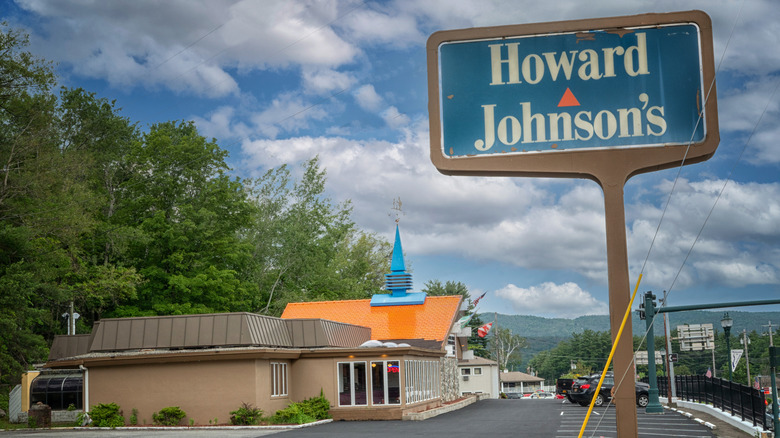
Furthermore, real estate shifts played a devastating role. Companies like Howard Johnson’s and Valle’s Steak House were inextricably tied to the golden age of the American highway and massive physical footprints—some seating up to 1,200 patrons. When real estate costs soared, highway routes shifted via interstate bypasses, and inheritance taxes crippled family-owned legacies following the deaths of founders like Donald Valle, these massive physical plants became financial liabilities rather than assets.
Implications
The disappearance of these 11 iconic chains—Howard Johnson’s, Farrell’s Ice Cream Parlor, Beefsteak Charlie’s, Red Barn, Royal Castle, Mr. Steak, Lums, Burger Chef, Casa Gallardo, Kenny Rogers Roasters, and Valle’s Steak House—is much more than a footnote in commercial real estate history. It signals a fundamental cultural shift in how Americans consume food and interact within public spaces.
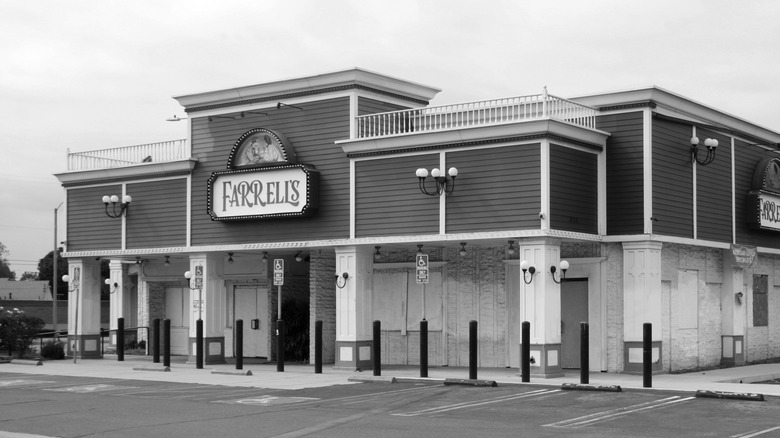
The Baby Boomer generation grew up during a transitional period in American commerce, where restaurants were viewed as community hubs. The theatricality of Farrell’s singing waiters, the communal abundance of Beefsteak Charlie’s all-you-can-eat salad bars, and the family-oriented dining rooms of Mr. Steak provided a sense of occasion that modern quick-service restaurants rarely replicate. Today’s market prioritizes frictionless transactions: mobile app pre-orders, third-party delivery drivers, and minimalist interiors designed for rapid customer turnover.
As these nostalgic landmarks fade from living memory and live on solely through sepia-toned photographs, online forums, and rare international remnants (such as Kenny Rogers Roasters’ continued presence overseas), they leave behind an emotional void. They represent an era when dining out was an immersive, unhurried event—a cultural touchstone that today’s streamlined, digital-first restaurant industry has largely left behind.
 Lina Hope
  Iffa Jayyana
  Layla Zulfa