
 By Lina Hope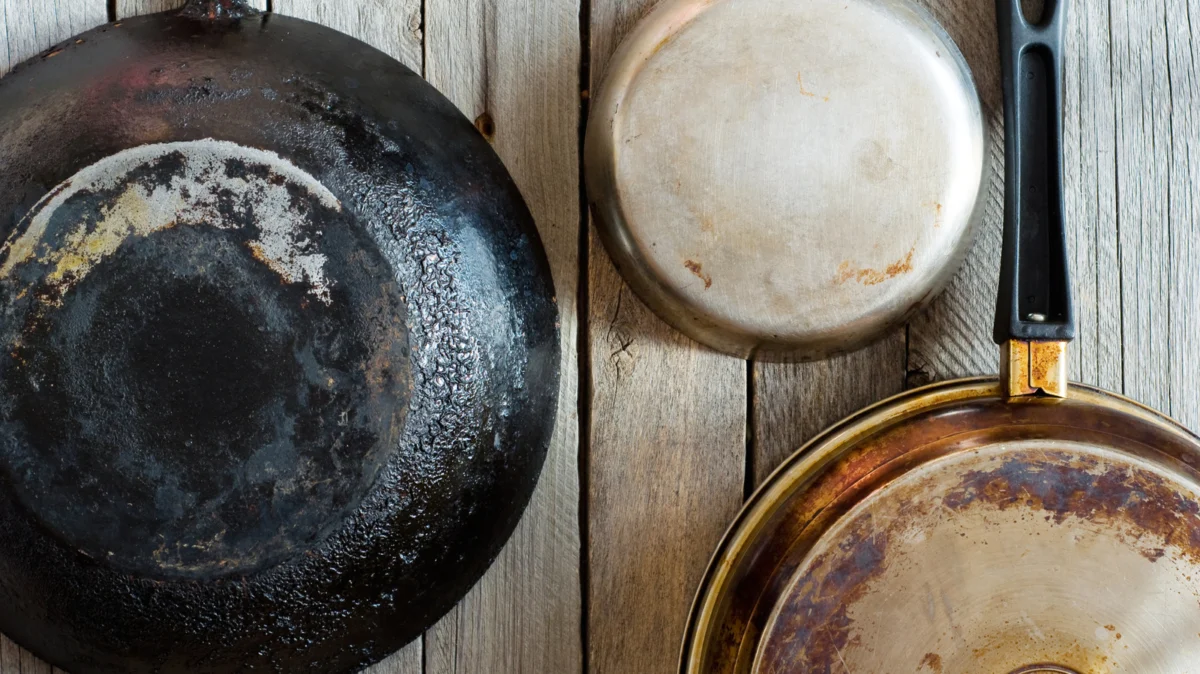
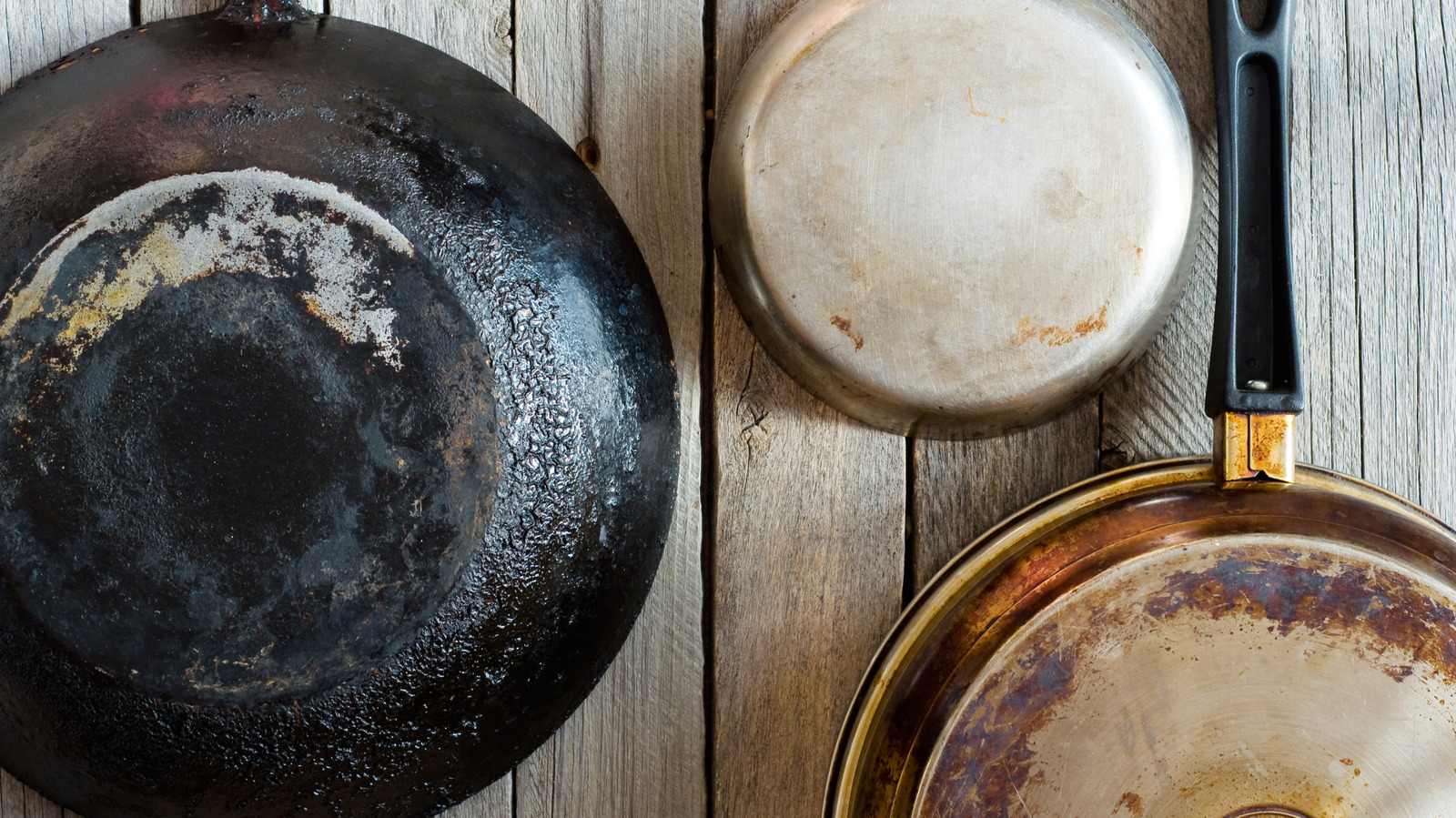
In the modern kitchen, the lifecycle of a frying pan is often tragically short. As non-stick coatings degrade, surfaces warp under intense heat, and handles lose their structural integrity, these once-essential tools are frequently consigned to the landfill. However, as the global movement toward zero-waste living gains momentum, a growing demographic of DIY enthusiasts and eco-conscious homeowners are finding creative ways to extend the utility of these kitchen workhorses. Rather than discarding worn-out pans, many are transforming them into bespoke, rustic decor pieces that marry culinary history with contemporary aesthetic design.
Main Facts: The Upcycling Revolution
The core premise of this burgeoning trend is simple: repurposing the structural shell of a pan—which is often made of durable materials like aluminum, cast iron, or stainless steel—into a decorative wall-mounted display. The most popular method involves priming the exterior of the pan to serve as a neutral canvas, followed by decorative layering using organic materials like twine, raffia, or chicken wire.
The primary appeal lies in the intersection of functionality and nostalgia. For those who view their kitchen as the heart of the home, these upcycled pieces serve as a testament to years of shared meals and culinary exploration. By weaving pockets or installing wire meshes, the pan is transformed from a flat, utilitarian tool into a three-dimensional vessel capable of holding dried botanicals, faux floral arrangements, or even functional items like mail and kitchen utensils.
A Chronological Approach to the DIY Process
For those looking to breathe new life into their decommissioned cookware, the process is best approached in distinct, manageable stages.
Phase 1: Preparation and Surface Treatment
Before any aesthetic changes can be made, the pan must be prepared. This involves thoroughly cleaning the surface to remove any residual grease or carbon buildup. Once clean, many creators opt for a layer of primer. A high-quality metal primer ensures that subsequent paint or adhesive layers bond effectively. Depending on the desired kitchen aesthetic—whether farmhouse chic, industrial, or minimalist—the choice of finish (matte chalk paint, metallic spray, or distressed acrylic) can completely alter the pan’s character.
Phase 2: Structural Modification (The Weaving Method)
As popularized by crafters such as Evrim Taşer Yılmaz, the weaving method is the most visually striking approach. This requires patience and precision.
- Initial Grid: The crafter lays a series of horizontal threads across the pan’s diameter, securing them with hot glue at the edges.
- Interlacing: Once the horizontal base is set, vertical threads are woven through the gaps. This creates a functional "pouch" or pocket within the pan.
- Detailing: To elevate the final product, creators often experiment with different weaving patterns, such as twill or satin weaves, or use multi-colored twine to introduce a checkerboard texture.
Phase 3: The Wire Mesh Alternative
For those who find the intricate weaving process too time-consuming, chicken wire offers a more industrial-chic solution. By filling the pan with straw or raffia to create volume and securing a piece of chicken wire over the opening, one can create a frame for "poking" artificial flowers into place. This method provides a more organic, wildflower-bouquet look and allows for easier rearrangement of the decor over time.
Supporting Data and Creative Variations
The versatility of these pieces extends far beyond simple floral arrangements. Market trends in home decor indicate a high demand for "functional wall art"—pieces that provide storage while serving as a focal point.
- Kitchen Organization: By utilizing the wire mesh method, homeowners can create a hanging station for measuring cups, whisks, or copper ladles.
- Mail Management: A woven pocket deep enough to hold envelopes can clear clutter from countertops, providing an elegant solution for entryway mail organization.
- Ambient Lighting: A pan fitted with a deep woven pocket can house battery-operated LED candles, casting a warm, flickering glow across a wall.
- The "Handleless" Look: For those who prefer a less literal interpretation, removing the handle and attaching a D-ring hanger to the back allows the pan to function as a floating circular shelf or shadow box, effectively disguising its origin as a piece of cookware.
Implications for Sustainability and Design
The shift toward repurposing kitchenware is not merely a hobbyist trend; it is a response to the environmental implications of "fast" kitchenware. Many modern non-stick pans are manufactured with synthetic coatings that, once scratched, become difficult to recycle. By diverting these items from the waste stream, individuals are taking personal responsibility for the lifecycle of their consumer goods.
Furthermore, this trend aligns with the "Cottagecore" and "Upcycled Industrial" design philosophies that have dominated interior design over the past five years. These aesthetics emphasize the beauty of imperfection and the importance of objects that tell a story. An upcycled pan is inherently unique; no two pans have the same wear patterns or history, ensuring that the final decor piece is a one-of-a-kind addition to the home.
Expert Perspectives on Upcycling
Professional interior stylists often argue that the most successful homes are those that incorporate "found" objects. According to design experts, the key to making an upcycled pan look professional—rather than "crafty"—is the quality of the finish. Using high-grade twine, ensuring that the glue application is invisible, and selecting high-quality artificial florals are the elements that distinguish a refined piece of wall art from a garage project.
Moreover, the versatility of this DIY project allows it to scale. A single, small saucepan can become a delicate wall accent, while a large, heavy-duty skillet can serve as a substantial centerpiece in a dining area or mudroom. The psychological benefit of the project—the satisfaction of creating something functional from "trash"—is often cited by participants as the most rewarding aspect of the experience.
Expanding the Horizon: Beyond Frying Pans
The methodology applied to frying pans is highly transferable to other kitchen staples.
- Loaf Pans: These can be transformed into wall-mounted planters. By adding small metal feet, applying a coat of paint, and filling the interior with floral foam, the loaf pan becomes a structured garden container that fits perfectly on narrow window sills or shelves.
- Skillet Pedestals: By removing the handle and affixing a decorative pedestal base, a skillet can be repurposed as a countertop riser, perfect for displaying spices, oils, or soaps.
Final Thoughts: A Sustainable Future
As we look toward a future where sustainability is no longer an option but a necessity, the humble frying pan project serves as a microcosm of what is possible. It asks us to look at the objects we discard not as "end-of-life" waste, but as raw materials waiting for a new purpose. Whether you are a seasoned artisan or a novice looking for a weekend project, the transformation of old cookware is a low-cost, high-impact way to personalize your home while honoring the environment.
By combining simple materials like twine and wire with a bit of imagination, the once-discarded pan is reborn—not as a relic of a past meal, but as a charming, enduring feature of a well-lived home. In an era of mass-produced decor, these custom, hand-crafted pieces offer something that cannot be bought in a store: a history, a story, and a commitment to a more sustainable way of living.
 Lina Irawan
  Reynand Wu