
 By Basiran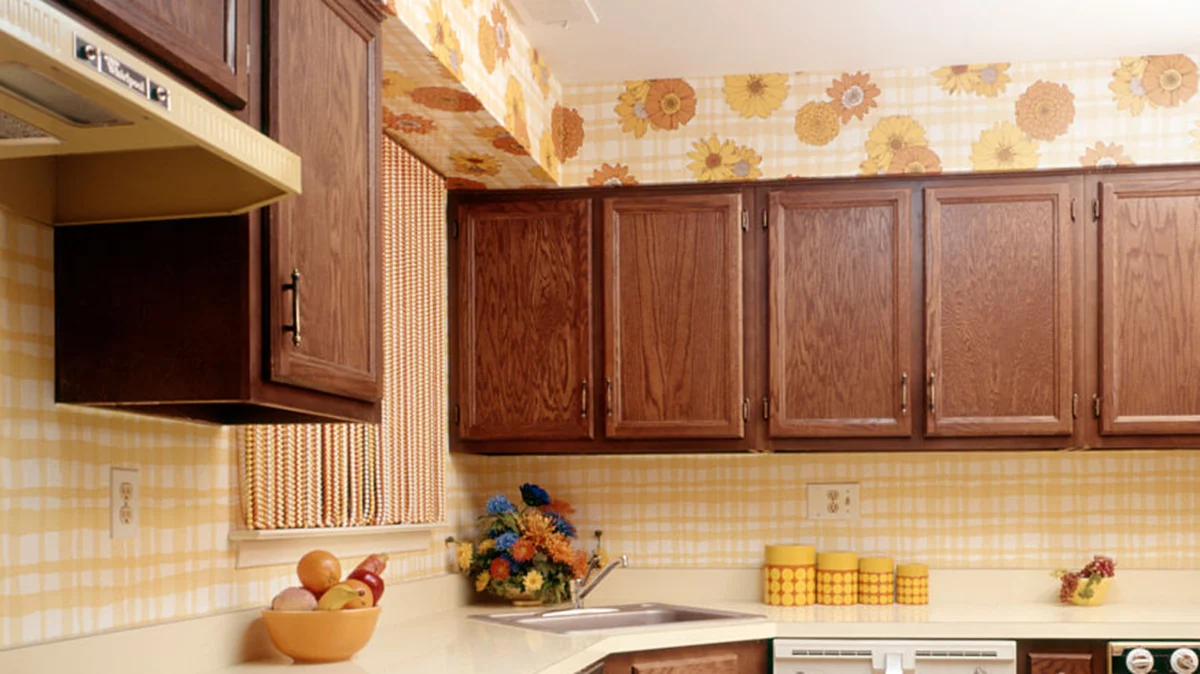
The modern home is currently undergoing a design revolution, one defined by a yearning for nostalgia, warmth, and individuality. As the sterile, minimalist "all-white" kitchen trend begins to wane, interior designers are pivoting toward a more expressive aesthetic: the retro revival. At the heart of this movement is the return of decorative wallpaper. Once considered a relic of mid-century domesticity—or, more infamously, a nightmare of application and removal—wallpaper has reclaimed its throne as the primary tool for injecting personality into the heart of the home.
The Evolution of Wall Coverings: A Chronology of Kitchen Style
To understand why retro wallpaper is trending, one must first look at its historical trajectory. The use of paper on walls in the kitchen was not always a matter of aesthetics; it was often a practical solution to cover porous surfaces or dated plaster.
- The 1930s–1940s: Kitchens were utilitarian spaces. Wallpapers from this era often featured small-scale, repetitive motifs like cutlery, teacups, or simple geometric shapes. The goal was to provide a clean, cheerful backdrop for the domestic work of the period.
- The 1950s (The Atomic Age): Post-war optimism brought bold, abstract designs. The "Atomic Starburst" became the visual shorthand for a new, space-age future. These patterns were dynamic, energetic, and unapologetically modern.
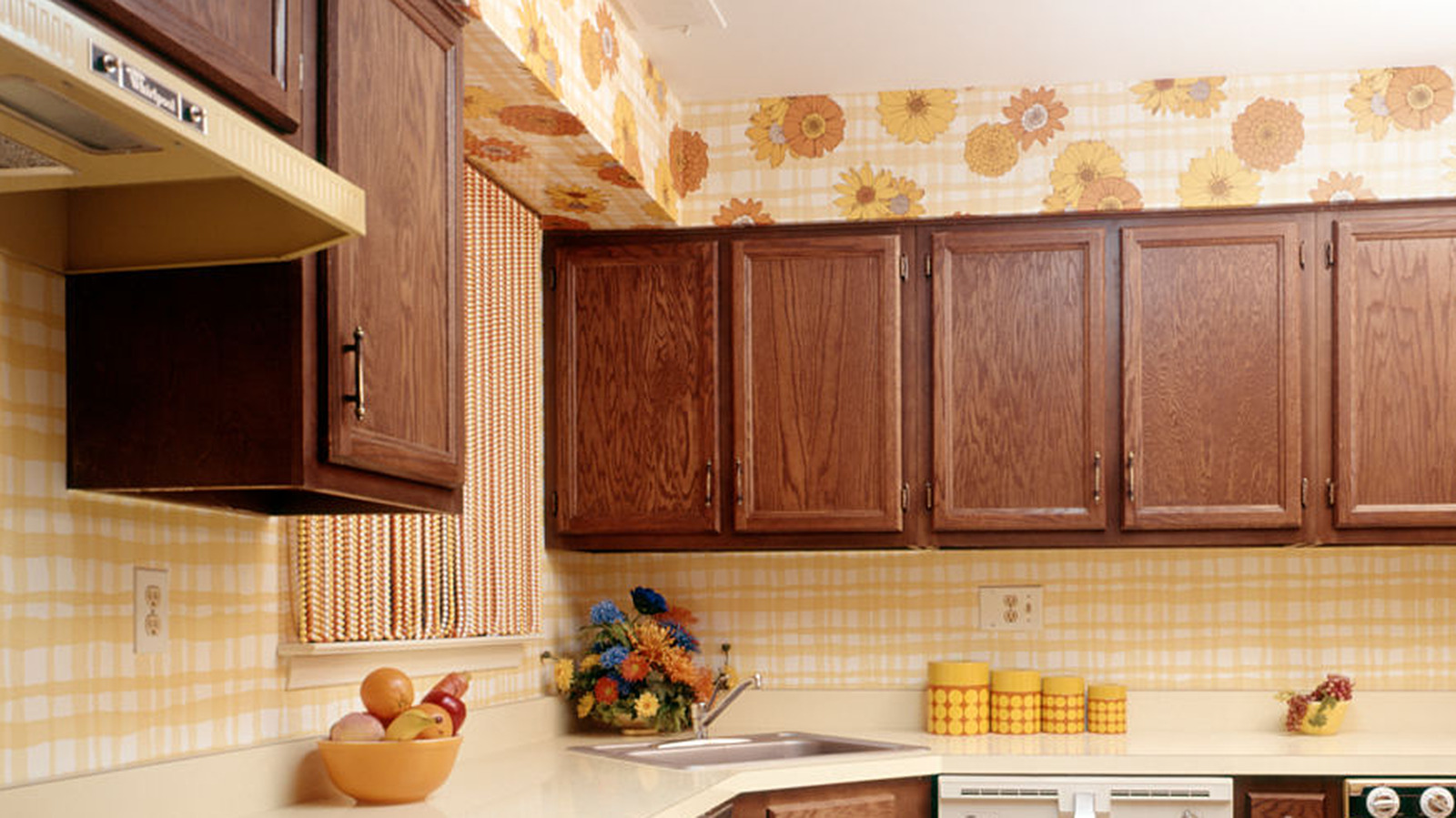
- The 1960s–1970s (Earthy Maximalism): As the mid-century transitioned into the 1970s, the design palette shifted from sky-blue and chrome to burnt orange, mustard yellow, and avocado green. The rise of the counter-culture brought with it a fascination with nature, leading to the ubiquity of mushroom motifs, floral patterns, and warm, earthy tones that mirrored the era’s environmental consciousness.
- The 1980s (The English Country Aesthetic): The late 20th century saw the rise of Laura Ashley and the "English Country" movement. This period favored structured elegance—trellis patterns, ivy, and delicate floral bouquets—designed to evoke the comfort of a pastoral cottage.
- The 21st Century: After a long hiatus where paint reigned supreme, the 2020s have seen the emergence of "modernized retro." Designers are taking the iconic patterns of the past and pairing them with high-tech materials, creating a marriage of vintage charm and contemporary convenience.
Supporting Data: Why the Shift to Retro is Sustaining
Recent interior design data indicates a significant shift in consumer behavior. According to industry reports from home improvement retailers, there has been a 40% increase in searches for "peel-and-stick vintage wallpaper" over the last 24 months.
The primary driver for this shift is the accessibility of the product. Modern wallpaper technology has effectively neutralized the two biggest historical barriers to entry: installation and removal. Today’s washable vinyl and high-quality peel-and-stick substrates allow homeowners to experiment with bold patterns without the fear of permanent damage. This "low-stakes, high-impact" design philosophy is particularly appealing to the Millennial and Gen Z demographics, who often live in rental properties where major renovations are prohibited.
Furthermore, economic factors play a role. A kitchen remodel involving new cabinets or appliances can easily run into the tens of thousands of dollars. A high-quality wallpaper project, however, can transform the entire visual atmosphere of a kitchen for a fraction of the cost, making it the most efficient "aesthetic update" currently on the market.
The Pillars of Retro Kitchen Design: Pattern Archetypes
When selecting a vintage-inspired look, homeowners are generally gravitating toward seven distinct aesthetic pillars.
1. Atomic Starbursts and Mid-Century Geometry
If your home leans toward "Mad Men" chic, the atomic starburst is the gold standard. These patterns often feature sharp, angular lines and celestial shapes. When used in a kitchen, these patterns add a sense of kinetic energy. Experts suggest using these on a single accent wall to prevent the pattern from overwhelming the eye, especially when paired with period-accurate chrome appliances.
2. The Return of the Earthy Mushroom
The 1970s mushroom trend was once mocked, but it has been successfully rehabilitated through the "cottagecore" movement. Modern iterations of this trend move away from the aggressive neon oranges of the past, favoring sage greens, creams, and muted terracottas. These designs pair beautifully with butcher-block countertops and open shelving, creating a grounded, organic environment.
3. Country Whimsy: Fruit and Gingham
The late 60s country aesthetic was about home-spun warmth. Large-scale fruit prints paired with gingham stripes offer a playful, nostalgic energy. While it might feel "garish" to the untrained eye, designers argue that this pattern is essential for creating a cozy, informal space that feels welcoming rather than clinical.
4. The Kitchen Café Aesthetic
Vintage coffee pots, tea kettles, and kitchen utensils have returned to our walls. This aesthetic is particularly popular in coffee-bar nooks or breakfast corners. By incorporating motifs of the tools we use daily, these wallpapers bridge the gap between form and function, turning the daily ritual of coffee-making into a stylized experience.
5. Floral Trellis and English Countryside
For those who prefer elegance over kitsch, the trellis pattern remains a timeless choice. Inspired by the Laura Ashley era, these geometric grids filled with delicate vines and buds provide a structured look that brings a sense of order to the kitchen. This style works exceptionally well in kitchens that utilize pastel cabinetry, such as pale blues or buttery yellows.
6. Patchwork Nostalgia
Inspired by the 1970s and 80s "Holly Hobbie" aesthetic, patchwork wallpaper is for the boldest designers. These patterns combine florals, plaids, and textures into a single, vibrant display. It is the ultimate expression of maximalism and is perfect for homeowners who want to lean into a "Little House on the Prairie" or eclectic vintage vibe.
7. The Tool-Kit Print
Similar to the café aesthetic, the tool-kit print focuses on the machinery of the kitchen—mixers, toasters, and whisks. These patterns often lean toward the mid-century modern aesthetic, providing a subtle nod to the technological advancements of the 1950s.
Official Design Perspectives and Implications
Industry professionals emphasize that the current trend is not merely about copying the past, but about "re-interpreting" it.
"The goal isn’t to create a museum exhibit," says one leading interior architect. "The goal is to evoke the feeling of a period while maintaining the functionality of a 21st-century home."
The implications of this trend are profound. First, it signifies a shift away from the "disposable" culture of interior design. When a room has character—when it features a specific pattern or a unique color story—homeowners are statistically less likely to undergo a total renovation every five years. Second, it suggests that the kitchen is no longer being treated as a sterile laboratory for cooking, but as a living room extension where guests are entertained and memories are made.
Strategic Advice for Implementation
- Start Small: If you are nervous about committing to a full kitchen wrap, use wallpaper for a backsplash or inside open cabinetry.
- Mind the Scale: In smaller kitchens, opt for smaller, tighter patterns. In larger, open-concept kitchens, larger-scale motifs can make a dramatic impact.
- Consider the Lighting: Vintage patterns often rely on specific color temperatures. Warm-toned wallpapers look best under soft, amber-toned LED lighting, whereas cooler, atomic-style patterns benefit from brighter, neutral-white lighting.
Conclusion
The resurgence of retro wallpaper in the kitchen is more than a fleeting fashion statement; it is a cultural reaction to the desire for warmth and narrative in our homes. By embracing the patterns of the past—from the atomic energy of the 50s to the earthy comfort of the 70s—we are reclaiming the kitchen as a space of joy, color, and history. Whether you choose the sharp geometry of a starburst or the soft, trailing ivy of an English trellis, the addition of wallpaper is a testament to the fact that our homes should tell a story, one that is as rich and layered as the designs on our walls.
 Azzam Bilal Chamdy
  Lina Irawan
  Lina Hope