
 By Iffa Jayyana
Main Facts
In the strange and often surreal intersection where internet subcultures collide with horrific real-world violence, a new digital phenomenon has emerged. Recently, a purportedly new photograph of Patrick Crusius—the perpetrator of the devastating 2019 El Paso Walmart shooting—surfaced across various social media platforms. Crusius, who is currently serving multiple consecutive life sentences for one of the deadliest mass shootings in modern American history, is paradoxically better known in certain internet meme circles as "Chudjak," a crudely drawn caricature born out of imageboards.
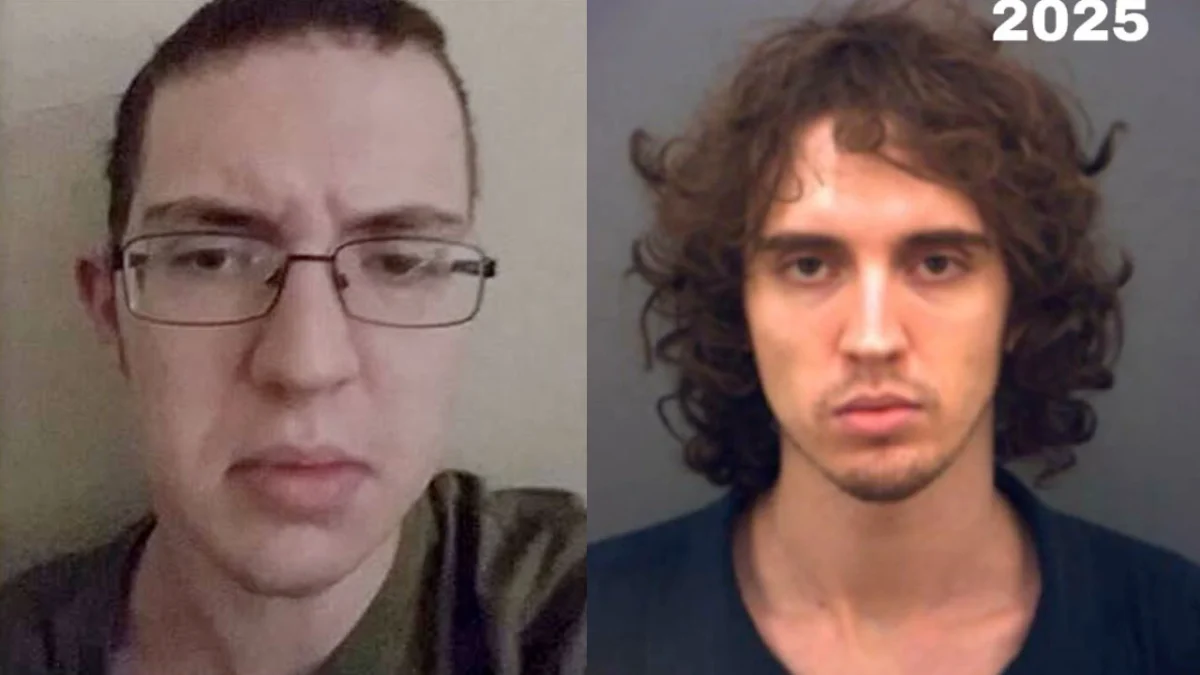
The leaked image, which quickly went viral on platforms like X (formerly Twitter) and Reddit, presents a starkly different visual of Crusius compared to his infamous, bespectacled booking photograph from 2019. Devoid of his glasses, sporting longer curly hair and light facial scruff, the image triggered a wave of bizarre internet commentary. Users across the digital ecosystem began joking that the mass murderer had experienced a "glow-up," with some even comparing his updated appearance to an "indie rock singer."
This surreal digital moment highlights a deeply unsettling aspect of contemporary internet culture: the complete abstraction of real-world tragedies into malleable internet lore. For millions of online users, particularly those navigating niche forums, Crusius has transcended his identity as a mass killer to become an abstract meme template—a cartoonish avatar of doomerism. The unexpected viral spread of his updated photograph underscores the complex, often disturbing ways real-world infamy is processed, commodified, and trivialized within modern digital spaces.
Chronology of the Leak and Viral Spread
The trajectory of how a federal legal document transformed into a viral meme vehicle follows a precise timeline across Reddit and X, tracing back to late April 2025.
- Late 2019: Following the El Paso Walmart massacre, internet subcultures on platforms like 4chan’s
/pol/board conceptualized the "Chudjak" meme, utilizing Crusius’s likeness to create a deeply cynical Wojak-type caricature associated with extreme online pessimism and the catchphrase "The West has fallen. Billions must die." - July 2023: According to records and context later provided by the source, a photograph of Crusius—reportedly taken while he was held by El Paso authorities in connection with federal charges and plea proceedings—was captured, though it remained out of public view for nearly two years.
- April 21, 2025: Crusius appeared in court for legal proceedings related to state capital murder charges, where he was photographed wearing glasses and a beard.
- April 25, 2025: A Reddit user operating under the handle
/u/uncanealguinzaglioposted what they claimed was a new federal booking photograph of Crusius to the subreddit/r/masskillers. The user asserted the image had been acquired via a Freedom of Information Act (FOIA) request. Although the post was swiftly deleted—presumably due to Reddit’s strict Content Policy regarding the glorification or promotion of violence—the image had already been downloaded and preserved by digital archivists. - April 27, 2025: X user
@TruueDisciplineposted the leaked photograph alongside the caption, "This is what chudjak looks like now… feel old yet?" The post caught fire algorithmically, accumulating over 1.2 million views and crossing 17,000 likes within a 48-hour window. - Late April 2025 (Post-Viral Phase): As internet users reacted with a mixture of shock, dark humor, and disbelief—dubbing the killer an "indie rocker" or joking about a prison "glow-up"—the original poster and other sleuths clarified the timeline. They emphasized that the viral image dated back to mid-2023 and contrasted it with more recent court appearances from April 2025.
Supporting Data and Digital Metrics
To understand the magnitude of this digital event, one must examine the metrics and data points surrounding the meme’s ecosystem and the recent viral spread:
- Viral Reach: The foundational X post by
@TruueDisciplinesecured over 1.2 million views and more than 17,000 likes in less than two days, proving the algorithmic velocity of shock-value meme content. - The Meme’s Lifespan: Originating in late 2019, the Chudjak meme has sustained a five-year lifecycle, evolving from a fringe 4chan reaction image into a widespread Internet shorthand for extremist internet anxiety and systemic pessimism.
- Legal Status: Patrick Crusius pleaded guilty to federal hate crimes and firearms offenses, resulting in 90 consecutive life sentences, alongside subsequent state-level legal reckonings that cemented his permanent status inside the federal prison system.
- Content Moderation Actions: The primary Reddit thread on
/r/masskillerscontaining the FOIA-acquired image was deleted within hours of posting, highlighting platform-level resistance to the circulation of real-world criminal imagery, even as it leaked past containment barriers onto decentralized networks like X.
Official Responses and Platform Policies
The unearthing and subsequent viral circulation of Crusius’s photograph put major content moderation systems to the test, exposing the difficulty of policing content that bridges real-world tragedies and meme culture.
When /u/uncanealguinzaglio dropped the image into /r/masskillers on April 25, 2025, Reddit’s automated filters and human moderators acted swiftly. Under Reddit’s established Trust and Safety guidelines, communities dedicated to true crime or mass killers are strictly monitored to prevent the glorification, lionization, or unauthorized dissemination of booking images that cross ethical boundaries. The rapid deletion of the thread was a textbook enforcement of these terms of service (TOS).

However, the decentralized nature of X allowed the image to bypass traditional containment walls. Unlike Reddit’s subreddit structure, which relies heavily on localized moderation teams, X’s algorithmic recommendation engine frequently rewards engagement-bait—regardless of how ethically dubious the source material might be. Accounts like @TruueDiscipline capitalized on the absurdity of the "glow-up" narrative, utilizing dark humor to game the platform’s visibility metrics.
While legal institutions—including the U.S. Department of Justice and the state courts of Texas—secured absolute legal accountability through life imprisonment, the digital sphere continues to operate entirely outside the jurisdiction of traditional accountability. Public officials and legal bodies have consistently emphasized the severity of Crusius’s crimes, yet digital ecosystems continue to flatten these atrocities into frictionless, ironic web content.
Implications of the "Chudjak" Phenomenon
The transformation of a mass shooter into a heavily circulated, abstract meme template raises profound questions about the psychological mechanics of the internet age.
The Abstraction of Trauma
When an individual commits an unspeakable act of mass violence, society traditionally preserves their image as a warning, a symbol of tragedy, or an object of absolute moral condemnation. However, internet subcultures have developed a defense mechanism—or perhaps a pathology—of hyper-abstraction. By reducing Crusius to "Chudjak," online communities strip away the horrifying reality of his victims, replacing a real human monster with a two-dimensional line drawing. When a real photograph of the perpetrator finally surfaces years later, it creates cognitive dissonance: users are forced to reconcile the cartoon caricature with an actual, physical human being who has aged within a prison cell.
The Dangers of Irony Poisoning
The reactions to Crusius’s updated look—joking about a "glow-up" or styling him as an "indie rock singer"—exemplify what sociologists and digital researchers call "irony poisoning." In these digital spaces, dark humor acts as a shield against genuine emotional engagement. By treating a domestic terrorist with sarcastic reverence or aesthetic compliments, users distance themselves from the gravity of the 2019 El Paso shooting. While the vast majority of users participating in these jokes do so out of absurdist dark humor rather than ideological alignment, the effect is nonetheless corrosive, normalizing the faces of mass killers within everyday meme feeds.
The Limits of Digital Regulation
Finally, this incident exposes the ongoing failure of modern social media architecture to handle leaked legal documents and public records respectfully. The Freedom of Information Act exists to ensure government transparency, allowing citizens to access federal records, mugshots, and court documents. Yet, when FOIA disclosures concerning high-profile criminals are weaponized or commercialized for internet clout and engagement metrics, the system encounters a severe ethical bottleneck. As long as platforms reward viral shock value, the digital afterlife of violent criminals will continue to haunt online spaces, blurring the grim boundary between real-world tragedy and digital absurdism.
 Jia Lissa
 Nana Wu
 Siti Muinah
