
 By Azzam Bilal Chamdy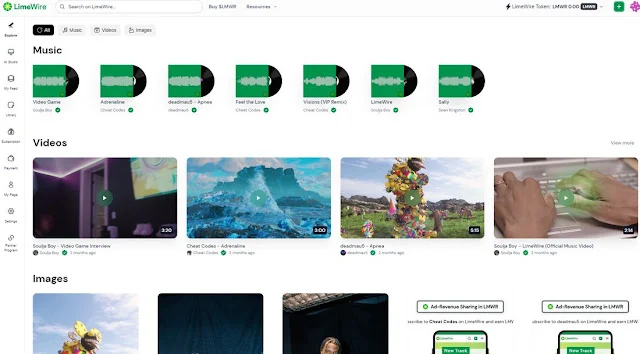
Introduction: A Digital Phoenix Rising
In the early 2000s, the name "LimeWire" was synonymous with the chaotic, decentralized frontier of peer-to-peer file sharing. For a generation of internet users, it was the gateway to digital music libraries and the subject of significant legal turbulence. However, the brand has undergone one of the most radical pivots in tech history. Today, LimeWire has shed its legacy as a file-sharing application to emerge as a sophisticated, Web3-integrated generative AI content publishing platform.
This transformation is not merely aesthetic; it represents a fundamental shift in how digital creators interact with artificial intelligence, blockchain technology, and monetization. By providing a centralized studio where users can generate, publish, and monetize AI-driven content, LimeWire is positioning itself as a cornerstone of the creator economy in the era of synthetic media.
The Chronology of Transformation
To understand the current iteration of LimeWire, one must look at the strategic timeline that brought the platform from the brink of obsolescence to the vanguard of AI innovation.
- The Early Years (2000–2010): LimeWire operated as a dominant Java-based P2P file-sharing client. Its eventual shutdown following prolonged legal battles regarding copyright infringement marked the end of an era for the software.
- The Rebirth (2022): The brand was acquired and repositioned as a mainstream-friendly NFT marketplace, focusing on music and digital collectibles. This served as the bridge between traditional Web2 content and the decentralized Web3 world.
- The AI Pivot (2023–Present): Recognizing the explosive growth of generative AI, the platform launched "LimeWire Studio." This move transitioned the platform from a marketplace for existing assets to a creative engine for AI-generated imagery, with plans for audio and video synthesis.
Main Facts: The Ecosystem of LimeWire Studio
At its core, LimeWire Studio is an all-in-one suite designed to democratize AI creation. Unlike standalone tools that focus solely on image generation, LimeWire integrates the entire lifecycle of a digital asset: generation, ownership, distribution, and monetization.
The Technical Toolkit
The platform currently leverages industry-leading generative models, including Stable Diffusion 2.1, Stable Diffusion XL, and DALL-E 2. By offering these models under a single interface, LimeWire allows users to experiment with varying aesthetic outputs—from cinematic realism to anime-inspired digital art—without needing to manage complex local installations or coding requirements.
Key technical features include:
- Prompt-to-Image Synthesis: Users can create high-fidelity visuals using natural language prompts.
- Style Customization: Integration of specific artistic filters and samplers that refine the quality and texture of output images.
- Proprietary Model Development: LimeWire is currently in the R&D phase of creating its own in-house AI model, which aims to provide users with a unique stylistic signature distinct from existing open-source alternatives.
Supporting Data: Monetization and Creator Economics
What distinguishes LimeWire from competitors like Midjourney or Adobe Firefly is its built-in economic layer. The platform utilizes a revenue-sharing model that incentivizes quality and community engagement.
The LMWR Token Economy
The platform’s native currency, LMWR, serves as the backbone of its financial ecosystem. Earnings are distributed monthly, allowing creators to liquidate their rewards on major exchanges such as Kraken, ByBit, and Uniswap.
Revenue Streams for Creators:
- Ad Revenue Sharing: When creators publish content, they are entitled to a percentage of the ad revenue generated by that content. Depending on the user’s tier, creators can earn between 50% and 70% of the revenue generated by their images, videos, and music.
- NFT Royalties: Every piece of content created on the platform can be automatically minted as an NFT on the Polygon or Algorand blockchains. This creates a digital provenance, ensuring that the creator receives a 2.5% royalty fee every time the asset is traded on the secondary market.
- Subscription Models: Creators can gate their content, offering exclusive "subscriber-only" access to fans, creating a recurring revenue model similar to platforms like Patreon but with the added benefit of blockchain-verified ownership.
Official Stance and Strategic Vision
In official statements, LimeWire leadership emphasizes the concept of "Creator Empowerment." The platform’s vision is to strip away the technical barriers that often keep non-technical artists from participating in the AI revolution. By automating the minting process—removing the need for creators to understand gas fees, smart contracts, or blockchain wallets—LimeWire ensures that the focus remains on creative expression rather than technical overhead.
The platform has already seen early adoption from prominent figures, including Deadmau5, Soulja Boy, and Sean Kingston. These high-profile partnerships serve as a testament to the platform’s viability as a professional-grade hub for artists looking to experiment with digital assets and fan engagement.
Implications for the Creative Landscape
The rise of platforms like LimeWire signals a broader industry trend: the convergence of generative AI and blockchain. This combination addresses two of the most significant challenges in the modern creative economy: content saturation and intellectual property verification.
Democratizing High-Level Tools
By offering free access (including a generous credit-based system for new users), LimeWire effectively lowers the barrier to entry for digital art. Whether a user is a professional graphic designer or a casual creator, the ability to generate and immediately monetize content changes the "why" behind creation. It shifts the focus from hobbyist tinkering to building a sustainable digital portfolio.
The Future of Synthetic Media
The roadmap for LimeWire includes the integration of AI-driven music and video generation. This is a critical next step. As the demand for short-form video content continues to dominate social media algorithms, the ability to generate high-quality, original video content from simple text prompts could disrupt current video production workflows. If LimeWire successfully integrates these tools, it could become the primary "production house" for independent digital creators.
Challenges and Regulatory Considerations
Despite its innovative approach, LimeWire operates in a landscape of increasing regulatory scrutiny regarding AI ethics and copyright. The platform’s reliance on third-party models (like Stable Diffusion) means it is subject to the evolving legal landscape surrounding AI training data. However, by embracing blockchain, LimeWire is positioning itself to be more transparent than many "black box" AI competitors. The use of NFTs provides a clear, immutable ledger of who created what and when, which could eventually serve as a defense in copyright disputes.
Conclusion: A New Era of Artistic Ownership
LimeWire has successfully shed the baggage of its past to become a forward-looking infrastructure for the next generation of digital artists. By bridging the gap between generative AI, decentralized finance, and social networking, it has created a unique "closed-loop" system where creators are rewarded for their imagination.
As the platform continues to refine its proprietary models and expands into video and music, it will be fascinating to see how it scales. Whether you are an artist seeking a new revenue stream, a fan looking to collect rare digital assets, or simply an enthusiast curious about the potential of generative AI, LimeWire offers a robust, accessible, and potentially lucrative environment. The platform is not just changing how we create; it is changing how we value the digital output of human—and machine—ingenuity.
For those looking to step into the future of creative production, the tools are ready. The only remaining variable is the vision of the creator.
 Ammar Sabilarrohman
  Ali Ikhwan
  Pevita Pearce