
 By rifanmuazin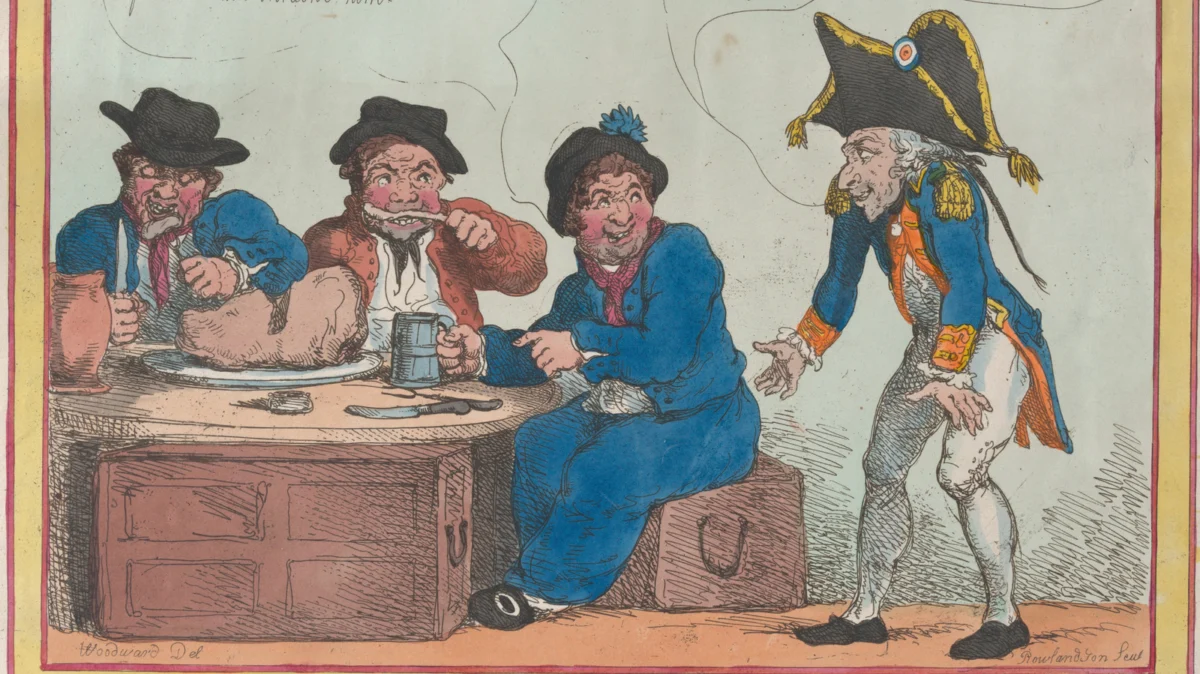
For centuries, the open ocean was a frontier that tested the limits of human endurance. From the golden age of piracy to the disciplined ranks of the Royal Navy, seafarers were united by a singular, grueling challenge: how to sustain life in an environment where fresh resources were virtually non-existent. Before the 19th-century advent of canning and modern refrigeration, the maritime diet was a testament to the extremes of preservation, often bordering on the inedible.
The Foundations of Maritime Rations: Survival Over Sustenance
The logistical reality of long-distance sailing meant that ships were essentially floating time capsules of preserved goods. Because vessels could remain at sea for months, traversing humid climates and stagnant conditions, provisions had to be shelf-stable, dry, and resistant to decay. However, the term "shelf-stable" was often aspirational.
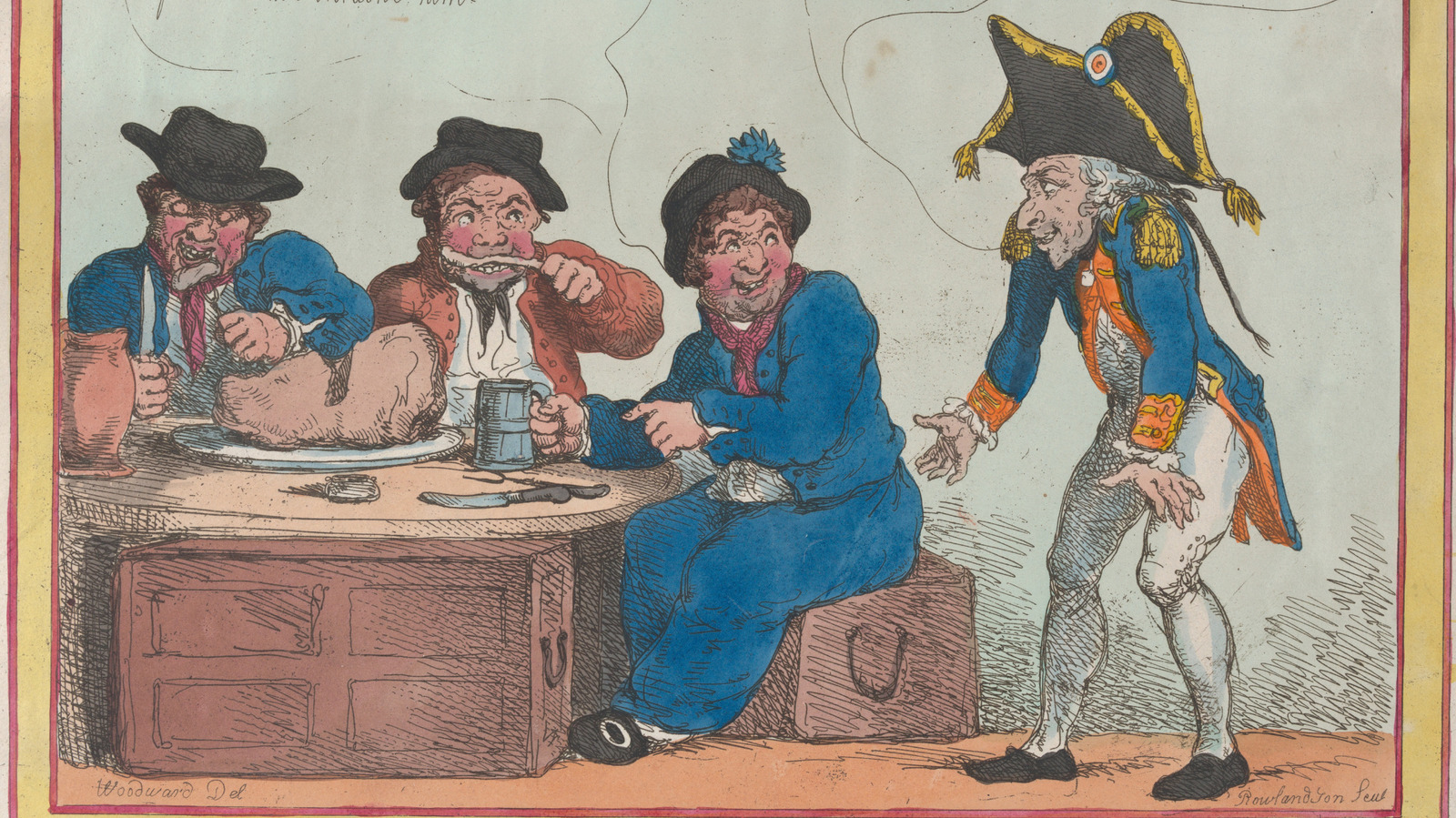
Seafarers frequently faced the grim choice of consuming rancid meat, moldy bread, or weevil-infested grain, or facing the immediate alternative: starvation. Malnutrition was the silent killer of the age, with scurvy and other vitamin deficiencies ravaging crews who lacked access to fresh produce. The history of what sailors ate is not merely a chronicle of recipes, but a narrative of human adaptation against the backdrop of industrial limitations.
Chronology of Consumption: From Barrels to Cans
- 1200s – 1600s: The era of basic survival. Rations were almost entirely limited to dried legumes, hard bread, and salt-cured meats.
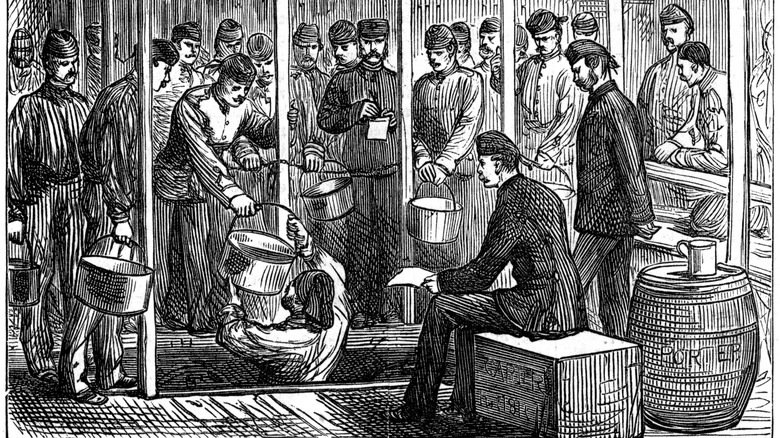
- 1700s: The peak of the Royal Navy’s standardized ration system. Official ledgers tracked the exact distribution of beer, peas, and salt pork.
- Early 1800s: The "Canning Revolution." Triggered by Napoleon Bonaparte’s prize for food preservation, the introduction of tin canisters began to slowly erode the reliance on salted goods.
- Early 20th Century: The transition to fresh, onboard baking and more sophisticated preservation techniques, effectively ending the era of the "hardtack" diet.
The Pillars of the Shipboard Diet
The Ship’s Biscuit: The "Hardtack" Standard
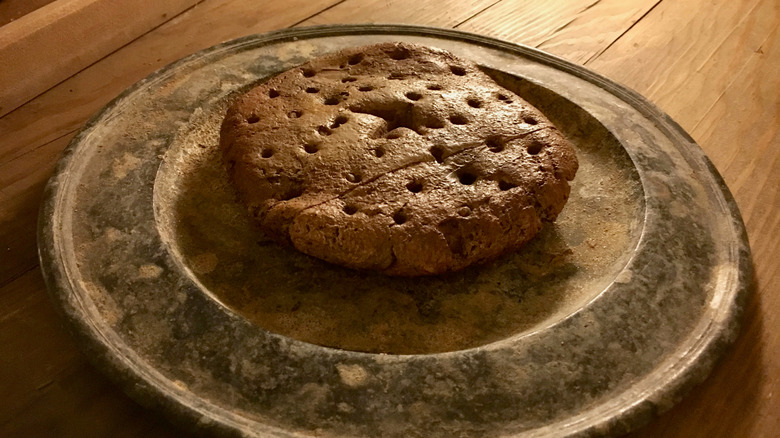
The most iconic, and perhaps most loathed, component of a sailor’s diet was the ship’s biscuit. Composed simply of flour and water, these dense, cracker-like rounds were baked until completely moisture-free. Their longevity was their greatest asset, capable of remaining "edible" for months, or even years. However, their texture earned them the nickname "hardtack."
So hard were these biscuits that they were often broken with a hammer or soaked in beer or soup just to make them chewable. The holes poked into the top were not decorative; they were a calculated baking technique to ensure even moisture release, preventing rot. For the Royal Navy sailor, one pound of these biscuits accompanied their daily gallon of "small beer," a low-alcohol beverage preferred over water, which notoriously turned slimy and dangerous in storage barrels.
The Protein Cycle: Salt Pork and Salt Beef
Protein was non-negotiable for men engaged in the heavy physical labor of sailing, but fresh meat was impossible to keep. The solution was massive quantities of salt. Pork and beef were packed into barrels with alternating layers of coarse salt—sometimes at a ratio of half a pound of salt per pound of meat.
This process drew the moisture out of the flesh, rendering it effectively sterile but also incredibly abrasive. To prepare a meal, the meat required extensive boiling in fresh water to leach out the salt. These proteins formed the base of the ship’s stews, providing necessary fats and calories, even if the taste remained aggressively saline.
The Role of Legumes and Dairy
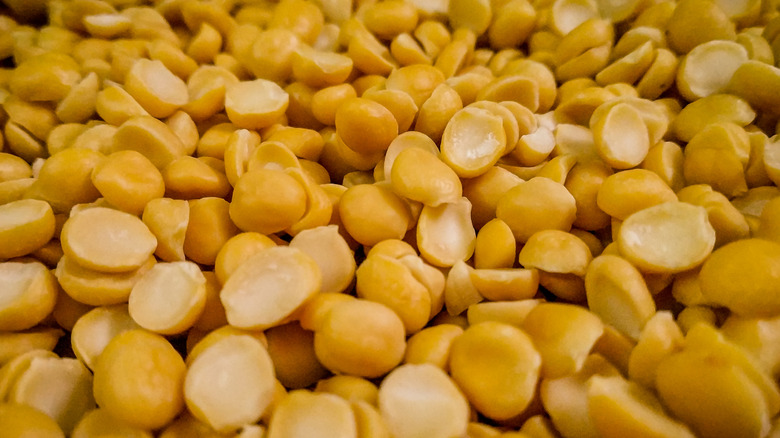
Vegetables were nearly absent from the hold, with one notable exception: peas. Dried peas were a primary ration because they could be stored in bulk and boiled into a thick, caloric gruel. In the 18th century, a pint of peas was a standard daily allotment for Royal Navy sailors.
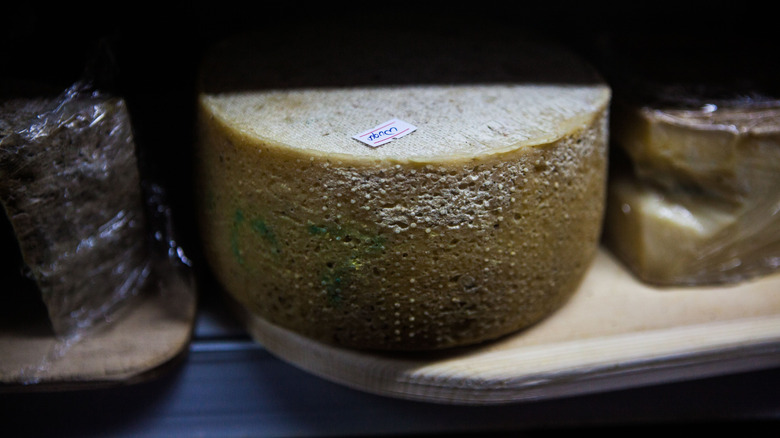
Dairy also played a strange, if difficult, role. Butter and cheese were carried in large quantities. The famous "Suffolk cheese," a staple of the English Navy, was notorious for being so hard and dry that it was described as nearly indigestible. Sailors often joked that the cheese was better suited for repairing the ship’s hull than for human consumption.
Culinary Improvisation: Pirate Fare and Shipboard Stews
While the Navy relied on rigid, repetitive rations, pirates and merchant smugglers often exercised more creativity. Because their supply chains were less formal, they were forced to innovate, leading to dishes like salamagundi.
Salamagundi was, in effect, an early, haphazard form of a charcuterie board. It combined whatever fruits, vegetables, and cured meats were scavenged in port cities into an artfully arranged platter. It was a rare moment of variety in a life defined by monotony.
The Stews: Lobscouse, Burgoo, and Slumguillion
The prevalence of boiling as the primary cooking method led to the development of the "ship’s stew."
- Lobscouse: A hearty stew of beef, onions, and vegetables (when available), thickened with hardtack. It was so popular it spawned regional variations across Northern Europe, such as the Norwegian Lapskaus.
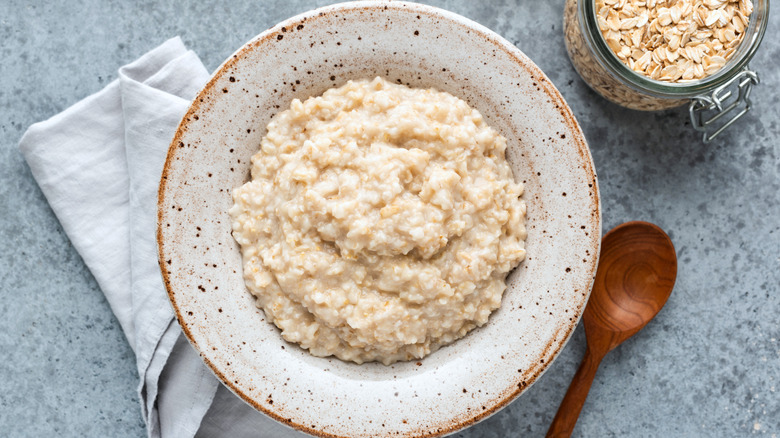
- Burgoo: Originally a sailor’s porridge made of oats, butter, and sugar. It provided a rare sweet respite from the savory, salty diet and was highly prized by crews.
- Slumguillion: The "bottom of the barrel" stew. Often made of nothing more than broken-up hardtack and leftover salt meat, it was the definition of survivalist cooking.
Supporting Data: Nutritional Implications
The long-term health consequences of this diet were severe. The reliance on salt-cured, shelf-stable foods meant that sailors were almost entirely devoid of Vitamin C, leading to the devastating prevalence of scurvy. While beer was believed to have some protective qualities, it was the later discovery of the necessity of citrus and fresh greens that finally turned the tide against maritime malnutrition.
Furthermore, the "small beer" ration was not merely a source of recreation. With an alcohol content of roughly 1%, it served as a vital caloric supplement. In a world where the water supply was consistently contaminated by bacteria and organic growth, the fermentation process of beer provided a necessary layer of safety.

Official Responses and Tactical Shifts
By the mid-19th century, the shift in maritime culture was palpable. The British Admiralty and other world navies began to realize that a well-fed crew was a more efficient and less rebellious one. The introduction of canned meats—initially developed as a military challenge to better feed Napoleon’s troops—revolutionized the sector.
As preservation techniques improved, the "repetitive cycle" of salt pork and hardtack was systematically phased out. By the early 20th century, the presence of onboard ovens capable of baking fresh bread and the ability to carry a wider variety of preserved, rather than merely salted, goods transformed the ship’s galley from a place of mere utility to one of genuine sustenance.
Implications for Modern Maritime Logistics
The history of what sailors ate informs our modern understanding of long-term food preservation. The lessons learned from the failures of the 18th-century ration system—specifically regarding the importance of nutrient density and food safety—laid the groundwork for modern emergency food supplies and space-age nutrition.
Today, we view the diet of the historical sailor as a grim chapter in maritime history. However, it was also a period of remarkable human ingenuity. The ability of crews to transform dry, moldy, and unpalatable ingredients into dishes like lobscouse or plum duff speaks to the resilience of the human spirit. They were not just surviving the sea; they were building a culture of culinary adaptation that allowed them to conquer the most inhospitable environment on Earth. In the end, the history of the ship’s galley is the history of the sailors themselves: tough, uncompromising, and relentlessly inventive in the face of impossible odds.
 Raul Delapena Setiawan
  Basiran
  Nana
Nana 