
 By Jia Lissa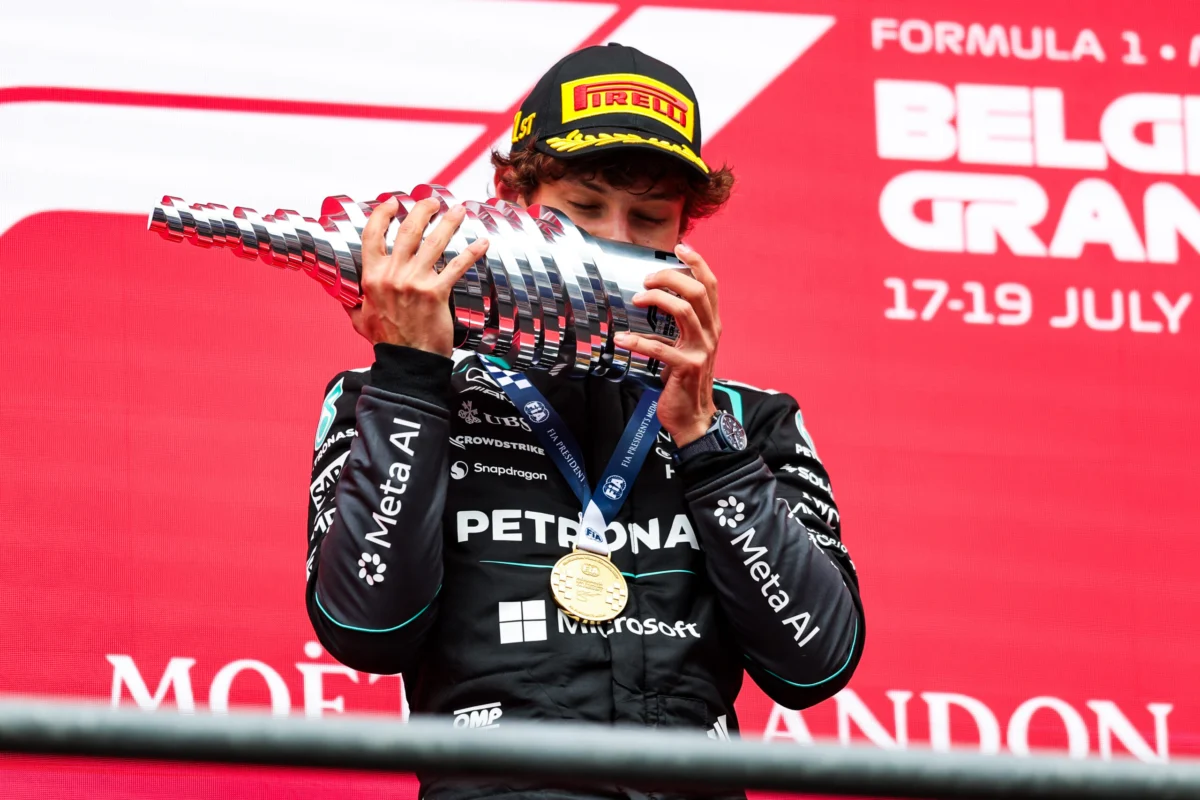
SPA-FRANCORCHAMPS, Belgium — At the storied Spa-Francorchamps circuit, the roar of Formula 1 engines is typically the only soundtrack that matters. However, during the 2026 Belgian Grand Prix, a new, more refined sensory experience took center stage. As Moët & Chandon returned for its second consecutive year as the event’s title sponsor, the brand proved that the intersection of high-speed engineering and heritage craftsmanship is not just a marketing slogan, but a living, breathing reality.
The weekend was marked by the debut of "The Out Lap," an exclusive, high-concept culinary journey that transformed the track into a theater of gastronomy. This initiative, part of a broader 10-year global luxury partnership between LVMH Moët Hennessy Louis Vuitton and Formula 1, underscores a strategic shift: moving away from passive brand placement toward deep, experiential integration.
The Convergence of Precision and Palate
The centerpiece of this year’s activation was "The Out Lap," a bespoke, glass-walled mobile dining experience that traversed the legendary Belgian circuit. This was no ordinary hospitality suite; it was a carefully curated, moveable feast designed to marry the adrenaline of motorsport with the refined artistry of French fine dining.
Michelin-starred chef Yannick Alléno, a long-term partner of the Champagne house, collaborated with Benoît Gouez, Moët & Chandon’s chef de cave, to curate a menu that mirrored the complexity of the sport itself. Guests were treated to exquisite pairings, such as wagyu beef, foie gras, and glazed eel, meticulously matched with the Grand Vintage Collection 1996 Champagne. The selection of a 1996 vintage was a deliberate nod to the brand’s history, bridging the gap between the golden era of F1 and its modern, data-driven evolution.

For three exclusive sessions across Friday and Saturday, groups of 12 guests were taken on a lap of the historic circuit. The journey was narrated by F1 royalty, including former drivers Jacques Villeneuve, Karun Chandhok, and Naomi Schiff, alongside the unmistakable voice of commentator David Croft. As the bus navigated the treacherous Eau Rouge and the winding forest stretches of Spa, the hosts shared intimate stories of the track’s history, turning a transit into a masterclass in motorsport lore.
A Chronology of Collaboration: From Tradition to Transformation
The partnership between Moët & Chandon and Formula 1 is deeply rooted, yet it has undergone a radical metamorphosis. Between 1981 and 1997, the house was the official Champagne of the sport, a period defined by iconic podium celebrations. After a long hiatus, the return of the brand in 2025 was initially focused on highlighting this historical pedigree.
By 2026, the strategy shifted from "returning" to "belonging." Sibylle Scherer, CEO of Moët & Chandon, explains that the goal was to integrate into the fabric of the sport rather than simply occupy space on a billboard.
"This year, we are approaching it with even more emotion," Scherer said during an interview at the F1 paddock. "We learned how we fit in. It’s not about sticking a logo there; it’s about how we become a meaningful part of the tapestry."

This evolution was physically represented by the return of the "Silver Trophy"—a sculpted silver Jeroboam that harks back to the 1996 and 1997 seasons. In a cinematic moment of tradition meeting modernity, the trophy was transported from the Château de Saran in the heart of the Champagne region to Spa in the trunk of a vintage Mercedes-Benz 600 Pullman, a vehicle once favored by legends like Alain Prost. When Kimi Antonelli hoisted the trophy following his victory over Charles Leclerc and Max Verstappen, it served as a symbolic bridge between the sport’s past and its future stars.
Supporting Data and Market Reach
The scale of this partnership is commensurate with the sport’s meteoric rise in global popularity. In 2025, the first year of the LVMH-F1 alliance, the sport’s global fanbase swelled to 827 million people—a 63 percent increase since 2018. The Belgian Grand Prix itself remains a primary pillar of this growth, drawing a record-breaking 400,000 attendees this year, including luminaries like King Philippe of Belgium and cultural icons such as the rapper Stromae.
The economic implications for Moët & Chandon are tracked through rigorous key performance indicators (KPIs). According to internal studies conducted by F1, one in three fans now cite Moët & Chandon as their favorite Champagne brand—a significant jump in brand sentiment since the inception of the current partnership.
"We measure everything: visibility, earned media, consumer engagement, and brand consideration," Scherer noted. "The first signals are super positive. No one questions our presence anymore; we are viewed as an authentic, foundational part of the sport."

However, this growth occurs against a backdrop of global economic headwinds. The Comité Champagne has reported a flattening of global shipments, following a 2 percent decline in 2025. The industry is also grappling with the existential threat of climate change. Record heatwaves and erratic weather patterns have forced the brand to adapt its viticultural practices, including shifting harvest times to the early hours of the morning—sometimes as early as 4:30 a.m.—to protect both the grapes and the workforce.
Official Perspectives: The Synergy of Collectives
The synergy between the pit crew and the cellar is a recurring theme in Scherer’s vision for the brand. She draws a direct parallel between the precision required to engineer a championship-winning car and the meticulous process of crafting a world-class Champagne.
"Formula 1 creates these extraordinary, high-speed performances, but behind every driver is a collective," Scherer said. "There are hundreds of engineers, mechanics, and strategists working with incredible precision. That resonates strongly with us because it is the same collective effort required from our vineyards to our cellars."
This sentiment is echoed by the athletes themselves. The authenticity of the partnership is evidenced by the spontaneous, unscripted moments, such as winner Kimi Antonelli dedicating his podium victory to his father, or drivers gifting magnums of Moët & Chandon to their entire race teams during the off-season. These personal connections validate the brand’s efforts to move beyond transactional sponsorship into genuine integration.

Implications for the Future of Luxury Sponsorship
The success of the "Out Lap" and the wider LVMH House—which provides a rotating, immersive showcase of Louis Vuitton, Moët Hennessy, and Tag Heuer craftsmanship—signals a new era for sports marketing. As these concepts move to the upcoming Grand Prix destinations in the Netherlands, Italy, and Spain, they are setting a new standard for luxury hospitality in sports.
Looking ahead, the strategy is clearly focused on "value over volume." While the brand is expanding its footprint in emerging markets like Southeast Asia and Africa, it remains tethered to the principle of scarcity and desirability. The goal is to remain agile, experimenting with new grape varieties and vineyard techniques to combat climate change, while ensuring that the brand’s relevance in the luxury sector remains undisputed.
As the 2026 season progresses, the LVMH-F1 deal is proving to be a masterclass in long-term brand building. By moving past the traditional "logo-slapping" model of sports sponsorship and into a world of curated, high-end experiences, Moët & Chandon has successfully repositioned itself not just as a drink for winners, but as a central player in the narrative of Formula 1.
In a world where digital engagement is often fleeting, the sensory reality of a glass of Champagne on a moving bus, accompanied by the stories of legends on the most challenging track in the world, creates a resonance that data cannot fully capture. It is, in every sense, a lap of luxury that shows no sign of slowing down.
 Neng Nana
  Ali Ikhwan
  Lina Hope