
 By Lina Irawan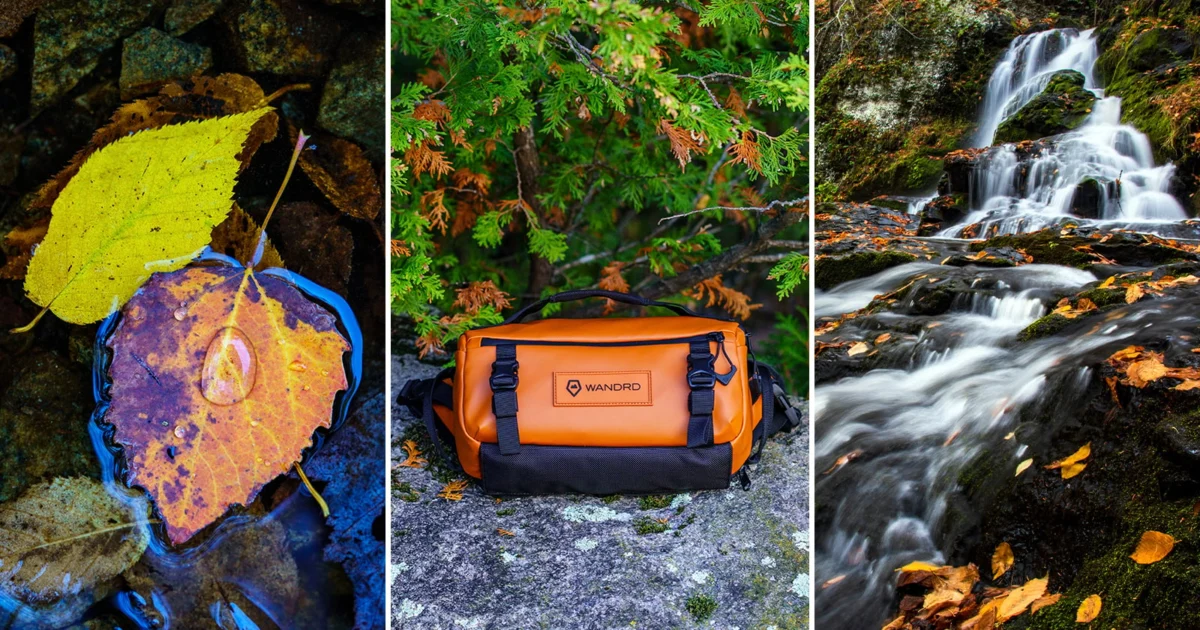
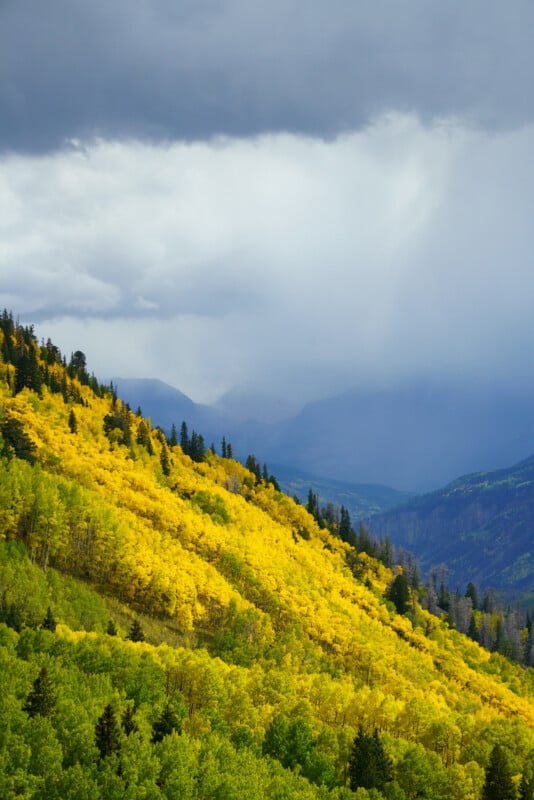
As the crisp air of autumn sweeps across the landscape, transforming lush green canopies into vibrant tapestries of crimson, burnt orange, and golden yellow, photographers face a fleeting yet magnificent window of creativity. For professional nature and landscape photographer Kate Garibaldi, preparing for the autumn season requires a calculated balance of mobility, versatility, and optical precision.
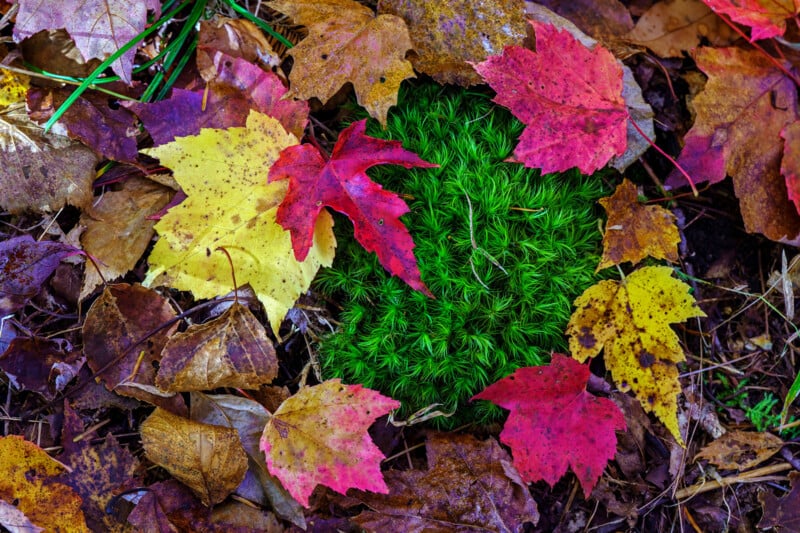
Capturing the essence of fall is rarely as simple as heading out with a standard landscape lens. From capturing the majestic migration of elk against misty timberlines to highlighting microscopic dew droplets resting on a fallen maple leaf, a successful autumn shoot demands a modular approach to gear. Below is an in-depth look at Garibaldi’s field-tested strategy for curating her seasonal kit, detailing the specific camera bodies, dual-bag configurations, optical filters, power solutions, and behind-the-scenes tools that turn fleeting autumnal light into enduring art.
The Dual-Bag Strategy: Balancing Mobility and Reach
One of the most common pitfalls for outdoor photographers is overpacking or, conversely, leaving behind essential focal lengths. Garibaldi solves this dilemma by employing two distinct camera bag setups depending on the primary objective of the excursion. While her core accessories, filters, and cleaning supplies remain constant, the choice of transport vessel dictates her range of creative expression on the trail.
1. The Lightweight Landscape Setup: WANDRD Rogue Sling 9L
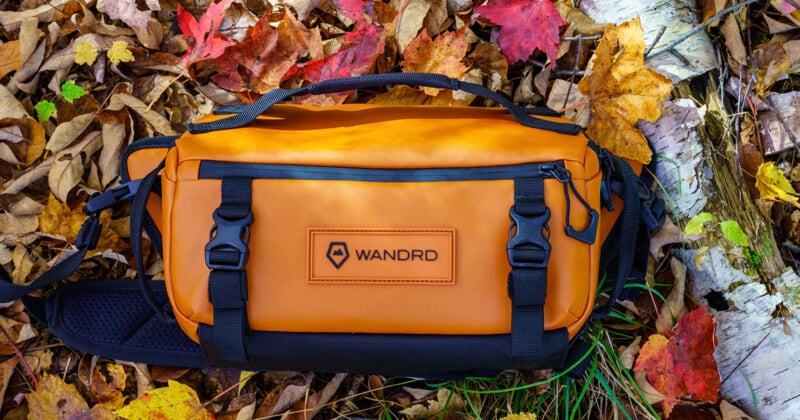
When the day’s itinerary is dedicated purely to expansive landscapes, meandering streams, and intimate woodland scenes where heavy telephoto glass is unnecessary, Garibaldi reaches for the WANDRD Rogue Sling 9L in Sedona Orange (supplemented by a second unit in Yuma Tan).
Weighing down a pack on a long-distance hike can quickly drain a photographer’s energy. The sling bag format offers a streamlined profile with an impressive array of internal pockets. This structural organization allows for effortless access to secondary accessories—such as filters, extra batteries, and cleaning kits—without the need to take off a bulky backpack. It is an ideal configuration for nimble, fast-paced exploration where viewpoints shift rapidly.
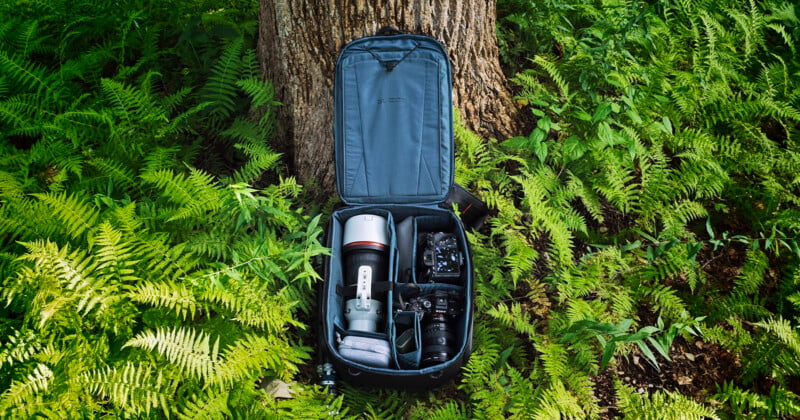
2. The Wilderness & Wildlife Configuration: PGYTECH OneMo 2
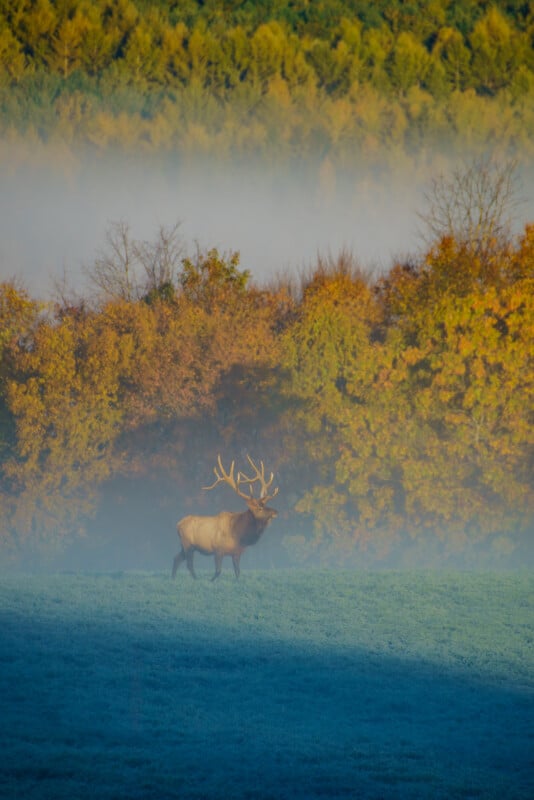
When the autumn itinerary calls for tracking fauna—such as elk bugling in the crisp mountain air—Garibaldi scales up to the PGYTECH OneMo 2. This larger backpack acts as her "kitchen sink" setup, capable of safely housing heavy telephoto glass alongside her standard landscape gear. The primary differentiator between her lightweight sling and her large-format backpack is the inclusion of long-reach focal lengths, transforming a regional landscape hike into a comprehensive wildlife expedition.

Core Camera and Optic Arsenal
Garibaldi’s current camera system is anchored by the high-resolution Sony a7R IV, a body chosen for its immense dynamic range and cropping flexibility, which is invaluable in both macro and distant wildlife scenarios.
Because she frequently evaluates and reviews equipment for editorial outlets, her lens selection remains dynamic. However, her field-tested favorites include:
- Tamron 90mm f/2.8 Di III Macro VXD: An exceptional optic for sharp, close-up details of forest flora, textured fungi, and intricate leaf geometries.
- Viltrox AF 56mm f/1.7 & Viltrox AF 20mm f/2.8: Lightweight prime options that offer brilliant sharpness and low-light performance without adding unnecessary bulk to the pack.
- Sigma 50-500mm: Her heavy-duty reach weapon for isolating distant ridgelines and capturing intimate wildlife portraits framed by autumn canopies.
Stabilization: Choosing the Right Carbon Fiber Support
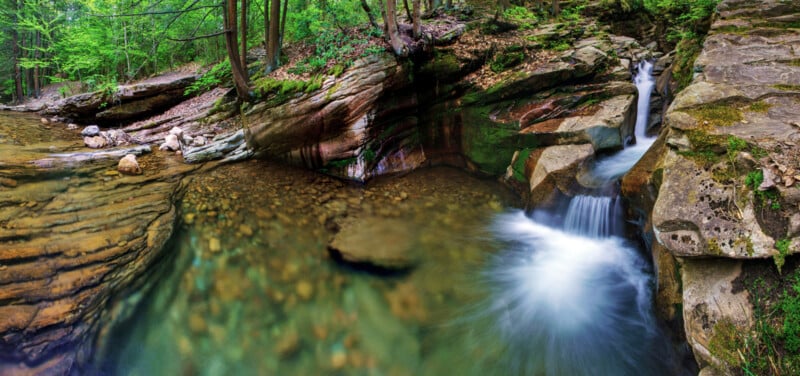
A sturdy tripod is an indispensable companion for autumn photography. Fall weather often introduces challenging lighting conditions beneath dense forest canopies, requiring slower shutter speeds to maintain optimal ISO levels and deep depth of field. Furthermore, intentional motion blur—such as silky cascading waterfalls—demands absolute rock-solid stability.
Garibaldi balances rigidity with weight by utilizing two distinct carbon fiber tripods:
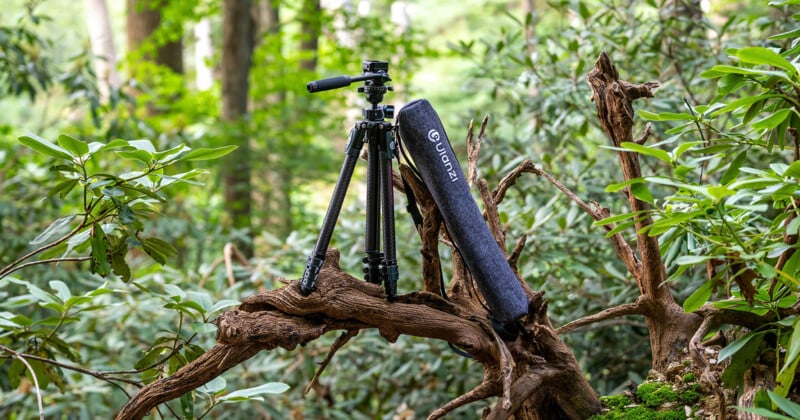
- Ulanzi JJ06: Employed when she needs maximum physical heft and stability from thicker leg sections, ensuring zero camera shake in adverse weather or windy clearings.
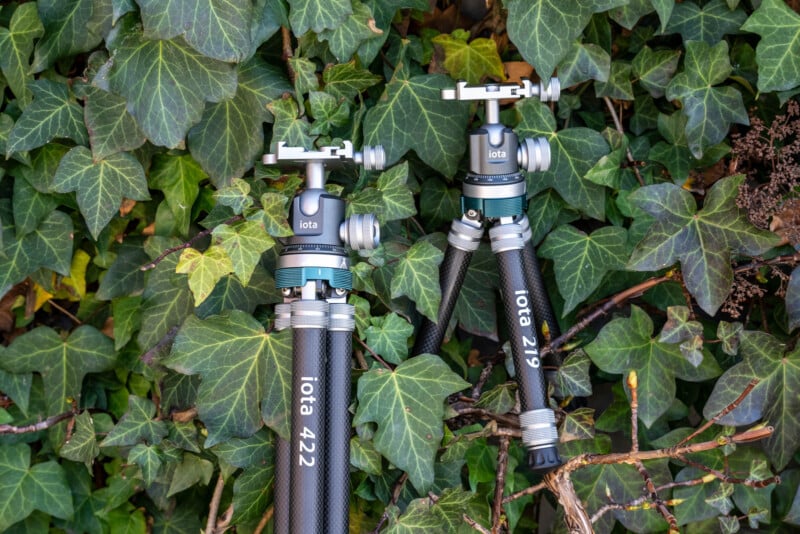
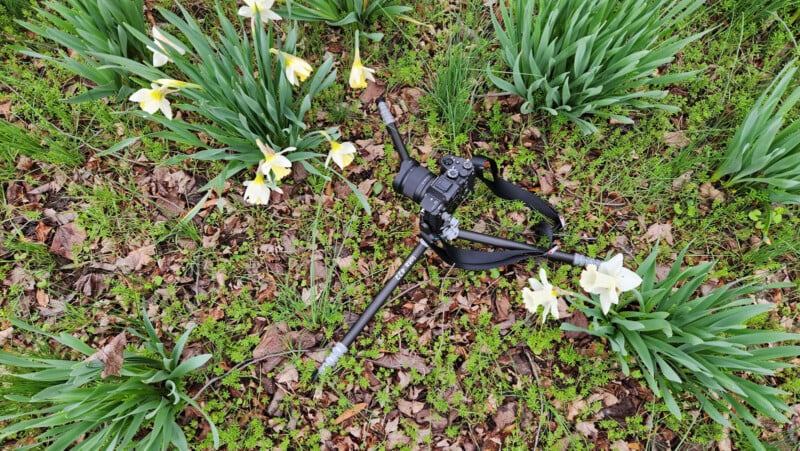
- Promaster Iota 422: Her choice for ultra-mobile, lightweight excursions where reducing pack weight is prioritized over heavy-duty wind resistance.
This calculated flexibility prevents the grueling exhaustion of hauling a heavy-duty studio tripod across miles of uneven hiking trails while ensuring her gear remains secure during long exposures.
Optical Management: Filters for Wet and Dynamic Environments
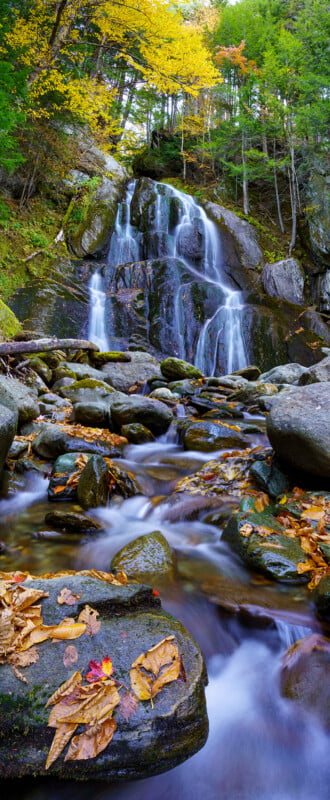
Autumn photography frequently draws creators to wet environments—rushing rivers, misty waterfalls, and rain-kissed forest floors. Controlling glare and managing shutter speeds in these reflective conditions requires a specialized filtration kit.
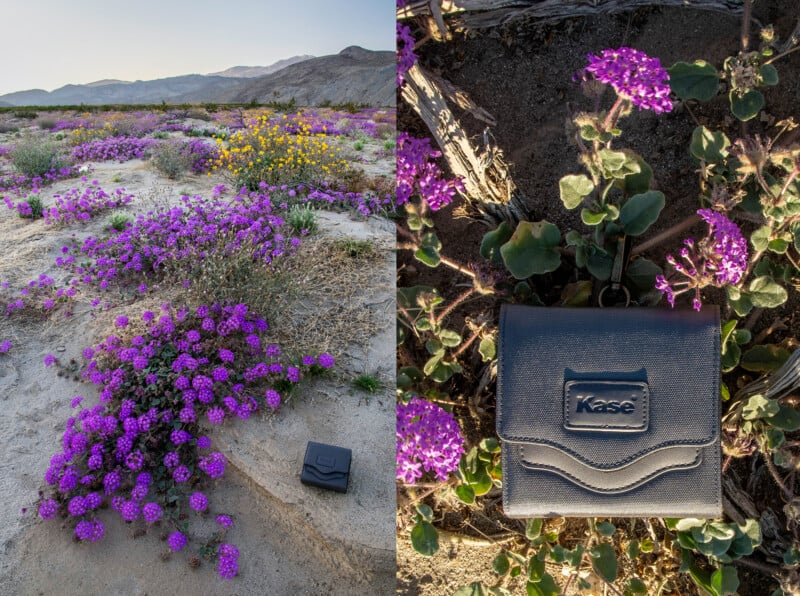
Garibaldi relies primarily on Kase KW Magnetic Filters, housed in an organized, quick-deploy pouch, paired with a classic B+W Circular Polarizer (CPL).
The Power of the Circular Polarizer
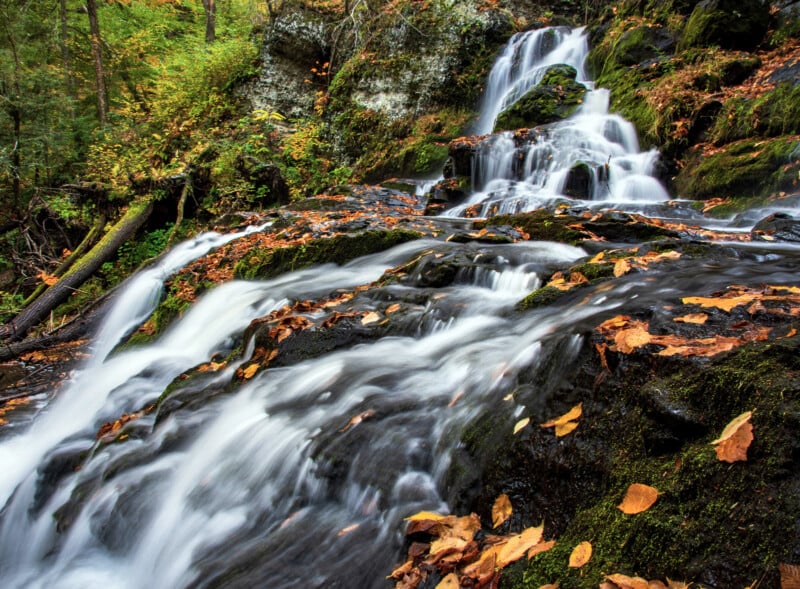
The CPL is arguably the most critical filter in an outdoor photographer’s arsenal. By rotating the glass element, Garibaldi can systematically cut polarized light bouncing off wet rocks, sleek foliage, and the surface of shallow streams. This reduction in surface glare unlocks rich, saturated color hidden beneath wet leaves and reveals the riverbed details that would otherwise wash out under harsh daylight.
Neutral Density (ND) Filters for Creative Motion
To achieve the classic, velvety aesthetic associated with waterfall photography, Garibaldi utilizes variable or fixed ND filters. Acting essentially as sunglasses for the camera lens, these pieces of glass reduce the incoming light volume, enabling shutter speeds long enough to turn rushing whitewater into soft, ethereal silk while preserving the sharp textures of surrounding autumn leaves.
Essential Field Accessories and Weather Protection
Operating in remote wilderness areas during the transitional autumn months requires proactive gear management. Garibaldi’s bag permanently houses a series of compact, high-utility accessories designed to solve environmental hurdles on the fly:
- Cleaning Supplies: A mini spray bottle (which serves the dual purpose of adding fresh dew drops to leaves or clearing dust), a duster, professional lens wipes, and high-grade microfiber cloths. Waterfall spray and dusty trails can quickly compromise image sharpness; keeping the front element spotless is non-negotiable.
- Weather Sealing: A compact, packable camera rain cover and a pocket-sized emergency poncho. Mountain weather is notoriously capricious; sudden downpours or heavy river mist can threaten gear worth thousands of dollars in seconds.
- Miniature Reflector/Scrim: A pocket-sized collapsible reflector is vital for macro photography. It allows her to act as her own lighting director—either diffusing harsh overhead sunlight acting as a harsh spot or bouncing ambient light back into the shadowed crevices of forest undergrowth.
Power Management in Sub-Optimal Temperatures
One of the most overlooked variables in cold-weather photography is battery depletion. Lithium-ion camera batteries naturally lose efficiency as temperatures drop, and an active day of recording 4K video alongside continuous high-speed burst shooting can drain power reserves rapidly.
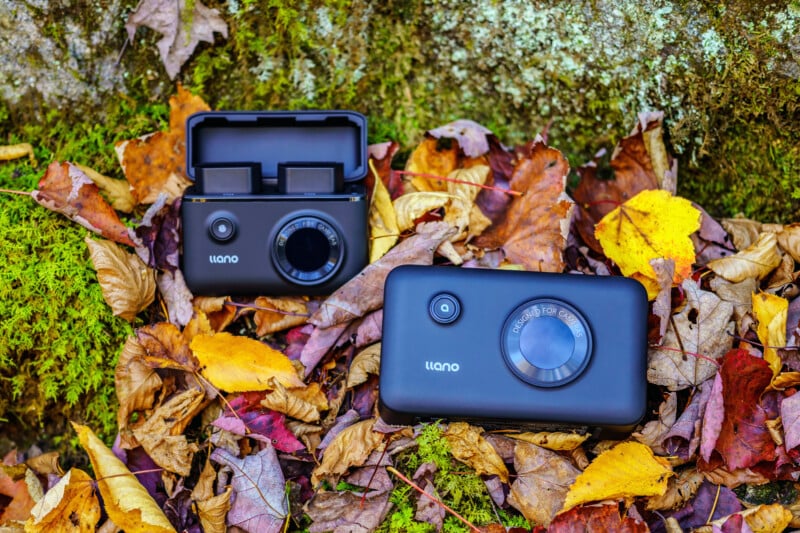
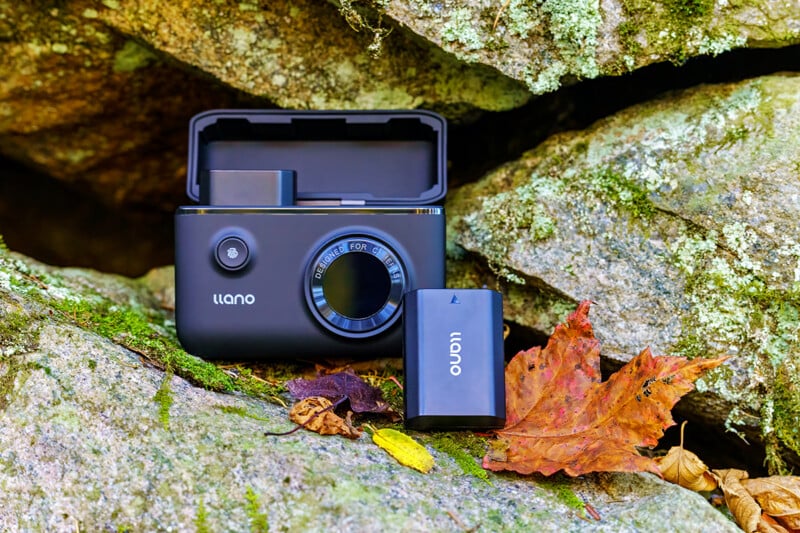
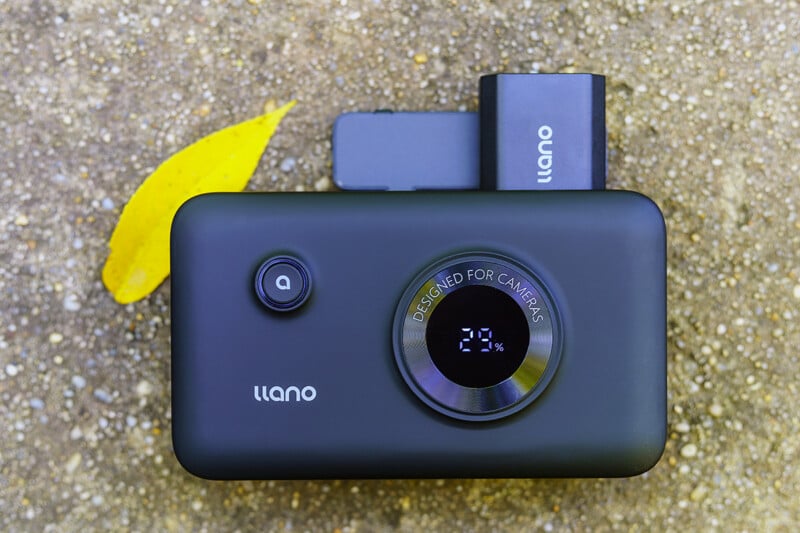
To combat this, Garibaldi relies on Llano battery systems and multi-slot charging cases for her Sony NP-FZ100 batteries. By carrying third-party batteries that often outlast OEM equivalents and utilizing high-capacity charging cases with built-in power banks, she establishes a continuous rotation loop. Spent batteries are immediately swapped into the charging case while fully charged power cells go straight into the camera body. This self-sustaining ecosystem is critical during backcountry camping trips where grid power is non-existent.
Hybrid Capture: External Monitors and Gimbal Cameras
Modern nature photography frequently transcends static print, expanding rapidly into digital storytelling and social media content creation.
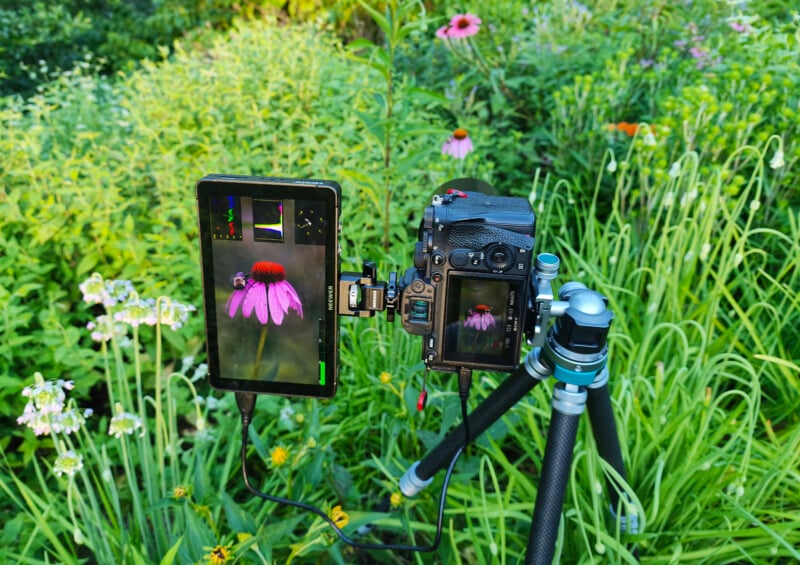
- External Monitors (Neewer F700U OLED): For critical focus peaking and precise composition checks, Garibaldi utilizes a dedicated external monitor. Relying solely on a small camera LCD screen in bright outdoor conditions can lead to missed focus errors. A larger, high-definition display ensures that both still images and video footage are razor-sharp before leaving the location.
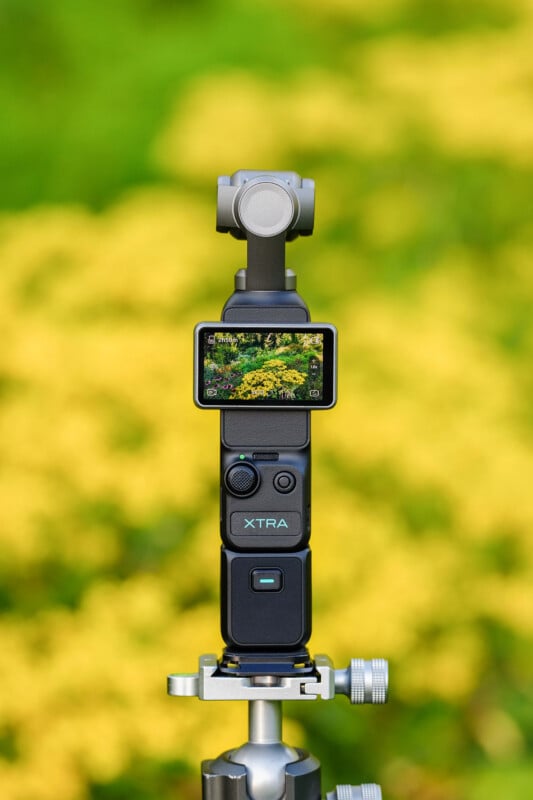
- Compact Gimbal Cameras: To document her creative process and provide authentic behind-the-scenes context, she carries a pocket-sized gimbal camera. In an era where online audiences frequently question whether nature photography is AI-generated, sharing unedited, moving-image footage of the physical environment serves as undeniable proof of the tangible reality of her compositions. Furthermore, it educates viewers on how she navigates from a sweeping vista down to an intimate macro frame.
Conclusion: Flexibility is the Ultimate Tool
Kate Garibaldi’s meticulously curated autumn kit underscores a fundamental truth of professional outdoor photography: there is no single, rigid formula for success. Fall foliage offers a breathtaking yet punishingly short creative window defined by shifting weather, fleeting light, and unpredictable wildlife encounters.
By maintaining a modular system—scaling down to a lightweight sling for agile landscape walks or scaling up to a full-featured backpack for remote wildlife tracking—she ensures that she is never overburdened by excess weight, yet never underequipped for the magic she might encounter along the trail.
 Nila Kartika Wati
  rifanmuazin