
 By Ammar Sabilarrohman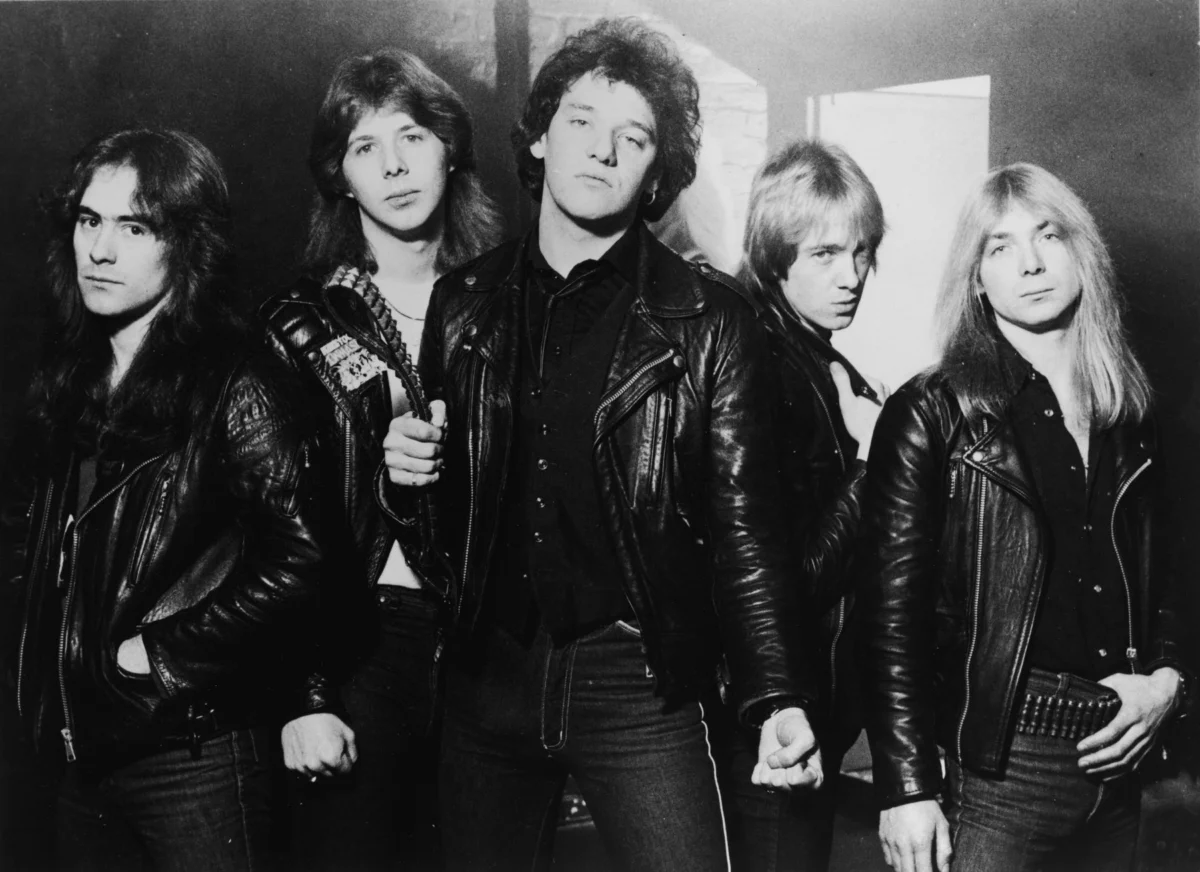
The Digital Lockdown: Iron Maiden’s Strategic Move in Paris
Heavy metal legends Iron Maiden have taken a decisive step toward preserving the sanctity of their live performance experience. The band has officially announced that their upcoming concert at the La Défense Arena in Paris, scheduled for Monday, June 22, will be a strictly phone-free event for all fans situated within the standing and General Admission areas. This measure is not merely a request for decorum; it is a calculated operational decision to ensure the highest possible quality for the professional filming of their highly anticipated "Run For Your Lives" tour concert film.
By partnering with Yondr, the industry leader in secure, lockable mobile storage, the band is effectively removing the distraction of glowing screens and recording devices from the most energetic part of the venue. For the thousands of fans attending this landmark show, the evening will serve as a throwback to the concert experiences of the 1980s—an era when the music was captured in memories and adrenaline rather than on social media feeds.
A Chronology of the "Run For Your Lives" Phenomenon
To understand the gravity of this decision, one must look at the trajectory of the "Run For Your Lives" tour. Announced in September 2024, the tour was designed as a sprawling, globe-spanning celebration of the band’s 50-year legacy. Formed in Leyton, East London, in 1975, Iron Maiden has evolved from pub circuit staples to global heavy metal icons.
The "Run For Your Lives" tour was built upon a specific, nostalgic premise: a setlist culled exclusively from their first nine studio albums. This decision was a direct response to the fervent demand from the "Maiden faithful" for a return to the roots of the New Wave of British Heavy Metal (NWOBHM). The tour launched in 2025, and from its inception, the band’s management issued gentle reminders for fans to "put your phones away."
As the tour progressed through 2025 and into the 2026 European leg, it became clear that the band’s philosophy toward live music—prioritizing the visceral connection between performer and audience—was clashing with the modern reality of smartphone-dominated concert attendance. The Paris filming date represents the apex of this philosophy, transitioning from a "preferred" behavior to a mandatory policy.
Supporting Data: A Record-Breaking Campaign
The success of the "Run For Your Lives" tour is not merely anecdotal; the financial and statistical data solidify its status as one of the most successful rock tours of the decade. According to Billboard’s reporting, the tour generated approximately $150.9 million in revenue, supported by the sale of 1.5 million tickets.
This financial juggernaut placed the tour firmly in the Top 3 of the 2025 Top Rock Tours chart. The data reflects a band that, despite five decades in the spotlight, has never been more relevant. The tour’s expansion into North America, Central and South America, and Oceania demonstrates that the hunger for Iron Maiden’s classic material remains insatiable.
The setlist, which has been the heartbeat of this tour, features rare gems such as "Infinite Dreams" from the 1988 album Seventh Son of a Seventh Son, which was performed live for the first time in 38 years. These inclusions, alongside staples like "The Number of the Beast," "Run to the Hills," "The Trooper," and "Hallowed Be Thy Name," have been instrumental in driving the massive ticket sales that characterize this tour cycle.
Furthermore, the band’s historical performance on the charts remains formidable. With over 100 million albums sold worldwide and 29 entries on the Billboard 200, Iron Maiden’s legacy is as robust as ever. Their 2021 release, Senjutsu, hit No. 3 on the U.S. charts—the highest position of their career—proving that while the band celebrates their past, their present output remains commercially viable and critically respected.
The Mechanics of the "Yondr" Protocol
The implementation of the phone-free policy in Paris involves a meticulous logistical operation. Upon arrival at the La Défense Arena, attendees with tickets for the General Admission and standing sections will be required to place their smartphones into specialized Yondr pouches.

These pouches, which lock upon closing, remain in the possession of the fan throughout the concert. The technology is designed to be user-friendly, allowing the device to be unlocked instantly by staff at exit stations once the show concludes. For those concerned about emergencies or essential connectivity, the arena will provide clearly marked, designated phone-use areas where patrons can step away to use their devices.
Importantly, the band has advised that fans will need to rely on physical payment methods, such as debit or credit cards, for concessions and merchandise, as the absence of digital wallets will render mobile payment apps inaccessible within the designated zones. This shift in logistics underscores the band’s commitment to creating an environment where the focus remains entirely on the stage.
Official Stance and Philosophical Implications
The official statement from the band regarding the Paris show is clear: "The standing/General Admission area in La Défense Arena will be entirely phone-free to make sure the experience is optimal for the live recording of the Run For Your Lives Tour film."
This decision carries significant implications for the future of live music. By effectively banning smartphones in the most active area of the arena, Iron Maiden is challenging the prevailing culture of "documentation-first" concert-going. In an age where a concert is often experienced through the frame of a phone screen, the band is forcing a return to active, immersive participation.
Industry experts have long debated the impact of smartphones on the live experience. While some argue that recording provides a lasting memory, artists like Iron Maiden argue that the physical presence of thousands of phones creates a visual distraction and thwarts the spontaneous, collective energy of a live show. By filming a "phone-free" performance, the band is essentially producing a documentary that captures the audience as they truly are: uninhibited, present, and engaged.
Looking Toward the Future: The 2027 Hiatus
The Paris concert is a pivotal moment in the final act of this massive touring cycle. With the Australian dates in November 2026 serving as the final stop for the "Run For Your Lives" tour, the band is setting the stage for a well-deserved hiatus in 2027.
The decision to film this specific show suggests that the band intends to leave behind a definitive visual record of this era—a time capsule of a band that, 50 years into its existence, still commands the global stage with unrivaled authority. As they prepare to step back from the road, the "phone-free" policy in Paris serves as a final, defiant statement: Iron Maiden is not interested in being a social media trend; they are interested in the raw, unfiltered power of heavy metal music.
As fans prepare for the Paris show, the atmosphere is expected to be electric. Without the glow of thousands of screens, the stage production—already renowned for its theatricality and iconic mascot, Eddie—will undoubtedly take on a new, more immersive dimension. For the thousands of fans in the pit, the memory of that night will exist in their minds, not in their camera rolls, ensuring that the legacy of the "Run For Your Lives" tour is defined by the experience itself rather than its digital footprint.
This, perhaps, is the ultimate testament to Iron Maiden’s enduring philosophy: the music comes first, the spectacle is second, and the audience’s presence is the essential, final ingredient that makes the magic possible. As the band looks toward their 2027 hiatus, they remain, as they have always been, masters of their own destiny, shaping the way their legacy is documented and remembered for generations of metal fans to come.
 Ali Ikhwan
  Suro Senen
  Reynand Wu