
 By Asep Darmawan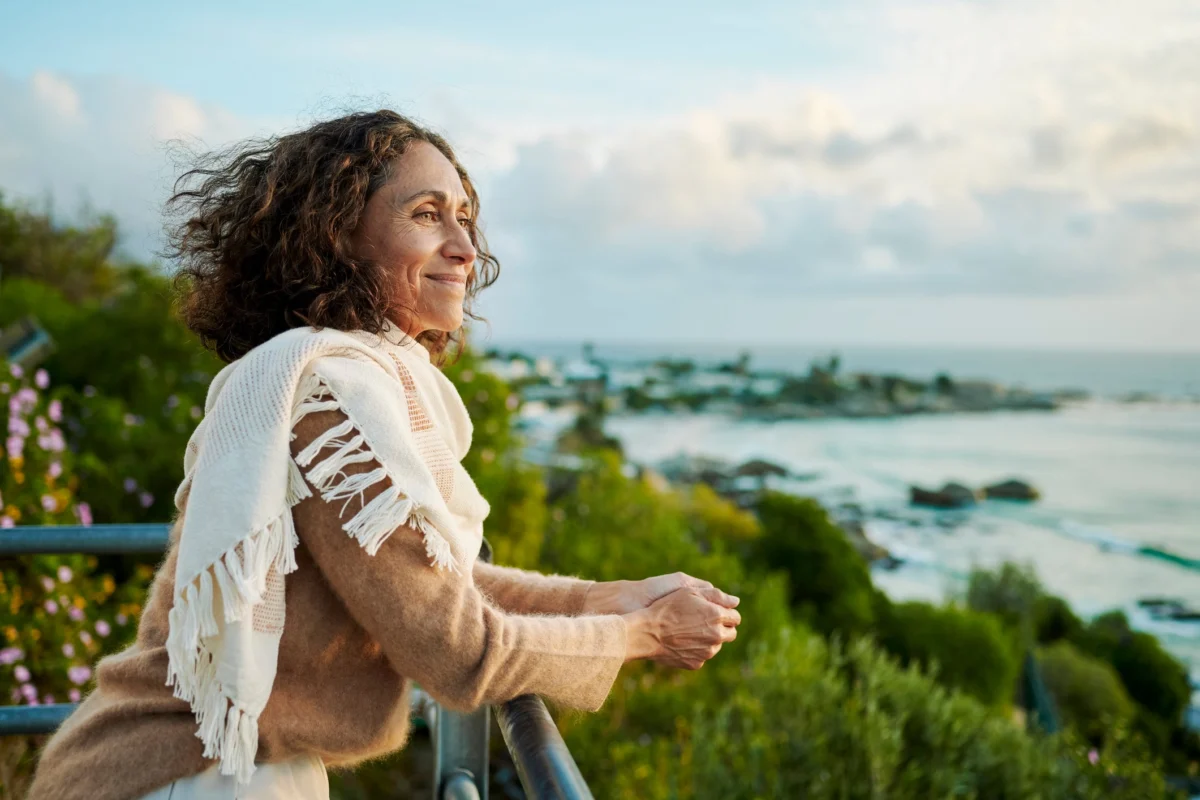
For decades, cultural conversations surrounding women’s midlife health have focused primarily on the turbulent years of perimenopause and menopause. Characterized by symptoms ranging from unpredictable hot flushes and debilitating sleep disruptions to mood swings and joint stiffness, the journey to losing one’s period can stretch on for well over a decade. Yet, remarkably little cultural space is dedicated to what comes next: postmenopause, the permanent life stage that spans the remainder of a woman’s life.
As medical researchers and everyday women alike are beginning to openly discuss, postmenopause is neither a universally symptomless utopia nor a continuation of relentless suffering. Instead, it is a complex, highly individualized phase defined by both lingering physical challenges and a profound resurgence in psychological well-being, confidence, and life satisfaction.
Main Facts: Decoding the Postmenopausal Reality
Postmenopause officially begins when a woman has gone 12 consecutive months without a menstrual period. While the hormonal rollercoaster of perimenopause flattens out, the subsequent drop in estrogen is not without consequence. According to data from the Cleveland Clinic, the postmenopausal state carries long-term physiological implications.
Low estrogen levels are directly linked to an increased risk of developing cardiovascular conditions and osteoporosis—a progressive bone-thinning disease. Furthermore, physical symptoms such as vaginal dryness and atrophy, muscle and bone mass depletion, and lingering thermal regulation issues can persist.
However, the medical narrative tells only half the story. Psychological data paints a much brighter picture of aging. Studies indicate that cognitive functions, particularly memory, often improve in postmenopause compared to the active menopausal years. Sleep patterns tend to stabilize for many over the age of 70, and long-term psychological data reveals a fascinating trend in human happiness: after experiencing a well-documented dip in well-being during middle age, life satisfaction rates routinely climb upward, peaking at approximately age 69.
To understand how these clinical findings translate into lived human experiences, researchers and curious observers frequently look to peer support spaces. Recently on Reddit’s bustling r/Menopause community, a user named u/wlftn posed a simple yet profound question: “When menopause is finally over do you feel better mentally, physically?” The responses from women navigating this exact phase offer a raw, illuminating cross-section of postmenopausal life.
Chronology of the Transition: From Chaos to a New Normal
To fully grasp postmenopause, it is vital to understand the timeline that precedes it. The midlife transition is a multi-stage marathon:
- Perimenopause (The Lead-Up): Can begin in a woman’s 40s (or occasionally earlier) and last anywhere from two to ten years. Hormones fluctuate wildly, erratic periods occur, and acute symptoms like night sweats, brain fog, and severe anxiety typically emerge.
- Menopause (The Milestone): Defined strictly as a single point in time—the exact day a woman marks 12 full months without a menstrual cycle.
- Postmenopause (The Long Horizon): The remainder of a woman’s life. Initially marked by settling hormone levels, this phase evolves over decades, shifting from early postmenopausal adjustments to long-term health maintenance in older age.
While this chronology implies a linear progression toward resolution, real-world experiences defy such neat categorizations.
Supporting Data: What Women Say on the Ground
When Redditors responded to the inquiry about whether life improves post-menopause, their answers highlighted the vast spectrum of the human experience. Here are the core themes that emerged from their lived accounts, backed by scientific research:
1. It’s “Different,” But Symptoms Can Linger
For user u/leftylibra, the idea that a switch flips the moment postmenopause arrives is a myth. While her intense mood swings subsided as hormonal volatility flattened, she noted that other physical hurdles remained.
Her perspective is supported by hard data. According to Harvard Health studies, roughly 30% of women still experience hot flushes 10 to 19 years after reaching menopause, and 20% continue to experience them more than 20 years later. Chronic aches, thinning tissues, and gradual muscle loss are also common combatants.
Despite this, u/leftylibra found empowerment in lifestyle adjustments, pointing to heavy strength training—widely praised by geriatric and women’s health specialists as critical for maintaining bone density—as a game-changer. "Menopause is a time to look inward and figure out how we want to spend the next 40-50 years of our lives," she wrote.
2. The Battle with Insomnia and Mental Health
For user u/curiously71, chronic sleep disturbances finally ceased after menopause, aligning with research showing that early postmenopause can be a restorative window for sleep quality. However, she noted a lingering "lack of energy and motivation" three years post-transition.
While physical exhaustion plagues some, others face psychological hurdles. Scientific literature strikes a cautious note here: one study highlighted that postmenopausal women occasionally report higher baseline anxiety and lower vitality compared to their perimenopausal counterparts. Furthermore, research indicates that early postmenopausal women may face a two- to four-fold increased risk of experiencing a major depressive episode compared to premenopausal women, underscoring the necessity of accessible mental healthcare.
3. A Palpable Sense of Relief
For many, the psychological weight of the transition lifting is the defining feature of postmenopause. User u/citychickindesert captured this sentiment: "I think there is a sense of relief that the ‘ride’ of peri[menopause] has concluded. Once you know the periods are over, for example, there is some sense of calm."
This anecdotal relief is backed by large-scale surveys. Historical and contemporary research shows that roughly 65% of women report feeling happier and more confident overall after navigating menopause than they did in their younger years. User u/HelicopterJazzLike73 echoed this, describing the end of menopause "like a weight being lifted from my shoulders… I feel a lot less angry, and the hot flashes are once every six months now."
4. Hormonal Equilibrium and Thermal Tolerance
Another common thread among respondents was a feeling of internal stabilization. Redditor u/Secretvault-tH20 shared: "I actually do not feel like any hormones are out of balance. The only problem I have is less tolerance to being hot."
Medical experts attribute these lingering temperature sensitivities to permanent shifts in vascular function—a system heavily modulated by estrogen over the course of a lifetime. Even when overall hormonal chaos ceases, the body’s internal thermostat may operate on a permanently altered setting.
Official Responses and Medical Guidance
Health authorities stress that because every woman’s biological makeup is unique, medical vigilance remains essential during postmenopause.
The UK’s National Health Service (NHS), the Cleveland Clinic, and the American College of Obstetricians and Gynecologists (ACOG) outline several key guidelines for postmenopausal health:
- Symptom Monitoring: Postmenopausal women experiencing unexpected vaginal bleeding, post-coital bleeding, or chronic urinary tract infections (UTIs) must consult a general practitioner immediately, as these can be red flags for underlying medical conditions.
- Proactive Screening: Staying up to date with routine mammograms, bone density scans (DXA), and cervical screenings is vital for catching age-related conditions early.
- Mental Health Support: Given the elevated statistical risk for depression and anxiety during early postmenopause, healthcare systems emphasize the importance of reaching out to licensed therapists or utilizing specialized talking therapies.
Implications for Society and Healthcare
The conversation shifting toward postmenopause signals a broader, much-needed cultural evolution in how society views aging women. For generations, medical science treated female reproductive aging primarily through the lens of fertility loss, largely ignoring the decades of vibrant, active life that follow.
As women continue to share their unfiltered experiences—via digital communities, academic research, and public advocacy—the narrative is changing. Postmenopause is increasingly recognized not as a decline, but as a distinct chapter of autonomy, resilience, and renewed self-assurance.
By combining proactive lifestyle habits—such as a nutrient-dense diet, consistent strength training, and rigorous preventative healthcare—with open dialogues about mental and physical health, women are reclaiming the postmenopausal years as a time of profound personal liberation.
 Neng Nana
  Layla Zulfa
  Muslim