
 By Pevita Pearce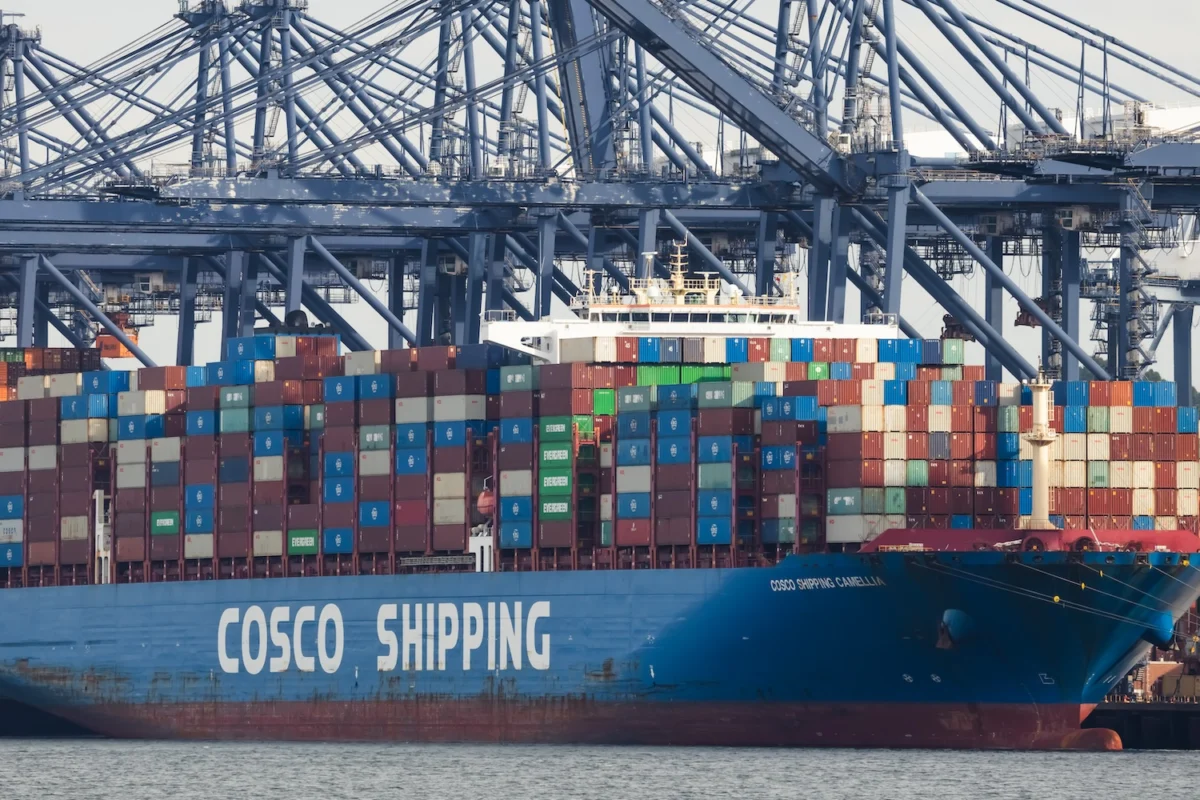
The global maritime supply chain finds itself caught in an increasingly complex geopolitical crossfire. While major container shipping lines are gradually resuming transits through the Red Sea and the Suez Canal, a parallel, more ominous crisis is brewing in the Strait of Hormuz. Diplomatic efforts to stabilize the latter have stalled, and new military escalations—including drone attacks on critical oil infrastructure—have sent crude prices surging past the $100-per-barrel threshold.
As of early this week, the maritime landscape is defined by a paradoxical trend: while ocean carriers are showing renewed confidence in the Red Sea, the regional security architecture is fraying, threatening both global energy supplies and the stability of critical shipping chokepoints.
The Stalled Diplomacy of the Strait of Hormuz
The primary focus of recent diplomatic maneuvering was a high-stakes meeting scheduled for this Monday in Oman. The summit was intended to bring together various Gulf states and Iranian officials to negotiate the future of the Strait of Hormuz—the world’s most critical artery for oil exports.
However, in a significant setback, Omani Foreign Minister Sayyid Badr Albusaidi announced that the meeting had been indefinitely postponed. The official justification, issued overnight, cited the need to act "in the interests of consensus."
Behind the scenes, the situation is far more strained. Iranian delegates indicated that the request for postponement originated from Saudi Arabia. The Kingdom’s reluctance to engage in direct diplomatic dialogue with Tehran follows a renewed wave of hostility from the Houthi movement in Yemen. The Houthis, an Iran-aligned militia, recently claimed responsibility for a sophisticated barrage of missiles and drones targeting a major military airbase in southern Saudi Arabia. The group characterized the strikes as a retaliatory measure against recent Saudi-led airstrikes in Yemen, highlighting a deteriorating security environment that makes high-level de-escalation talks nearly impossible.
Chronology of a Mounting Crisis
The current instability is the culmination of several months of escalating maritime and regional tensions.
- Late 2023: The Houthi movement begins targeting commercial vessels in the Red Sea, citing solidarity with Palestinians during the Israel-Hamas conflict. This forces the majority of global shipping lines to abandon the Suez Canal route in favor of the significantly longer, costlier voyage around the Cape of Good Hope.
- September 7–13, 2024: MarineTraffic records a total of 256 Suez Canal crossings, a 3.2 percent increase from the previous week.
- Thursday–Friday, Sept. 12–13, 2024: Houthi forces capture key coastal territories in Yemen, including the Port of Mokha. This move provides the militants with a strategic stronghold overlooking the Bab el-Mandeb Strait, the southern chokepoint of the Red Sea.
- Thursday, Sept. 12, 2024: Tehran-backed militias in Iraq launch drone strikes against a 750-mile Saudi oil pipeline. The facility, which served as a crucial bypass for the Strait of Hormuz, is forced into an immediate shutdown.
- Monday, Sept. 16, 2024: The Omani-hosted summit on the Strait of Hormuz is officially postponed. Brent crude futures jump 3.6 percent to $108.38 per barrel.
Container Shipping: A Fragile Return to the Suez
Despite the strategic gains made by the Houthis at the mouth of the Red Sea, the container shipping industry is exhibiting a determined, if cautious, appetite for risk. Major ocean carriers, having spent much of the last year avoiding the Suez Canal, are beginning a calculated return to the waterway.
The latest entrants to this trend are Chinese giants Cosco Shipping and Orient Overseas Container Line (OOCL). In coordination with their Ocean Alliance partner, CMA CGM, these lines announced they would resume Red Sea transits for their Europe/Mediterranean-Asia services effective Tuesday. The deployment of the OOCL Portugal, followed by the Cosco Spain, Cosco Taurus, and Cosco Kilimanjaro, signals a significant shift in strategy.
These companies join industry titans Hapag-Lloyd and Maersk, which have already expanded their trans-Suez operations. According to industry intelligence firm Linerlytica, this leaves only a handful of major carriers—including Evergreen and the Premier Alliance members (ONE, HMM, and Yang Ming)—holding out against a return to the Red Sea.
Supporting Data: Volume and Capacity Metrics
The data suggests that the "Red Sea risk premium" is being weighed against the massive logistical overhead of the Cape of Good Hope detour.
- Traffic Resilience: While traffic through the Suez dipped following the capture of the Port of Mokha—falling from 42 transits on Thursday to 24 on Friday—the numbers rebounded to a weekly high of 43 on Sunday. This indicates that the market is currently viewing the latest Houthi territorial gains as a manageable threat rather than a total blockade.
- The Hormuz Contrast: Ana Subasic, a trade risk analyst at MarineTraffic, notes that the Red Sea remains "materially more active" than the Strait of Hormuz, currently handling approximately 2.2 times the volume. While Strait of Hormuz traffic saw a 53.2 percent rebound to 118 crossings last week, the volatility remains extreme.
- Vessel Scaling: Carriers are increasingly confident in navigating the region with their largest assets. Lloyd’s List reports that crossings by vessels exceeding 18,000 TEU (Twenty-foot Equivalent Units) through the Bab el-Mandeb have surged from a single transit in 2025 to 44 so far this year.
- Fleet Diversion: The total capacity diverted to the Cape of Good Hope has dropped to a two-year low of 4.6 percent of the global fleet, according to Linerlytica.
Implications for Global Energy and Freight Rates
While container shipping is showing signs of normalization, the oil market is facing a far more severe shock. The shutdown of the 750-mile Saudi pipeline is particularly damaging. Regional officials have indicated that repairs will likely take weeks, not days. Given that this pipeline was designed specifically to bypass the vulnerabilities of the Strait of Hormuz, its loss is a major blow to supply chain security. Estimates suggest that if the outage persists, it could remove nearly 4 percent of the global oil supply from the market, explaining the rapid spike in Brent crude prices.
Furthermore, the legal landscape for maritime transit is becoming increasingly opaque. The Iranian Persian Gulf Strait Authority has released a list of 77 vessels it claims have violated its protocols. The threat of fines, detention, or outright confiscation for these ships adds a layer of "lawfare" to the already volatile military environment.
For global trade, the implications are two-fold:
- Freight Rates: The return to the Suez Canal is expected to restore effective capacity on Asia-Europe routes. Analysts at Drewry suggest this could put downward pressure on freight rates, which have been artificially inflated by the longer transit times around Africa. However, they warn that persistent congestion and "blank sailings" could quickly tighten capacity again.
- Geopolitical Risk: The widening conflict suggests that maritime security is no longer just about safe passage; it is about the broader regional struggle for influence. As carriers continue to brave the Red Sea, they do so with the knowledge that the Houthis—and their backers in Tehran—have the technical capability to strike both at sea and at critical land-based energy infrastructure.
In conclusion, while the shipping industry is attempting to project a return to normalcy, the underlying geopolitical foundations remain highly unstable. The intersection of a recovering container market and an escalating energy crisis underscores a period of extreme uncertainty for global commerce. Whether this "cautious return" holds will depend entirely on the ability of regional powers to contain the fallout from the latest military confrontations in the Red Sea and the Gulf.
 Muslim
  Ammar Sabilarrohman
  Iffa Jayyana