
 By Lina Hope
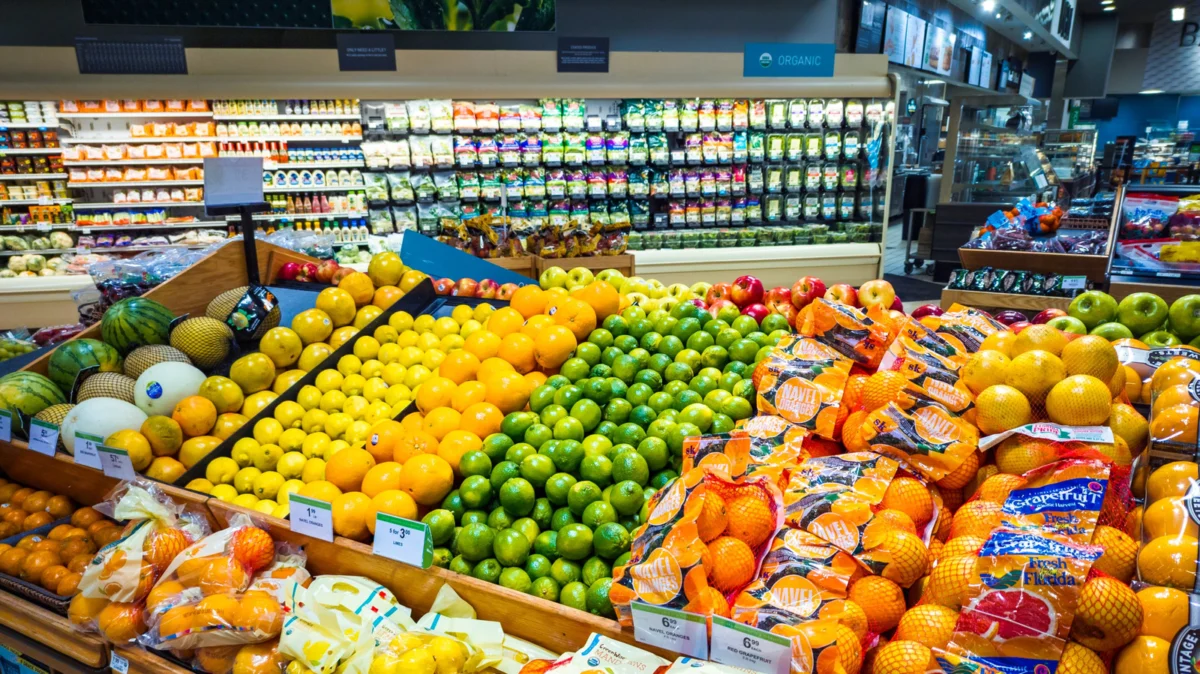
For decades, the Southeast’s premier supermarket chain, Publix Super Markets, has occupied a near-mythic status in the regional consciousness. Far beyond a mere utility for purchasing groceries, the Florida-based corporation has long cultivated an image as a community staple. It is a place where in-store butchers custom-cut steaks, bakers craft elaborate wedding cakes, and cheerful, white-collared employees routinely offer to walk customers to their cars under oversized umbrellas.
With a squeaky-clean corporate reputation, famously pristine aisles, and cult-favorite items like its deli "Pub Subs" and signature Key lime pies, the chain has long lived up to its corporate tagline: "Where shopping is a pleasure."
However, a confluence of rising inflation, shifting corporate policies, and changing consumer expectations has begun to sour that sentiment. Increasingly, long-time shoppers and frontline employees alike are expressing disillusionment. From soaring price tags and stripped-down checkout efficiencies to controversial political ties and sudden product phase-outs, the grocery giant is facing a wave of consumer frustration.
Main Facts: The Anatomy of a Retail Backlash
The mounting dissatisfaction with Publix is not isolated to a single grievance; rather, it represents a multi-pronged erosion of the goodwill the company spent nearly a century building.
At the center of consumer complaints is an aggressive pricing strategy that has outpaced standard market inflation. Shoppers routinely report paying significantly more for identical name-brand goods at Publix than at competing discount grocers like Aldi or big-box stores like Walmart.
Compounding these financial pressures are operational shifts inside the stores. Customers have noted a reduction in open checkout lanes, longer wait times, and controversial policy adjustments—such as the elimination of traditional item caps on express lanes—that have left both shoppers and employees exasperated. Furthermore, high-profile missteps, including deceptive pricing lawsuits and the quiet removal of beloved regional staples, have fractured trust.
When weighed against the backdrop of an economically anxious consumer base, these friction points have transformed Publix from a beloved neighborhood amenity into a frequent target of online forums, consumer advocacy complaints, and corporate scrutiny.
Chronology: A Timeline of Discontent
The friction between Publix management and its customer base has evolved through a series of key milestones over the past decade:
- Pre-2016: Publix enjoys broad, uninterrupted consumer loyalty, anchored by steady prices, legendary customer service, and reliable perks like free basic medications at its in-house pharmacies.
- 2016–2022: Political contributions by corporate executives and family heirs—most notably heiress Julie Jenkins Fancelli’s heavy financial support for Donald Trump and conservative advocacy groups—draw public ire and trigger localized calls for boycotts.
- 2020: Publix launches "Publix Pay," an in-app contactless payment feature that allows users to link credit cards, automatically apply digital coupons, and store receipts via QR code scanning.
- 2023: Management decides to discontinue the chain’s famous "hurricane cakes"—custom bakery cakes featuring humorous, storm-themed icing decorations—deeming them inappropriate in the wake of increasingly destructive climate events.
- 2025: A class-action lawsuit is filed against the supermarket chain, accusing it of deceptive pricing practices, including leaving expired sale tags on shelves, overcharging at registers, and artificially inflating the measured weights of high-priced deli and meat items.
- March 2026: In a sudden operational shift, Publix abruptly retires the "Publix Pay" feature from its mobile app, citing a desire to streamline alternative customer experience initiatives, sparking swift backlash from mobile-first shoppers.
- Present Day: Consumer forums on platforms like Reddit, Yelp, and Facebook are flooded with complaints regarding steep grocery bills, diminished customer service, and strict pharmacy protocols, signaling a persistent cultural shift in how the brand is perceived.
Supporting Data: The Price Gap and Operational Realities
To understand the core of consumer complaints, one must examine the hard numbers defining the modern grocery landscape.
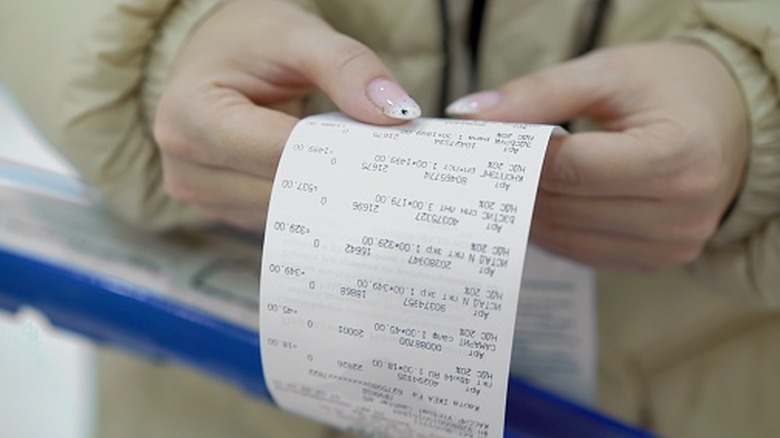
Price disparity remains the most frequently documented grievance. Comparative price checks conducted by shoppers across the Southeast reveal stark contrasts. For example, pantry staples such as a standard box of name-brand cereal (such as General Mills’ Cinnamon Toast Crunch) frequently command a price tag nearly 60% higher at Publix compared to regional discount competitors. Even during Publix’s signature "Buy One, Get One Free" (BOGO) promotional cycles, savvy shoppers note that the baseline price is often inflated to the point where the promotional rate barely undercuts discount supermarket everyday pricing.
Operational data regarding customer flow also highlights systemic strain. The company’s decision to lift traditional item limits on express lanes—historically capped at 10 items—has transformed fast-lane queues into generalized bottlenecks. While corporate literature suggests this simplifies the transaction process, retail analysts point out that mixing large-basket shoppers into express queues mathematically increases average transaction times per customer.
Legal and corporate financial records further illuminate public perception:
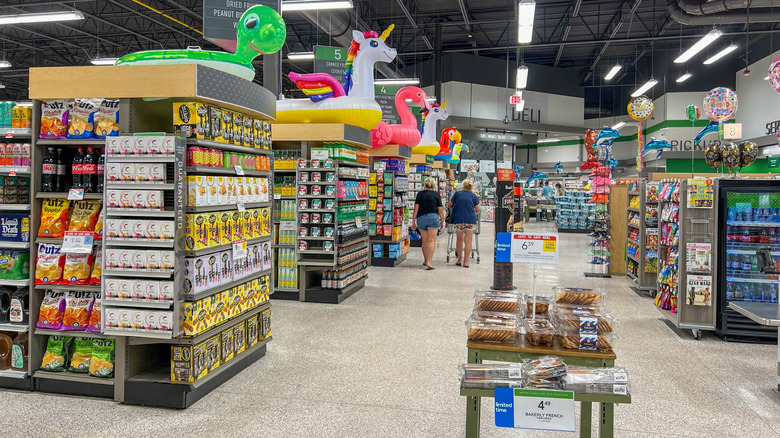
- Between 2016 and 2022, Publix and its top executives directed upwards of $10 million in political contributions, predominantly toward Republican candidates and conservative political action committees.
- The 2025 class-action litigation drew widespread attention for highlighting discrepancies between shelf tags and point-of-sale register prices, exposing vulnerabilities in how rapidly shifting inventory costs are communicated to consumers.
Official Responses and Corporate Strategy
Publix corporate leadership has generally maintained a traditional, measured response to consumer criticism, relying on its foundational corporate messaging while quietly implementing operational changes.
Regarding pricing strategies, the company has consistently defended its price points by pointing to the holistic value of the Publix experience: well-maintained facilities, comprehensive in-store services (such as pharmacies, full-service floral, meat, and bakery departments), and a deeply entrenched corporate culture focused on employee retention and community investment. Unlike low-overhead warehouse clubs or hard-discount grocers, Publix’s business model inherently requires higher operating margins to sustain its labor-intensive service model.
On the digital front, when customers expressed dismay over the March 2026 termination of Publix Pay, the company defended the move by emphasizing its pivot toward broader digital integration. Representatives noted that shoppers can still efficiently redeem digital coupons, utilize standard contactless payment methods (such as Apple Pay and Google Pay), and process digital gift cards seamlessly within the updated app ecosystem.
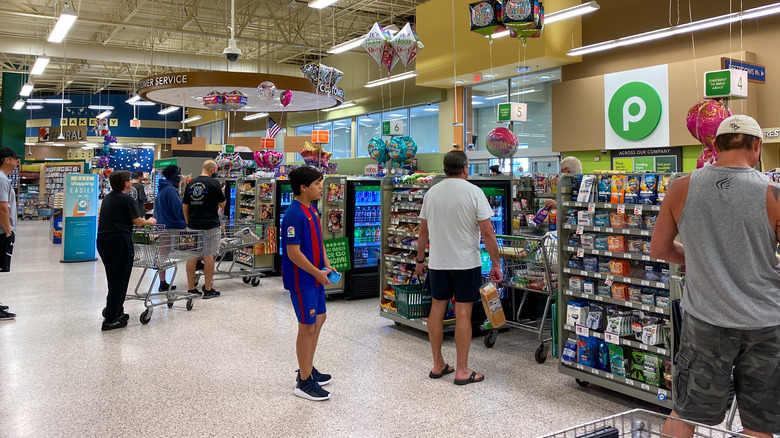
Similarly, regarding the controversial phase-out of the "hurricane cakes" in 2023, corporate spokespeople acknowledged the lighthearted intent behind the regional tradition but concluded that the gravity of severe weather events affecting Florida and the wider southeastern coast warranted a more sensitive, solemn corporate stance.
Implications: What Lies Ahead for the Region’s Favorite Supermarket?
The friction currently facing Publix points toward a broader identity crisis in modern American retail. As consumers navigate persistent economic pressures, the historical willingness to pay a "convenience and culture premium" is rapidly wearing thin.
For years, Publix operated under the assumption that its immaculate stores, friendly baggers, and superior bakery items could insulate it from the cutthroat price competition defining giants like Walmart and Amazon-owned Whole Foods. However, as grocery budgets tighten, the tolerance for perceived price gouging, deceptive register discrepancies, and slipping customer service standards diminishes.
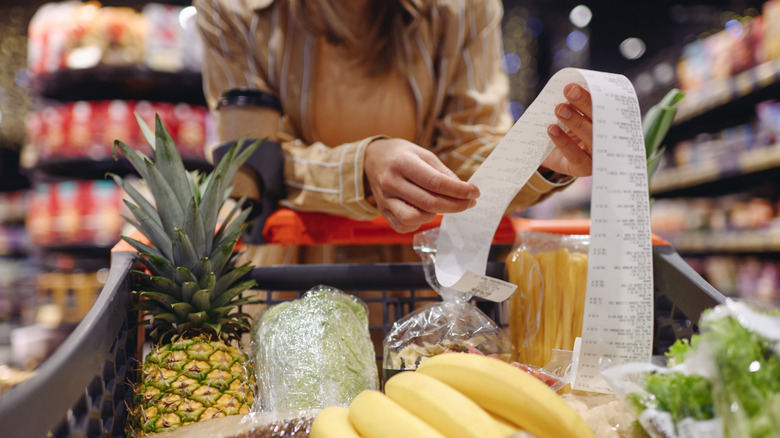
Furthermore, the intersection of corporate politics and consumer choice has permanently altered the retail landscape. While a significant portion of Publix’s customer base remains fiercely loyal—citing the irreplaceable quality of items like the quintessential "Pub Sub"—a growing counter-segment is willing to drive past their local store in search of better value and ideological alignment.
Ultimately, Publix stands at a critical crossroads. To preserve its legacy as "where shopping is a pleasure," the chain must reconcile the corporate realities of modern big-box retail with the intimate, community-centric promises that built its empire. Whether the company will adjust its pricing models, restore streamlined digital conveniences, or double down on its traditional high-margin strategy remains to be seen. What is certain, however, is that the era of unquestioned consumer devotion is drawing to a close.
 Asep Darmawan
 rifanmuazin
 Layla Zulfa
