
 By Nana Wu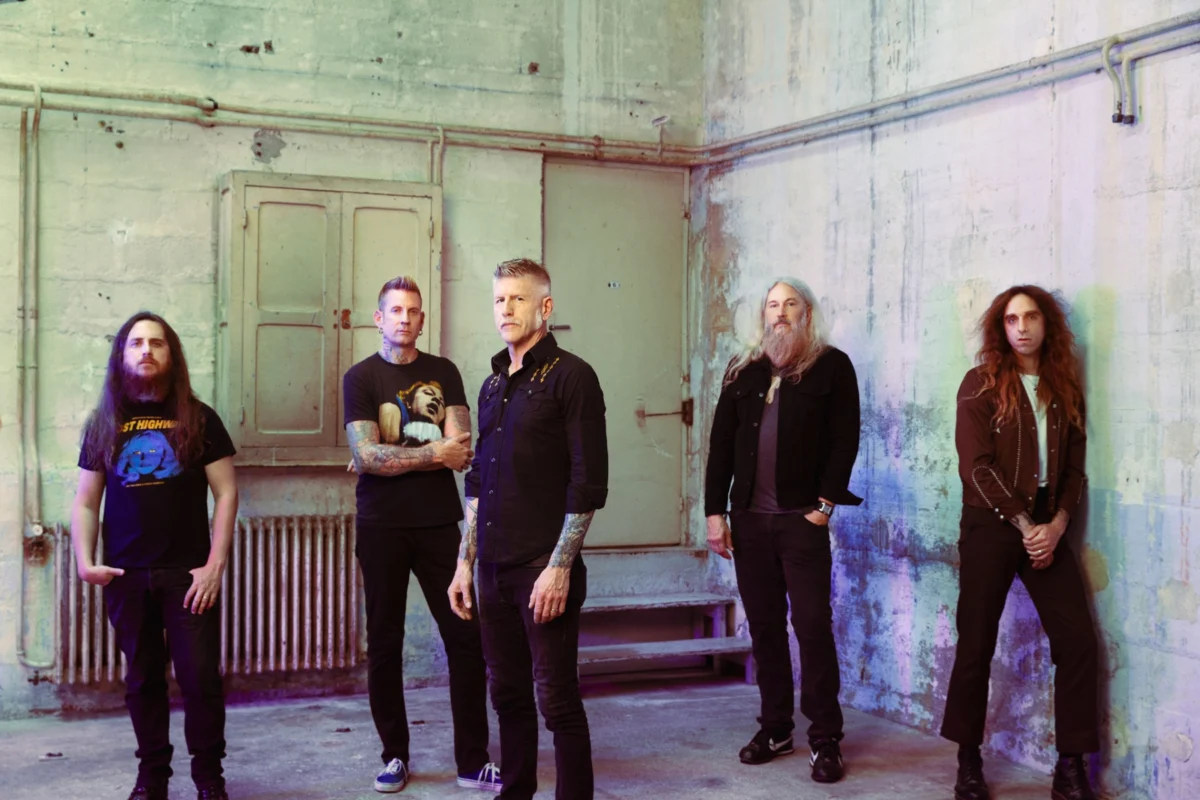
In the complex tapestry of heavy metal, few bands have navigated the intersection of artistic evolution and personal tragedy with as much stoicism as Atlanta’s Mastodon. As the group prepares to release their ninth studio album, Marrow Deep, on August 28 via Loma Vista Recordings, they find themselves standing at a crossroads. The record marks their first major output since the untimely death of co-founding guitarist and vocalist Brent Hinds, a loss that fundamentally altered the trajectory of the band. Yet, rather than dissolving under the weight of grief, Mastodon has emerged with a renewed sense of purpose, welcoming new blood into their ranks and crafting a sound that feels both nostalgic and daringly forward-looking.
The Foundation: Main Facts of the Release
Marrow Deep is not merely another chapter in the Mastodon discography; it is a declaration of survival. Recorded at the band’s proprietary West End Sound Studio in Atlanta, the album represents a collaborative effort between the remaining core members—bassist/vocalist Troy Sanders, guitarist/vocalist Bill Kelliher, and drummer/singer Brann Dailor—and two critical new additions: guitarist Nick Johnston and keyboardist João Nogueira.
The production process saw the band enlisting the expertise of industry heavyweights Patrik Berger, known for his work with Lana Del Rey, and Kurt Ballou of High on Fire. This juxtaposition of pop-sensibility producers with visceral, sludge-metal royalty hints at the sonic breadth of the upcoming record. The thematic heart of the album draws heavily from the Three Fates of Greek mythology—Clotho, Lachesis, and Atropos—exploring the fragile, often invisible threads that bind human existence to the inevitability of loss and the mystery of destiny.
A Chronology of Transition
The path to Marrow Deep has been marked by significant milestones that highlight the band’s resilience.
2021: Mastodon released Hushed and Grim, a sprawling, ambitious double album that would ultimately serve as the final full-length record to feature the late Brent Hinds. The album was widely praised for its emotional depth and structural complexity, setting a high bar for the band’s future.
2025: The band faced their most significant challenge to date when co-founder Brent Hinds passed away following a tragic motorcycle accident. The loss sent shockwaves through the metal community, leaving the future of the band in immediate doubt.
Early 2026: In the wake of the tragedy, the remaining members of Mastodon spent months processing their loss. This period culminated in the production of the 35-minute short film The Mastodon in the Room, a raw and intimate documentary where Sanders, Kelliher, and Dailor reflected on Hinds’ life, his creative brilliance, and the challenges he faced regarding his mental health and substance abuse.

July 2026: The band broke their silence with the surprise release of the single “Your Ghost Again,” signaling a shift in tone. Shortly thereafter, they announced the official release of Marrow Deep and the accompanying "Poisonous Weapons" North American tour.
Supporting Data and Creative Collaborations
The lead single, “Snakes For Dinner,” serves as a five-minute manifesto for the band’s current era. A ferocious, high-octane prog-metal composition, it features a notable guest appearance by Queens of the Stone Age frontman Josh Homme on backing vocals. This collaboration is part of what the label describes as a "staggering roster of guests" to be unveiled in the coming weeks.
The inclusion of Nick Johnston on guitar and João Nogueira on keyboards is a deliberate move to expand the band’s palette. Johnston, known for his technical prowess and melodic sensitivity, brings a layer of intricate fretwork that complements Kelliher’s signature riff-heavy style, while Nogueira’s keyboard textures provide a atmospheric density that aligns with the band’s evolution toward more progressive, experimental landscapes.
The band’s decision to return to their own West End Sound Studio allowed for an environment of total creative control. By combining this home-field advantage with the production oversight of Berger and Ballou, Mastodon has successfully bridged the gap between their "sludge-metal" roots and a modern, polished aesthetic that avoids the pitfalls of commercial over-production.
Official Responses and Band Philosophy
The band’s internal perspective on this new chapter is one of cautious optimism and profound gratitude. In a recent statement, bassist Troy Sanders articulated the sentiment driving the group:
"Bill, Brann, and myself are thrilled that we still have the opportunity to do this, and we’ve got other members who are just over the moon to be in the band with us. That’s a magical feeling that makes us keep wanting to go to band practice. It’s reminiscent of the very beginning of our band, where all members are hungry, we’re united, and excited to get to work. And we’re thrilled to have the opportunity to do this record."
This statement highlights a pivot from the mourning period to a state of active creation. The band acknowledges that while the void left by Hinds is permanent, the "hunger" that propelled them to success in the early 2000s has been reignited. They are not attempting to replace their fallen bandmate, but rather to continue the legacy by evolving into a new iteration of the Mastodon sound.

Implications for the Metal Landscape
The release of Marrow Deep carries significant implications for the future of the genre. Mastodon has long been considered a "gateway" band—a group capable of maintaining extreme metal credibility while influencing broader alternative and progressive rock circles. By successfully integrating new members and maintaining a high level of critical and commercial interest following a member’s death, they provide a blueprint for how legacy bands can navigate internal crises.
Furthermore, the "Poisonous Weapons" tour, which kicks off in September with support from Deafheaven and Alcest, signals that Mastodon is not retreating from the stage. The tour is a calculated move to reinforce their status as a premier live act. By touring with bands that operate within the "blackgaze" and atmospheric metal spheres, Mastodon is positioning itself to reach a younger, more diverse audience, ensuring that their music continues to resonate with new generations of listeners.
The thematic focus on Greek mythology and the "threads of life" also suggests that the band remains committed to long-form storytelling and conceptual depth. In an era where the music industry often prioritizes short-form content and single-track consumption, Mastodon continues to champion the "album experience," inviting listeners to engage with their work as a cohesive, immersive narrative.
Conclusion: A Thread That Doesn’t Break
As the release date for Marrow Deep approaches, the anticipation is palpable. For fans, the album represents a resolution to a period of uncertainty. For the band, it is a testament to the fact that their collective identity is greater than any individual component. While Brent Hinds will always remain a pillar of the Mastodon legacy, Marrow Deep proves that the remaining threads—the bonds between Sanders, Kelliher, and Dailor—are strong enough to hold the weight of their past and the promise of their future.
The band is, in essence, starting over while carrying the wisdom of two decades of trial, error, and triumph. As they prepare to hit the road and introduce the world to the next evolution of their sound, one thing remains clear: Mastodon has not finished telling its story. They are simply turning the page.
 Lina Irawan
  Lina Hope
  Siti Muinah