
 By Nana Wu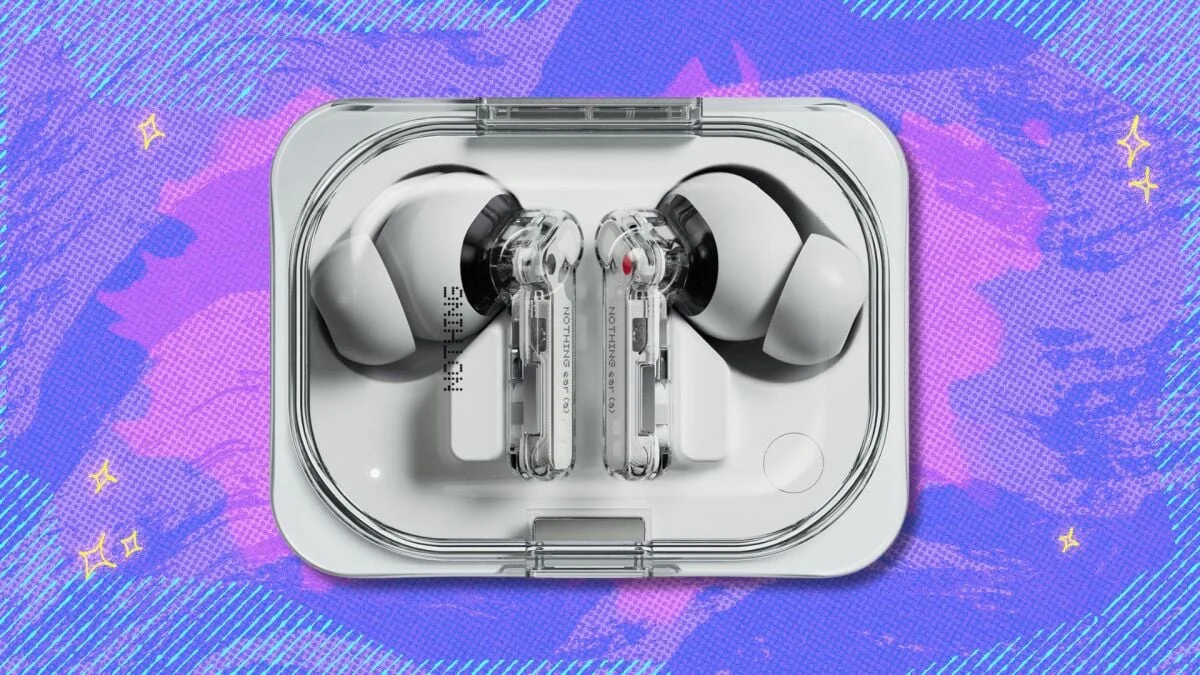
In an era defined by persistent inflation and a noticeable upward trend in consumer technology pricing—often referred to in industry circles as "tech price creep"—finding high-quality, budget-friendly hardware has become a priority for consumers. For those in search of a reliable, stylish, and sonically capable pair of wireless earbuds, the financial barrier to entry has just decreased.
As of July 20, Amazon has implemented a significant price reduction on the Nothing Ear (a) earbuds, lowering the cost from their standard retail price of $79 to a highly competitive $59. This represents a $20 discount, or approximately a 25% markdown, across all three available colorways: black, white, and the brand’s signature vibrant yellow. Notably, the white variant has been designated with a "limited-time deal" tag on the retailer’s platform, suggesting that inventory at this price point may be volatile.
This article provides an in-depth analysis of this pricing event, tracing the history of the Nothing brand, examining the technical specifications of the Ear (a), evaluating critical and consumer reception, and exploring the broader implications this discount has on the highly contested budget wireless audio market.
Main Facts: The Nothing Ear (a) Amazon Deal at a Glance
For consumers evaluating this promotion, the core parameters of the discount are straightforward:
- Product Model: Nothing Ear (a) True Wireless Earbuds
- MSRP (List Price): $79.00 USD
- Current Promotional Price: $59.00 USD
- Total Savings: $20.00 USD (25% off)
- Platform: Amazon US
- Color Availability: Black, White, and Yellow (with the White model flagged as a "limited-time deal")
- Key Value Proposition: Premium active noise cancellation (ANC), high-resolution audio support, and distinct aesthetic design at a sub-$60 price point.
Chronology: The Evolution of Nothing and the Road to the Ear (a)
To understand the significance of the Nothing Ear (a) and its current promotional pricing, it is necessary to examine the brief but highly disruptive history of its parent company, Nothing.
1. The Genesis of Nothing (2020–2021)
Nothing was founded in late 2020 by Carl Pei, the co-founder of OnePlus, with the explicit mission of "removing barriers between people and technology." The London-based startup sought to challenge what it viewed as a stagnant consumer tech landscape dominated by homogeneous designs.
In July 2021, the company launched its debut product, the Nothing Ear (1). Priced at $99, the Ear (1) combined a highly distinct, transparent design language with active noise cancellation and competitive sound quality. The product was a commercial success, establishing Nothing as a serious contender in the personal audio space.
2. Portfolio Expansion and Premium Shift (2022–2023)
As global supply chains faced inflationary pressures and component costs rose, Nothing adjusted its strategy. The company released the Nothing Ear (2) in early 2023 at a higher price point of $149. Simultaneously, the price of the original Ear (1) was retroactively raised to match its successor’s positioning. While the Ear (2) offered refined audio, dual-connection capabilities, and improved ANC, the price increase left a vacancy in the sub-$100 market that Nothing had previously occupied.
3. The 2024 Restructuring: Simplifying the Lineup
In April 2024, Nothing announced a strategic restructuring of its audio portfolio. Moving away from numerical naming conventions, the company introduced two distinct products designed to target different tiers of the market:
- Nothing Ear ($149): The premium flagship model, designed for audiophiles seeking ceramic diaphragms and advanced custom equalization.
- Nothing Ear (a) ($79): A budget-friendly, lifestyle-oriented model that retained the core features of the flagship—such as robust ANC and high-res audio certification—while utilizing more cost-effective materials and a more compact, playful case design.
4. The July 2024 Discount
Just three months after its official global launch, the Nothing Ear (a) received its first major promotional markdown on Amazon on July 20. By dropping the price to $59, the promotion positions the Ear (a) not just as a budget alternative to premium earbuds, but as a direct competitor to entry-level options that typically lack advanced active noise cancellation and high-fidelity codec support.
Supporting Data: Technical Specifications and Competitor Comparison
The market value of the Nothing Ear (a) at $59 is best understood by analyzing its technical specifications against its retail competitors. Despite its lower price point, the Ear (a) shares a significant amount of DNA with Nothing’s flagship models.
Detailed Technical Specifications
| Feature | Nothing Ear (a) Specification |
|---|---|
| Driver Size | 11mm Dynamic Driver |
| Diaphragm Material | PMI + TPU (Polyetherimide + Thermoplastic Polyurethane) |
| Active Noise Cancellation | Up to 45dB Smart ANC (Adaptive, High, Mid, Low modes) |
| Frequency Range | 20 Hz – 20,000 Hz |
| Audio Codecs | LDAC, AAC, SBC |
| Hi-Res Audio Certification | Yes (up to 24-bit/96 kHz via LDAC) |
| Battery Life (ANC Off) | Earbuds: 9.5 hours / With Case: 42.5 hours |
| Battery Life (ANC On) | Earbuds: 5.5 hours / With Case: 24.5 hours |
| Fast Charging | 10 minutes of charging provides 10 hours of playback (ANC Off) |
| Water/Dust Resistance | Earbuds: IP54 / Charging Case: IPX2 |
| Connectivity | Bluetooth 5.3, Dual Connection (Multipoint) |
| Special Features | Pinch controls, Low Lag Mode, Find My Earbuds, ChatGPT integration |
Key Hardware and Software Highlights
- Smart Active Noise Cancellation (ANC): The inclusion of 45dB ANC is a notable feature for under $100. The "Smart" algorithm continuously detects ambient noise levels and automatically applies one of three intensity levels (High, Mid, or Low) to optimize isolation without causing user discomfort.
- High-Resolution Audio via LDAC: LDAC transmits approximately three times more data than standard Bluetooth audio codecs (SBC/AAC), operating at a transfer rate of up to 990 kbps. This allows the Ear (a) to deliver high-fidelity audio when paired with compatible Android devices.
- The Design Language: The Ear (a) features a transparent stem that showcases the internal circuitry, a hallmark of the Nothing brand. Additionally, the charging case features a compact, bubble-pack-inspired design, departing from the square cases of previous generations.
Official Responses and Critical Reception
Upon its release in April 2024, the Nothing Ear (a) was widely evaluated by technology journalists and audio reviewers. Synthesizing these professional assessments reveals a clear consensus regarding the product’s strengths and weaknesses.
What Reviewers Praised
- Audio Fidelity and Bass Response: Reviewers consistently noted that the 11mm dynamic drivers, paired with Nothing’s Bass Enhance algorithm, deliver a punchy, warm, and engaging sound signature. While audiophiles might find the default tuning slightly bass-heavy, the accompanying Nothing X application allows users to customize the EQ to achieve a more balanced profile.
- Effective Active Noise Cancellation: The 45dB ANC capability was praised for its performance relative to price. Testing indicated that the earbuds are highly effective at attenuating low-frequency rumbles, such as those found in airplane cabins or public transit, performing closely to models costing twice as much.
- Distinct Aesthetic and Comfort: The introduction of the yellow colorway—a departure from Nothing’s traditional monochromatic palette—was welcomed as a bold design choice. Furthermore, the lightweight design of individual earbuds (4.8 grams) ensures long-term wearing comfort without ear fatigue.
What Reviewers Critiqued
- Absence of Qi Wireless Charging: The most significant compromise made to achieve the lower price point is the omission of wireless charging. The Ear (a) case must be charged via a USB-C cable. For users accustomed to placing their audio gear on wireless charging pads, this represents a notable downgrade from the flagship Nothing Ear.
- Case Durability: The clear plastic case, while visually striking, is susceptible to micro-scratches and scuffs when carried in pockets with keys or loose change.
- Wind Noise Sensitivity: Some reviewers noted that while the ANC is highly effective indoors and in stable environments, the microphone array can occasionally struggle to mitigate wind noise when walking outdoors in breezy conditions.
Implications: Disrupting the Budget Personal Audio Landscape
The reduction of the Nothing Ear (a) price to $59 has broader implications for the consumer electronics industry, reflecting shifting dynamics in manufacturing, marketing, and consumer behavior.
1. Pressure on Traditional Budget Brands
The sub-$100 wireless earbud market has historically been dominated by brands like Anker (Soundcore), EarFun, 1More, and various house brands from major retailers. These manufacturers typically compete on price and utility, often sacrificing design elegance and advanced software integration.
By offering a highly styled product with premium features like LDAC, multipoint pairing, and robust ANC for $59, Nothing is challenging these established players. Competitors may be forced to lower their prices or accelerate the integration of premium features into their own entry-level offerings.
2. The Ecosystem Play
For Nothing, the Ear (a) serves as an entry point into a broader hardware ecosystem. By pricing the earbuds accessibly, the company can attract budget-conscious consumers who may later consider purchasing Nothing’s smartphones, such as the mid-range Phone (2a). This ecosystem strategy mirrors the approaches of Apple and Samsung, but is tailored for a demographic that prioritizes value and distinct design over brand legacy.
3. Consumer Value in an Inflationary Market
As cost-of-living concerns continue to influence purchasing decisions, consumer appetite for high-value alternatives to premium products ($250+ earbuds from Apple, Sony, or Bose) is growing. The availability of capable hardware at a fraction of flagship prices suggests that the performance gap between budget and premium audio gear is closing, offering consumers high-quality options without a premium price tag.
 Raul Delapena Setiawan
  Ali Ikhwan