
 By Ammar Sabilarrohman
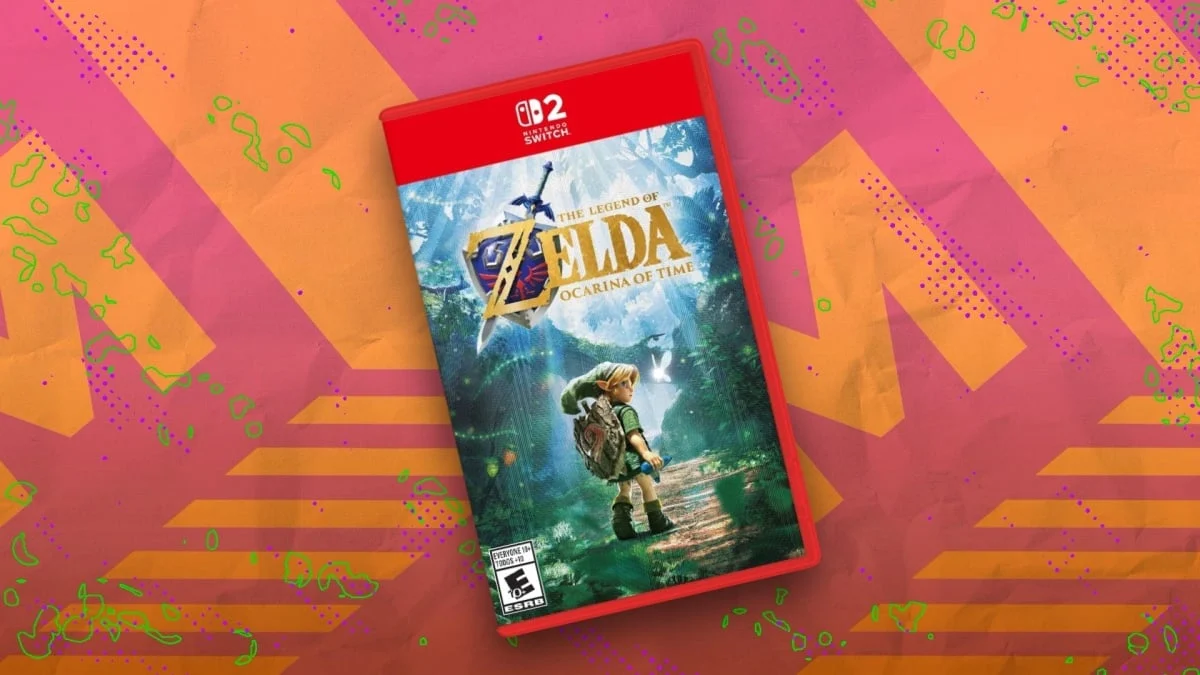
The gaming world is currently holding its breath in anticipation of one of the most significant releases in the history of the medium. Nintendo has officially announced the highly anticipated remake of The Legend of Zelda: Ocarina of Time for the upcoming Switch 2 console. With a scheduled release date of November 5, fans are racing to secure their copies. Currently, Amazon is offering a competitive incentive for early adopters: the physical edition of the game is available for $59.88, a notable $10.11 discount from its standard retail price of $69.99.
The Main Facts: A Modern Reimagining of a Masterpiece
The Ocarina of Time remake represents more than just a graphical update; it is a fundamental reimagining of the title that defined the action-adventure genre in 1998. By leveraging the advanced processing capabilities of the Switch 2, Nintendo promises to deliver an Hyrule that feels both nostalgically familiar and breathtakingly new.
For those looking to secure their copy, the Amazon preorder deal is the current market leader. Not only does the $59.88 price point represent a significant saving, but it also includes Amazon’s "Preorder Price Guarantee." This policy ensures that if the list price decreases between the time a customer places their order and the official release date, the customer will be charged the lowest price encountered during that window. This effectively protects consumers from market volatility and ensures that early commitment to the purchase is rewarded rather than penalized.
A Chronology of a Legend: From N64 to Next-Gen
To understand the weight of this release, one must look at the historical trajectory of The Legend of Zelda franchise. Ocarina of Time was originally released for the Nintendo 64 in 1998. It was a watershed moment in interactive entertainment, introducing the "Z-targeting" system, a sophisticated 3D camera, and a sweeping, emotional narrative that set the template for nearly every open-world adventure game that followed.
Over the last 26 years, the game has seen several iterations. In 2011, it received a critically acclaimed remake for the Nintendo 3DS, which introduced stereoscopic 3D effects and refined interface elements. However, the upcoming Switch 2 remake is being positioned as the "definitive" version. Throughout the development cycle, leaks and official teases have suggested that the developers are not just polishing the textures, but are reworking the physics, the artificial intelligence of enemies, and the density of the game world itself.
The hype cycle reached a fever pitch following the release of recent gameplay preview footage. The footage, which showcased updated lighting engines and significantly more complex environmental interactions, confirmed that this is a project of immense ambition. Fans who have followed the development closely have noted subtle changes in the layout of Kokiri Forest and Hyrule Field, suggesting that the game may feature expanded areas that were originally constrained by the memory limitations of the N64 hardware.
Supporting Data: Why This Remake Matters
The decision to revisit Ocarina of Time is supported by staggering metrics regarding the franchise’s longevity and consumer demand. According to recent market analysis, The Legend of Zelda remains one of Nintendo’s most consistent revenue drivers. The success of Breath of the Wild and Tears of the Kingdom has introduced a new generation of players to the franchise, many of whom have never experienced the linear, story-driven structure of the classic 3D titles.
Furthermore, the physical media market remains a robust sector within the gaming industry. While digital downloads are convenient, the "collector’s market" remains a massive driver for physical sales. Nintendo has capitalized on this by confirming that the first print run of the physical edition will feature special packaging with textured, foil-stamped cover art. For many, this is the primary motivator for opting for the physical disc or cartridge over the digital alternative, which is currently retailing for $59.99.
Official Responses and Industry Context
Nintendo has been notoriously guarded regarding the specifics of the remake, yet their promotional materials have emphasized the "40th Anniversary Celebration" of the Zelda franchise. In a recent Nintendo Direct presentation, executives highlighted the company’s commitment to preserving its legacy while adapting it for modern hardware.
"Our goal," a representative noted, "is to ensure that the emotional impact of Link’s journey through time remains as potent for a child playing on a Switch 2 as it was for those who first picked up a controller in 1998. We are not just recreating a game; we are preserving a piece of cultural history."
Industry analysts have praised this strategy. By keeping the price point accessible through retail partnerships like the one with Amazon, Nintendo is ensuring that the barrier to entry for both new fans and returning veterans remains low. The $59.88 price point is particularly strategic, as it undercuts the standard $69.99 price point that has become the "new normal" for AAA console releases in the current generation.
Implications for the Industry and the Consumer
The implications of this release are twofold. First, for the consumer, the preorder price guarantee and the discounted physical media offer a rare moment of relief in an era of rising software costs. By securing a copy now, players are essentially insulating themselves from potential day-one price hikes or supply chain shortages that often accompany high-profile Nintendo launches.
Second, for the gaming industry, the success of this remake could set a new standard for how legacy titles are handled. There has been an ongoing debate regarding the "remaster vs. remake" spectrum. Titles like Final Fantasy VII Remake or the Resident Evil series have set high bars, but Ocarina of Time holds a unique place as arguably the most "perfected" game ever made. If Nintendo manages to successfully update the game without sacrificing the "soul" of the original, it could trigger a trend where developers prioritize the total reconstruction of classic titles over simple resolution bumps.
The inclusion of the textured foil cover art for the first print run is a masterful stroke of marketing. It turns a standard video game purchase into a tangible, high-value asset. As the November 5 release date approaches, the secondary market for these physical editions is expected to be highly active. Collectors are already signaling that the limited-run packaging will likely become a sought-after item, further driving the urgency for those who prefer physical media.
Conclusion: The Final Countdown
As the final weeks before the launch of the Switch 2 and The Legend of Zelda: Ocarina of Time tick away, the message to consumers is clear: take advantage of the current incentives while they last. Whether you are a long-time fan who remembers the first time you stepped into the Temple of Time or a newcomer eager to see why this title is cited in every "greatest game of all time" list, the current preorder offers provide the perfect opportunity to engage with the title.
With a $10 discount, the added security of a price guarantee, and the allure of limited-edition packaging, the barriers to experiencing this masterpiece have never been lower. Nintendo has carefully curated a launch experience that respects the history of the franchise while embracing the modern expectations of its audience. By securing your copy now, you aren’t just buying a game; you are ensuring your place in the next chapter of one of gaming’s most enduring and beloved sagas. Hyrule is waiting, and this time, it has never looked better.
 Reynand Wu
 Neng Nana
 Raul Delapena Setiawan
