
 By Nana Muazin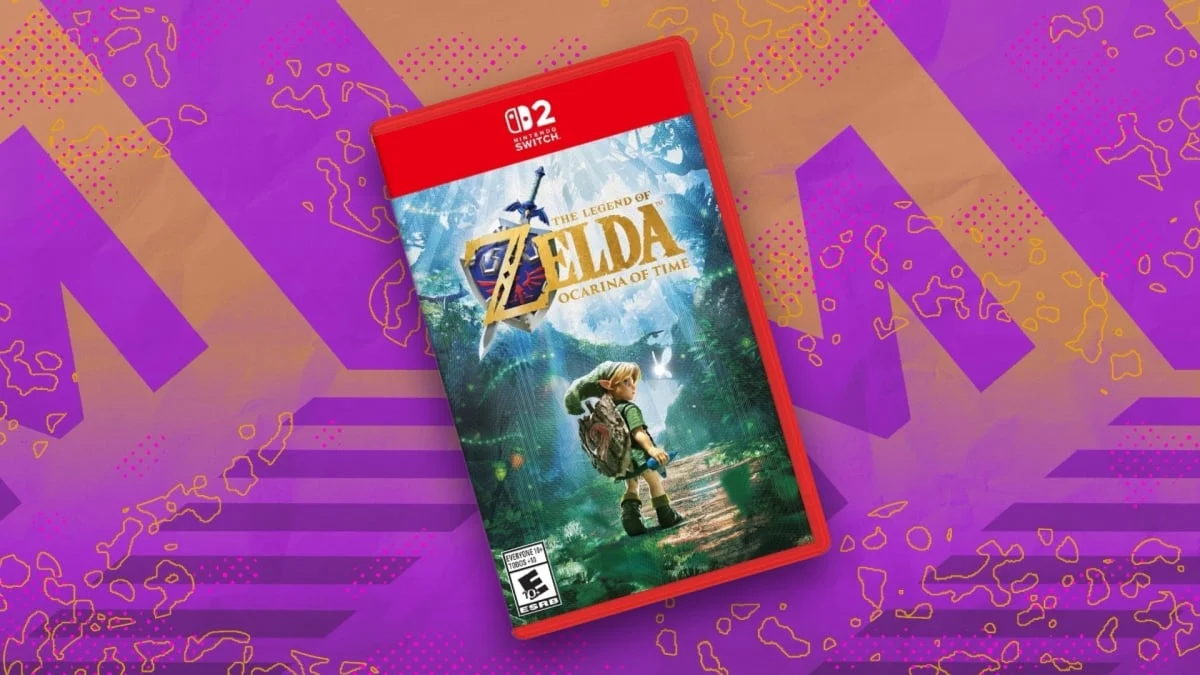
The gaming world is currently gripped by a wave of profound nostalgia mixed with cutting-edge anticipation. Nintendo has officially opened preorders for the highly anticipated The Legend of Zelda: Ocarina of Time remake, developed specifically for the upcoming Nintendo Switch 2. As the release date of November 5 fast approaches, eager fans have already begun securing their copies.
In a surprising turn for early adopters, Amazon has already initiated a significant promotion, slashing the price of the physical edition by $10. While the standard retail price is set at $69.99, savvy consumers can currently lock in their preorders for just $59.99. This discount, combined with Amazon’s industry-standard "Preorder Price Guarantee," ensures that customers are protected against future price fluctuations, paying only the lowest price offered between the moment of purchase and the official ship date.
The Evolution of a Masterpiece: Main Facts and Gameplay
Widely considered one of the greatest video games ever conceived, the original 1998 Ocarina of Time fundamentally altered the trajectory of action-adventure titles. The upcoming Switch 2 remake is not merely a graphical touch-up; it is a comprehensive reimagining of Link’s journey through time.
Recent gameplay footage has ignited intense discussion within the community. Analysts and fans who have dissected the trailers note significant overhauls to the game’s engine. Lighting systems appear to have been modernized, providing a dynamic day-night cycle that feels more immersive than ever. Furthermore, the character models for Link, Zelda, and the antagonist Ganondorf have been rebuilt from the ground up, blending the iconic character designs of the N64 era with the modern aesthetic standards of the current generation.
Beyond the visuals, the combat mechanics have seen a subtle but effective refinement. The "Z-Targeting" system—a revolutionary invention of the original game—has been polished to be more responsive, while the environmental puzzles are rumored to feature more intuitive cues to accommodate modern gaming sensibilities while retaining the challenging spirit that defined the original experience.
A Chronology of the Legend: The Path to the 40th Anniversary
To understand the gravity of this release, one must look at the timeline of the Zelda franchise. Since the debut of The Legend of Zelda on the Nintendo Entertainment System in 1986, the series has served as the heartbeat of Nintendo’s hardware strategy.
- 1986: The original Legend of Zelda is released, introducing players to the Kingdom of Hyrule.
- 1998: Ocarina of Time hits the Nintendo 64, introducing 3D exploration and a sophisticated lock-on combat system.
- 2011: Ocarina of Time 3D is released for the Nintendo 3DS, marking the first major revisit of the title.
- 2024 (Early Year): Rumors of a Switch 2 successor begin to dominate industry news, with speculation mounting that a tentpole title would be needed for the launch window.
- October 2024: Nintendo confirms the "Zelda 40th Anniversary" hardware collection, including a limited edition console and peripherals.
- November 5, 2024: The scheduled release date for the Ocarina of Time remake.
This release is strategically timed to coincide with the 40th anniversary of the franchise, serving as a bridge between the historical roots of the series and the technical prowess of the next-generation Nintendo Switch 2.
Supporting Data: Why Collectors are Rushing
The fervor surrounding this release is not just about the software; it is about the physical artifacts that accompany it. Nintendo has confirmed that the first print run of the physical edition will feature special "textured foil cover art." In the secondary market, such early-run physical copies of high-profile Nintendo titles have historically held their value exceptionally well, and often appreciate over time.
For the collector, the "Zelda 40th Anniversary" hardware ecosystem provides a complete package. Releasing on October 29, just one week prior to the game’s launch, the special-edition Switch 2 console, Pro Controller, and carrying case are designed to be the ultimate set-piece for any gaming collection. The scarcity of these items, combined with the prestige of the Zelda brand, has led many retail analysts to predict that these items will sell out within hours of their availability.
Official Responses and Strategic Positioning
Nintendo has been characteristically measured in its marketing, relying on the sheer weight of the game’s legacy to generate hype. In a recent presentation, a Nintendo spokesperson noted, "Our goal with this remake is to preserve the soul of the original game while ensuring it feels at home on the powerful architecture of our next-generation hardware."
The decision to offer both digital and physical copies at the same launch price is a deliberate move to appease different sectors of the fanbase. While digital offers convenience and immediate access, the physical edition remains a prized possession. The price reduction at major retailers like Amazon suggests a competitive push to capture the "day one" audience, solidifying the game’s position as the must-have title for the upcoming holiday shopping season.
Broader Implications: What This Means for the Industry
The release of Ocarina of Time on the Switch 2 carries significant implications for the broader video game industry.
1. The Power of "Legacy Content"
This project serves as a case study for how to handle intellectual property. Rather than simply porting old code, Nintendo is investing in a full-scale reimagining. This demonstrates that there is a massive market for high-quality remakes that honor the source material while utilizing modern processing power to enhance the experience.
2. Physical Media in a Digital Age
The emphasis on "special packaging" and "foil cover art" for the physical edition highlights Nintendo’s continued commitment to physical media. In an era where digital storefronts are becoming the norm, Nintendo continues to prove that there is a robust, dedicated audience for physical collectibles, which in turn helps drive sales in brick-and-mortar retail sectors.
3. Hardware Synergy
By aligning the release of the game with the launch of a special-edition Switch 2, Nintendo is creating a "halo effect." Players who want the ultimate Ocarina of Time experience will feel compelled to purchase the themed hardware, which in turn drives the adoption rate of the new console. This synergy between software and hardware is a hallmark of Nintendo’s business model and remains the envy of the industry.
Final Thoughts: Should You Preorder?
If you are a fan of the Zelda series, or if you simply appreciate the history of the medium, the current preorder deal at Amazon is objectively the most logical path to acquisition. Not only does the $10 discount provide immediate savings, but the Preorder Price Guarantee removes the risk of waiting for a post-launch price drop.
Furthermore, given the historical precedent for "first print run" items, securing a physical copy early ensures you receive the special edition packaging. As we look toward the release on November 5, it is clear that The Legend of Zelda: Ocarina of Time will once again be the centerpiece of the gaming conversation. Whether you are a veteran of the N64 original or a newcomer ready to experience the legend for the first time, this remake promises to be a definitive moment in the history of the Nintendo Switch 2.
The stage is set, the controllers are primed, and the land of Hyrule is waiting. Ensure your copy is secured, and prepare for a return to one of the most beloved adventures ever told.
 Neng Nana
  Nila Kartika Wati
  Suro Senen