
 By Nana Muazin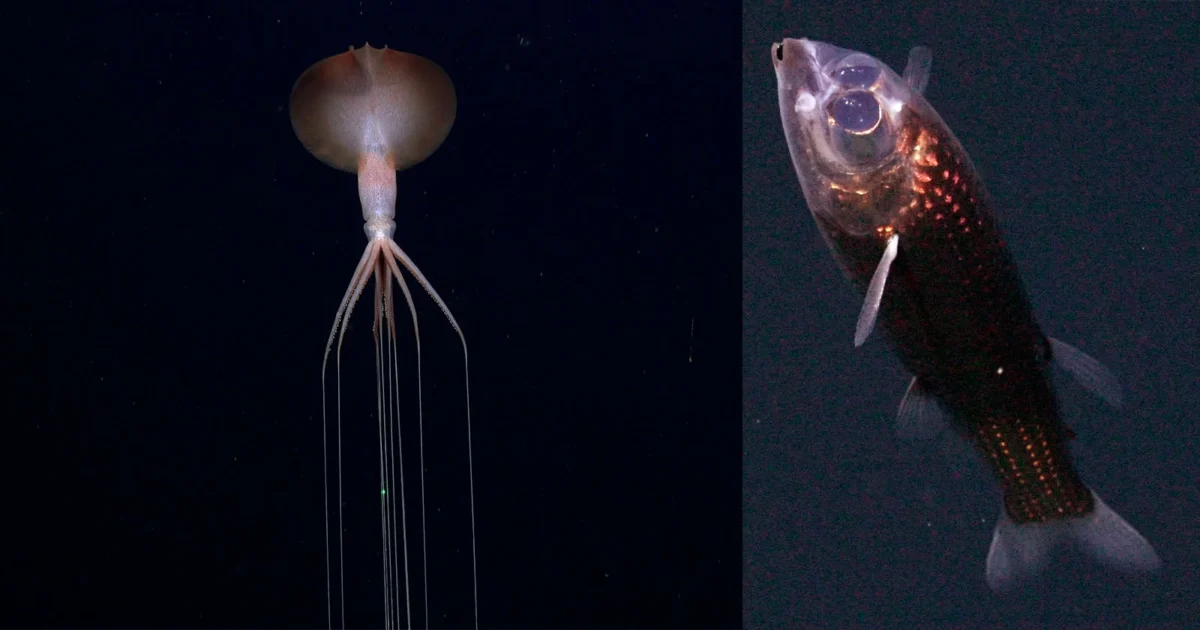
In the vast, inky expanse of the Atlantic Ocean, there exists a world governed by tectonic violence, extreme pressure, and an eternal, crushing darkness. For 35 days, a team of oceanographers and marine biologists aboard the research vessel Falkor (too) embarked on a high-stakes mission to peel back the veil on one of the planet’s least-understood frontiers: the Doldrums Megatransform and Fracture Zone.
Spanning a staggering 23,000 square miles—an area roughly equivalent to the surface of Lake Michigan—this region sits directly atop the Mid-Atlantic Ridge. It is a place where the Earth’s crust is torn apart, creating a rugged, mountainous underwater landscape that plunges thousands of feet into the abyssal zone. The expedition, led by the Monterey Bay Aquarium Research Institute (MBARI) and supported by the Schmidt Ocean Institute, has returned with more than just maps; they have brought back the first-ever footage of some of the ocean’s most elusive inhabitants and identified geological formations that could hold the keys to understanding life beyond Earth.
A Chronology of the Deep-Sea Expedition
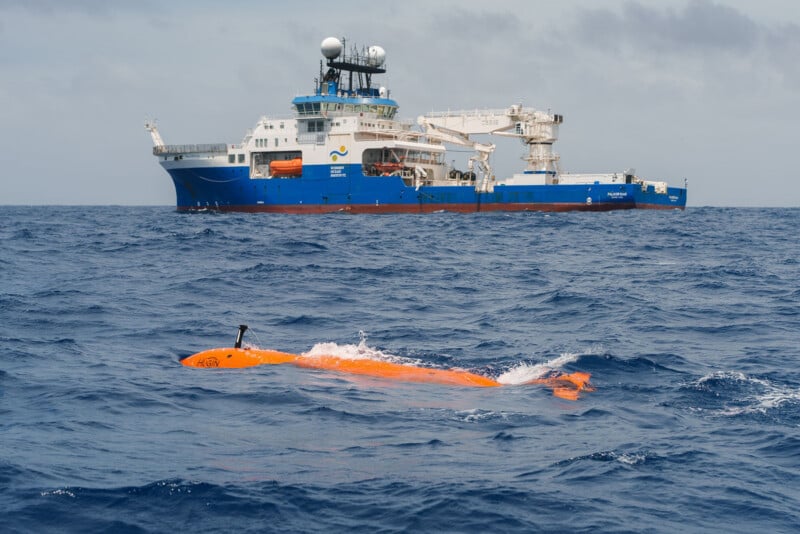
The mission was a masterclass in modern marine engineering. To explore the Doldrums, the team relied on a tandem of advanced technology: the remotely operated vehicle (ROV) SuBastian and the autonomous underwater vehicle (AUV) The Childlike Empress.
The Initial Descent
The expedition began with the primary objective of mapping the seafloor. Utilizing The Childlike Empress, the team successfully surveyed nearly 147 square kilometers at a high-resolution one-meter scale. This mapping phase was critical; the Doldrums Megatransform is characterized by tectonic fractures that constantly reshape the topography. By identifying these active fault lines, researchers were able to pinpoint high-probability areas for hydrothermal activity.
The Discovery of the "Black Smokers"
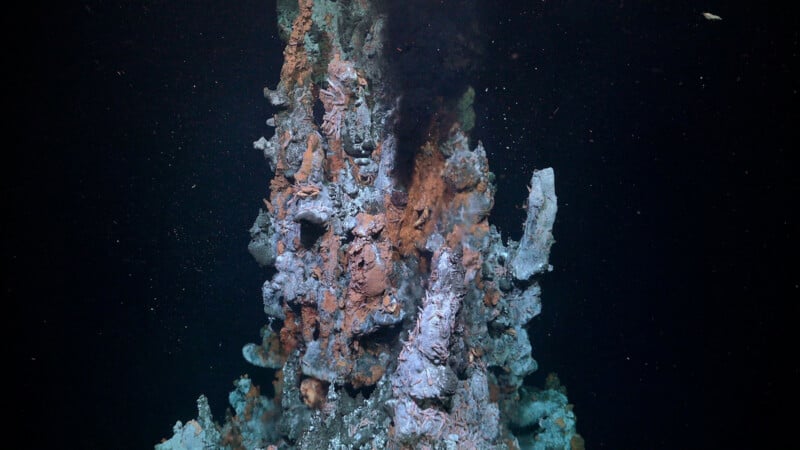
Midway through the expedition, the team hit a milestone: the discovery of two previously unknown hydrothermal vent fields. Nestled at a depth of 13,123 feet (4,000 meters), these "black smokers" serve as literal chimneys for the Earth’s inner heat. As superheated, mineral-rich fluid erupts from the crust and meets the near-freezing deep-sea water, the minerals precipitate, forming towering structures that provide a foundation for life.
The Biological Breakthroughs
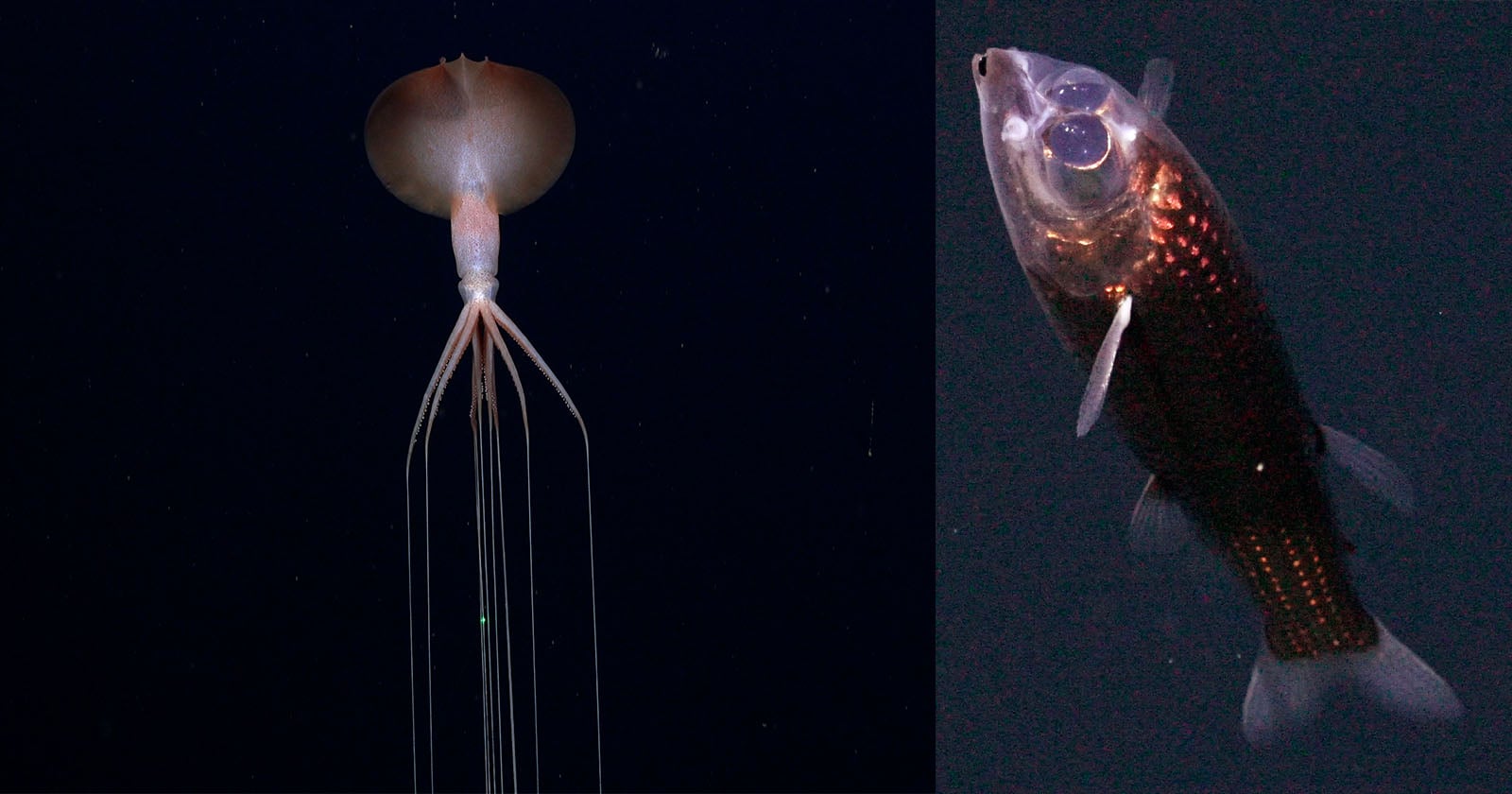
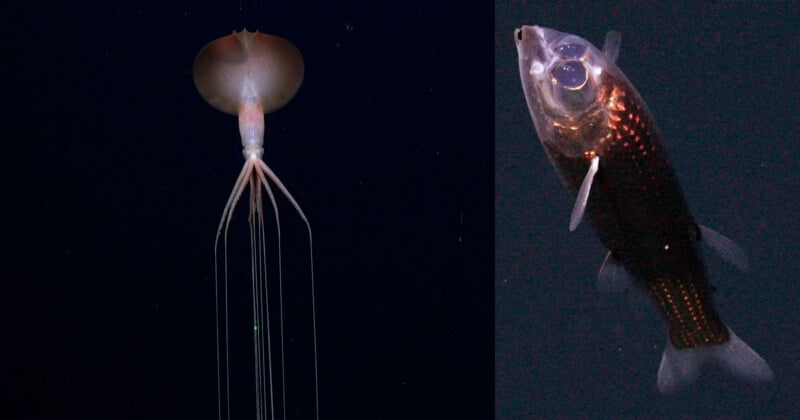
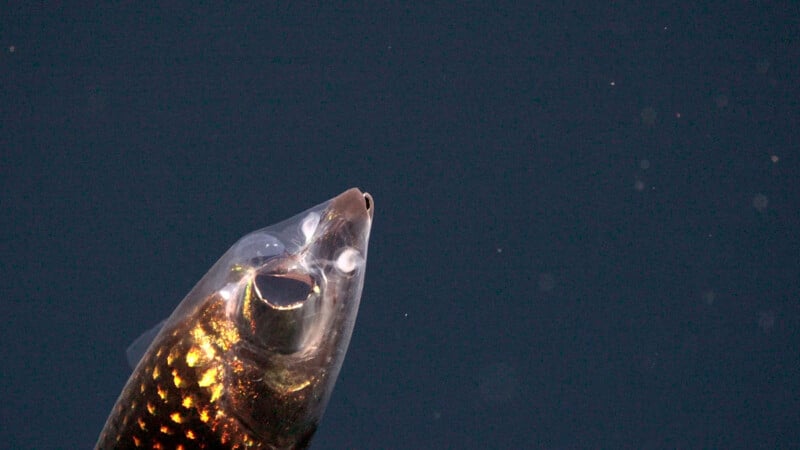
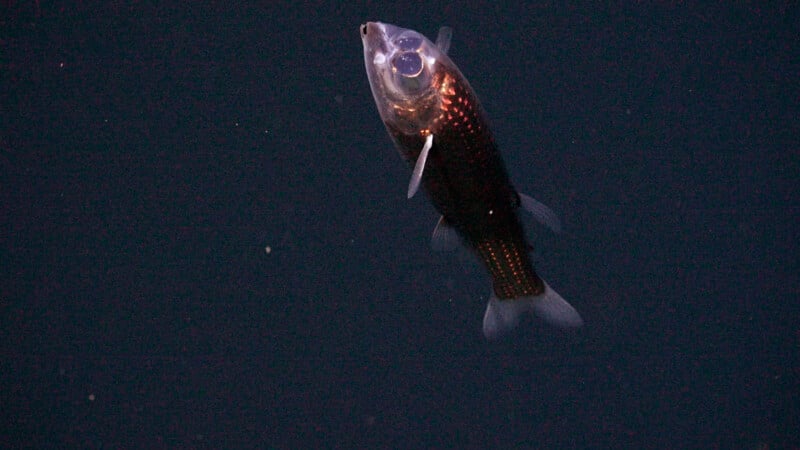
Following the geological mapping, the team deployed the ROV SuBastian to conduct close-range visual surveys. It was during these dives that the team captured the crown jewel of the expedition: the first-ever high-definition footage of a living barreleye fish in its natural habitat. Previously, scientists only knew this species through damaged specimens retrieved by deep-sea fishing nets, which inevitably destroyed the fish’s delicate, fluid-filled frontal dome. Seeing it alive, hovering gracefully in the dark, provided a radical shift in our understanding of its behavior.
The Science of the Abyssal Food Web
The discovery of the hydrothermal vents provided the team with a unique laboratory to study chemosynthesis. Unlike surface ecosystems that rely on photosynthesis—the conversion of sunlight into energy—the ecosystems of the Doldrums operate in complete darkness.
Chemosynthesis: Life Without Light
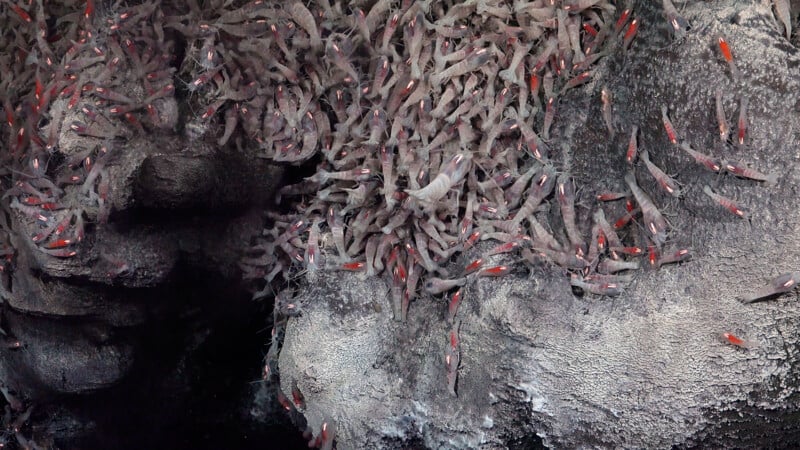
The research team observed dense swarms of shrimp and crabs congregating around the mineral chimneys. These organisms do not graze on algae or hunt in the traditional sense. Instead, they rely on a symbiotic relationship with chemosynthetic bacteria. These microscopic organisms convert the chemicals emitted by the hydrothermal vents into energy. This process forms the bedrock of the entire deep-sea food web, proving that life can flourish in environments that would be considered sterile by terrestrial standards.
The Sargassum Connection
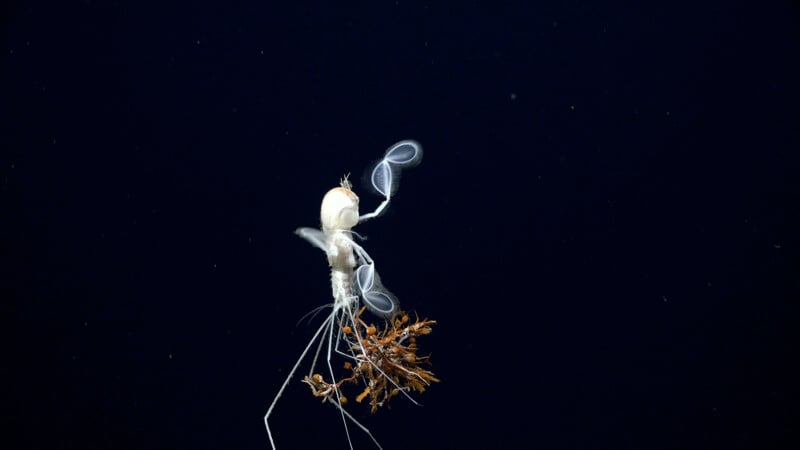
Perhaps the most unexpected observation was that of the deep-sea isopod Bathyopsurus nybelini. Researchers observed these creatures carrying pieces of sunken sargassum, a type of brown macroalgae that grows at the ocean surface. This discovery highlights a profound connection between the surface and the abyss. When sargassum dies and drifts to the bottom, it acts as a "marine snow," providing a vital influx of carbon to animals living thousands of meters deep. It is a stark reminder that even the most remote parts of the ocean are inextricably linked to the surface world.
The Elusive Giants: Barreleyes and Bigfin Squids
The photographic evidence captured by the SuBastian is nothing short of breathtaking. The barreleye fish, with its tubular, upward-facing eyes and transparent head, appeared almost alien against the black backdrop of the deep.
Equally mesmerizing was the encounter with the bigfin squid. Known for its distinct, thread-like tentacles that can reach lengths of 25 feet (eight meters), the bigfin is arguably the most mysterious cephalopod on the planet. Seeing it drift in the current, its long appendages trailing like fine wires, reinforced the idea that the deep sea is home to creatures that defy our standard biological classifications.
Official Perspectives and Expert Commentary
The significance of the expedition was underscored by the team’s lead researchers, who emphasized that the data collected will provide material for years of analysis.
"We arrived searching for vents, faults, and seamounts. We leave with something even more valuable: a deeper understanding of ecosystems in one of the least explored regions of the Atlantic Ocean," said Dr. Paula Zapata Ramirez, an assistant professor at the Universidad Pontificia Bolivariana. "Every sample, every image, and every discovery brings us one step closer to understanding the hidden parts of our planet."
Dr. Jyotika Virmani, Executive Director of the Schmidt Ocean Institute, highlighted the broader implications of the mission, particularly regarding the phenomenon of "serpentinization."
"Serpentinization is a process in which seawater reacts with minerals in rocks, producing heat and chemical energy that allow life to thrive in the deep ocean without sunlight," Dr. Virmani explained. "A better understanding of these systems could provide clues for finding life on other planets, such as the icy moons of Jupiter or Saturn, where similar hydrothermal conditions may exist."
Implications: Why the Doldrums Matter
The Doldrums Megatransform and Fracture Zone is not merely a geological curiosity; it is a critical piece of the planetary puzzle. The findings from this expedition have three major implications for future scientific endeavors:
- Astrobiology and Extraterrestrial Life: By studying how organisms utilize chemical energy from serpentinization, astrobiologists can refine their criteria for identifying habitable zones on other celestial bodies. If life can exist here, under the extreme pressure of the Atlantic abyss, it strengthens the argument that life could exist in the subsurface oceans of Enceladus or Europa.
- Climate and Carbon Sequestration: The observation of sargassum at 4,000 meters deep provides new data on how the deep ocean sequesters carbon. Understanding the rate at which surface-grown biomass reaches the seafloor is vital for climate modeling and understanding the global carbon cycle.
- Tectonic Dynamics: The mapping of the Mid-Atlantic Ridge continues to provide insights into how the Earth’s crust moves and evolves. The Doldrums zone acts as a pressure valve for the planet’s tectonic plates, and understanding these fractures is essential for assessing seismic activity in the Atlantic.
Conclusion: The Unfinished Map
As the Falkor (too) returns to port, the scientific community is left with a sense of both accomplishment and humility. The expedition successfully demonstrated that with the right technology, the "impossible" can be seen. Yet, the Doldrums Megatransform remains vast, and this 35-day mission likely only scratched the surface of what lies beneath.
The success of the SuBastian and The Childlike Empress proves that the era of deep-sea exploration is in a golden age. We are no longer limited to guessing what exists in the abyssal zone based on dead specimens; we can now observe the dance of life in its own territory. As Dr. Ramirez noted, every discovery is a stepping stone. The creatures of the Doldrums—from the glowing-eyed barreleye to the thread-armed bigfin squid—are not just inhabitants of a remote zone; they are the neighbors we are only just beginning to meet, and their stories are far from finished.
 Raul Delapena Setiawan
  rifanmuazin
  Ammar Sabilarrohman