
 By Lina Irawan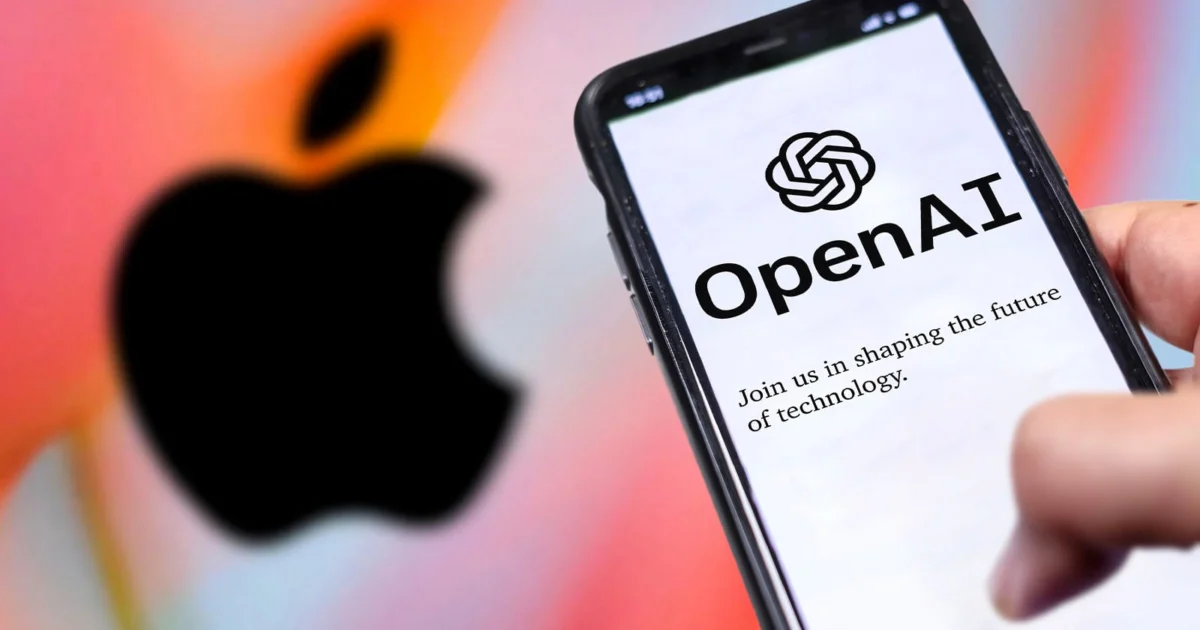
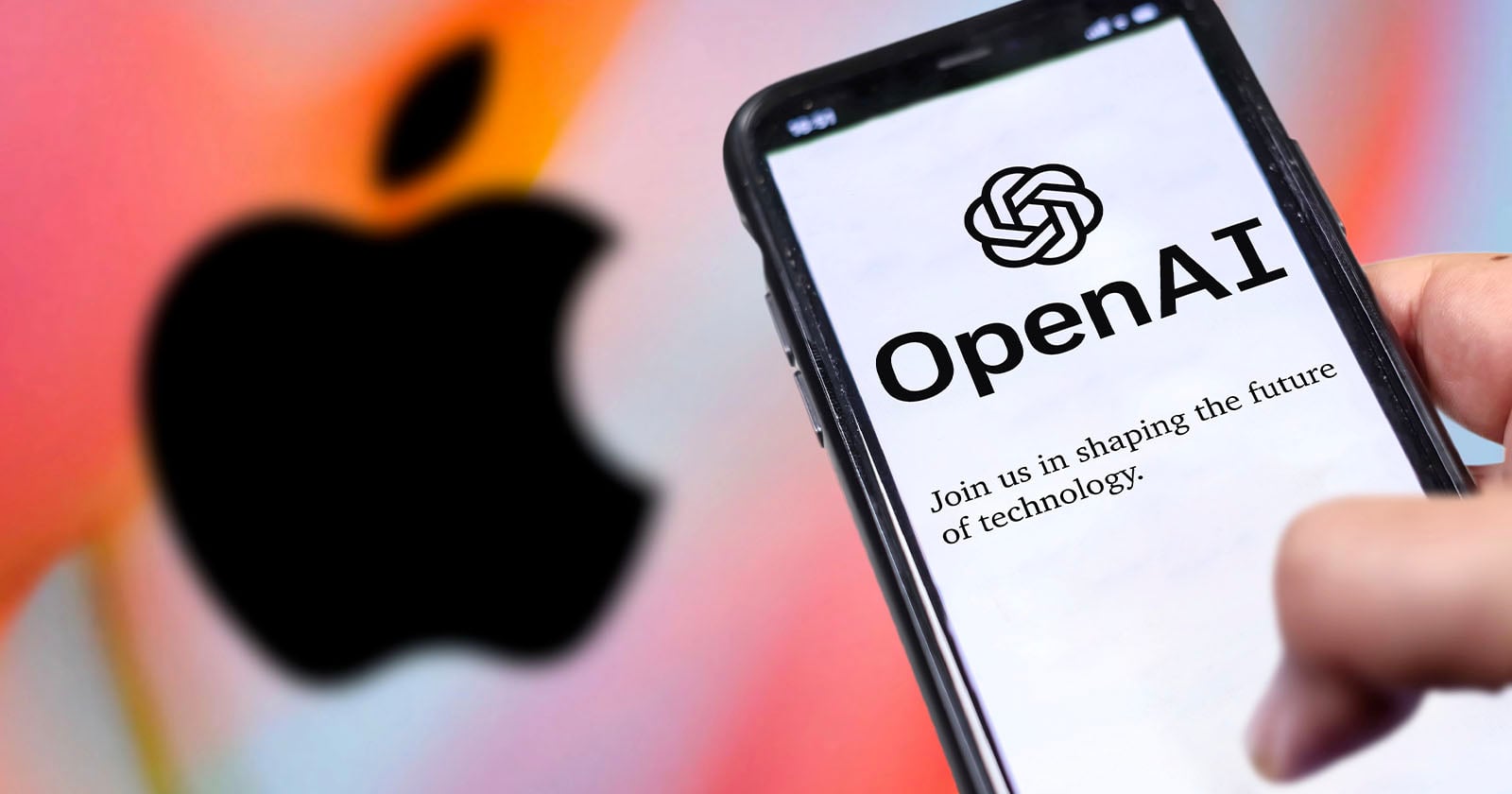
In a landmark legal confrontation that signals the intensifying war between traditional tech giants and the rapidly scaling artificial intelligence sector, Apple Inc. has launched a sweeping lawsuit against OpenAI. The litigation, filed in the U.S. District Court for the Northern District of California, alleges a coordinated, systemic effort by OpenAI to misappropriate proprietary hardware trade secrets to fast-track its entry into the consumer electronics market.
The lawsuit names not only OpenAI as a corporate entity but also io Products—the hardware startup founded by legendary designer Jony Ive—alongside two high-profile former Apple executives: Tang Tan and Chang Liu. Apple’s complaint paints a picture of a "pattern of theft" that goes beyond isolated incidents of employee misconduct, suggesting a strategic maneuver by OpenAI to harvest Apple’s years of R&D to bypass the notoriously difficult hurdles of hardware manufacturing.
The Core Allegations: A Breach of Trust
At the heart of the complaint is Apple’s assertion that OpenAI has systematically targeted its workforce to siphon off confidential engineering blueprints, manufacturing specifications, and proprietary project files. Apple alleges that the defendants engaged in an orchestrated effort to "bleed" the company of its competitive advantage in hardware development.
According to court documents, Apple first became aware of potential irregularities earlier this year. In February, Apple leadership reached out to OpenAI to formally request an internal investigation into the suspected misconduct. Despite the gravity of the allegations, Apple claims that OpenAI’s leadership failed to provide a substantive response or cooperate in addressing the security breaches, effectively forcing the iPhone maker to seek judicial intervention.
Apple’s complaint specifies that the misappropriation involved highly sensitive materials, including:
- Engineering Blueprints: Detailed schematics for unreleased hardware components.
- Manufacturing Techniques: Proprietary processes that allow Apple to achieve its signature build quality and scale production.
- Project Codenames: Internal references used to track the development of "next-generation" devices.
- Supplier Relationships: Confidential data regarding Apple’s long-standing manufacturing partners, which OpenAI allegedly leveraged to solicit work without Apple’s authorization.
Chronology of the Conflict: From Cupertino to the Courtroom
The timeline of the alleged activity traces back to the shifting landscape of Silicon Valley talent.
- 2024: Tang Tan, formerly Apple’s Vice President of Product Design—a key figure who oversaw the iPhone and Apple Watch hardware divisions—departs the company to join Jony Ive’s startup, io Products.
- 2025: OpenAI completes a massive $6.5 billion acquisition of io Products. This deal brings Tan and a cohort of more than 50 engineers directly into the OpenAI fold, providing the AI company with an instant, veteran-led hardware team.
- Early 2026: Reports emerge regarding the aggressive recruitment of Apple personnel. Apple alleges that during interviews, candidates were prompted by recruiters—including Tan—to bring physical prototypes, CAD files, and "show and tell" materials to demonstrate their intimate knowledge of Apple’s pipeline.
- February 2026: Apple issues a formal inquiry to OpenAI regarding potential intellectual property theft.
- July 2026: Following a lack of satisfactory resolution, Apple files its formal complaint in federal court, seeking both monetary damages and a permanent injunction against the use of its proprietary data.
The Role of Former Apple Insiders
The lawsuit places significant focus on the actions of two specific individuals, Tang Tan and Chang Liu, portraying them as the conduits through which Apple’s secrets were funneled into OpenAI’s R&D labs.
Tang Tan, who spent years at the apex of Apple’s product design team, is accused of fostering a culture of solicitation. The complaint alleges that Tan used his intimate knowledge of Apple’s internal project codenames to pressure interviewees to disclose confidential details about unreleased products. By requesting "actual parts" during hiring sessions, Apple claims Tan was not merely evaluating talent but actively mining for corporate intelligence.
Chang Liu, a former senior systems electrical engineer with an eight-year tenure at Apple, faces even more direct accusations. Apple claims that after his departure earlier this year, Liu continued to access secure Apple internal systems by exploiting a previously unknown security vulnerability. The lawsuit details how Liu allegedly downloaded massive tranches of engineering data and provided instructions to remaining employees on how to circumvent internal security protocols to "exfiltrate" data without raising red flags.
Supporting Data: A Growing Exodus
The scale of the conflict is underscored by the sheer number of personnel moving between the two companies. According to filings, more than 400 former Apple employees are now on the payroll at OpenAI. While the vast majority of these individuals are not accused of wrongdoing, Apple argues that this mass migration created a "vector for exploitation," which OpenAI allegedly capitalized on to accelerate its development cycle.
Apple’s legal team contends that this is not a case of standard "knowledge transfer," where employees carry general skills to a new role. Instead, they argue it is a calculated effort to replicate Apple’s "secret sauce"—its unique manufacturing techniques and supply chain management—which takes decades of investment and trillions of dollars to perfect.
Official Responses: A Clash of Narratives
The response from OpenAI has been swift and dismissive of the allegations. In a statement released on X (formerly Twitter) by the company’s Director of Strategic Communications, Drew Pusateri, OpenAI sought to frame the lawsuit as a distraction from its mission.
"We have no interest in other companies’ trade secrets," the statement read. "We remain focused on building innovative technology that empowers people everywhere."
Apple, conversely, has leaned into its long-standing corporate identity as a protector of its creative and engineering work. An Apple spokesperson stated: "At Apple, our teams are constantly developing breakthrough technologies to create the best products and services in the world, and protecting their work and intellectual property is something we take very seriously."
Implications: The Future of AI Hardware
This lawsuit marks a turning point in the industry. As companies like OpenAI move beyond software—having already launched large language models—into physical, consumer-facing hardware, the boundaries of intellectual property become increasingly blurred.
The implications of this case are three-fold:
- Increased Scrutiny on Hiring: Tech companies will likely implement stricter "non-solicitation" and "non-disclosure" agreements, potentially complicating the movement of talent in the competitive AI job market.
- Hardware vs. Software Paradigms: The case highlights the fundamental difference between the "move fast and break things" philosophy of the AI software world and the "precision and secrecy" culture of the hardware industry. When these two cultures collide, trade secret litigation is becoming an inevitable outcome.
- Precedent for Future Injunctions: If Apple is successful in securing an injunction, it could effectively freeze OpenAI’s hardware development pipeline for months or even years, forcing a complete redesign of products currently in development. This would be a massive blow to OpenAI’s ambition to integrate its AI models into dedicated, physical devices.
This legal battle is also occurring against a backdrop of previous controversies. OpenAI has already faced scrutiny from other hardware entities, such as the startup iyO, which filed its own trade secret claims earlier this year. These mounting legal challenges suggest that OpenAI’s aggressive push into hardware is being closely watched—and heavily guarded against—by established industry players.
As the case moves through the Northern District of California, the court will be forced to weigh the right of employees to move between companies against the right of corporations to protect the proprietary technology that forms their lifeblood. For now, the hardware world waits to see whether OpenAI’s future devices will be viewed as innovative breakthroughs or, as Apple alleges, a collection of stolen ideas wrapped in a new chassis. The resolution of this case will undoubtedly set a precedent for how the next generation of AI-integrated devices will be built, secured, and litigated for years to come.
 Raul Delapena Setiawan
  rifanmuazin
  Ammar Sabilarrohman