
 By Asep Darmawan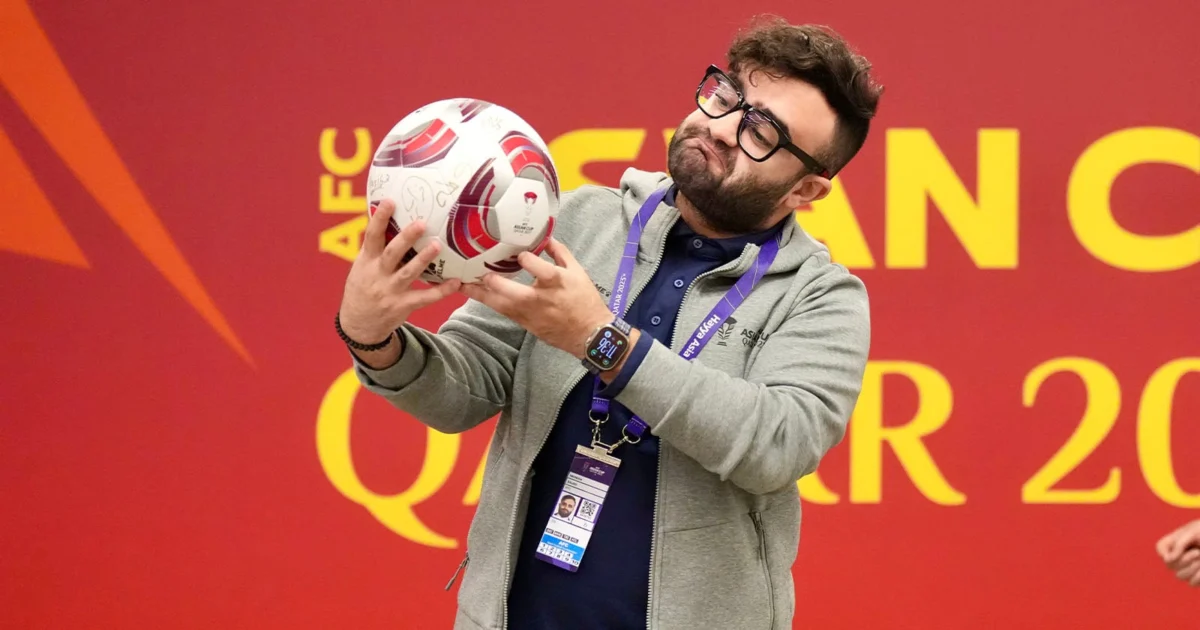
For 26-year-old Sajad Imanian, a career in sports photography and content creation has been defined by a passport stamped with the spirit of global unity. His Instagram feed serves as a vibrant portfolio of the world’s most prestigious sporting events: the high-octane atmosphere of the Paris Olympics, the tactical intensity of the AFC Women’s Asian Cup, and candid, lighthearted moments shared with legends like Jürgen Klopp. Yet, for all his professional success and his six-year residency in Australia, one border remains stubbornly closed to him: the United States.
As a social media strategist and photographer for the Asian Football Confederation (AFC), Imanian was slated to cover this year’s World Cup, a tournament co-hosted by the United States. Instead of capturing the drama on the field, he finds himself on the outside looking in, a casualty of a restrictive and opaque visa vetting process that critics argue is turning the "World’s Game" into a logistical minefield.
The Interview: A Gateway Closed
Imanian’s journey toward the U.S. World Cup ended not on a field, but in a sterile, high-pressure room at the U.S. Consulate General in Sydney. What was expected to be a routine visa interview for an accredited media member transformed into a grueling interrogation.
According to Imanian, the questioning bypassed his professional credentials and focused intensely on his origins. Officials interrogated him regarding his conscription status in Iran—a common point of contention for Iranian citizens seeking entry to the U.S.—and probed him about whether he had ever traveled to sensitive regions such as Gaza or Lebanon.
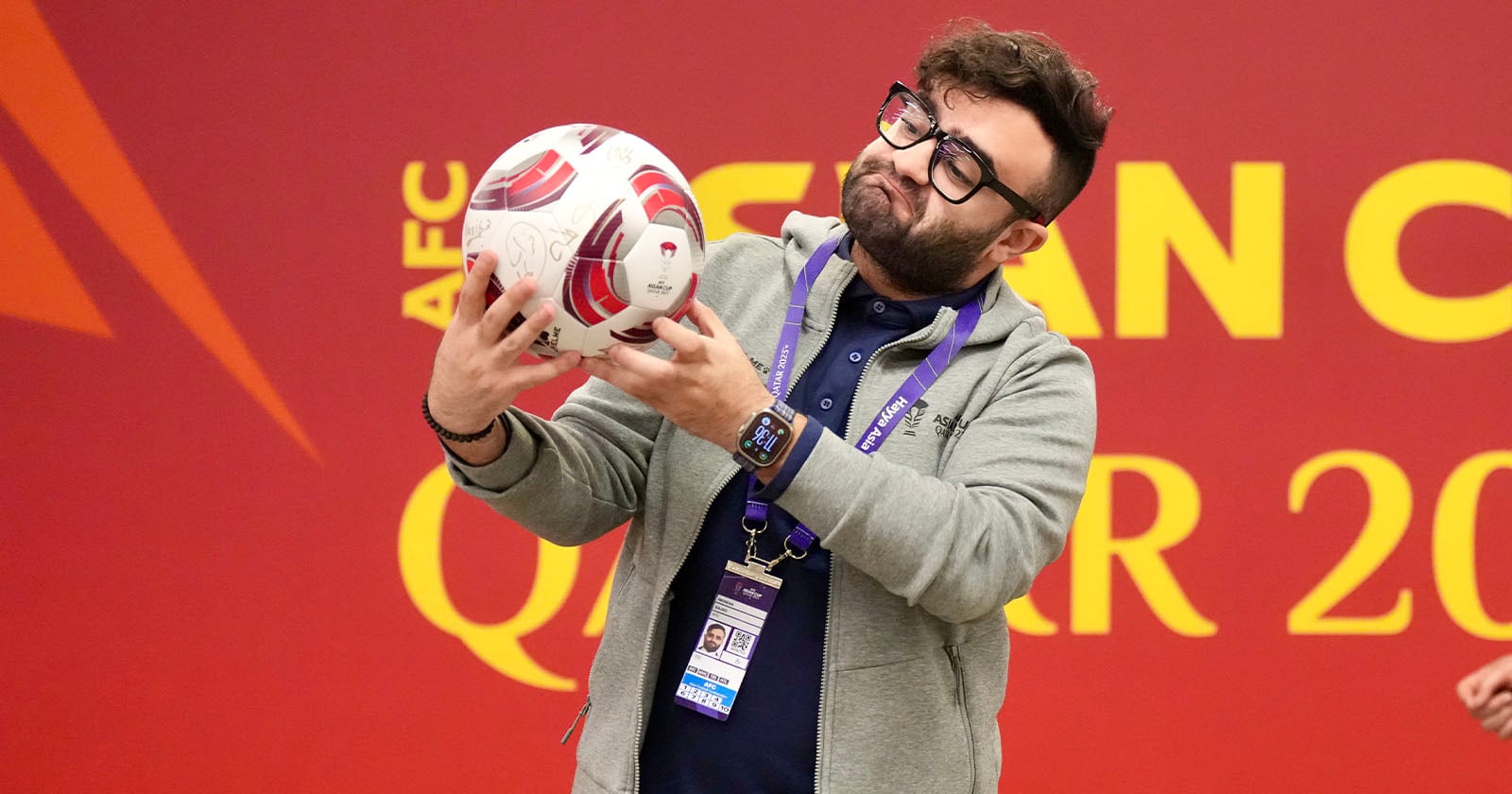
"I said I hadn’t even set foot in those places," Imanian told Nieman Reports. Despite his clear record and his role as a representative of an international sports body, the application was summarily rejected. The implication was clear: his nationality, rather than his individual history or professional standing, had become a prohibitive barrier to entry.
A Contrast in International Standards
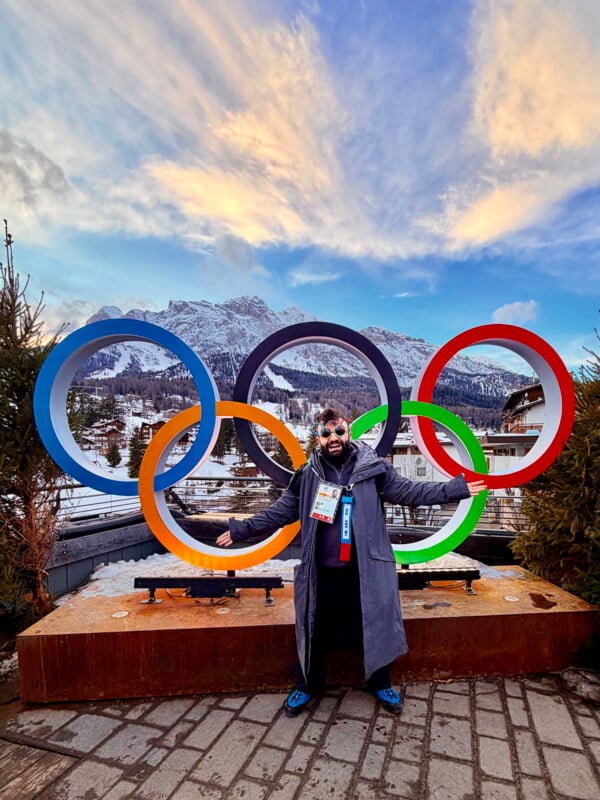
The frustration felt by Imanian is compounded by the stark contrast between U.S. immigration policies and those of other major host nations. During his coverage of the Paris Olympics and the Winter Olympics in Italy, Imanian experienced a seamless accreditation process.
"They’d send us an invitation letter on official letterhead that I’d use together with my Iranian passport, and that would be my travel authorization," Imanian explains. He notes that the system is built on professional trust; immigration officials and airlines recognize the validity of the Olympic-sanctioned documentation. "If you’re covering the Olympic Games, you present the invitation or ID card at the airport. The airlines recognize that letter, and the immigration officials recognize it, too."
This experience highlights a growing disconnect between the global nature of sporting media and the increasingly isolationist visa regimes that prioritize geopolitical suspicion over the free movement of journalists.
The Pattern of Exclusion: A Recurring Nightmare
Imanian is far from an isolated case. The denial of his visa is part of a broader, systemic issue that has plagued the buildup to the 2026 World Cup. Nieman Reports, a journalism institution based at Harvard University, has documented a troubling pattern of Iranian journalists and support staff being systematically barred from entering the U.S. to cover the tournament.
The trend extends beyond the press box to the teams themselves. Talal Salah, a team photographer for Iraq, faced a harrowing experience upon arrival in the U.S. Despite traveling with the team, Salah was denied entry upon landing at Chicago’s O’Hare International Airport. The incident served as a stark reminder that even official team accreditation offers no absolute protection against the unpredictable nature of border enforcement.
The Impact on Competitive Integrity
The exclusion of media and support personnel is not merely an inconvenience; it is fundamentally altering the competitive landscape of the World Cup. The Iranian national team, for instance, has openly expressed that their tournament participation has been compromised by logistical hurdles imposed by the U.S. government.
In a move that caught many in the soccer world off guard, the Iranian squad was forced to relocate their base of operations from Tucson, Arizona, to Tijuana, Mexico. The U.S. government’s refusal to allow the team to stay overnight on American soil created a logistical nightmare. The players were required to fly across the border immediately after playing matches on U.S. soil, severely limiting their recovery time and preparation capacity compared to their rivals.
Iran’s head coach, Amir Ghalenoei, did not mince words following his team’s opening match against New Zealand. "Our team is the most oppressed one in the whole World Cup," Ghalenoei stated. "Our federation isn’t here, our media isn’t here, our management isn’t here." His remarks underscore the sense of isolation felt by the delegation, who believe these administrative roadblocks are a deliberate attempt to handicap their performance.
Geopolitical Tensions and the "World’s Game"
The irony of the current situation is not lost on observers. FIFA, the governing body of world football, has long touted the World Cup as a vehicle for global diplomacy and cultural exchange. However, the hosting of the tournament in the United States—a nation with complex, often hostile diplomatic relations with several participating countries—has brought the intersection of sports and statecraft into sharp focus.
When a host nation uses its visa apparatus to selectively exclude journalists and team staff from specific countries, it raises profound questions about the viability of such nations hosting global events. The "Trump-era" immigration policies and subsequent administrative hurdles have created an environment where an Iranian passport—regardless of the holder’s career, background, or peaceful intentions—is often treated as a red flag.
Implications for Future Media Coverage
The implications for the journalism industry are severe. If sports journalists cannot trust that their credentials will grant them access to host countries, the diversity of voices covering these events will inevitably shrink. We are moving toward a reality where only journalists from nations with favorable diplomatic ties to the host country can adequately report on the tournament.
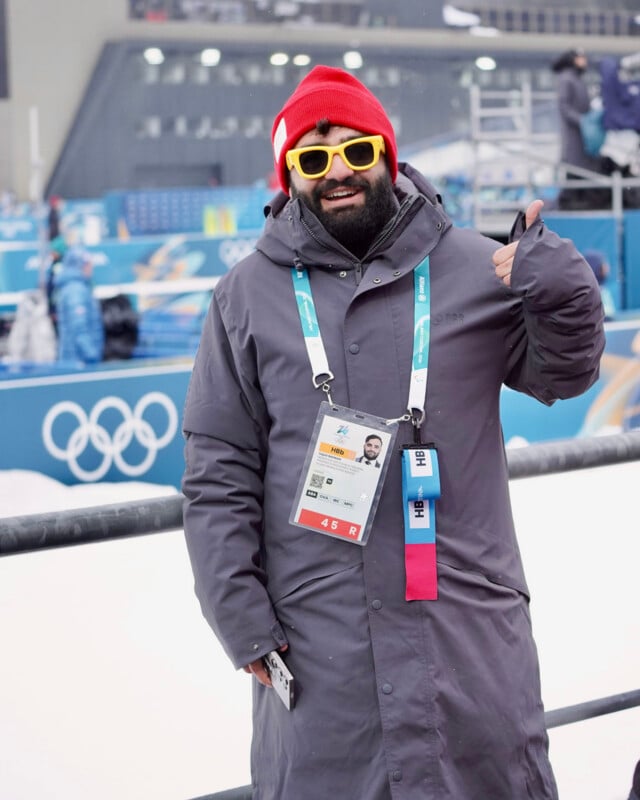
For individuals like Sajad Imanian, the impact is personal. Having built a career on the global stage, he now faces a professional ceiling. He is no longer just a photographer; he is a cautionary tale for any media professional who hails from a nation currently under the microscope of U.S. immigration authorities.
Moving Forward: The Need for Accountability
As the tournament progresses, the call for transparency regarding visa denials grows louder. Human rights advocates and press freedom organizations are demanding that FIFA and the host nations establish a "fast-track" or "guaranteed access" system for accredited journalists and team staff.
Without such protections, the 2026 World Cup risks being remembered not just for the goals scored on the pitch, but for the talent that was left behind at the border. The ability to document the games, share the stories of the players, and provide an unbiased account of the event is a fundamental component of the sports media ecosystem. When that access is denied, the integrity of the entire tournament is called into question.
For now, Sajad Imanian continues to share his work from afar, his photos serving as a bittersweet reminder of a world that is supposedly more connected than ever, yet increasingly fragmented by the stroke of an immigration officer’s pen. The "World’s Game" demands an open stage; the current visa crisis is ensuring that for many, that stage remains strictly off-limits.
 Raul Delapena Setiawan
  rifanmuazin
  Ammar Sabilarrohman