
 By Reynand Wu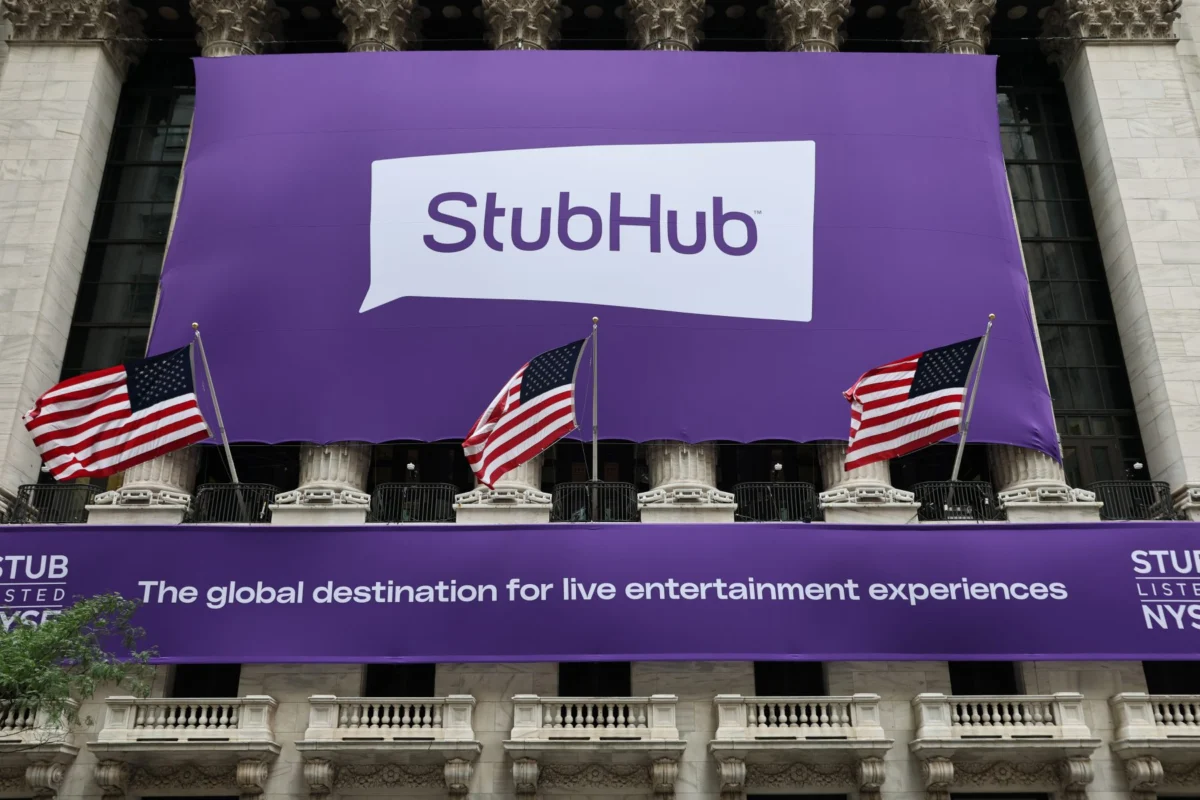
In the high-stakes world of secondary ticket markets, transparency has long been the primary point of contention between consumers and platforms. Now, those tensions have boiled over into a significant legal challenge. StubHub, one of the world’s most prominent ticket marketplaces, is facing a class-action lawsuit following revelations that its CEO, Eric Baker, has been a silent partner in a high-volume ticket reselling fund that has profited millions from the very platform he leads.
The lawsuit, filed on Monday, July 13, in the wake of a bombshell report by CBC News, alleges that while StubHub buried details of these financial conflicts within dense regulatory filings ahead of its 2025 IPO, it actively misled the public by branding itself as a "neutral marketplace" for fans.
The Genesis of the Controversy
The controversy centers on Andro Capital, a ticket reselling fund in which StubHub CEO Eric Baker holds a significant ownership stake. While the company maintained that these relationships were disclosed to the Securities and Exchange Commission (SEC) during the lead-up to its $758 million initial public offering (IPO) in September 2025, the depth and nature of the involvement were not widely understood by the millions of users who rely on the platform.
According to SEC documents unearthed by investigators, Andro Capital has been actively selling secondary-market tickets on StubHub since 2008. Perhaps more damaging is the revelation that since 2022, the fund has generated over $5 million in proceeds from these sales. Furthermore, an affiliate firm known as Colloquy Capital maintains a formal referral agreement with StubHub, creating a complex web of financial interdependencies that critics argue inherently compromises the "neutrality" of the marketplace.
A Chronology of Conflicts
The timeline of these revelations highlights a stark contrast between what was shared with institutional investors and what was communicated to the average ticket buyer.
- 2008: Andro Capital begins its operations as a ticket reseller, utilizing the StubHub platform to offload inventory.
- 2022–2024: During this period, the fund generates upwards of $5 million in proceeds from StubHub transactions. Simultaneously, StubHub markets itself heavily as a "fan-to-fan" venue.
- September 17, 2025: StubHub rings the opening bell at the New York Stock Exchange to celebrate its IPO. CEO Eric Baker is the face of this milestone, touting the platform’s growth and market dominance.
- July 10, 2026: CBC News publishes an investigative report detailing the contents of the pre-IPO SEC filings, bringing the connection between Baker and Andro Capital to the public’s attention.
- July 13, 2026: Louis Sanquini files a class-action lawsuit against StubHub, alleging fraud and deceptive trade practices.
The Plaintiff’s Argument: A "Neutral" Facade
The lead plaintiff, Louis Sanquini, represents what he hopes will become a nationwide class of aggrieved consumers. Sanquini’s experience, according to the court filings, mirrors that of countless others: he purchased tickets for a Kiss concert at Madison Square Garden in 2023 and a New York Red Bulls match in 2024, operating under the assumption that he was engaging in a transparent, fan-to-fan exchange.
The core of the lawsuit is the allegation of "deceptive marketing." The complaint notes that StubHub repeatedly positions itself as a service that "connects independent buyers and sellers." Sanquini argues that this is a fundamental misrepresentation.

"Plaintiff and members of the proposed class purchased tickets on StubHub believing they were buying from individual fans through a neutral marketplace, when in fact StubHub’s own leadership has a direct financial stake in, and StubHub itself helps finance, the large-scale resale operations that supply much of the platform’s inventory," the lawsuit states.
By failing to disclose this conflict of interest to the average consumer, the suit claims, StubHub has engaged in a form of systemic fraud. The legal team, led by Keven Steinberg, is seeking damages for unjust enrichment and violations of various state and federal consumer protection laws.
The Implications for Transparency and Trust
The legal battle is, as Steinberg puts it, "about transparency and consumer trust." In an era where digital platforms hold immense power over event access, the expectation of fairness is the bedrock of the business model.
If consumers believe a platform is effectively "gaming" its own system to benefit its leadership, the reputational damage could be irreversible. Steinberg emphasized that consumers are entitled to a complete and accurate picture when they engage with a platform. "Consumers deserve honesty and transparency when they make event purchasing decisions, particularly on platforms that market themselves as ‘neutral marketplaces.’ We believe the facts will demonstrate that these issues warrant careful judicial scrutiny."
The industry at large is watching closely. If the court finds that disclosing a conflict to the SEC is not equivalent to disclosing it to the consumer base, it could set a massive precedent for how tech platforms and marketplaces communicate their internal business dealings.
StubHub’s Stance and the Broader IPO Fallout
StubHub has maintained a largely defensive posture. In response to the recent outcry, a company spokesperson reiterated that the involvement with Andro Capital "has been fully disclosed in StubHub’s public SEC filings." This response highlights a growing divide between legal compliance—what is required in a financial prospectus—and ethical transparency, or what a company owes its customer base.
This lawsuit arrives at a particularly precarious time for the ticketing giant. Since its $23.50-per-share IPO in September 2025, StubHub’s stock price has faced downward pressure. The company is already embroiled in separate litigation from investors who claim that StubHub concealed significant cash flow issues leading up to the public offering.

StubHub has denied these investor claims, asserting that its regulatory materials were comprehensive and addressed all necessary business intricacies. However, the accumulation of these legal challenges paints a picture of a company struggling to balance its aggressive growth strategies with the demands of public accountability.
Looking Ahead: The Judicial Battleground
As the class-action suit moves forward, the court will likely need to determine whether the "neutral marketplace" branding constitutes an actionable misrepresentation. For the average fan, the question is simple: Does it matter who is selling the ticket, provided the price is fair?
Critics of the current resale model argue that it matters immensely. If professional scalping funds—especially those tied to the CEO—are given preferential treatment, access to inventory, or lower fee structures, it fundamentally tilts the playing field against the individual fan.
The prosecution of this case will be aggressive, according to legal experts, as the plaintiffs seek to uncover the full extent of the relationship between Andro Capital, Colloquy Capital, and StubHub. With the spotlight now fixed firmly on Eric Baker’s dual roles as CEO and investor, the case serves as a warning to other platforms: regulatory filings are not a shield against the court of public opinion, nor are they a substitute for transparent business practices.
Whether this litigation results in a settlement, a court-mandated change in business operations, or a complete overhaul of how ticket marketplaces disclose their internal affiliations remains to be seen. What is clear is that the trust of the American ticket-buying public has been severely tested, and the road to regaining it will require much more than standard corporate boilerplate.
 Nana Wu
  Lina Irawan
  Lina Hope