
 By Azzam Bilal Chamdy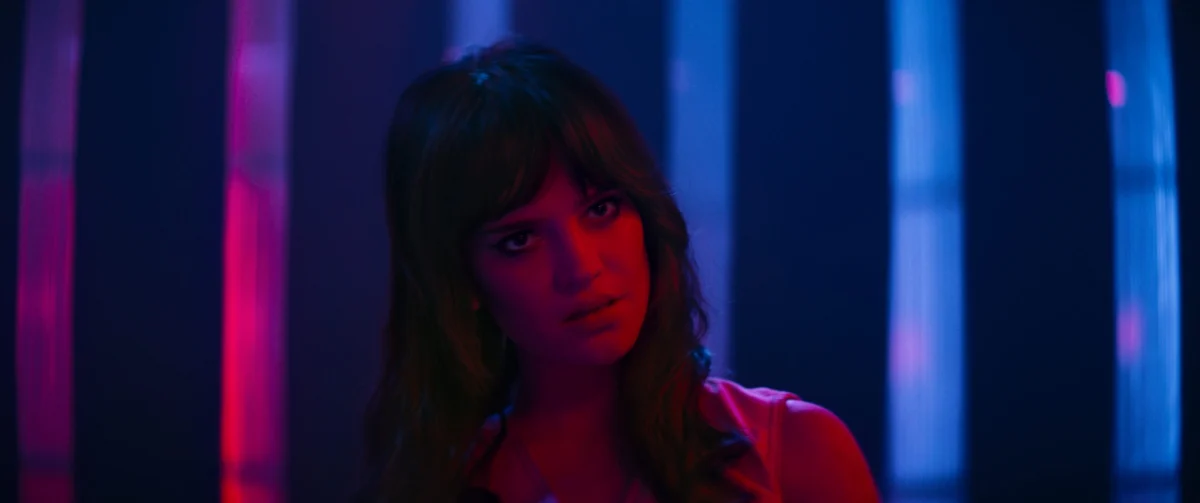
The streets of Montreal are once again electric with the unmistakable energy of the Fantasia International Film Festival. As the city’s social hubs and historic cinemas prepare for an 18-day marathon of the weird, the wonderful, and the terrifying, this year’s edition marks a historic milestone: the 30th anniversary of one of the world’s most influential genre showcases.
Opening its doors on July 16, the festival solidified its status as a global powerhouse by honoring Danish visionary Nicolas Winding Refn with the Cheval Noir Career Achievement Award. The night reached a fever pitch with the Canadian premiere of his latest feature, Her Private Hell, a Neon-backed, trope-defying thriller that serves as a visceral reminder of why Refn remains a singular voice in contemporary cinema.
A Legacy of Transgression: From ‘Pusher’ to the Present
Nicolas Winding Refn’s history with Fantasia is deeply woven into the festival’s own DNA. Emerging onto the global stage in 1996 with the gritty, influential Pusher—a film that also introduced the world to the magnetic screen presence of Mads Mikkelsen—Refn has been a fixture of the festival’s growth. In 2006, the North American premiere of Pusher 3 at Fantasia cemented his reputation among the Montreal faithful.
Returning to the festival two decades later to receive the Cheval Noir award, Refn reflected on the cyclical nature of his career. "Returning to Fantasia 20 years after the Pusher trilogy and receiving this award feels like stepping from black-and-white into color," Refn shared with Variety. "It’s a reminder that the journey is still unfolding—and it’s only getting better from here." Her Private Hell, his first feature film in a decade, arrives in North American theaters on July 24, promising to challenge audiences once again.
The Global Engine: 119 Features and the Frontières Market
Fantasia has long since evolved from a niche local gathering into an essential industry hub. This year’s program is staggering in scope, featuring 119 feature films and over 400 short films, curated to satisfy the most "omnivorous" of cinephile appetites.

Central to this ecosystem is Frontières, the festival’s four-day co-production market. What began as a modest networking experiment has exploded into a brand recognized globally at the Cannes and Berlin film markets. Its influence is expanding rapidly, with new, specialized editions launching in Tokyo and Toronto this year.
"Every company you talk to wishes they had more genre on their slate," explains Fantasia artistic director Mitch Davis. "Every generalist festival, including the big A-list festivals, have their midnight and genre sections, and also have genre in just about every other section of their lineup. In the early days of Fantasia, we knew everything that was out or coming out, but that has changed dramatically. What’s interesting now is that we have this pipeline with 30 years of alumni who keep us up to date with everything that they have or know about in development."
The "Freaks" Phenomenon and Closing Night Anticipation
The festival’s ability to nurture talent is best exemplified by the return of Vancouver-based directors Zach Lipovsky and Adam Stein. After a massive year helming major studio projects like Final Destination: Bloodlines, the duo has returned to their indie roots to close the festival with Freaks Part II.
The sequel picks up five years after the events of their 2018 breakout film, which followed a young girl named Chloe (Lorelei Olivia Mote) with the power to manipulate minds. "We have incredible memories of our first Freaks movie playing at Fantasia in 2019," Lipovsky noted. "We were blown away that there was a line around the block for our little Canadian indie, which opened a lot of doors for us. So, to return to the best genre festival in Canada and premiere the sequel to all our fellow freaks at Fantasia is a dream come true."
For Stein, the success of the Freaks franchise reflects a broader shift in audience behavior. "We’ve always loved genre filmmaking, so it’s exciting to see genre films taking over the mainstream. Audiences are more hooked on the fun theatrical experience of going to see genre movies in the theater, sharing twists and surprises with a dark room full of strangers."

High-Profile Premieres and Global Genre Stars
Beyond the closing night, the lineup is dense with high-profile projects and anticipated world premieres. Among the most talked-about is Jane Schoenbrun’s Teenage Sex and Death at Camp Miasma. Having already secured the Queer Palm award, the film is being heralded as a vital "slasher refresher."
"People lost their minds when we announced it because Jane is the most exciting filmmaker of their generation, a real poet of the genre," Davis said. The screening, attended by star Hannah Einbinder, is expected to be one of the festival’s defining moments.
The program also features Agnieszka Smoczyńska’s Hot Spot, a dystopian thriller starring Noomi Rapace as a "rebel cyber witch." Davis describes it as a work of singular vision: "It’s her biggest scale film to date, yet still the kind of film that only she could make—radical and experimental. It starts as a futuristic police thriller and cautionary tale about AI surveillance, then becomes a stream-of-consciousness fever dream that grows crazier and crazier."
A Spotlight on Canadian Cinema
The festival remains a staunch advocate for Canadian talent. Alongside Freaks Part II and the haunted-house exploration Ancestral Beasts by Tim Riedel, the Canadian slate includes:
- Home Bodies (dir. Casey Walker): A chilling tale of an automated house that receives a humanoid gift.
- Insectasy (dir. Angus Silver): A surreal coming-of-age narrative.
- Junction Row (dir. Ashlea Wessel): A creature feature featuring horror icon Katharine Isabelle.
- Permanent Damage (dir. Seth A. Smith): A surreal, biting critique of the housing crisis starring Stephen Dorff.
- Unholy Night (dir. Michael Gabriele): A festive infusion of Christmas-themed horror-comedy.
The Les Fantastiques week-ends du cinéma québécois section also promises intense local entries, such as Wiebke Von Carolsfeld’s Someone’s Daughter and Louis Gobbout’s La Place, which turns a simple parking dispute into a psychological nightmare.

The Evolution of the Genre Audience
As the festival enters its fourth decade, the demographics of the audience have undergone a profound transformation. According to Mitch Davis, the current festival-goer is more sophisticated and willing to engage with complex, experimental storytelling than ever before.
"Today’s young audiences are ready for films that are going to shake them up, films that they’ll have to work with in a sense to engage with," Davis reflects. He notes that the current global climate—marked by rapid technological shifts and political instability—is a natural incubator for genre cinema. "Times of crisis and massive global anxiety are when genre cinema tends to percolate."
Implications for the Future of Film
The success of Fantasia 2026 serves as a bellwether for the film industry at large. By bridging the gap between underground "guerrilla" filmmaking and major industry investment, Fantasia has proven that genre cinema is no longer the "forgotten" cousin of prestige drama. It is the lifeblood of the modern theatrical experience.
As the festival continues through its 18-day run, the focus shifts to the long-term impact of these premieres. With projects like Her Private Hell and Hot Spot signaling a return to bold, uncompromising vision, Fantasia is not just celebrating its past; it is dictating the aesthetic and narrative trends that will dominate the coming years. Whether it is the expansion of the Frontières market into Tokyo or the continued support of queer-coded horror, Fantasia remains an essential destination for anyone interested in the future of the moving image.
In a world increasingly dominated by algorithm-driven content, Fantasia’s commitment to the "dark room full of strangers" and the raw, visceral power of the big screen is more than just a festival tradition—it is a necessary act of cultural defiance.
 Siti Muinah
  Ammar Sabilarrohman
  Layla Zulfa