
 By Suro Senen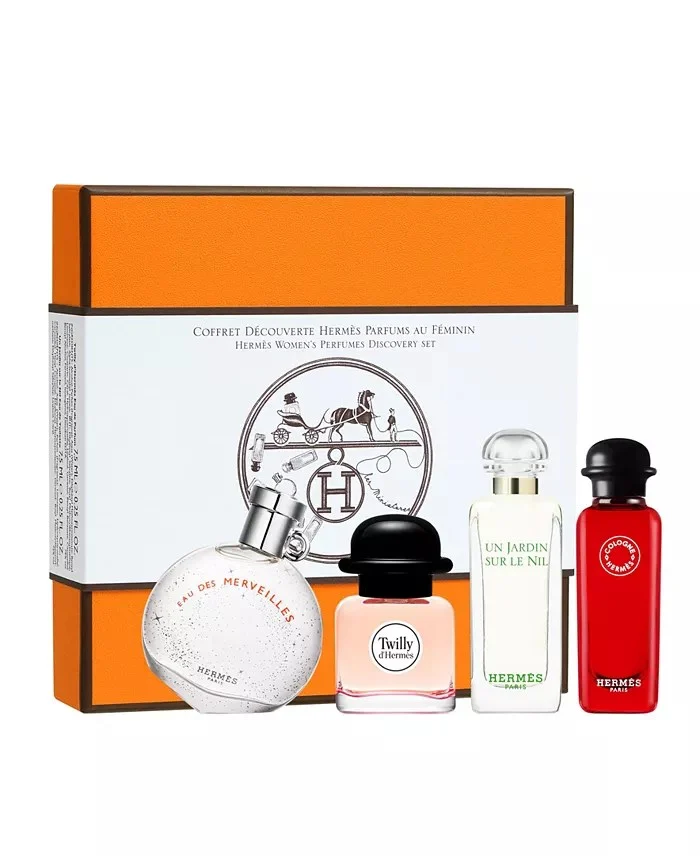
For over a century, the name Hermès has served as the ultimate shorthand for luxury, craftsmanship, and quiet status. From the architectural precision of the Kelly bag to the coveted, sun-drenched orange box, the French maison represents a pinnacle of the fashion hierarchy that is, by design, notoriously difficult to access. For the average enthusiast, the barriers to entry are high: multi-year waitlists, secondary market premiums that defy logic, and price points that place their leather goods in the realm of investments rather than simple accessories.
However, a shift in luxury retail strategy—exemplified by exclusive collections at major retailers like Macy’s—is creating a bridge between the aspirational consumer and the house of Hermès. By focusing on beauty, fragrance, and small leather goods, Hermès is proving that the essence of the brand can be captured in miniature. We examine how these accessible entry points are reshaping the landscape of luxury gifting and why these specific items are currently the most sought-after treasures for the discerning shopper.
The Evolution of Accessible Luxury: A New Strategy
The traditional Hermès experience is defined by scarcity. However, the brand’s beauty and fragrance divisions have quietly evolved to offer a more inclusive entry point. This shift does not dilute the brand’s heritage; rather, it democratizes the "Hermès feeling."
In the current retail climate, consumers are increasingly seeking "affordable luxuries"—items that offer the prestige of a high-fashion house without the prohibitive financial commitment of a boutique handbag. The introduction of curated sets, such as the Macy’s-exclusive Fragrance Miniatures Gift Set, represents a strategic move to capture the holiday market. By packaging multiple iconic scents into a single, accessible unit, the brand allows consumers to experience the full spectrum of their olfactory portfolio at a price point under $65.
Chronology of the Hermès Beauty Expansion
While Hermès has been a titan of silk and leather since 1837, its journey into the modern beauty space has been calculated and methodical.
- 2004: The launch of Un Jardin sur le Nil marked a pivotal moment for the brand, establishing the house as a serious contender in the fragrance world under the guidance of legendary perfumer Jean-Claude Ellena.
- 2020: The maison officially entered the makeup category with the launch of Rouge Hermès, a collection of lipsticks that translated the brand’s iconic color palette into wearable, high-pigment formulas. This was the first time the house had ventured into color cosmetics, signaling a desire to reach a broader, younger demographic.
- 2026 (Present Day): The current retail environment has seen a focus on "giftability." The collaboration with major department stores to create exclusive sets has turned these products into the gold standard for high-end gifting, moving beyond the niche collector market to reach mainstream luxury shoppers.
Supporting Data: Why Fragrance and Beauty Win
Why do these smaller items hold such sway? The answer lies in the psychology of "brand touchpoints."
Data from the luxury retail sector suggests that beauty and fragrance remain the strongest entry points for new luxury consumers. According to industry analysis, the "lipstick effect"—a term coined during economic downturns—often holds true even in prosperous times: when a consumer cannot afford a $10,000 bag, they will purchase a $70 lipstick to maintain a connection to a brand they admire.

The Hermès Fragrance Miniatures Gift Set includes four distinct pillars of the brand’s scent identity:
- Twilly d’Hermès: A youthful, spirited fragrance featuring ginger, tuberose, and sandalwood.
- Eau des Merveilles: A woody, spicy classic that captures the whimsical spirit of the brand.
- Un Jardin sur le Nil: A masterclass in green, aqueous notes, utilizing mango and lotus to evoke the banks of the Nile.
- Eau de Rhubarbe Écarlate: A crisp, unisex scent that highlights the brand’s ability to turn unconventional ingredients like rhubarb into sophisticated olfactory experiences.
The Art of the Object: More Than Just Cosmetics
Beyond the scent, these products function as objets d’art. The packaging for the Rouge Hermès lip line, designed by Pierre Hardy, features the brand’s signature color-blocked aesthetic. When paired with the accompanying canvas pouches and the iconic orange gift box, the unboxing experience is identical to that of a high-value leather purchase.
This design philosophy extends to the miniature fragrance bottles. Collectors often display these on mirrored trays, transforming functional beauty items into decorative accents for the home. This duality—utility and aesthetics—is what separates a standard gift from an Hermès gift.
Official Perspectives on Retail Partnerships
The exclusivity of these sets at retailers like Macy’s is a deliberate play by the brand to streamline the customer journey. By controlling where these "entry-level" products are sold, Hermès ensures that the customer experience remains elevated, even in a department store setting.
Industry experts note that such partnerships allow the maison to leverage the massive foot traffic of major retailers while maintaining a tight grip on brand equity. For the consumer, it removes the "gatekeeping" often associated with luxury boutiques. You are not required to build a relationship with a sales associate or prove your loyalty to the brand to secure a gift set; you simply need the desire to participate in the heritage of the house.
Implications for the Luxury Market
The success of these accessible collections has profound implications for the future of luxury retail.
1. The Democratization of the "Orange Box"
The Hermès orange box is arguably one of the most recognizable symbols in global retail. By offering products that allow a broader demographic to bring this box into their homes, the brand is effectively building a pipeline of future customers. Today’s fragrance buyer is tomorrow’s leather goods investor.

2. Shift in Gifting Trends
We are seeing a move away from generic luxury towards "functional luxury." Consumers want items they can use daily—a lip balm, a signature scent—rather than items that stay locked in a vault. The Rouge Hermès and Rose Hermès lip enhancer duo is a perfect example of this. The lip enhancer, which deposits a "rose confetti" tint, serves as both a cosmetic tool and a skincare staple, providing moisture while maintaining a sophisticated finish.
3. The Rise of the "Micro-Luxury" Aesthetic
Social media has played a significant role in the popularity of these items. Platforms like Instagram and TikTok have popularized the "shelfie"—a photograph of one’s beauty counter. Small, high-end items like Hermès miniatures are highly "Instagrammable," driving demand among younger, style-conscious consumers who prioritize the visual appeal of their vanity collections.
Conclusion: A Timeless Invitation
Whether you are a seasoned collector or a newcomer looking for your first piece of the maison, the current offerings at Macy’s provide a rare opportunity to engage with Hermès on your own terms. These sets do not merely offer perfume or lipstick; they offer a slice of the brand’s meticulous attention to detail, its history, and its unwavering commitment to quality.
As we move toward the holiday season, these items stand as a reminder that luxury does not always require a four-figure price tag. Sometimes, it is found in the scent of a garden on the Nile, the soft application of a rose-tinted balm, or the simple, tactile pleasure of opening a ribboned orange box. In a world where everything is moving faster, Hermès continues to offer something rare: the chance to slow down and savor the finer things, one miniature at a time.
Disclaimer: If you purchase an independently reviewed product or service through a link on our website, WWD may receive an affiliate commission. Our editorial team remains committed to providing expert-backed recommendations based on quality and value.
 Evan Lee Salim
  Nila Kartika Wati
  Ammar Sabilarrohman