
 By Nila Kartika Wati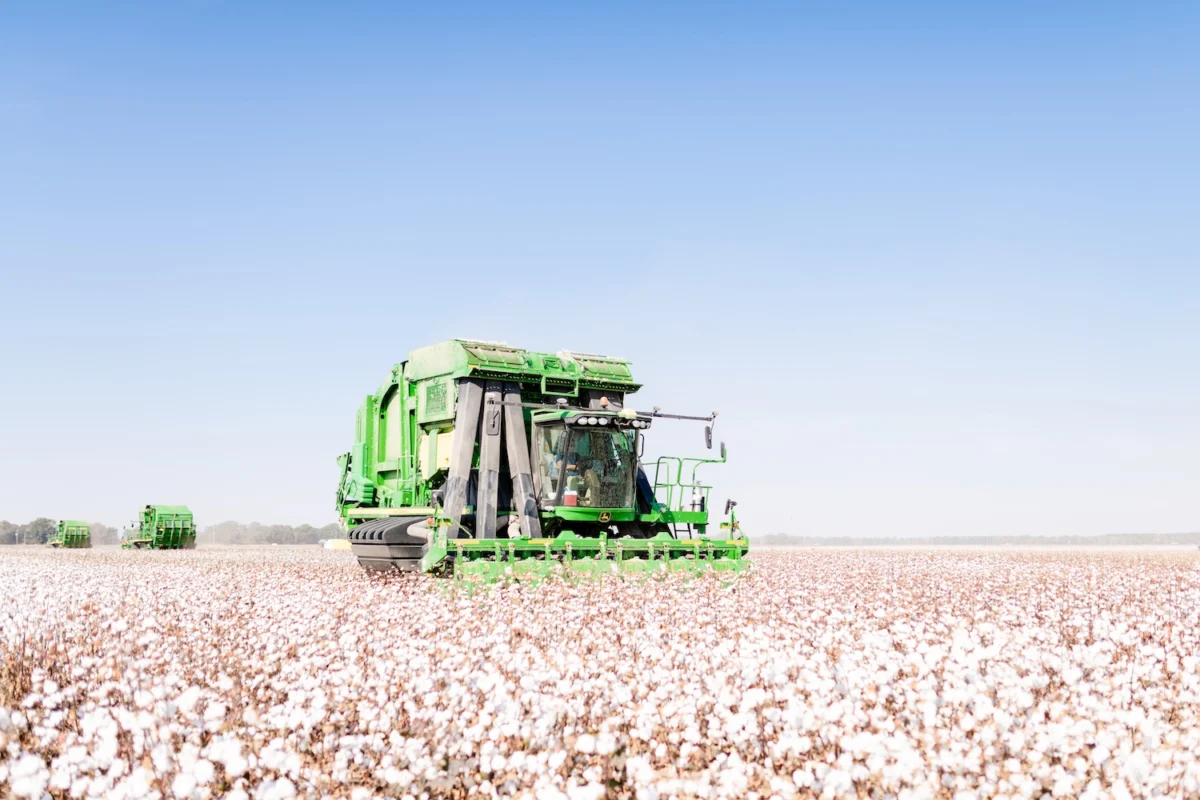
The phrase "U.S. farmers feed the world" is a long-standing adage, but it is increasingly becoming incomplete. As global supply chains face unprecedented scrutiny regarding environmental impact and ethical sourcing, a new narrative is taking hold: U.S. farmers are helping to clothe the world. As the apparel industry grapples with the dual crises of mounting textile waste and the pervasive use of petroleum-based synthetics, U.S. cotton is emerging as a critical, data-backed solution for brands looking to align with modern sustainability mandates.
With the U.S. consistently ranking among the top cotton-producing nations globally, American growers have quietly pioneered a movement in responsible land stewardship. For manufacturers of everything from performance-driven athleisure and high-end denim to everyday T-shirts, the choice of fiber is no longer just a procurement decision—it is a strategic environmental commitment.
The Evolution of Stewardship: A Four-Decade Transformation
To understand the current standing of U.S. cotton, one must look at the historical trajectory of the industry. According to Dr. Jesse Daystar, vice president and chief sustainability officer at Cotton Incorporated, the progress made by American growers over the last 40 years is not merely incremental; it is transformative.
Data from the 2023 National Resource Survey reveals a sector that has fundamentally reshaped its operational footprint. Over the past four decades, U.S. cotton production has achieved:
- A 45 percent reduction in soil loss, protecting the foundational health of the land.
- A 58 percent improvement in irrigation water-use efficiency, critical in an era of increasing water scarcity.
- A 25 percent reduction in greenhouse gas emissions, challenging the carbon-heavy reputation of global industrial agriculture.
- A 30 percent improvement in land-use efficiency, allowing farmers to produce more with less environmental encroachment.
This progress is not the result of a single policy change but a shift toward a high-tech, data-driven farming philosophy. Growers are increasingly integrating precision agriculture—utilizing GPS-guided tractors, satellite imagery, and drone technology—to monitor soil moisture and nutrient needs in real-time. The transition toward cover crops, which surged from 20 percent of respondents in 2015 to 48 percent in 2023, along with a widespread shift from conventional tillage to no-till or strip-till practices, underscores a deep, systemic commitment to regenerative principles.
The Science of Sustainability: A New Life Cycle Assessment
Perhaps the most compelling argument for U.S. cotton lies in its unique biological composition. Cotton Incorporated recently commissioned WSP USA Inc. to conduct the most comprehensive, data-driven life cycle assessment (LCA) of U.S. cotton fiber production to date.
The findings are striking: unlike synthetic fibers derived from petroleum, cotton’s natural fiber composition facilitates biogenic carbon dioxide storage. When the temporary biogenic carbon flows are calculated, the LCA confirms that U.S. cotton achieves a net negative cradle-to-gate (field-to-gin) emission of -0.264 kilograms of CO2 per kilogram of fiber. This "carbon-sequestering" status positions cotton as a critical natural tool for brands striving to meet aggressive net-zero climate goals.

Bridging the Gap: Consumer Sentiment vs. Industry Practice
While brands often cite the lower cost of polyester as a primary driver for their material choices, there is a clear disconnect between the boardroom and the checkout counter. The 2025 Global Lifestyle Monitor survey, which polled 13,026 respondents, highlights a significant shift in consumer consciousness:
- Sustainability is a Priority: 75 percent of consumers express interest in sustainable clothing, with 21 percent labeling it "essential" and 54 percent calling it a "nice to have."
- Fiber Safety: 83 percent of consumers view natural fibers as safe for the environment. Conversely, less than half believe that manmade fibers—including rayon (48 percent), polyester (46 percent), and Tencel (41 percent)—carry the same environmental safety profile.
- The Comfort Premium: Consumers aren’t just buying for the planet; they are buying for quality. 75 percent of shoppers explicitly prefer apparel made of cotton or cotton blends over synthetics. Consumers rate cotton as superior in comfort (67 percent), softness (66 percent), quality (59 percent), and longevity (44 percent).
Crucially, the research shows that 59 percent of global consumers are willing to pay a premium for natural fibers. This willingness is particularly pronounced in emerging markets like India (85 percent) and Mexico (66 percent), suggesting that the "sustainability premium" is a global phenomenon that brands ignore at their own peril.
The Shadow of Synthetic Waste
The fashion industry’s reliance on synthetic, petroleum-based fibers is not just an aesthetic or durability concern; it is a long-term ecological liability. According to the U.S. Environmental Protection Agency (EPA), 85 percent of all textiles in America end up in landfills annually.
When nearly 70 percent of the world’s textile fibers are now synthetic, the problem of microplastic pollution becomes unavoidable. As polyester garments are washed or worn, they shed tiny, non-biodegradable fibers that permeate our air, water, and soil. Unlike natural cotton, which is biodegradable and renewable, these microplastics persist for hundreds of years.
"There’s a gap between how the fashion industry talks about responsible, regenerative agriculture and what’s actually been happening on U.S. cotton farms for years," says Liz Hershfield, executive director of Cotton USA™ and co-director of the U.S. Cotton Trust Protocol. "Responsible cotton stewardship is something that [growers] have built their business around, because without it, there is no business."
The Human Element: Supporting Family-Owned Infrastructure
Beyond the environmental metrics lies the human element of the supply chain. There are more than 15,000 cotton farms across 17 U.S. states, and 98 percent of them are family-owned and operated. These farms represent generational knowledge and infrastructure that, once lost, cannot be easily replaced.
"Their futures are shaped, in part, by the sourcing decisions brands make," Hershfield explains. "Growers have been absorbing difficult market conditions for several years now. Infrastructure built over generations erodes when demand isn’t there to support it. That’s something brands have more influence over than they often realize."

When a brand chooses to pivot away from synthetic fibers toward U.S. cotton, they are not just selecting a better material—they are providing the economic stability necessary for these family farms to continue investing in the conservation practices that protect the soil and water for future generations.
Conclusion: The Path Forward
The evidence is clear: the path to a more sustainable fashion industry requires a departure from the "cheap and fast" reliance on synthetics. U.S. cotton offers a rare combination of superior consumer preference, measurable carbon-negative potential, and a transparent, family-led supply chain.
As Dr. Daystar concludes, "Apparel brands should care because the sustainability story of a garment starts with the fiber. U.S. cotton gives brands a natural, trusted, and data-backed fiber with a real story of continuous improvement from the farm forward."
For retailers and designers alike, the message is simple: the future of fashion isn’t just in the design; it is in the soil. By aligning their sourcing strategies with the verifiable progress of U.S. cotton, brands can meet the growing demand for ethical, high-quality products while mitigating their own environmental footprints.
To learn more about the latest in cotton production and sustainable practices, visit CottonWorks. For ongoing research on consumer behavior, visit the Lifestyle Monitor.
 Ammar Sabilarrohman
  Asro
Asro  Iffa Jayyana