
 By Lina Irawan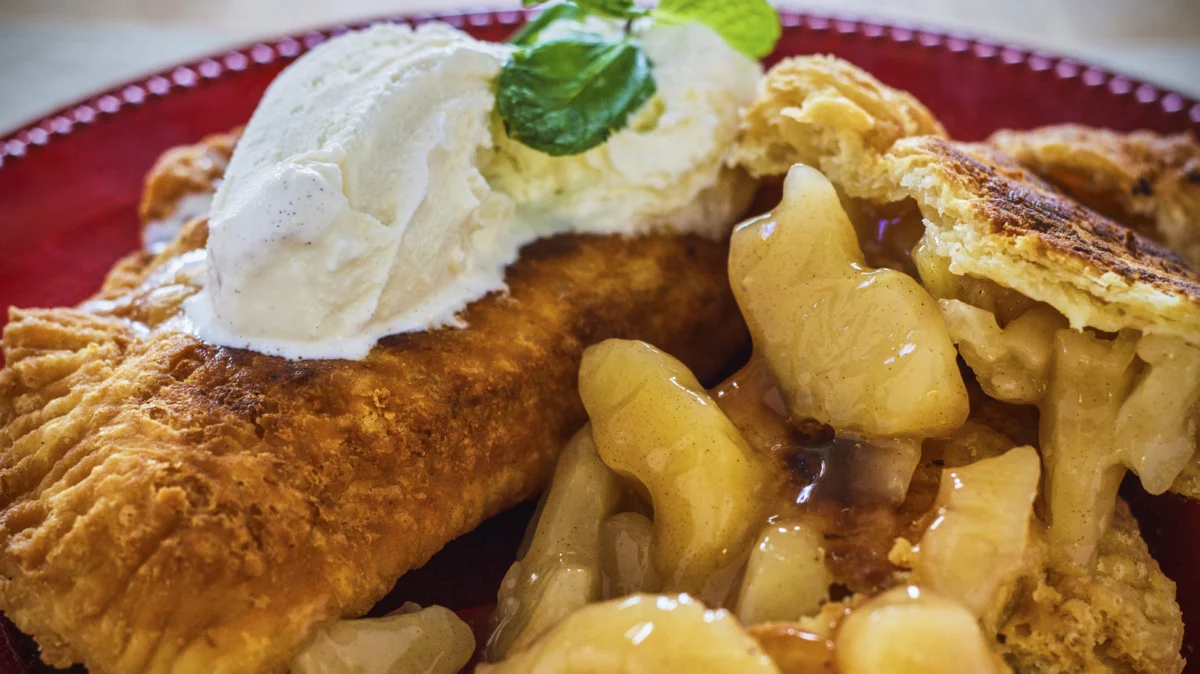
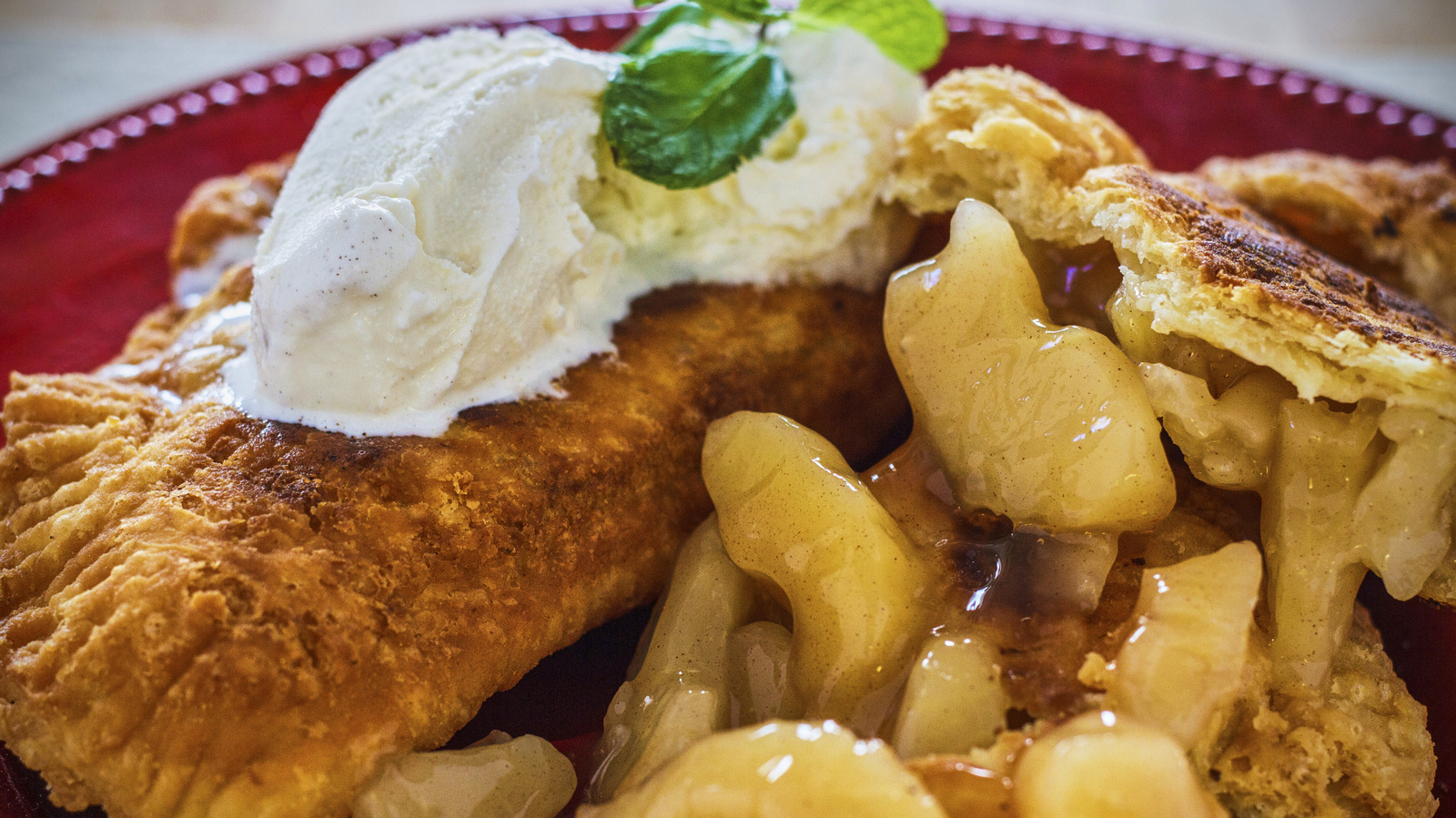
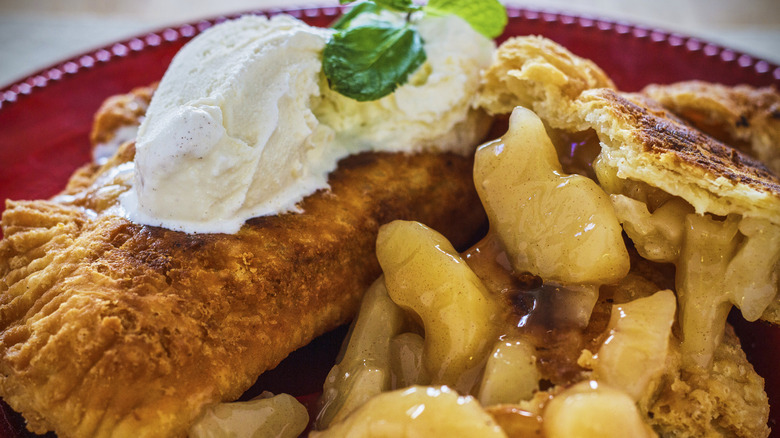
The classic apple pie is a cornerstone of comfort food, evoking memories of home-cooked meals, autumn harvests, and holiday gatherings. While the traditional oven-baked pie remains a beloved staple, there is a specific, nostalgic allure to the deep-fried apple pie—the kind with a shatteringly crisp exterior, a molten, cinnamon-spiced fruit center, and a golden, bubbly crust.
For generations, the only way to achieve this specific texture was to submerge dough pockets in vats of boiling oil. This process is not only labor-intensive but often intimidating for the home cook, involving issues of temperature control, potential grease splatters, and the logistical nightmare of disposing of leftover oil. However, as kitchen technology has evolved, the air fryer has emerged as a game-changing tool that bridges the gap between the convenience of baking and the crunch of frying.
The Science of Air-Fried Pastry
To understand why the air fryer is the superior modern tool for this task, one must look at its underlying technology. At its core, an air fryer is a compact, high-powered convection oven. While a standard oven relies on radiant heat and natural airflow, an air fryer utilizes a powerful fan to circulate superheated air at high speeds within a small, confined chamber.
This rapid circulation creates a "convection effect" that mimics deep frying. When the hot air hits the surface of a pastry pocket, it dehydrates the outer layer of the dough almost instantly, creating a crust that is remarkably crisp. Because the surface area of a turnover-style pie is relatively small compared to a full-sized pie, the hot air can envelop the entire exterior, ensuring an even, golden-brown finish that would be difficult to replicate in a traditional, larger oven.
Chronology of the Fried Pie: From Oil Vats to Airflow
The history of the handheld, fried fruit pie is deeply rooted in American culinary culture, particularly in the South and Midwest. Historically, these pies were a portable way to consume fruit harvests, allowing for quick, high-energy snacks for laborers in the field.
- Mid-20th Century: The fried apple pie reaches its zenith in popularity, becoming a staple in local diners and eventually, fast-food chains.
- 1992: A pivotal year for the industry. Due to changing health preferences and a cultural shift toward lower-fat cooking methods, many major fast-food retailers, including McDonald’s, phased out their iconic deep-fried apple pies in favor of baked versions.
- 2010s: The rise of the home air fryer begins to change the landscape of home cooking. Originally marketed as a "healthy" alternative to frying, it quickly becomes clear that the device is a powerhouse for pastry perfection.
- Present Day: Home cooks are moving beyond simple frozen appetizers, using air fryers to craft artisanal, from-scratch desserts.
- Future Outlook (2026): As a testament to the enduring popularity of the original fried style, major chains are beginning to announce limited-time returns to the deep-fried method, signaling a cultural "nostalgia cycle" that drives consumers to seek out these flavors at home.
Achieving Perfection: Techniques and Supporting Data
While the air fryer does the heavy lifting, the quality of the final product relies on specific preparation techniques.
The Importance of the Egg Wash
A common mistake among novice air-fryer users is skipping the egg wash. In a deep fryer, the oil naturally browns the dough. In an air fryer, the dry heat needs help. Brushing the exterior with a beaten egg (or an egg-and-milk wash) provides the necessary proteins and fats to encourage the Maillard reaction—the chemical process responsible for browning and flavor development.
The Role of Sugar
The addition of coarse sugar (such as turbinado or demerara) on the crust is not merely decorative. The sugar crystals caramelize under the intense heat of the air fryer, creating a secondary layer of crunch that provides a professional, bakery-style finish.
Temperature and Time Parameters
According to culinary testing standards for air-fryer pastries, the "sweet spot" for apple turnovers generally falls between 350°F and 375°F.
- Lower Temperature (350°F): Better for thicker crusts, allowing the inside to cook through before the outside burns.
- Higher Temperature (375°F): Ideal for pre-cooked or thin, flaky doughs that require a quick, high-heat blast to maximize puffiness.
Implications of the "Healthy" Swap
The shift toward air-fried pies has significant implications for both culinary health and home food preparation. By eliminating the submersion in oil, a standard fried apple pie can see a reduction in total fat content by as much as 70-80%, depending on the original frying method.
However, the "health" aspect is secondary to the convenience factor for many consumers. The reduction in cleanup time—no need to filter, store, or dispose of large quantities of cooking oil—makes the air fryer a more sustainable choice for the modern kitchen. Furthermore, the ability to control the quality of the filling (using fresh, tart apples versus high-fructose corn syrup-heavy canned fillings) allows the home cook to elevate a nostalgic treat into a gourmet experience.
Expert Perspectives: The Return of the Original
Industry experts note that the re-introduction of deep-fried options by major retailers—such as the scheduled return of the iconic McDonald’s fried apple pie in 2026—suggests that while consumers value health, they refuse to compromise on the sensory experience of a crisp, fried crust.
"The demand for the ‘fried’ texture is a primal sensory desire," says one food industry analyst. "People want that auditory crunch when they bite into a crust. The air fryer is essentially the technology that allows the home cook to satisfy that desire without the structural mess of a commercial deep-fryer."
Conclusion: A New Standard for Home Baking
The air fryer has effectively democratized the fried apple pie. By combining the convenience of modern convection technology with the timeless appeal of a flaky, fruit-filled pastry, home cooks no longer need to choose between the health-conscious baked version and the indulgence of the deep-fried original.
As we look toward the future of home cooking, the air fryer stands as a testament to how technology can honor tradition. Whether you are using store-bought dough for a quick weeknight treat or hand-rolling your own butter-based crust for a Sunday dessert, the air fryer ensures that the result is consistently crispy, golden, and undeniably satisfying. By embracing the egg wash, perfecting your sugar coating, and mastering the temperature settings, you can bring the nostalgia of the classic fried apple pie into your kitchen—without the vat of oil.
 Raul Delapena Setiawan
  Basiran
  Nana
Nana 