
 By Lina Hope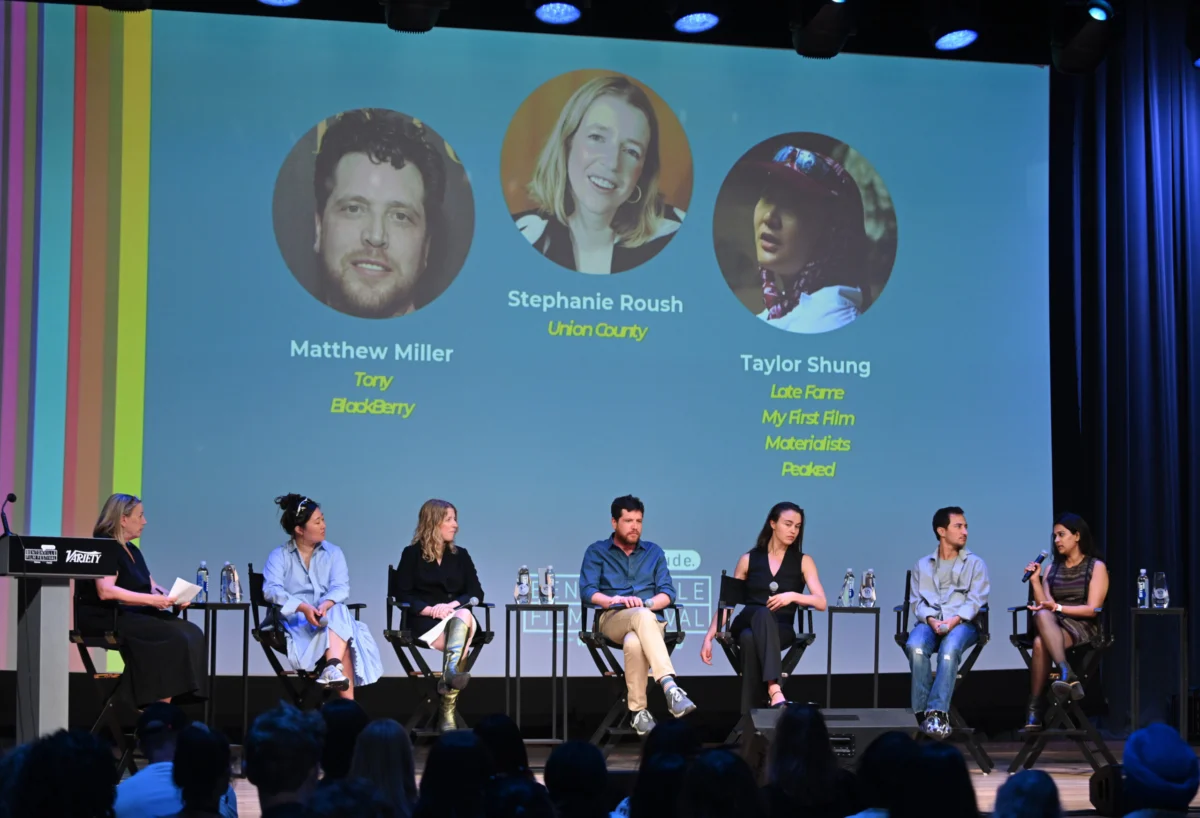
In an era where the traditional studio model is grappling with rapid technological shifts and changing viewer habits, the role of the independent producer has never been more critical—or more precarious. Recently, a panel of rising stars recognized on Variety’s "10 Producers to Watch" list gathered at the Bentonville Film Festival to pull back the curtain on the modern filmmaking process. Moderated by Variety’s Carole Horst, the discussion offered a rare, unfiltered look at the financial, logistical, and creative hurdles defining the current independent landscape.
The Multidisciplinary Producer: A Study in Versatility
The modern producer is far from a mere financier; they are the connective tissue between a director’s vision and the harsh realities of the market. Apoorva Charan, producer of Take Me Home, opened the discussion by demystifying the role. According to Charan, the job description is sprawling: it begins with script development and talent scouting, transitions into the grueling world of fundraising, moves through the logistical maze of hiring crews, and culminates in the high-stakes strategy of distribution.
"To produce, you kind of need to know and understand all aspects of production, from soup to nuts," noted Matthew Miller, the producer behind Tony and BlackBerry. For Miller, the role is defined by a fundamental act of faith. "You’re basically getting a group of people together and making something out of nothing, and you’re generally the first person to show belief in this filmmaker, in this script, in this idea."
This partnership with the director is paramount. Emily Korteweg, known for her work on Splitsville and The Last Fix, emphasized that the producer and director act as the dual architects of the film’s "bigger vision." When the production environment is chaotic, the producer serves as the anchor, requiring a level of adaptability that can only come from deep experience.
The Reality of the "Fearful Marketplace"
The most recurring theme of the Bentonville panel was the persistent struggle with financing. In what the panelists described as a "fearful marketplace," independent films are finding it increasingly difficult to secure the necessary capital.
Korteweg pointed out a frustrating disconnect in the industry: while some independent films go on to achieve massive success, the market often fails to recognize the independent nature of their creation. This leads to unrealistic expectations from financiers who, according to Korteweg, often ask, "Well, why can’t you do it for less and have the same result?" This, she argued, fundamentally misunderstands the artisanal process of filmmaking.
Luca Intili, producer of Maddie’s Secret, highlighted a growing, dangerous gap between the capital required for production and the funds available for distribution. The consequence of this imbalance is dire: many high-quality, fully completed independent films are finding themselves without a home, effectively disappearing into a void of non-distribution.
Logistical Hurdles and Creative Adaptation
Beyond the balance sheet, the day-to-day work of producing is an exercise in crisis management. Charan shared that during the production of Take Me Home, the script was often rewritten on the very day of filming. This level of fluidity is essential; as Charan noted, relying on rigid routines or set expectations would have stifled the creative process.
Other panelists faced unique logistical nightmares. Stephanie Roush, who produced Union County, spoke of the grueling difficulty of securing access to authentic courtrooms during active sessions—a task that required immense patience and negotiation. Meanwhile, Miller described the complex legal and ethical hurdles involved in creating the documentary Tony, which required navigating the sensitivities of Anthony Bourdain’s estate.
The Rise of Microbudget Cinema
Despite these financial headwinds, there is a silver lining. Intili noted a surge in "microbudget" cinema, suggesting that the industry is undergoing a collective epiphany. "It’s like we’re all learning simultaneously that we don’t need huge budgets to make something creative and interesting and well-formed," Intili said.
This trend is not merely a response to poverty of resources, but a shift in the philosophy of storytelling. The panelists emphasized the importance of finding the "diamond in the rough"—original stories that possess a distinct, resonant voice. Roush expressed frustration with Hollywood’s tendency to chase the "shiniest thing in front of them," noting that the history of cinema proves that chasing trends rarely leads to the next great filmmaker or the next genuine hit.
The Indispensable Role of Festivals
In the absence of traditional distribution, the importance of film festivals has only grown. The panelists were unanimous in their assessment: festivals are the lifeblood of the independent circuit.
For producers, the festival circuit offers more than just awards or press; it provides a vital, tactile connection to the audience. "It’s a place for filmmakers to experience the audience’s reaction to the film and have a dialogue with the viewers, which allows them to keep creating films," Charan explained.
Taylor Shung, who has worked on projects like Late Fame and Materialists, underscored the community-building aspect of regional festivals. "Regional festivals serve to create community around filmmaking, and I think it allows for more people to see a certain movie that they might not see because it doesn’t get distributed," Shung said. "It also empowers regional filmmakers to push their own filmmaking."
Furthermore, Roush noted that festivals act as "talent incubators." For young, unproven filmmakers, these events provide some of the earliest, most important forms of professional validation. This validation is not just ego-driven; it is a structural necessity that helps emerging creators sustain long, viable careers.
A Legacy of Storytelling: The Virtuoso Award
The panel was followed by a celebration of longevity and craft, as actress Katherine LaNasa was honored with the Variety Virtuoso Award. LaNasa, who has spent four decades in the industry, joined Horst to discuss her evolution as a performer and her current work on the project The Pitt.
Reflecting on her career, LaNasa spoke about the profound, transformative nature of the craft. "Acting has given me such a rich and beautiful life. I love the craft of it, of creating characters and learning new things," she remarked. "Some of my most deep and self-reflective moments have been while I’m inhabiting the mind of a fictional character because, ultimately, it’s about understanding them, and therefore understanding myself and other people."
Discussing her role as charge nurse Dana Evans in The Pitt, LaNasa praised the writing for its "elasticity," allowing her the creative freedom to make choices that feel authentic. She emphasized that the key to unlocking the character was, surprisingly, the pursuit of humility. "There’s so much about her that’s about service, and there’s a kind of deep sense of self and pride that comes from doing that," LaNasa said.
Implications for the Future
The insights shared by the Variety 10 Producers to Watch and the career reflections of veterans like LaNasa paint a picture of an industry in transition. The "fearful marketplace" is pushing independent filmmakers to become more entrepreneurial, more resourceful, and more reliant on community-based distribution models like the festival circuit.
The implications are clear: while the barrier to entry for content creation has lowered, the barrier to audience discovery has risen. Success in the next decade of independent film will depend on the producer’s ability to not only "make something out of nothing," but to identify champions for their work in a fractured media landscape.
As the industry moves forward, the "diamond in the rough" mentality—championing raw, original, and emotionally resonant storytelling over the "shiniest" trends—remains the most reliable compass for those navigating the turbulent waters of independent film. The producers, much like the performers they support, are not just managing projects; they are fighting to preserve the very soul of cinema.
 Siti Muinah
  Ammar Sabilarrohman
  Layla Zulfa