
 By Asro
In an era where a cheaper, faster alternative is perpetually just one click away, traditional brand loyalty is undergoing an unprecedented stress test. Consumers are no longer bound by geographic convenience or limited product visibility. Armed with aggregators, comparison tools, and global shipping, buyers can effortlessly defect to competitors over minor price discrepancies.
For modern enterprises, the challenge of 2026 is clear: brand loyalty can no longer be bought with automated points programs or taken for granted through historical market dominance. It must be continuously earned, analyzed, and optimized.

What Is Brand Loyalty and Why Does It Matter?
At its core, brand loyalty is the deep-seated psychological connection between a consumer and a brand that compels them to make repeat purchases from a specific provider. Crucially, true brand loyalty persists even when alternative suppliers or products are more affordable or easily accessible.
Consider the classic scene of consumers lining up outside an Apple Store hours before dawn on the release day of a new iPhone. That is brand loyalty in action.

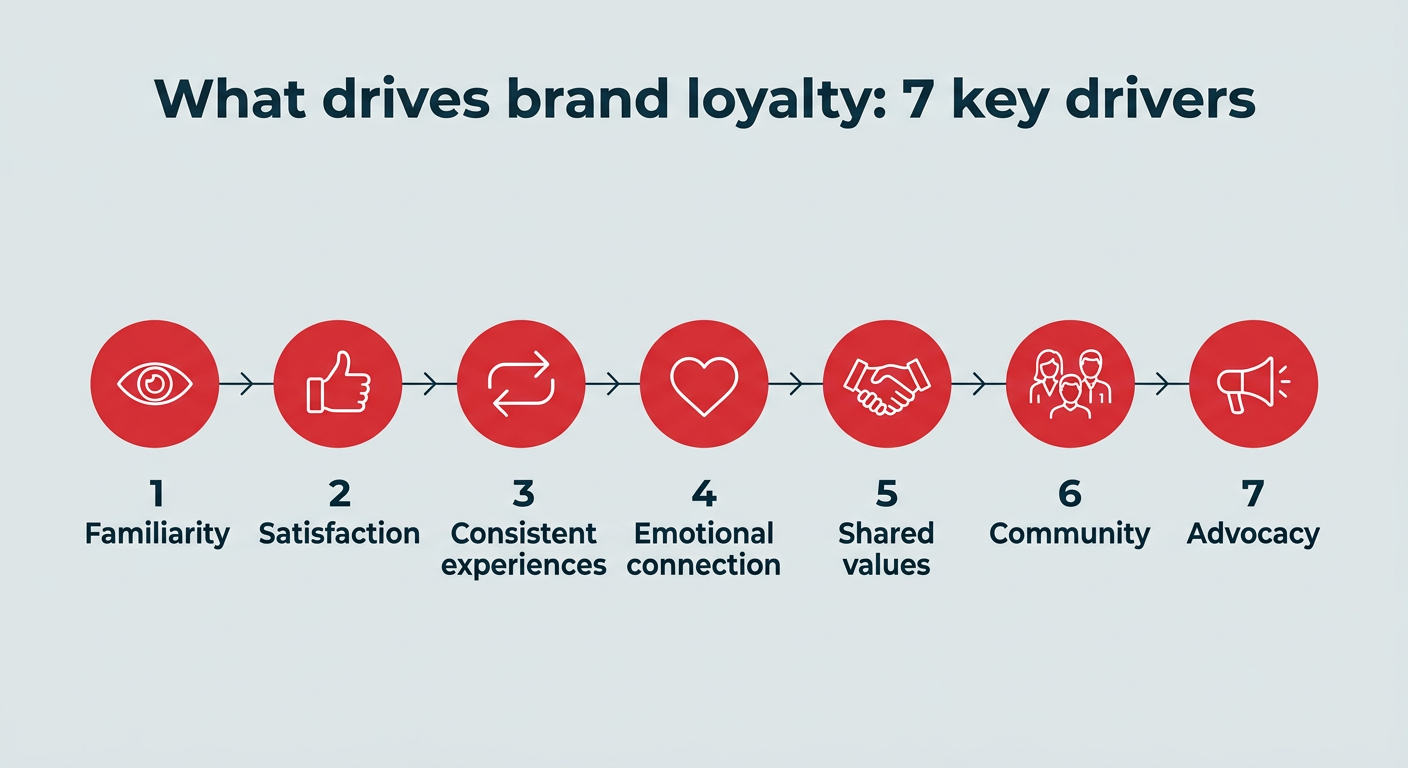
What separates true loyalty from mere habit is the emotional architecture behind the transaction. A habitual buyer selects a product simply because it is physically present on a shelf or the top search result. A loyal customer selects it because it aligns with their identity and because they trust the organization to deliver consistently. That trust is cultivated over time through sustained brand awareness, satisfying early experiences, and post-purchase reliability.
Brand Loyalty vs. Customer Loyalty
While the terms are frequently used interchangeably, brand loyalty and customer loyalty stem from fundamentally different drivers:

- Brand Loyalty is emotional and identity-driven. Its primary mantra is, "This brand is for me." Price sensitivity is exceptionally low; consumers are willing to pay a premium. Switching behavior is rare, even in the face of aggressive competitor discounts.
- Customer Loyalty is transactional. It is powered by financial incentives, reward points, or geographic convenience. Its driving philosophy is, "This deal works for me." Consequently, price sensitivity is high, and consumers will readily switch the moment a better offer appears elsewhere.
To conceptualize how consumers transition from indifference to advocacy, modern marketers still look to the Brand Loyalty Pyramid, originally formulated in the 1990s by David Aaker, widely regarded as the father of modern branding. Similar to a traditional sales funnel, Aaker’s pyramid charts the customer’s journey from a non-loyal buyer (who switches based on price) up to committed buyers who actively defend and advocate for the brand.
Why Brand Loyalty Dictates Financial Survival
Brand loyalty matters because it fundamentally alters unit economics: it drastically lowers customer acquisition costs (CAC) while exponentially expanding customer lifetime value (CLV).

Reducing Acquisition Costs and Maximizing Lifetime Value
Acquiring a new customer is universally recognized as significantly more expensive than retaining an existing one. Furthermore, loyal customers act as a financial cushion during macroeconomic downturns. When household budgets tighten, consumers cut discretionary spending, but they continue purchasing from brands they deeply trust. This makes retained revenue far more predictable during periods of market uncertainty.
Fueling Word-of-Mouth and Advocacy
Loyal customers do more than maintain baseline revenues; they function as an external extension of the marketing department. Word-of-mouth remains the single most common source of brand discovery among internet users. In the digital landscape, shared social content acts as the modern amplifier of word-of-mouth, turning passive brand awareness into active market consideration for millions of prospective buyers.
Chronology of Evolution: How Digital Marketing Transformed Loyalty
The mechanisms used to build and measure brand loyalty have evolved dramatically over the last three decades:
- The 1990s (The Transactional Era): Defined by David Aaker’s foundational frameworks, brand equity was largely built through mass media advertising, physical retail presence, and basic punch-card loyalty programs.
- The 2010s (The Social Media Boom): Brands shifted from broadcast models to two-way conversations. Social media channels became the primary arenas for customer service, real-time engagement, and early forms of influencer marketing.
- The 2026 Horizon (The AI and Predictive Era): Today, loyalty is dictated by predictive personalization, real-time social listening, and micro-communities. Advanced analytics tools allow organizations to detect customer sentiment shifts and frustrations before they manifest as public complaints.
7 Strategies to Build Brand Loyalty for 2026
Building brand loyalty requires treating customers with consistent empathy and relevance. Relationship-building is where digital marketing excels, provided brands execute disciplined, modern strategies.
1. Understand What Your Customers Actually Want
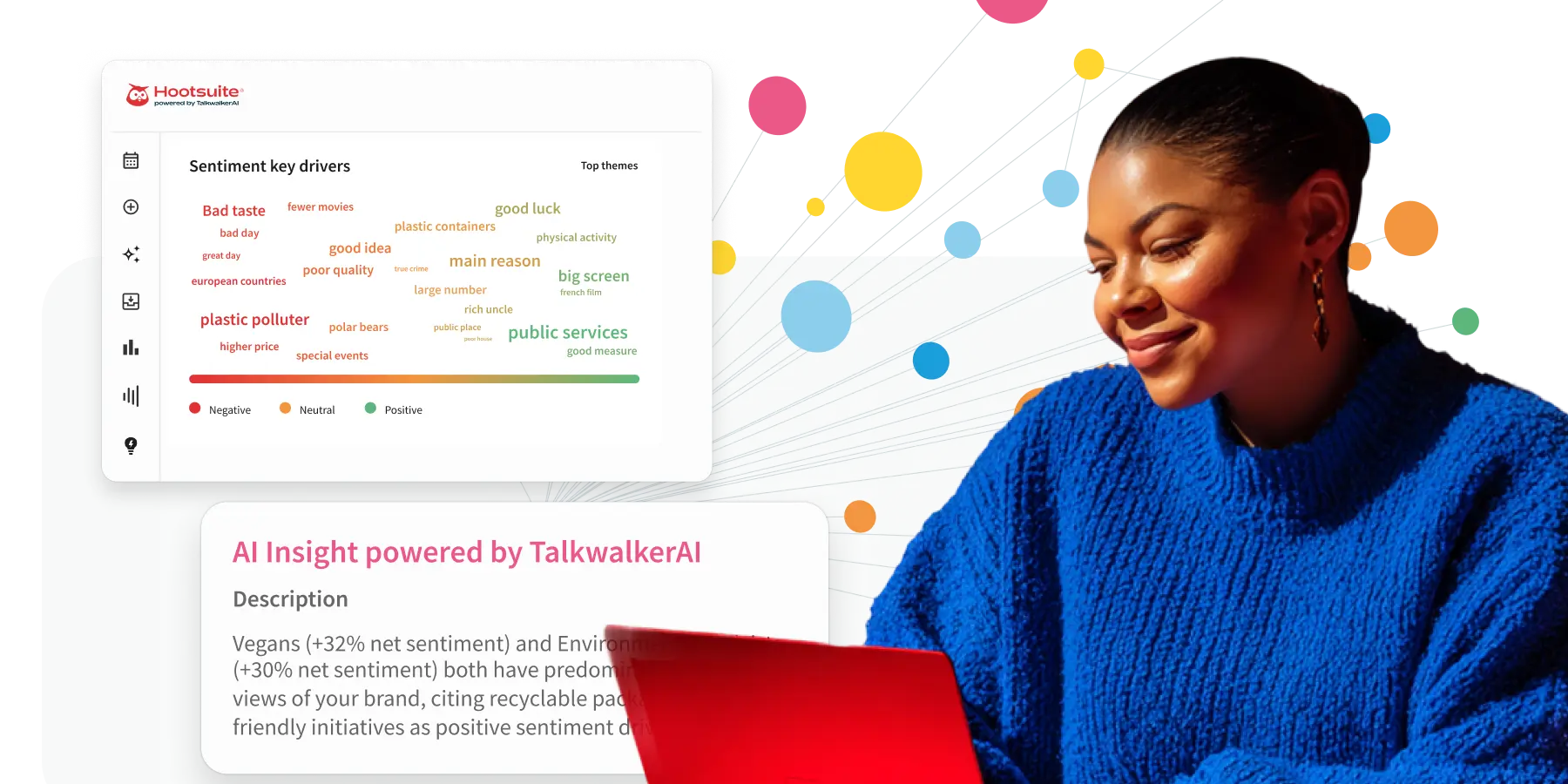
Authentic brand relationships require deep audience intelligence. Utilizing advanced social analytics tools enables brands to move past basic demographic data to understand how audiences interact with content across platforms. Integrating social listening applications helps organizations uncover unprompted conversations—revealing preferences and frustrations that traditional performance metrics often miss.
2. Leverage User-Generated Content (UGC)
Research published in academic studies on digital consumer behavior highlights user-generated content as a primary catalyst for brand loyalty on social media. When brands share content created by their most passionate followers, they humanize their messaging and authentically showcase shared values, fostering the emotional connections required at the peak of the loyalty pyramid.
3. Personalize Experiences Across Every Touchpoint
Personalization is no longer a luxury; it is an expectation. Industry surveys indicate that personalized experiences make consumers nearly twice as likely to pay a premium. Utilizing segmented social advertising and AI-powered content tools allows marketing teams to tailor messaging dynamically to distinct buyer personas while preserving a cohesive brand voice.
4. Reward Your Most Loyal Customers
Once a consumer transitions into a brand advocate, marketing strategies must pivot from highlighting product features to nurturing the relationship. Modern reward ecosystems are moving beyond simple points systems toward fully personalized perks, exclusive access, and collaborative partnerships with top-tier brand advocates.

5. Deliver Fast, Human-Centered Customer Care
Customer relationships can sour instantly over a mishandled support query, and those make-or-break interactions now unfold publicly in direct messages and comment threads. Empowering social care teams with unified inboxes and clear style guidelines ensures that inquiries are answered swiftly, maintaining trust and customer retention.
6. Stay Authentic and Avoid Trust-Eroding Behaviors
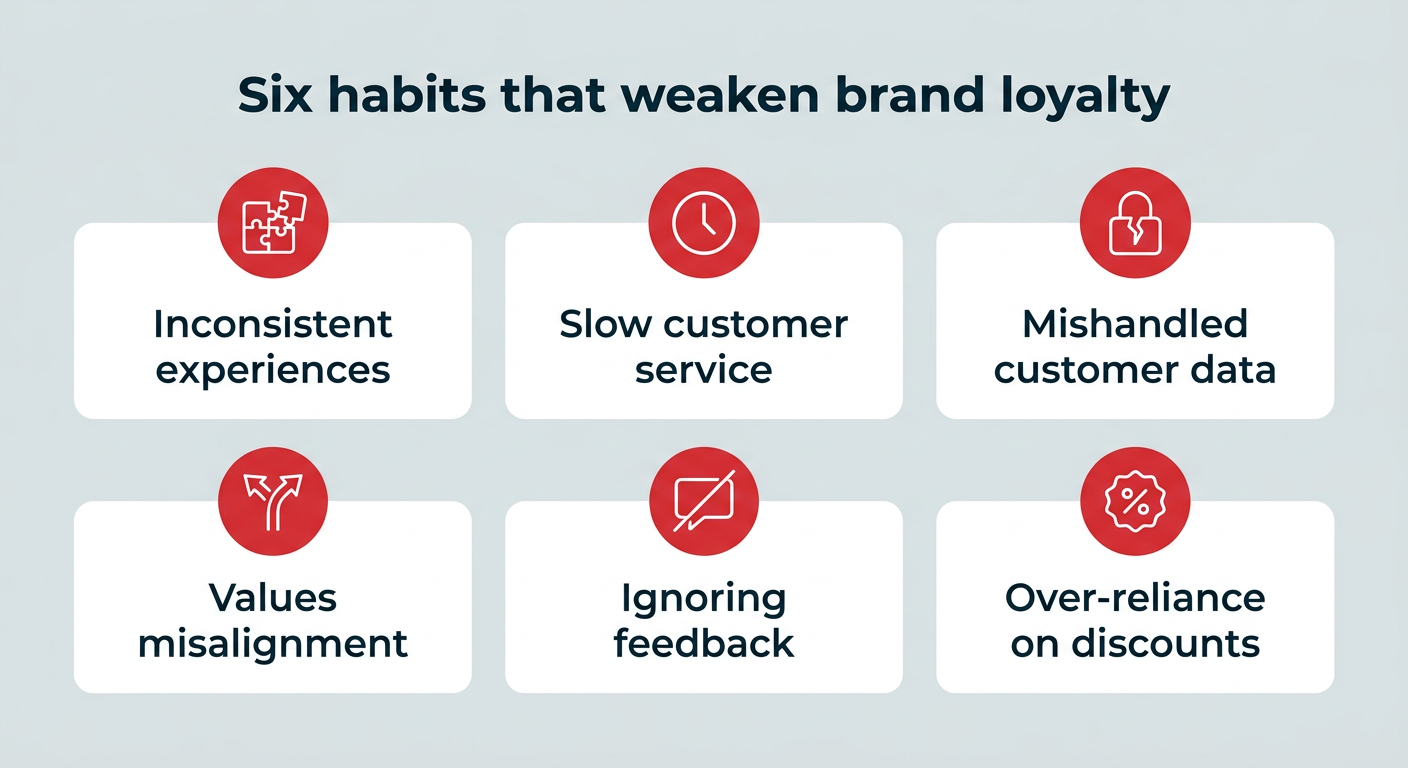
Digital audiences reject inauthentic marketing. Posting excessive promotional content, engaging in clickbait, mishandling sensitive consumer data, or adopting public stances without internal follow-through actively erodes brand trust. Transparency and privacy compliance are now non-negotiable pillars of brand retention.
7. Use AI to Anticipate, Not Just React
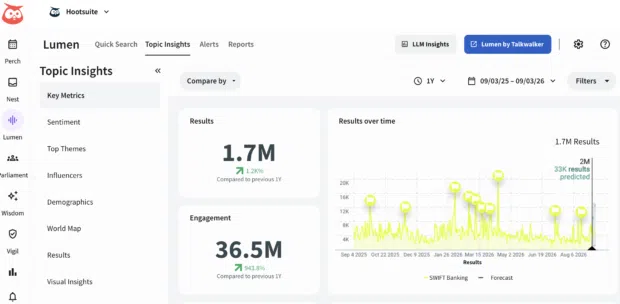
The competitive advantage in 2026 belongs to organizations that utilize artificial intelligence to spot market shifts before they turn into widespread customer complaints. By analyzing millions of conversations across global networks, AI models help product and marketing teams anticipate emerging needs while keeping human empathy at the center of every customer interaction.
Supporting Data and Metrics: How to Measure Brand Loyalty
Because no single metric can encapsulate the health of a brand’s relationship with its audience, modern enterprises track a composite scorecard:
| Metric | What It Measures | Recommended Tracking Method |
|---|---|---|
| Engagement Rate | The percentage of the audience interacting with content. | Social analytics platforms calculated against total reach or audience size. |
| Mention Volume & Sentiment | Frequency of brand discussions and emotional tone. | AI-powered social listening and sentiment analysis tools. |
| Social Share of Voice | A brand’s share of total industry conversation versus competitors. | Competitor benchmarking and listening dashboards. |
| Net Promoter Score (NPS) | Consumer willingness to recommend the brand to peers. | Post-purchase or post-support single-question surveys. |
| Customer Lifetime Value (CLV) | Total net revenue generated over the customer relationship. | Integrated CRM and historical purchase data analysis. |
Official Responses and Industry Implications
Industry analysts and corporate leaders emphasize that the definition of consumer allegiance has fundamentally shifted. According to retail strategy reports, younger generations—particularly Gen Z—do not inherently lack loyalty; rather, they grant and withdraw it with unprecedented velocity.
Corporate responses to these shifts emphasize transparency, social responsibility, and hyper-responsiveness. As organizations navigate privacy regulations and shifting consumer expectations, the consensus among marketing executives is absolute: automation can scale communication, but only human authenticity can secure long-term brand equity.

Conclusion
Brand loyalty in 2026 is a dynamic, multifaceted discipline. It requires moving beyond transactional metrics and embracing a holistic strategy defined by deep customer understanding, predictive AI insights, authentic user-generated content, and uncompromising data privacy. By tracking the right combination of sentiment, NPS, and lifetime value, brands can future-proof their operations and build resilient communities that withstand the pressures of an increasingly competitive global marketplace.
 Reynand Wu
  Nana Muazin
  Basiran