
 By Iffa Jayyana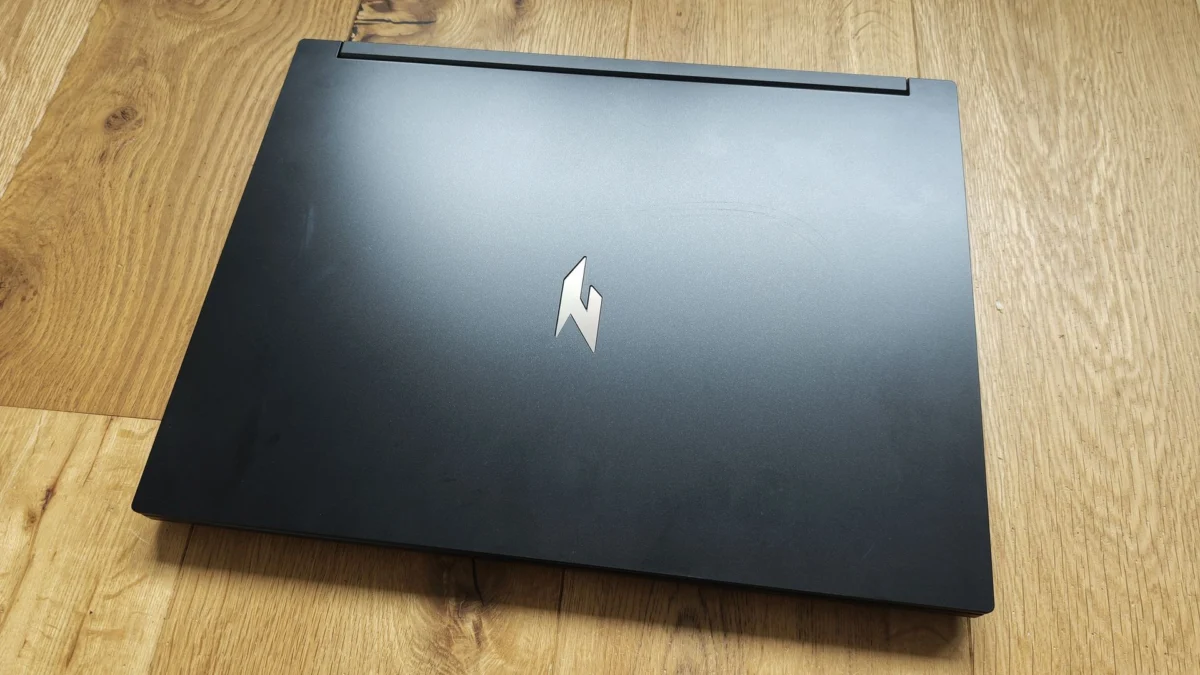
In the rapidly evolving world of consumer electronics, laptop manufacturers are currently locked in an "arms race" of specifications. We see a relentless push toward higher NPU (Neural Processing Unit) core counts, increasingly complex NVIDIA GPU configurations, and displays that boast refresh rates once reserved for dedicated gaming monitors. Yet, amidst this obsession with raw computational power, a fundamental pillar of mobile computing is being quietly eroded: battery life.
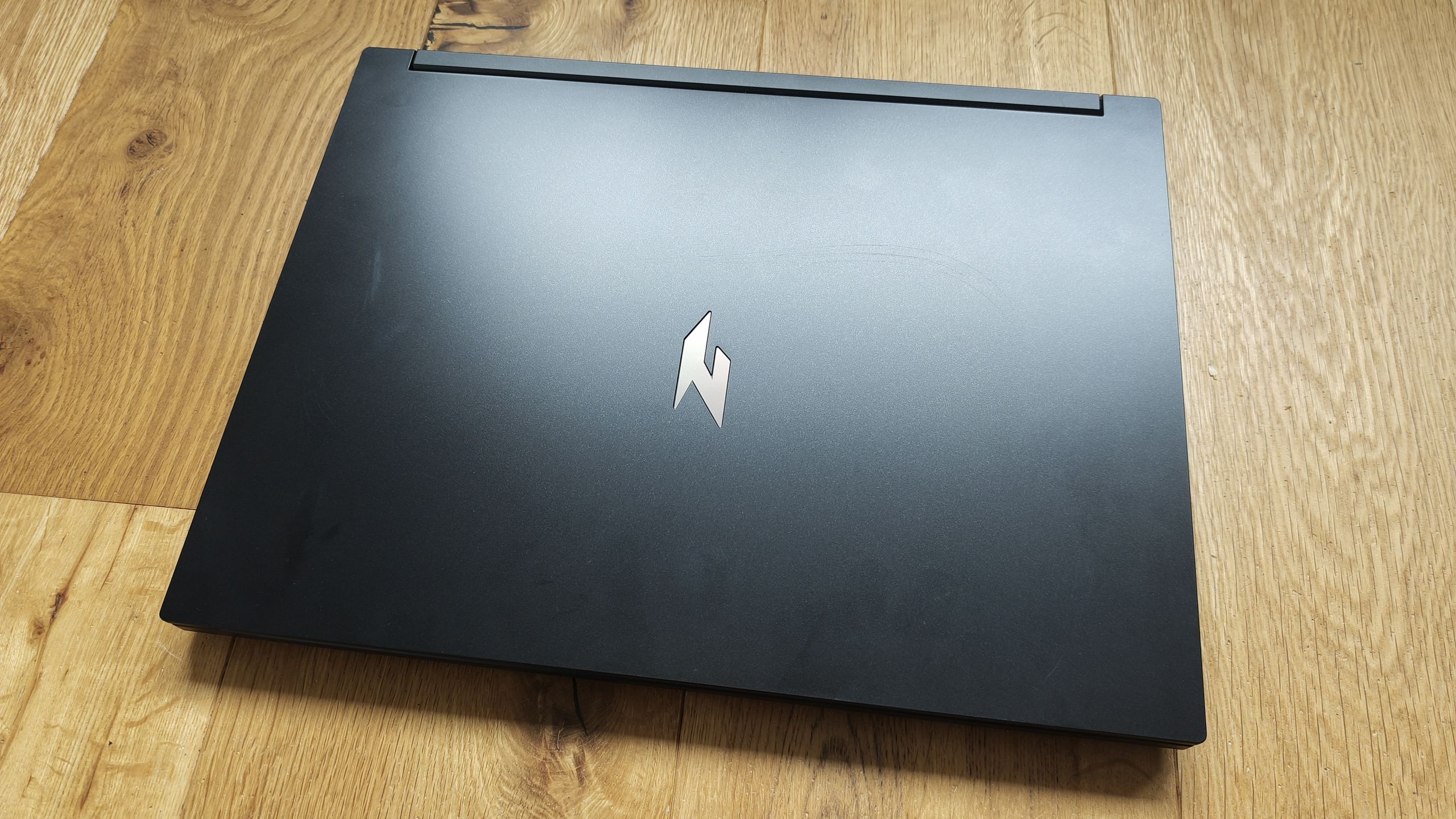
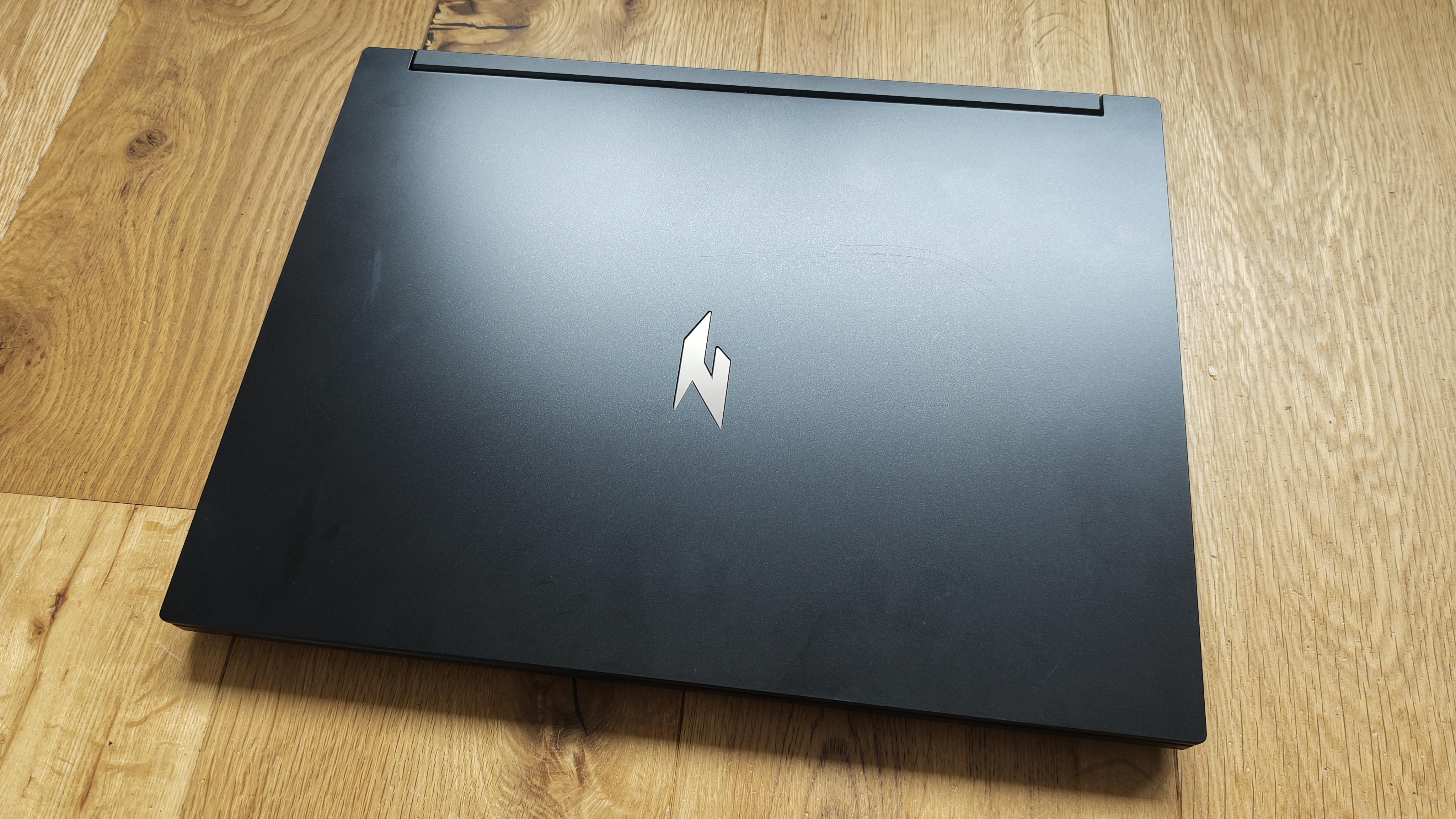
For the modern professional, the laptop is more than a tool; it is a mobile studio. However, as recent testing of high-performance machines like the Acer Nitro V 16 AI reveals, we are reaching a point where "portable" hardware is tethered to the wall, effectively functioning as a desktop that simply happens to have a hinge.
The Reality Check: When Power Fails the Portability Test
The discrepancy in today’s market is stark. During recent stress-testing of the Acer Nitro V 16 AI, the machine struggled to maintain a mere 90 minutes of video playback. To put that into perspective, that is less time than the average feature film. For a professional creative—a video editor, a 3D artist, or a digital illustrator—a 90-minute lifespan is functionally useless. It represents a device that demands a power socket before a commute is even finished.
Contrast this with the Lenovo Yoga Slim 7x, which comfortably clears the 13-hour mark in similar workflows. The difference here isn’t just a matter of capacity; it is a matter of philosophy. The Yoga Slim 7x offers the freedom to leave the house without a "power anxiety" shadow looming over every task. It provides a buffer—a safety net that allows for a full day of work, unexpected meetings, and even a bit of evening relaxation, all without searching for a wall outlet.
A Chronology of the "Plug-In" Paradigm
The history of the laptop was defined by a steady march toward independence from the wall. In the early 2010s, the "Ultrabook" era promised thin, light, and long-lasting machines. Manufacturers like Apple and Lenovo prioritized power efficiency, leading to the "all-day battery" standard that consumers now consider the baseline requirement for any professional machine.
However, the last 24 months have seen a pivot. As AI integration and high-end gaming performance became the primary marketing pillars for PC manufacturers, the power envelope of these laptops has ballooned.
- 2020–2021: The rise of ARM-based architectures (notably Apple’s M-series) set a new gold standard for efficiency, forcing the industry to reconsider the performance-per-watt ratio.
- 2022–2023: The "AI PC" movement began in earnest. Manufacturers raced to integrate NPUs, which, while beneficial for local processing, often came at the cost of higher thermal output and increased battery drain.
- 2024–Present: We are seeing a bifurcation in the market. On one side, ultra-efficient machines designed for general productivity; on the other, high-performance workstations that consume power at an alarming rate, often sacrificing mobility for raw, unoptimized speed.
The Psychology of Power Anxiety
The implications of poor battery life extend far beyond simple inconvenience. There is a psychological toll to working on a machine that cannot sustain a charge. If a user is constantly monitoring a battery percentage—worrying that a sudden surge in rendering tasks or a high-intensity software launch will drain the remaining 20% in minutes—they are not working at their peak.
Reliability is the bedrock of professional creativity. When you are on a shoot, in a coffee shop, or traveling, your hardware should be a silent partner, not a demanding infant that requires constant feeding. When a laptop becomes a source of anxiety, the creative flow state is interrupted. The user is no longer focusing on the "what" of their work, but rather the "how much time do I have left" of their equipment.
Supporting Data: Efficiency vs. Capacity
Why do some machines succeed while others fail? It comes down to the synergy between hardware and firmware. The 2023 MacBook Pro remains a industry benchmark not necessarily because it has the most raw horsepower, but because its architecture is designed for sustained efficiency.
Data from recent comparative benchmarks shows that high-performance Windows laptops often prioritize "peak performance" mode, which pushes CPUs and GPUs to their thermal limits, essentially ignoring battery longevity. Conversely, machines that excel in longevity utilize aggressive power management, dynamic frequency scaling, and efficient display panel technology (such as LTPO OLEDs).
The industry is currently facing a choice: continue to manufacture power-hungry machines that require external power bricks, or invest in the optimization of mobile-first architecture. If the goal is truly to empower the modern creator, the latter is the only sustainable path forward.
Industry Responses: The Shift Toward Efficiency
Manufacturers are beginning to hear the feedback. While the marketing departments still lean heavily into NPU TOPS (Tera Operations Per Second) and GPU clock speeds, the engineering teams are under pressure to improve efficiency. Recent moves by chip manufacturers like Intel and AMD to prioritize "E-cores" (Efficiency cores) and "LP" (Low Power) architectures in their latest mobile chips are a direct response to the criticism that modern laptops are becoming too tethered.
However, until the market demands battery life as loudly as it demands benchmark scores, progress will remain slow. Many manufacturers argue that the professional market prioritizes peak performance over everything else. But this is a fallacy. Professionals value the ability to work, and if a machine cannot function without a wall plug, it has failed in its primary purpose as a portable computer.
Implications for the Future of Creative Work
The future of creative work is distributed. We are working from more locations than ever before, and the expectation of mobility is higher than ever. A laptop that cannot last through a three-hour creative session is, in effect, a desktop computer that is harder to transport.
As we look toward the next generation of hardware, the industry must pivot back to the fundamentals:
- Optimization over Raw Output: Manufacturers must stop chasing peak performance at the expense of stability and longevity.
- User-Centric Design: Battery life should be a primary metric in all marketing materials, not an afterthought listed at the bottom of a spec sheet.
- Standardization: The industry-wide shift toward USB-C Power Delivery is a positive step, but it shouldn’t be a crutch for poor battery design.
Conclusion: A Call for Balanced Innovation
I am a firm believer that our tools should serve us, not the other way around. My long-standing reliance on the 2023 MacBook Pro isn’t because it’s the most "powerful" machine on paper, but because it is a reliable friend. It shows up, it works, and it doesn’t leave me stranded.
When laptop brands design their next flagship, I hope they pay as much attention to the power-draw curves as they do to the NPU marketing buzzwords. A laptop that can last all day is a laptop that invites creativity; a laptop that needs to be plugged in after 90 minutes is merely a portable tether. To the designers and engineers in this space: give us the power to create, but please, give us the freedom to create from anywhere.
For those currently searching for a machine that respects your time and your mobility, prioritize efficiency ratings and real-world reviews over the latest "AI-powered" spec sheets. Your workflow—and your peace of mind—will thank you.
 Muslim
  Sagoh
Sagoh  Nana Muazin