
 By Nila Kartika Wati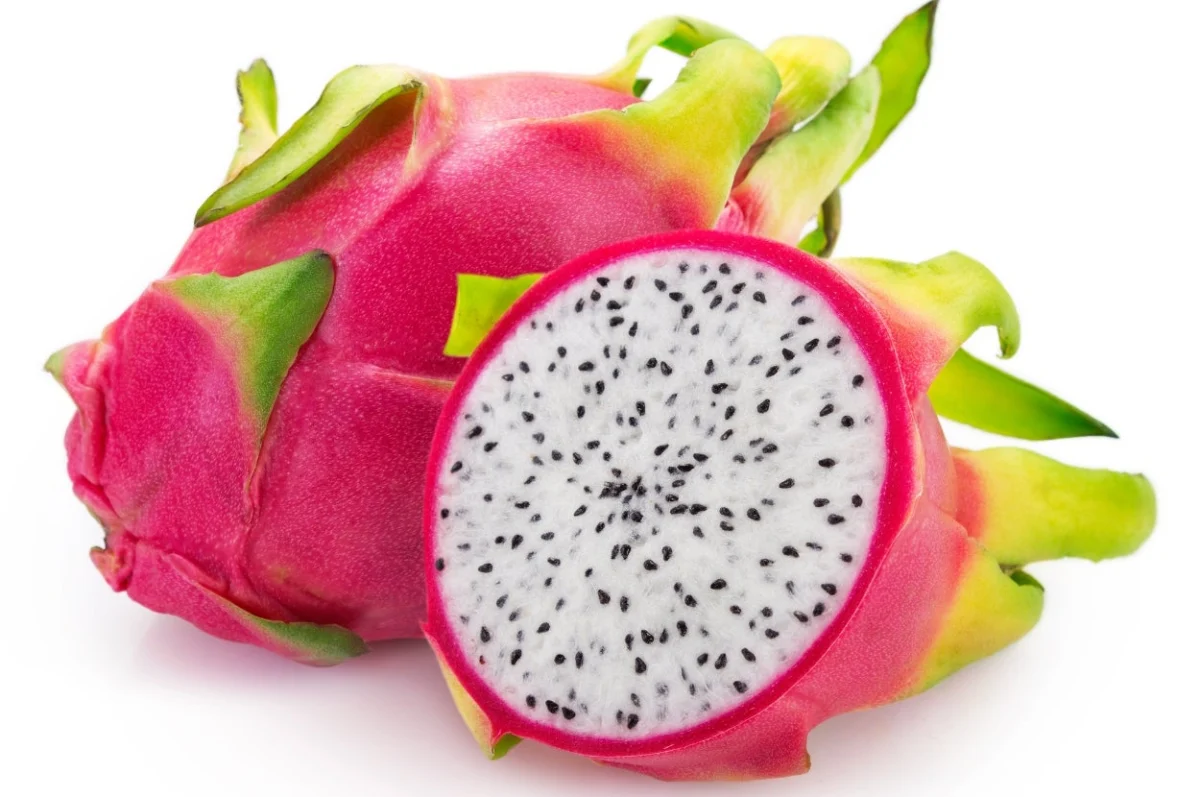
For generations, the American grocery store has functioned as a curated gallery of produce. The shelves are dominated by a predictable rotation of Gala apples, Cavendish bananas, Hass avocados, and Washington navel oranges. While these staples provide reliable nutrition and year-round availability, they have also created a "botanical blind spot." Many consumers claim an affinity for fruit, yet their lived experience is limited to a narrow spectrum of global biodiversity.
Beyond the refrigerated aisles of major supermarket chains lies a staggering array of flora that remains largely unknown to the Western palate. From the spiky, custard-like textures of Southeast Asian gems to the vibrant, neon-hued berries of the Amazonian basin, the world of fruit is far more expansive—and complex—than the local produce section would suggest.
Main Facts: The Illusion of Fruit Familiarity
The global fruit market is governed by the principles of industrial agriculture: shelf-stability, uniform size, and resistance to bruising during transport. Consequently, thousands of edible species that do not survive the rigors of global shipping are relegated to local markets or remain entirely wild.
Consider the Durian, often dubbed the "king of fruits." Known for its formidable, thorn-covered husk and a pungent aroma so intense that it is famously banned from public transit in Singapore, the durian is a culinary staple in Indonesia and Malaysia. Similarly, the Mangosteen, with its thick purple rind and delicate, snow-white segments, is prized across Southeast Asia for its sweet-tart complexity, yet it remains a rare luxury item in American markets due to strict import regulations and short shelf life.
The disparity between regional consumption and global awareness is stark. While a consumer in the United States might categorize "exotic" fruit as a papaya or a dragon fruit, a resident of the Brazilian interior might view these as common garden plants, while considering fruits like the Cupuaçu or Bacuri as the true dietary cornerstones.
Chronology: The Standardization of the American Diet
To understand why the American fruit basket has become so homogenous, one must look at the historical trajectory of the 20th-century food system.
- 1920s–1950s: The rise of the "Supermarket Era." As refrigeration technology improved, retailers prioritized varieties that could withstand long-distance trucking. This led to the decline of heirloom varieties in favor of high-yield, disease-resistant monocultures.
- 1960s–1980s: The "Green Revolution" accelerated the shift toward uniform crop varieties. Research funding was disproportionately directed toward staples like wheat, corn, and soy, while specialty tropical fruits were treated as culinary novelties rather than nutritional assets.
- 1990s–2010: Globalization began to bridge the gap. Ethnic grocery stores and high-end specialty retailers began importing niche produce, but the logistical hurdles—such as phytosanitary inspections and the "cold chain" requirements—meant that these items remained prohibitively expensive for the average household.
- 2020–Present: The post-pandemic interest in food origins and "superfoods" has sparked a renewed curiosity. Social media platforms and global travel have brought visual awareness of fruits like the Rambutan and Cherimoya to the mainstream, even if physical access remains limited.
Supporting Data: The Biodiversity Gap
Botanical researchers estimate that there are over 2,000 types of fruits known to be edible by humans. However, the United Nations Food and Agriculture Organization (FAO) reports that just a handful of species account for the vast majority of global human caloric intake from fruit.
In a recent informal survey conducted among a sample of 500 American consumers, participants were asked to identify 15 images of fruits, including the Salak (Snake Fruit), Langsat, Longan, Jabuticaba, and Wood Apple.
- 92% of participants correctly identified the "standard" fruits (apples, bananas, grapes).
- 14% were able to identify more than five of the "uncommon" fruits.
- Less than 2% were able to identify ten or more, largely composed of individuals with significant international travel experience or backgrounds in botany and culinary arts.
The data suggests a clear correlation: access to information about fruit is inextricably linked to geographical movement and cultural integration. Where the average American consumer is geographically isolated from the tropical latitudes where these fruits thrive, their knowledge remains stagnant.
Official Responses: The Regulatory and Logistical Hurdles
Why don’t we see these fruits in our local chains? The answer is not merely a lack of demand, but a complex web of regulatory barriers.
The United States Department of Agriculture (USDA) maintains strict Animal and Plant Health Inspection Service (APHIS) protocols. According to an official spokesperson for a major agricultural logistics firm, "The primary challenge is not just transport, but the mitigation of invasive pests. Fruits like the Ackee from Jamaica or certain varieties of Mango from South Asia require specific, costly treatment processes—such as irradiation or hot water dips—to ensure they do not carry fruit flies or pathogens into the U.S. ecosystem."
Furthermore, agricultural economists point to the "Scale-Up Paradox." For a fruit to reach the mass market, there must be a consistent supply chain. Most exotic fruits are grown in fragmented, small-holder orchards that lack the centralized processing facilities required to meet the rigorous quality control standards of national grocery chains like Kroger, Walmart, or Whole Foods.
Implications: The Future of the Global Palate
The implications of this "fruit illiteracy" extend beyond the dinner table.
1. Nutritional Monotony
By focusing on a narrow range of fruits, the average consumer misses out on a diverse spectrum of phytochemicals, antioxidants, and fiber profiles found in underutilized species. The Gac fruit of Southeast Asia, for instance, contains significantly higher levels of lycopene and beta-carotene than the standard tomato.
2. The Loss of Genetic Diversity
As demand for niche fruits remains low, small-holder farmers in the Global South are increasingly incentivized to clear-cut ancestral orchards to plant high-demand monocultures like oil palm or coffee. This leads to the erosion of genetic diversity, leaving the global food supply more vulnerable to climate change and localized diseases.
3. The Cultural Exchange
Food is a gateway to culture. When we ignore the diversity of the world’s flora, we also ignore the cultural histories, culinary traditions, and medicinal wisdom embedded in the consumption of these fruits. To eat a Star Apple in the Caribbean is to engage with a specific, centuries-old foodway that is lost when the fruit is merely a "curiosity" on an Instagram feed.
Challenging the Status Quo: Can You Name the Fruit?
If you consider yourself a connoisseur of the natural world, consider this a call to action. True appreciation of fruit requires a departure from the comfort of the familiar.
Whether you are in the United States or abroad, the next time you step into a market, look past the red, yellow, and green rows of standard-issue produce. Seek out the spiky, the small, the ugly, and the unknown. Challenge yourself to research the origin of a fruit you cannot name.
The world of fruit is not just a source of sugar and water; it is a sprawling, colorful map of human history and biological evolution. If you cannot identify at least ten of the world’s less-popular fruits, you are not failing—you are simply standing at the edge of a much larger, more delicious world waiting to be explored.
The question remains: How far are you willing to go to broaden your botanical horizons? The grocery store is only the beginning.
 Lina Irawan
  Layla Zulfa
  Asep Darmawan