
 By Laily UPN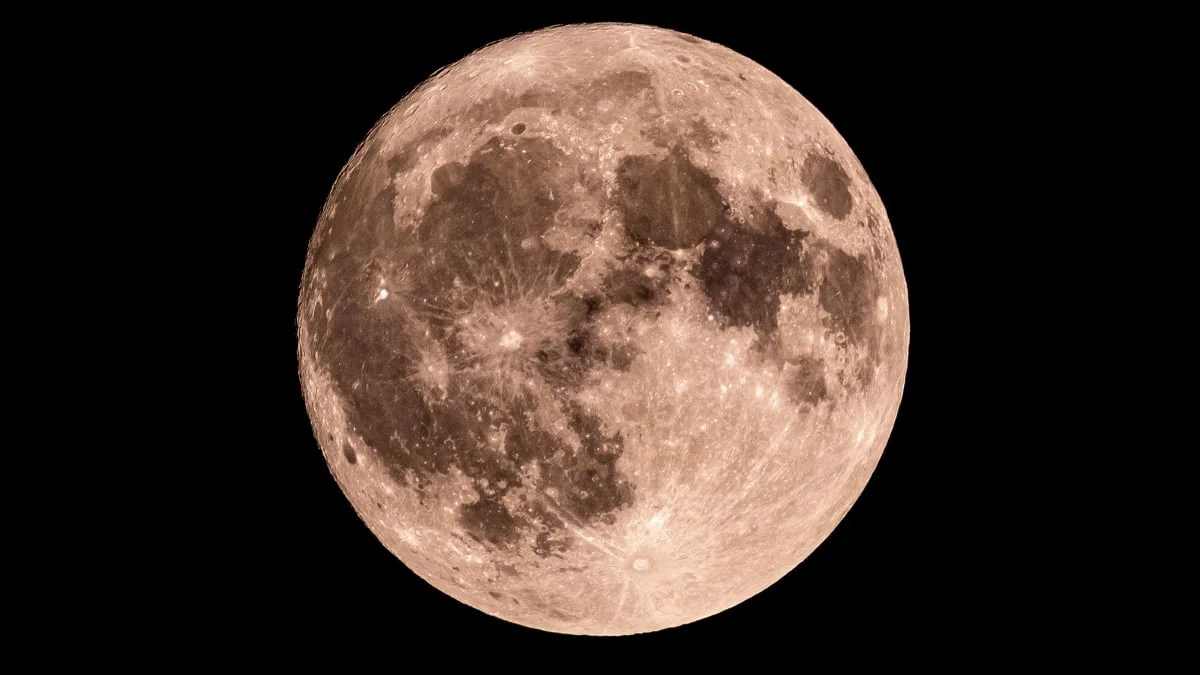
For millennia, humanity has looked to the night sky to track the passage of time, navigate vast oceans, and seek answers to fundamental questions about our solar system. Among all celestial bodies, the Moon remains our most intimate and dynamic neighbor. As of Sunday, July 5, the Moon entered its 20th day of the current 29.5-day synodic cycle, presenting skywatchers with a Waning Gibbous phase. With 75% of its earthward-facing surface illuminated, the Moon offers a spectacular display of geological formations visible to the naked eye, binoculars, and telescopes alike.
Understanding the mechanics behind this continuous transformation requires looking closely at orbital dynamics, observational astronomy, and the scientific significance of our planet’s sole natural satellite.
Main Facts: The Current State of the Lunar Cycle
The appearance of the Moon is in a state of perpetual change. This fluctuation is not due to any physical alteration of the lunar body itself, but rather its shifting position relative to the Earth and the Sun. On Sunday, July 5, NASA’s Daily Moon Guide tracker confirmed that the Moon had reached Day 20 of its 29.5-day cycle.
Current Lunar Status (As of July 5)
┌───────────────────────────┬────────────────────────────────────────┐
│ Parameter                 │ Value / Status                         │
├───────────────────────────┼────────────────────────────────────────┤
│ Current Phase             │ Waning Gibbous                         │
│ Day of Cycle              │ Day 20 of 29.5                         │
│ Illumination Percentage   │ 75%                                    │
│ Next Major Phase          │ Third Quarter (Half-Moon)              │
│ Next Full Moon            │ July 29                                │
└───────────────────────────┴────────────────────────────────────────┘
At 75% illumination, the Moon is in its Waning Gibbous phase, a period characterized by a gradual reduction in visible light as it transitions from a brilliant Full Moon toward the Third Quarter. During this phase, the sunlight strikes the lunar surface at an angle that casts long, dramatic shadows across craters, mountain ranges, and volcanic plains. This oblique lighting makes it one of the most rewarding times for astronomical observation.
The Path to the Third Quarter
As the cycle progresses past Day 20, the line dividing the illuminated portion of the Moon from the dark portion—known to astronomers as the terminator—will continue to sweep across the lunar disk. Within a few days, the Moon will reach the Third Quarter (or Last Quarter) phase, where exactly 50% of its left side (as viewed from the Northern Hemisphere) is illuminated. The upcoming Full Moon, marking the peak of illumination in the next cycle, is projected to occur on July 29, restarting the dramatic visual sequence.
Chronology: The Eight Stages of the Synodic Month
To understand the current position of the Moon on Day 20, one must trace the chronological progression of the synodic month. A synodic month is the time it takes for the Moon to complete one full cycle of phases relative to the Sun, averaging approximately 29.53 days. This differs slightly from the sidereal month (27.3 days), which is the time it takes the Moon to complete one orbit around Earth relative to the distant stars.
Because the Earth is also moving around the Sun while the Moon orbits the Earth, the Moon must travel slightly farther to realign with the Sun and complete its phase cycle. This journey is divided into eight distinct, universally recognized phases.
The 29.5-Day Synodic Cycle
[New Moon] ──► [Waxing Crescent] ──► [First Quarter] ──► [Waxing Gibbous]
    ▲                                                          │
    │                                                          ▼
[Waning Crescent] ◄── [Third Quarter] ◄── [Waning Gibbous] ◄── [Full Moon]
                                             (Current Phase)
The Waxing Half of the Cycle
- New Moon (Day 0/29.5): The Moon is positioned directly between the Earth and the Sun. The side of the Moon facing Earth receives no direct sunlight, rendering it virtually invisible against the dark backdrop of space.
- Waxing Crescent (Days 1–6): As the Moon moves in its orbit, a thin sliver of reflected sunlight becomes visible on its right side (in the Northern Hemisphere). The illuminated portion grows larger night by night.
- First Quarter (Day 7): The Moon reaches a point in its orbit where it is at a 90-degree angle relative to the Earth-Sun line. From our perspective, exactly half of the Moon’s disk—the right side—is illuminated, resembling a perfect half-circle.
- Waxing Gibbous (Days 8–13): "Gibbous" stems from a Latin word meaning humped or swollen. During this stage, more than half of the Moon is lit, and the illuminated region continues to expand toward the left edge.
The Waning Half of the Cycle
- Full Moon (Day 14.7): The Earth is positioned between the Sun and the Moon. The entire face of the Moon facing Earth is fully illuminated, casting bright moonlight across our planet.
- Waning Gibbous (Days 15–21 – Current Phase): After the peak of the Full Moon, the light begins to recede from the right edge toward the left. This is the stage observed on July 5, with illumination decreasing to 75% as the Moon approaches the final third of its cycle.
- Third Quarter / Last Quarter (Day 22): Mirroring the First Quarter, the Moon is once again at a 90-degree angle to the Earth-Sun line, but this time, only the left half of its surface is illuminated.
- Waning Crescent (Days 23–29): The illuminated portion shrinks to a narrow crescent on the left side, gradually fading until it disappears entirely, returning to the New Moon phase to begin the cycle anew.
Supporting Data: An Observer’s Guide to the Waning Gibbous
The Waning Gibbous phase on July 5 offers a prime opportunity for observational astronomy. Because the terminator line is currently slicing through key geographical regions of the Moon, the contrast between light and shadow highlights the rugged topography of the lunar surface.
Depending on the equipment available, observers can target specific geological features.
Observational Guide for the July 5 Waning Gibbous
┌──────────────────┬───────────────────────────┬──────────────────────────────────┐
│ Equipment Level  │ Target Feature            │ Geological Classification        │
├──────────────────┼───────────────────────────┼──────────────────────────────────┤
│ Naked Eye        │ Mare Vaporum              │ Basaltic Volcanic Plain (Sea)    │
│                  │ Aristarchus Plateau       │ Highly Reflective Volcanic Region│
│                  │ Tycho Crater              │ Young, Rayed Impact Crater       │
├──────────────────┼───────────────────────────┼──────────────────────────────────┤
│ Binoculars       │ Mare Humorum              │ Flooded Impact Basin             │
│                  │ Alphonsus Crater          │ Ancient Crater with Dark Haloes  │
│                  │ Grimaldi Basin            │ Deep, Dark Volcanic Basin        │
├──────────────────┼───────────────────────────┼──────────────────────────────────┤
│ Telescope        │ Apollo 16 Landing Site    │ Descartes Highlands (Manned Mission)│
│                  │ Schiller Crater           │ Elongated, Composite Impact Crater│
│                  │ Fra Mauro Highlands       │ Imbrium Basin Ejecta Blanket     │
└──────────────────┴───────────────────────────┴──────────────────────────────────┘
Naked-Eye Observations: Large-Scale Lunar Features
Even without optical aid, the human eye can distinguish contrasting light and dark regions on the Moon. The dark patches, known as maria (Latin for "seas"), are ancient plains of solidified basaltic lava formed by volcanic eruptions following massive meteorite impacts billions of years ago.
- Mare Vaporum (Sea of Vapors): Located just south of the prominent Apennine mountain range, this basaltic plain spans roughly 245 kilometers in diameter. Its dark surface stands out clearly against the surrounding bright highlands.
- Aristarchus Plateau: This is one of the most geologically complex and reflective regions on the Moon. It contains the Aristarchus Crater, which is so bright that it can occasionally be seen with the naked eye even when illuminated only by earthshine (light reflected from Earth onto the dark side of the Moon).
- Tycho Crater: Situated in the southern highlands, Tycho is a relatively young crater (approximately 108 million years old). Its defining feature is a massive system of bright rays—ejecta blasted out during the impact—that stretch across thousands of kilometers of the lunar surface, looking like spokes on a bicycle wheel.
Binocular Exploration: Craters and Basins in Sharp Relief
Stepping up to a standard pair of binoculars (such as 10×50 or 7×50 models) reveals the ruggedness of the lunar terrain, bringing smaller structures and crater walls into focus.
- Mare Humorum (Sea of Moisture): This circular, lava-flooded basin is about 389 kilometers across. Through binoculars, observers can see its distinct boundaries and the dramatic ridges running along its floor.
- Alphonsus Crater: A highly historic crater spanning 119 kilometers, Alphonsus features a prominent central peak. Under the angled light of the Waning Gibbous phase, the shadows cast by this peak and the crater’s high walls are stark and easily visible.
- Grimaldi Basin: Located near the western limb of the Moon, Grimaldi is a large, heavily worn impact basin known for its exceptionally dark floor. Because it reflects very little light, it stands out as a distinct dark spot near the terminator during this phase.
Telescopic Detail: Historical Landing Sites and Rugged Highlands
For those utilizing a telescope, the lunar surface transforms into a highly detailed landscape of towering peaks, deep valleys, and historical landmarks.
- Apollo 16 Landing Spot: Located in the Descartes Highlands, this is the site where astronauts John Young and Charles Duke landed in April 1972. While telescopes cannot resolve the descent stage of the lunar module itself due to atmospheric distortion and physical limitations, the surrounding hilly, mountainous terrain of the highland plains is highly visible.
- Schiller Crater: This unique, elongated crater looks like a giant footprint. Measuring roughly 179 kilometers long and only 71 kilometers wide, scientists believe it was formed by a low-angle, grazing impact or a series of simultaneous impacts.
- Fra Mauro Highlands: This geological formation served as the landing site for the Apollo 14 mission in 1971. It is composed of ejecta material thrown out by the cataclysmic impact that created the massive Imbrium Basin, offering astronomers a window into the Moon’s deep geological history.
Official Responses: Insights from Space Agencies and Astronomers
Space agencies and educational institutions place a high priority on lunar observation as a gateway to broader scientific literacy. NASA’s Daily Moon Guide is part of a concerted effort to encourage "citizen science" and public engagement with the night sky.
NASA’s Outreach Efforts and the Daily Moon Guide
In statements regarding public astronomy, NASA representatives have emphasized that observing the Moon is more than a recreational activity; it is an educational tool that connects the public directly with active space exploration.
"The Moon is our closest laboratory in space," notes a NASA education specialist. "By providing daily tracking tools, we help people realize that the sky is not static. The same features we look at through backyard telescopes today are the very sites being mapped for future robotic and human exploration."
The Daily Moon Guide acts as an interactive portal, updating users on the exact illumination, distance, and optimal viewing times for specific lunar features. By highlighting accessible features like the Tycho Crater or Mare Vaporum, the guide lowers the barrier to entry for amateur astronomers worldwide.
The Scientific Community on Citizen Science
Professional astronomers point out that public interest in the Moon’s phases has practical benefits for science. High-quality amateur astrophotography often captures transient lunar phenomena—such as brief flashes of light from meteoroid impacts or localized gas releases—that might otherwise go unnoticed by professional observatories focused on deep-space targets.
Furthermore, academic institutions argue that understanding the basic mechanics of the lunar cycle fosters critical thinking. By observing how the terminator moves across the Moon over 29.5 days, students can visually grasp complex orbital mechanics, gravitational relationships, and the geometry of our solar system.
Implications: Why Tracking the Moon Matters Today
While tracking the Moon’s phases has historical roots in agriculture and timekeeping, its modern implications are deeply tied to science, technology, and the future of human civilization.
The Artemis Era and the Return to the Moon
The study of the lunar surface is no longer just an academic pursuit. With NASA’s Artemis program and international efforts to establish a permanent human presence on the Moon, understanding lunar topography is of paramount operational importance.
How Lunar Characteristics Impact Modern Space Exploration
┌───────────────────────────┬────────────────────────────────────────────────┐
│ Lunar Characteristic      │ Practical Application for Space Missions       │
├───────────────────────────┼────────────────────────────────────────────────┤
│ Phase & Illumination      │ Planning solar-powered robotic lander missions │
│ Topography (Highlands)    │ Selecting safe landing zones (e.g., South Pole)│
│ Shadowed Regions (Craters)│ Locating water ice deposits in permanently     │
│                           │ shadowed regions (PSRs)                        │
└───────────────────────────┴────────────────────────────────────────────────┘
The Waning Gibbous phase, which highlights the rugged highlands and crater rims, serves as a visual reminder of the challenging terrain that future astronauts will navigate. Regions like the lunar South Pole, which contain permanently shadowed craters where water ice is preserved, are currently being mapped with unprecedented precision. The ice in these craters could eventually be harvested for drinking water, oxygen, and hydrogen rocket fuel, making the Moon a stepping stone for deep-space missions to Mars.
Tidal Forces and Earthly Ecosystems
The gravitational relationship between the Earth and the Moon is the primary driver of ocean tides. As the Moon progresses through its 29.5-day cycle, the alignment of the Earth, Moon, and Sun changes, altering the strength of these tidal forces.
- Spring Tides: During the New Moon and Full Moon phases, the Earth, Moon, and Sun are aligned. Their combined gravitational pull creates exceptionally high high tides and low low tides.
- Neap Tides: During the First and Third Quarter phases, the Sun and Moon are at right angles relative to Earth. Their gravitational forces partially cancel each other out, resulting in moderate tides with minimal variation between high and low water.
During the transition from Waning Gibbous to the Third Quarter, coastal communities, marine biologists, and maritime industries closely monitor these shifts, as they directly impact harbor navigation, coastal ecosystems, and the feeding patterns of marine life.
Conclusion: A Shared Human Experience
The lunar cycle remains a powerful bridge between humanity’s past and its future. Whether viewed as a biological clock for ecosystems, a physical driver of our oceans, or a stepping stone for interplanetary exploration, the Moon continues to captivate and instruct. The Waning Gibbous phase of July 5 is a reminder that the night sky is an active, evolving canvas—one that is accessible to anyone willing to look up.
 Raul Delapena Setiawan
  Ali Ikhwan
  Evan Lee Salim