
 By Layla Zulfa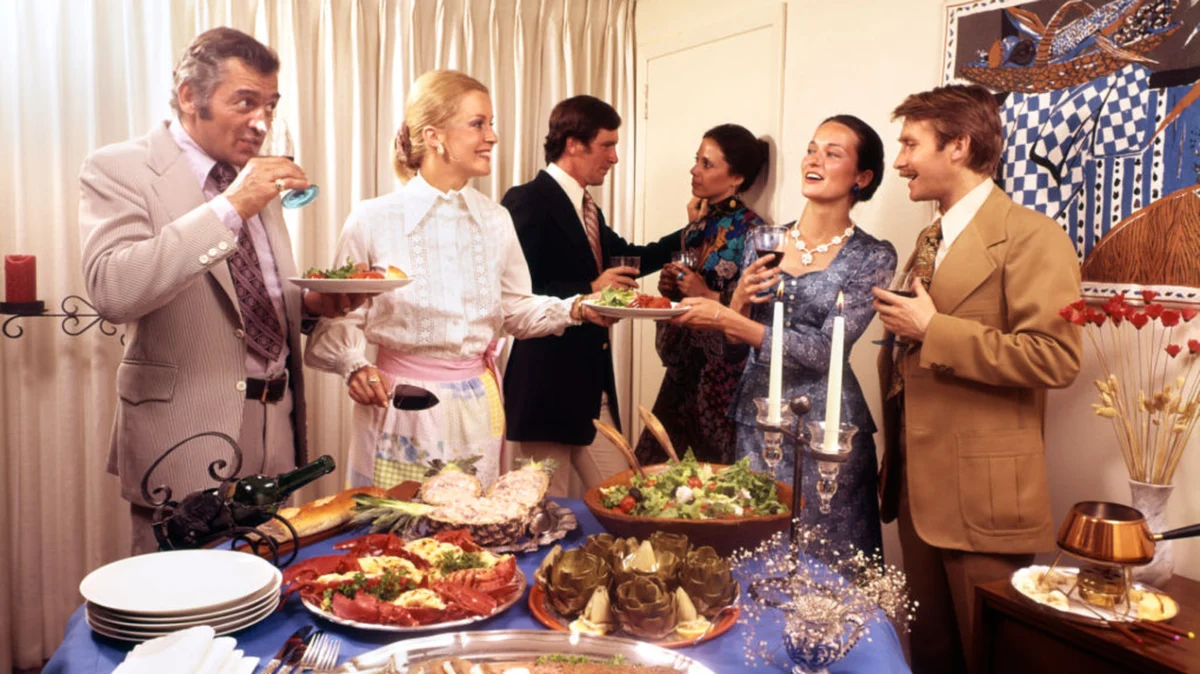
The 1970s in America was a decade defined by seismic shifts in social norms, a burgeoning interest in global travel, and a paradoxical obsession with both convenience-driven processed foods and high-minded culinary experimentation. As the disco era brought vibrant nightlife and a sense of theatricality to the American mainstream, the home kitchen transformed into a stage. The dinner party became the ultimate status symbol, prompting home cooks to move beyond the post-war simplicity of the 1950s toward a more eclectic, albeit sometimes chaotic, gastronomic repertoire.
From the rise of the iconic fondue pot to the controversial "salads" held together by gelatin, the food of the 1970s tells a story of a nation navigating economic uncertainty and a growing appetite for world culture.
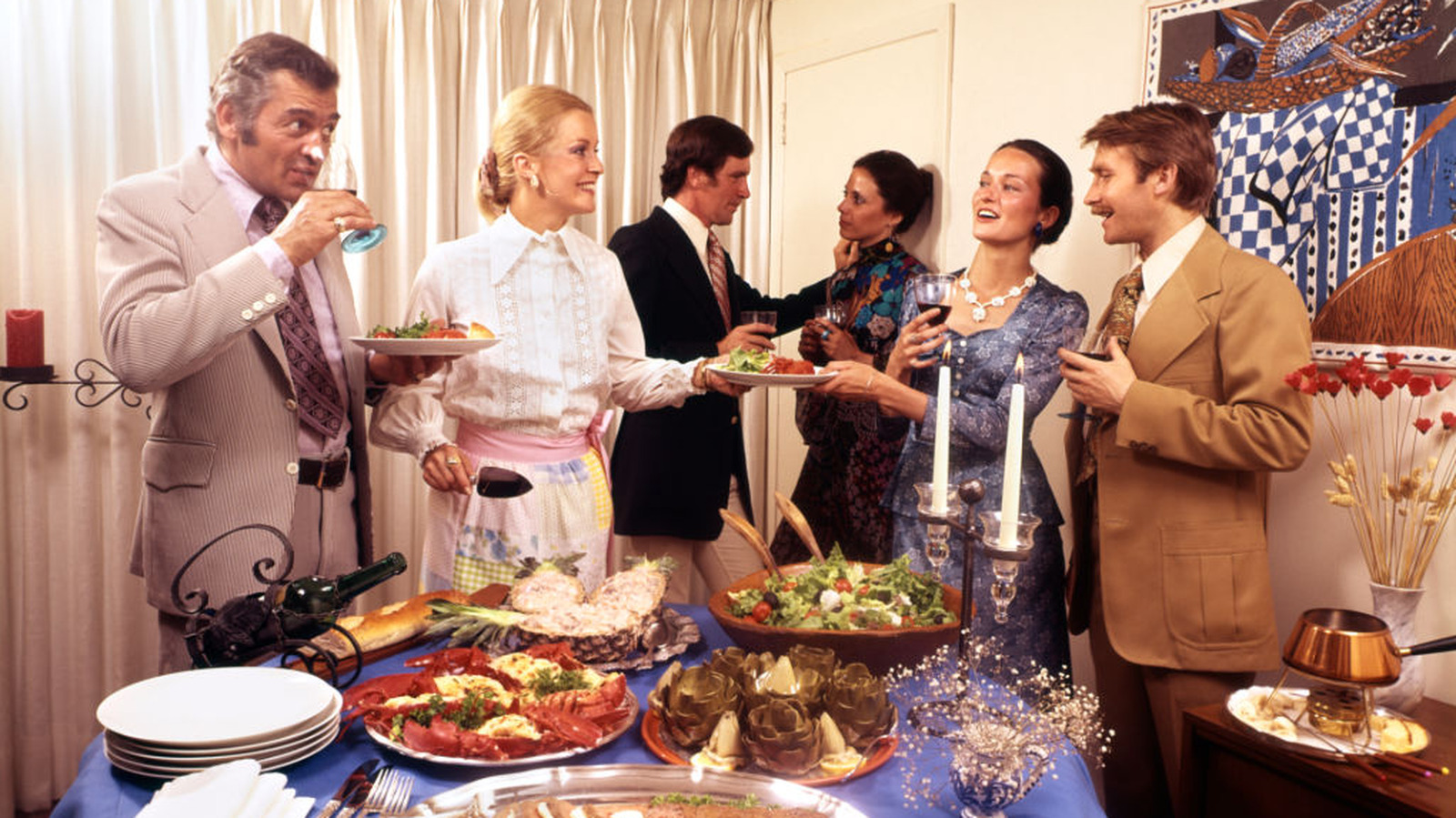
The Culinary Context: Convenience Meets Ambition
In the early 1970s, the American palate was being reshaped by authoritative voices. Publications such as the 1973 edition of Betty Crocker’s Cookbook and the 1971 New York Times International Cookbook introduced home cooks to concepts previously reserved for professional kitchens—soufflés, curried dishes, and international classics.
This period was marked by a dual identity: the "Me Decade" saw the continued reliance on Depression-era resourcefulness, utilizing canned soups and boxed mixes to stretch budgets, alongside a sudden, intense curiosity for global flavors. This intersection of "make-do" ingenuity and aspirational dining created the unique—and sometimes polarizing—food landscape we recognize today as the essence of the 1970s.
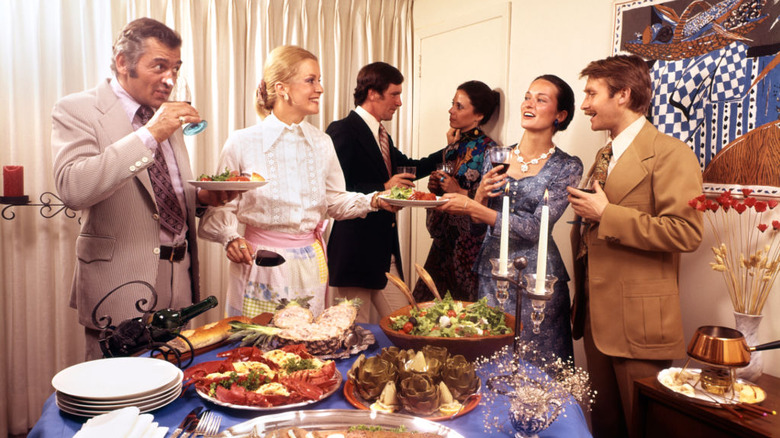
A Chronology of Disco-Era Dining
The evolution of the 1970s table did not happen in a vacuum. It followed a distinct trajectory of social and economic pressures:
- 1970: General Mills launches Hamburger Helper, a direct response to rising beef costs, forever changing the weeknight dinner routine.
- 1971: The New York Times International Cookbook is released, signaling a shift toward global awareness in the American home.
- 1973: The Miami News highlights "Watergate Salad," signaling the peak of the gelatin-salad craze.
- Mid-1970s: Pasta Primavera is invented at Le Cirque in New York City, quickly becoming the standard-bearer for "upscale" home dining.
- Late 1970s: The health-conscious movement begins to take root, helping to cement Carrot Cake as a "wholesome" dessert staple.
The 16 Defining Dishes of the 1970s
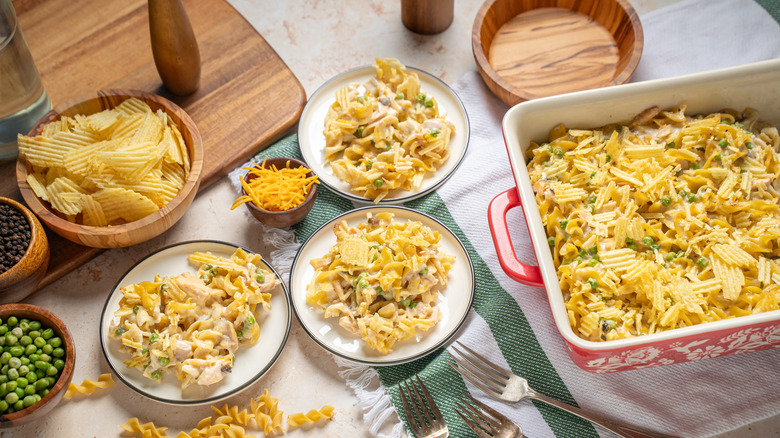
1. Tuna Casserole
The ultimate comfort food, the tuna casserole, relied on the "Holy Trinity" of the ’70s pantry: canned tuna, cream-of-chicken soup, and frozen peas. It was the quintessential "one-dish meal" that allowed for mass production at a low cost.
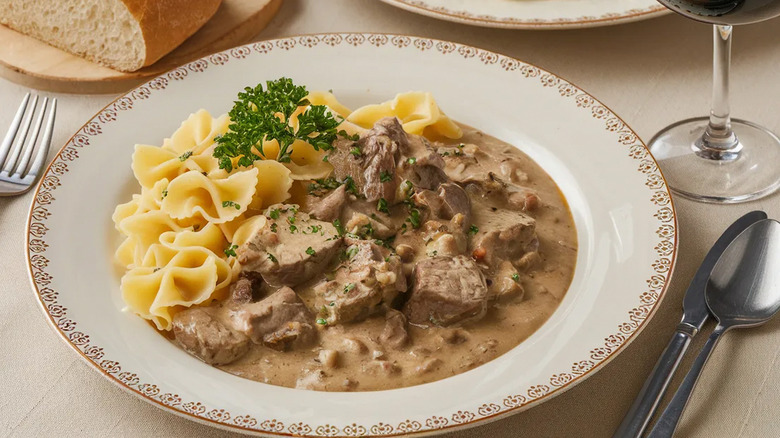
2. Beef Stroganoff
As an entry point to Russian-inspired cuisine, this dish became a household staple. By substituting expensive cuts of meat with thinner strips and using sour cream to provide a rich mouthfeel, home cooks could deliver a "gourmet" experience with minimal effort.
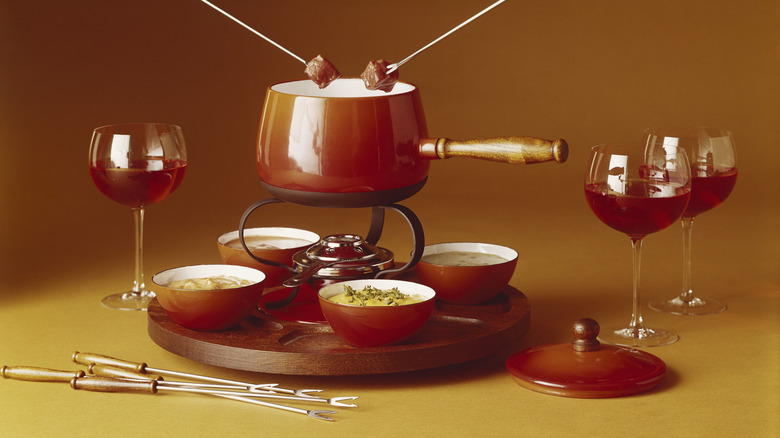
3. Swiss Fondue
Fondue was the centerpiece of the decade’s social scene. Fueled by a dairy surplus and aggressive advertising, the fondue pot became a mandatory wedding gift. It was more than a meal; it was a communal performance piece that epitomized the "fun-due" spirit of the era.
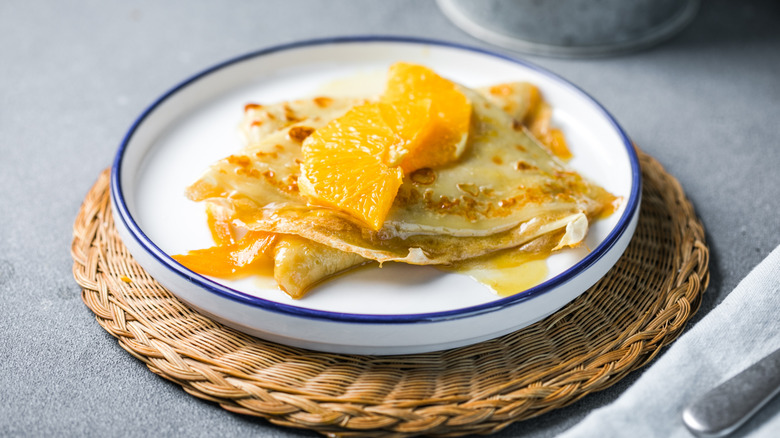
4. Crêpes Suzette
A dish that transitioned from elite French restaurants to the home kitchen, Crêpes Suzette allowed hosts to show off their flair. The tableside flambéing of the cognac-soaked dessert was the ultimate display of culinary prowess.
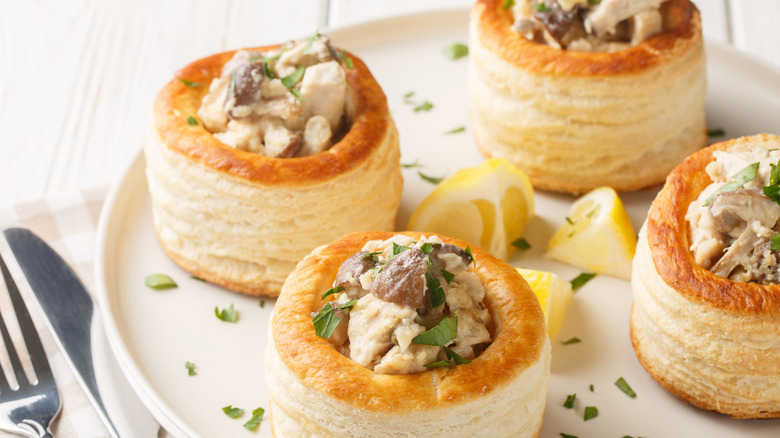
5. Vol-au-vent
These puff pastry shells were the sophisticated hors d’oeuvre of choice. Their versatility—capable of being stuffed with savory chicken or sweet fillings—made them the perfect bite-sized canvas for the adventurous 1970s host.
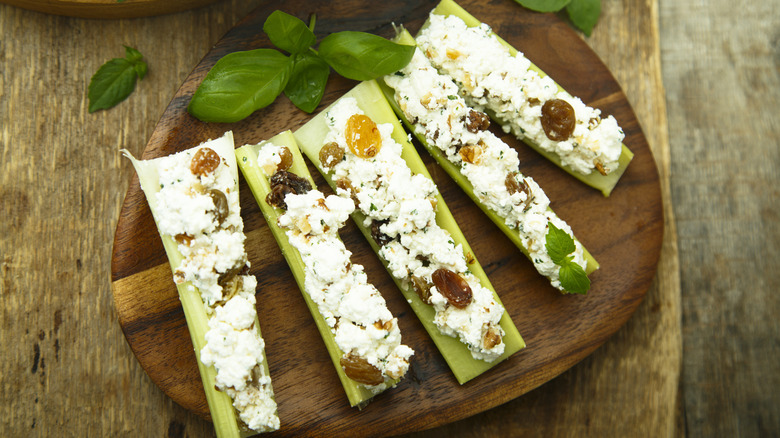
6. Stuffed Celery
While modern palates might view celery as a mere vessel for peanut butter, in the ’70s, it was a high-status appetizer. Stuffed with pimento cheese, olives, or bacon, it was a common sight at any formal gathering.
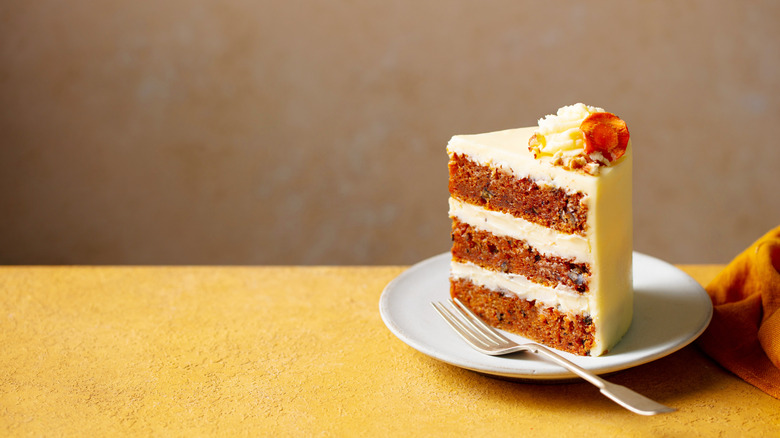
7. Carrot Cake
Before the 1970s, carrot cake was a fringe dessert. It was the rise of the health-conscious movement, combined with brilliant marketing from Philadelphia Cream Cheese, that turned this vegetable-laden treat into an American obsession.
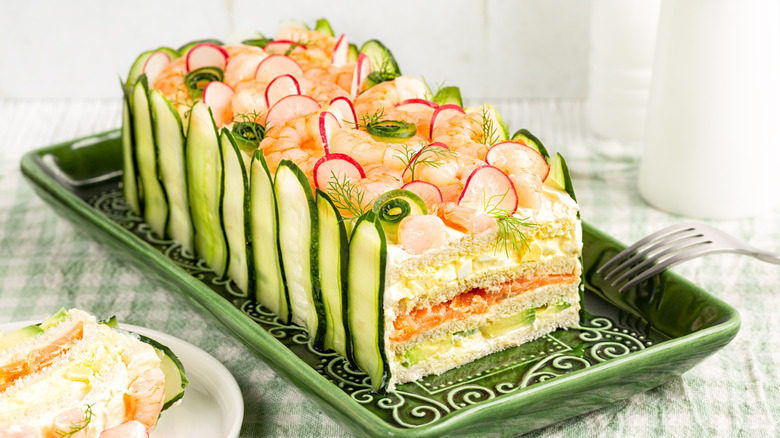
8. Betty Crocker’s Sandwich Loaf
Perhaps the most "wacky" of the decade’s creations, the sandwich loaf was a cake-shaped, multi-layered savory sandwich slathered in tinted cream cheese. It represented the peak of the era’s desire for aesthetic novelty, even if the flavor profile remains a subject of modern debate.
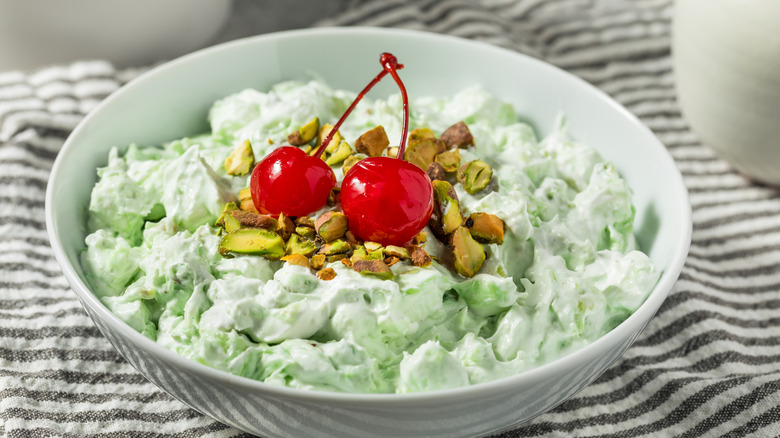
9. Watergate Salad
A neon-green concoction of pistachio pudding, Cool Whip, and pineapple, this dish exemplified the era’s obsession with "salads" that were strictly dessert. It remains a polarizing, yet undeniably iconic, relic of 1970s potlucks.
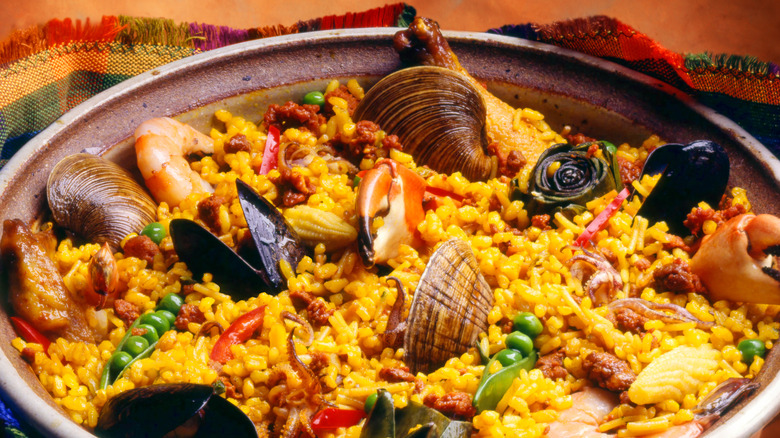
10. Spanish Paella
As Americans began to travel more, the demand for authentic international dishes grew. Paella became the "dinner party" dish of choice—a single-pan meal that allowed for visual impact and the illusion of worldly sophistication.
11. Hamburger Helper Bakes
While the boxed mix was a convenience, the "bake" variation was an attempt to elevate the product into a cohesive casserole. It highlights the genius of the era’s food manufacturers in catering to families who wanted to add a "personal touch" to pre-packaged meals.
12. Harvey Wallbanger Cake
Named after the popular cocktail containing Galliano, this Bundt cake was a boozy, citrus-forward dessert. It was a perfect marriage of the era’s cocktail culture and the popularity of the decorative Bundt pan.
13. Pineapple Chicken
Following Hawaii’s transition into a state, the mainland became infatuated with "Tiki" culture. Pineapple chicken, typically featuring canned fruit and roasted poultry, was the standard-bearer for this "exotic" tropical craze.
14. Jell-O Salads
From shrimp-filled aspics to sweet marshmallow-studded desserts, the 1970s were the golden age of gelatin. It was a time when the ability to mold ingredients into a structural shape was viewed as a culinary triumph.
15. Pasta Primavera
This dish represents the bridge between 1970s excess and the fresher, vegetable-forward cooking of the early 1980s. Its creation at Le Cirque brought a fresh, vibrant, and cream-laden elegance to American pasta consumption.
16. Quiche Lorraine
The "casserole of breakfast," quiche allowed for endless customization. It moved the humble egg and bacon breakfast into the realm of lunch and dinner, serving as the decade’s go-to "fancy but easy" meal.
Supporting Data and Socio-Economic Implications
The prevalence of these dishes was not accidental. Data from the era suggests a 15% increase in home entertaining between 1970 and 1978. As women entered the workforce in greater numbers, the reliance on processed, time-saving ingredients increased significantly.
The "casserole culture" was an economic necessity; with inflation affecting the cost of fresh produce and proteins, using shelf-stable items like canned soups and gelatin allowed families to maintain a standard of living that felt "modern" and "abundant." The proliferation of these recipes in mass-market cookbooks acted as a stabilizer, ensuring that even as the economy fluctuated, the American dinner table retained a sense of consistency and, occasionally, whimsy.
Official Responses and Culinary Legacy
While food critics of the time occasionally scoffed at the heavy use of processed ingredients, the "official" food industry—led by giants like General Mills and Kraft—maintained that these dishes were vital. They argued that these recipes democratized "fine dining," bringing the concepts of French technique (crêpes and quiche) and international flair (paella) to the suburban masses.
Today, the legacy of 1970s cuisine is one of nostalgia. Chefs frequently revisit these classics, "elevating" them with fresh herbs, high-quality cheeses, and artisanal bread to strip away the "processed" stigma. However, the core of these dishes remains: they were designed for connection. In a decade of cultural upheaval, the 1970s dinner table provided a reliable, albeit kitschy, place for families and friends to gather.
Whether we look back at the Jell-O mold with horror or affection, there is no denying that the dishes of the disco era were essential to the development of the modern American culinary identity. They taught us how to be experimental, how to be thrifty, and, above all, how to turn the kitchen into a place of celebration.
 Raul Delapena Setiawan
  Basiran
  Nana
Nana 