
 By Reynand Wu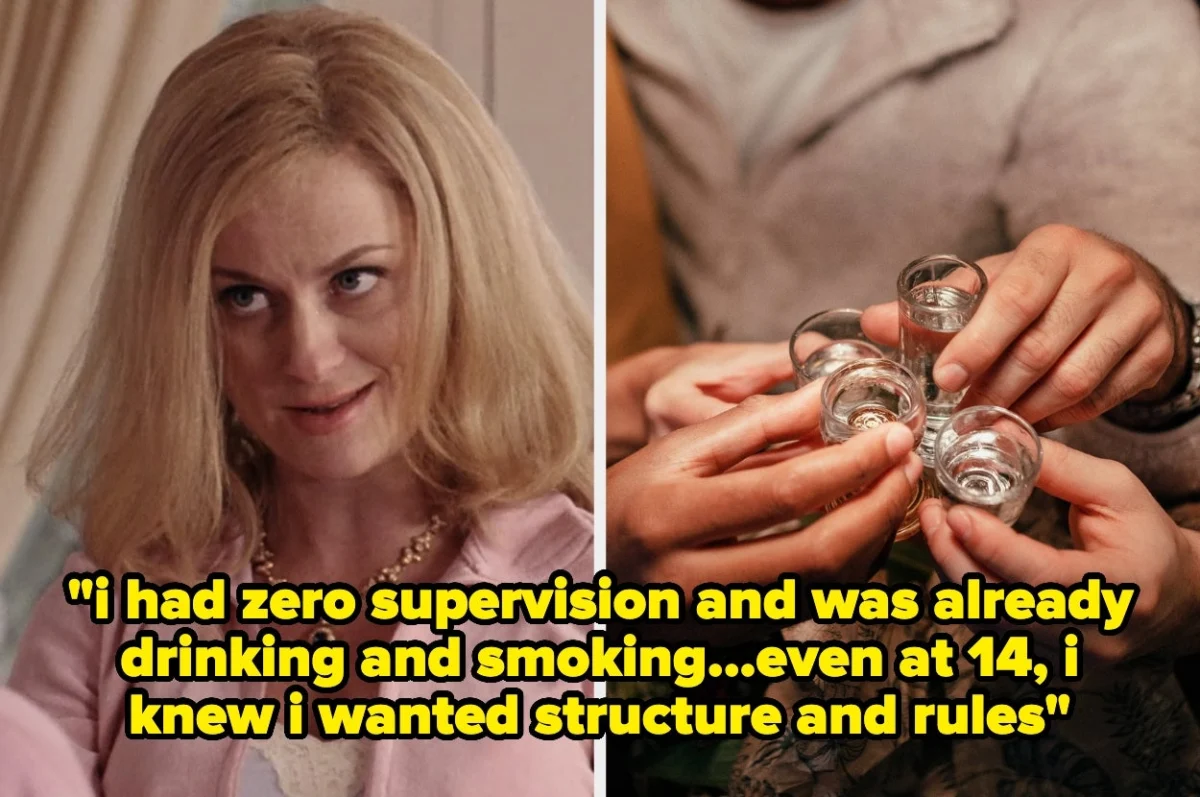
Published: October 10, 2026
Category: Society / Psychology / Culture
Main Facts
The cultural archetype of the "cool parent"—famously immortalized in media by characters like Regina George’s mother in Mean Girls—has long occupied a complex, often romanticized space in popular culture. Typically characterized by a relaxed, carefree attitude toward traditional boundaries, these parents often bypass standard household rules such as strict bedtimes, mandatory chores, and curfews. More concerningly, however, they frequently permit or actively encourage underage experimentation with adult activities, including alcohol consumption, smoking, and the use of illicit substances, long before children are legally or developmentally equipped to handle them.
A viral TikTok video posted this week by user Hess Hembree has shattered the nostalgic lens through which many view this parenting style, sparking an intensive digital conversation about the psychological reality of growing up with "cool parents."
"Nothing is darker than looking back at the ‘cool parents’ that your friends or you might have had when you were growing up, that let you do shit that now you’re like, ‘What in the world was that about?’" Hembree stated in the video, which quickly amassed millions of views and thousands of comments.
The discourse has exposed a stark generational shift in perspective. Adults who once viewed their permissive upbringing as a mark of independence or privilege are now looking back through the eyes of maturity—and often through the lens of parenthood themselves—only to recognize those environments not as progressive or fun, but as dangerous, boundaryless, and profoundly neglectful.
Chronology
The recent cultural reckoning with permissive parenting did not emerge in a vacuum, though social media has radically accelerated public discourse on the subject.
- Early Pop Culture Framing (2000s): Media properties like Mean Girls (2004) codified the trope of the "cool mom" as a comedic, eccentric figure desperate to be liked by her teenage daughter’s peer group, prioritizing friendship over authority.
- The Shift to Digital Communities (2020–2025): As millennials and older Gen Z cohorts entered adulthood and parenthood, online spaces—particularly Reddit, TikTok, and Instagram—began hosting frank discussions about childhood trauma, emotional neglect, and dysfunctional family dynamics.
- The October 2026 Viral Catalyst: Content creator Hess Hembree published a short video questioning the underlying darkness of households that operated under the guise of being "chill," directly challenging the societal glamorization of rule-free childhoods.
- Current Wave of Public Testimony (October 2026): Within days of Hembree’s post, thousands of users came forward anonymously to share disturbing accounts of underage substance use, adult complicity, and profound feelings of isolation, transforming a niche video into a massive viral sociological case study.
Supporting Data & Personal Accounts
The comment section of Hembree’s viral video—and the subsequent digital fallout—revealed a harrowing pattern of behavior among adults who abdicated their caregiving responsibilities in favor of peer validation. Due to the sensitive nature of these revelations, involving minors and illegal substances, respondents shared their stories anonymously. The data points collected from these testimonies outline a spectrum of psychological harm:
1. The Burden of Self-Parenting
Many respondents noted that the absence of rules did not equate to freedom; rather, it forced children to navigate adult perils without a safety net. One user shared:
"I had the ‘cool mom.’ At 14, I snapped and asked her why she couldn’t be normal. I had zero supervision and was already drinking and smoking. Basically, raising myself and my baby brother. But even at 14, I knew I wanted structure and rules. I am now mom to adult children and became the mom I wish I could have had."
2. Adult Complicity in Underage Substance Abuse
Rather than acting as a protective barrier against external harms, many "cool parents" actively facilitated dangerous environments. Several contributors reported adults supplying alcohol, hosting keg parties for middle and high school students, or partaking directly in substance use with minors.
"When I was 15, my mom would smuggle liquor into the fair for me and my friends to get wasted. My dad would ask us for liquor knowing we stole it," one user recalled. Another added: "My best friend’s mom introduced us to liquor and took bumps [of drugs] WITH us. She literally ruined my life."
3. The Illusion of the "Safe Space"
Some parents justified their permissiveness under the banner of harm reduction—believing that hosting parties at home kept teenagers out of worse trouble. However, adults reflecting on these environments noted that this "safety" was illusory.
"My parents would cook my friends a big Italian dinner and then let us have wine and buy us beers and would let us party in the basement," one user shared. "I think they thought it was providing a ‘safe space’ for us to party and explore, but it’s soooooo weird to think back on now."
4. Extreme Neglect Disguised as "Chillness"
The line between being a relaxed parent and a neglectful one often blurred completely. Without structural oversight, children frequently engaged in extreme risk-taking behaviors simply to attract adult attention.
"I couldn’t party at home with friends, but I could be gone all weekend and never explain to her where I was," a contributor noted of their mother. "One time, I really wanted attention and love when I was 16, and so I got blackout drunk… I woke up and could not remember anything. No one even noticed I was home."
Official Responses & Expert Perspectives
Psychologists, child welfare advocates, and family therapists have long cautioned against the "friendship-first" parenting model, noting that children’s brains require distinct boundaries to develop emotional regulation and a healthy sense of security.
While clinical organizations have not issued direct policy statements regarding the TikTok trend specifically, existing psychological literature on authoritarian versus permissive parenting sheds significant light on the phenomenon. Clinical consensus indicates that children thrive under authoritative parenting—a style characterized by high expectations combined with high emotional support and clear, consistent boundaries.
Conversely, permissive or "indulgent" parenting—where adults behave more like peers than authority figures—frequently correlates with long-term negative outcomes, including:
- Higher rates of substance abuse in adolescence and adulthood.
- Lower academic and professional achievement due to a lack of self-discipline.
- Increased vulnerability to peer pressure and exploitation.
- Chronic anxiety and difficulty forming secure, trusting relationships later in life.
Furthermore, mental health professionals emphasize that when adults seek validation from children—such as striving to be viewed as "the cool, fun adult"—they commit a profound boundary violation, shifting the emotional burden of the relationship onto the child.
Implications
The viral conversation ignited by Hess Hembree’s video signals a broader cultural awakening regarding how society views childhood trauma, neglect, and parental accountability.
The Generational Mirror
For many millennials and older Gen Z adults who are now raising children of their own, looking back at their formative years has served as a painful mirror. As several commentators noted, realizing the age of their own children brings the reckless behavior of their parents into sharp, horrifying focus. When a parent pictures their own 10-, 14-, or 15-year-old child being supplied with alcohol or drugs by an adult, the nostalgic gloss instantly evaporates, revealing pure endangerment.
Redefining "Cool"
Cultural norms around parenting are undergoing a quiet recalibration. The archetype of the boundary-free, indulgent parent is increasingly being reclassified not as modern or progressive, but as emotionally immature and fundamentally unsafe. Modern parenting discourse is leaning heavily back toward the value of stability, predictability, and emotional safety—embracing the reality that children do not need peers in adult bodies; they need parents willing to enforce boundaries, even when those boundaries make them temporarily unpopular.
If you are concerned that a child is experiencing or may be in danger of abuse, you can call or text the National Child Abuse Hotline at 1-800-422-4453 (4.A.CHILD); services are available in over 140 languages.
If you or someone you know is struggling with substance abuse, support is available. You can contact SAMHSA’s National Helpline at 1-800-662-HELP (4357) for 24/7, confidential treatment referral and information services.
 Laily UPN
  Nana
Nana  Suro Senen