
 By Laily UPN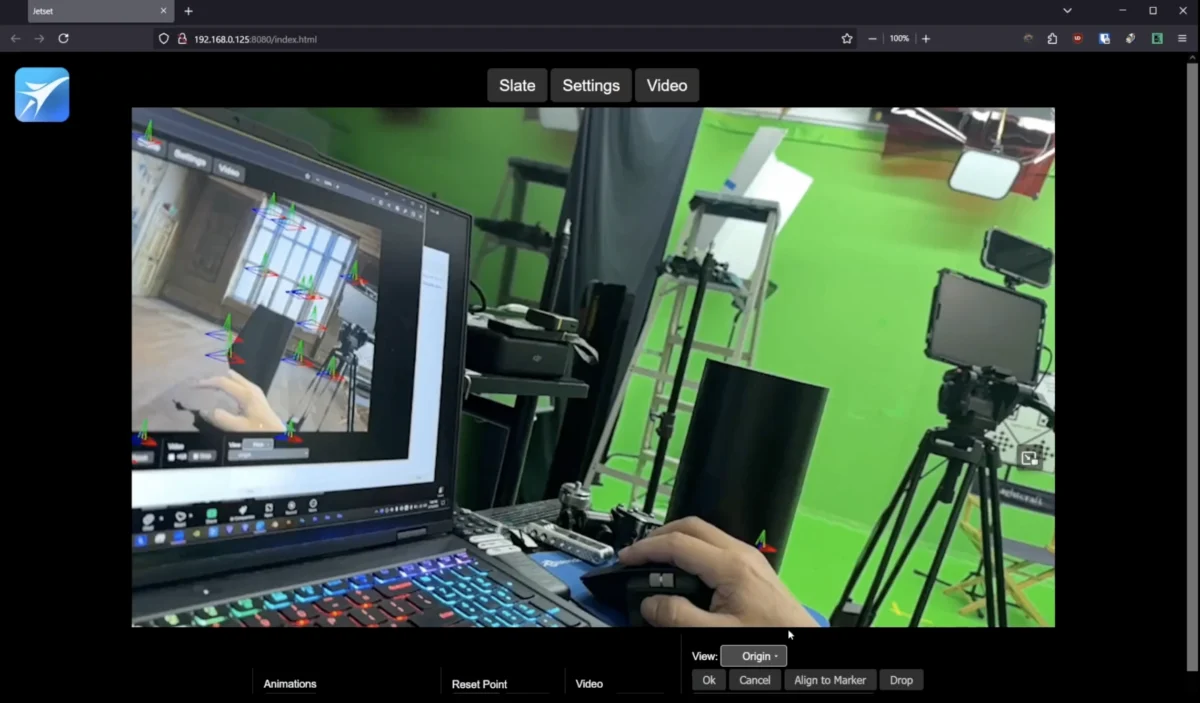
For decades, the path to directing a feature film was gated by a rigid, high-stakes checklist: secure studio backing, assemble a massive crew, rent exorbitant camera equipment, and navigate a labyrinth of corporate approvals. The barrier to entry was not just talent; it was capital. However, a seismic shift is currently rippling through the industry, led by creators who have bypassed these traditional bottlenecks entirely.
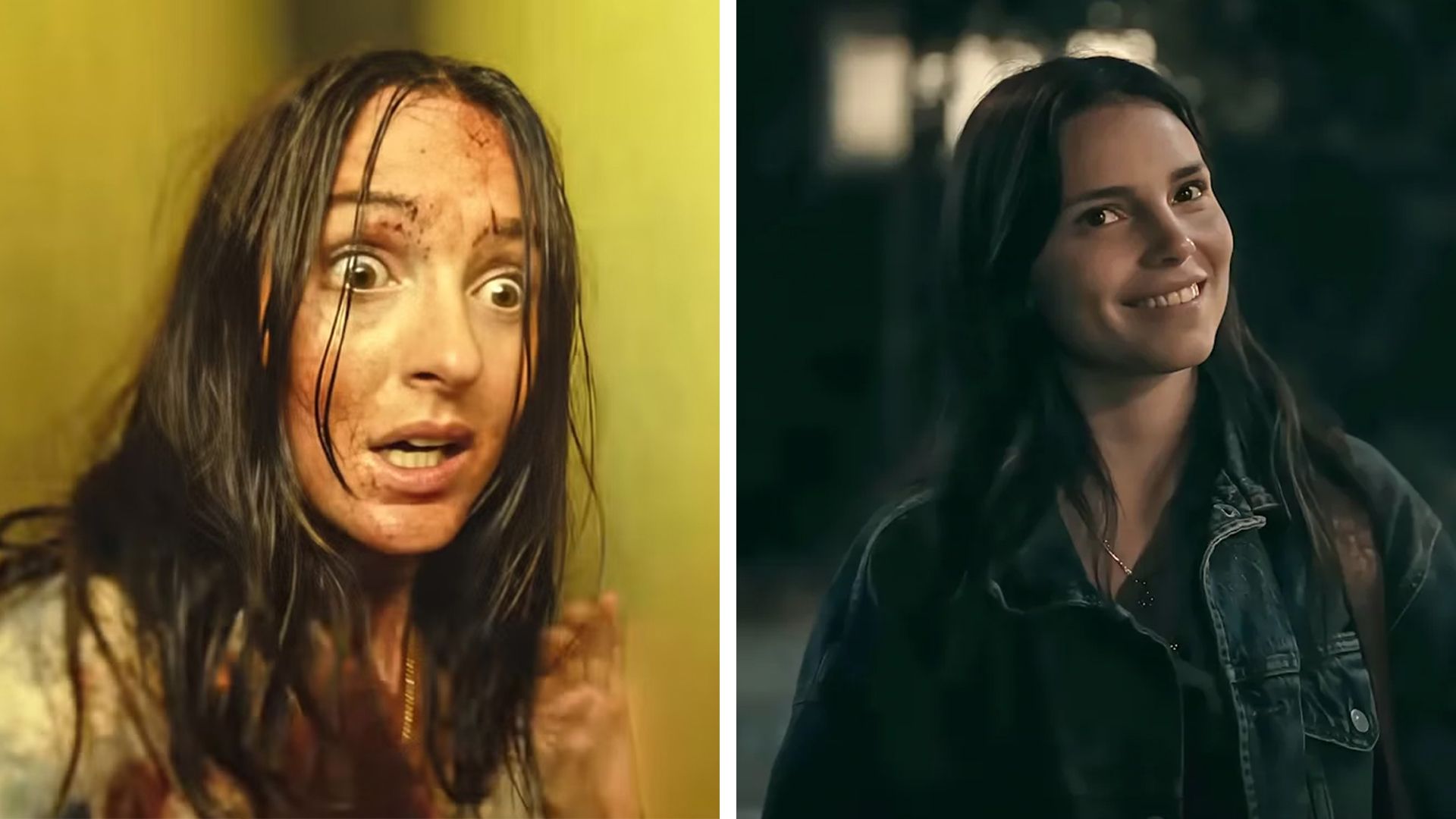
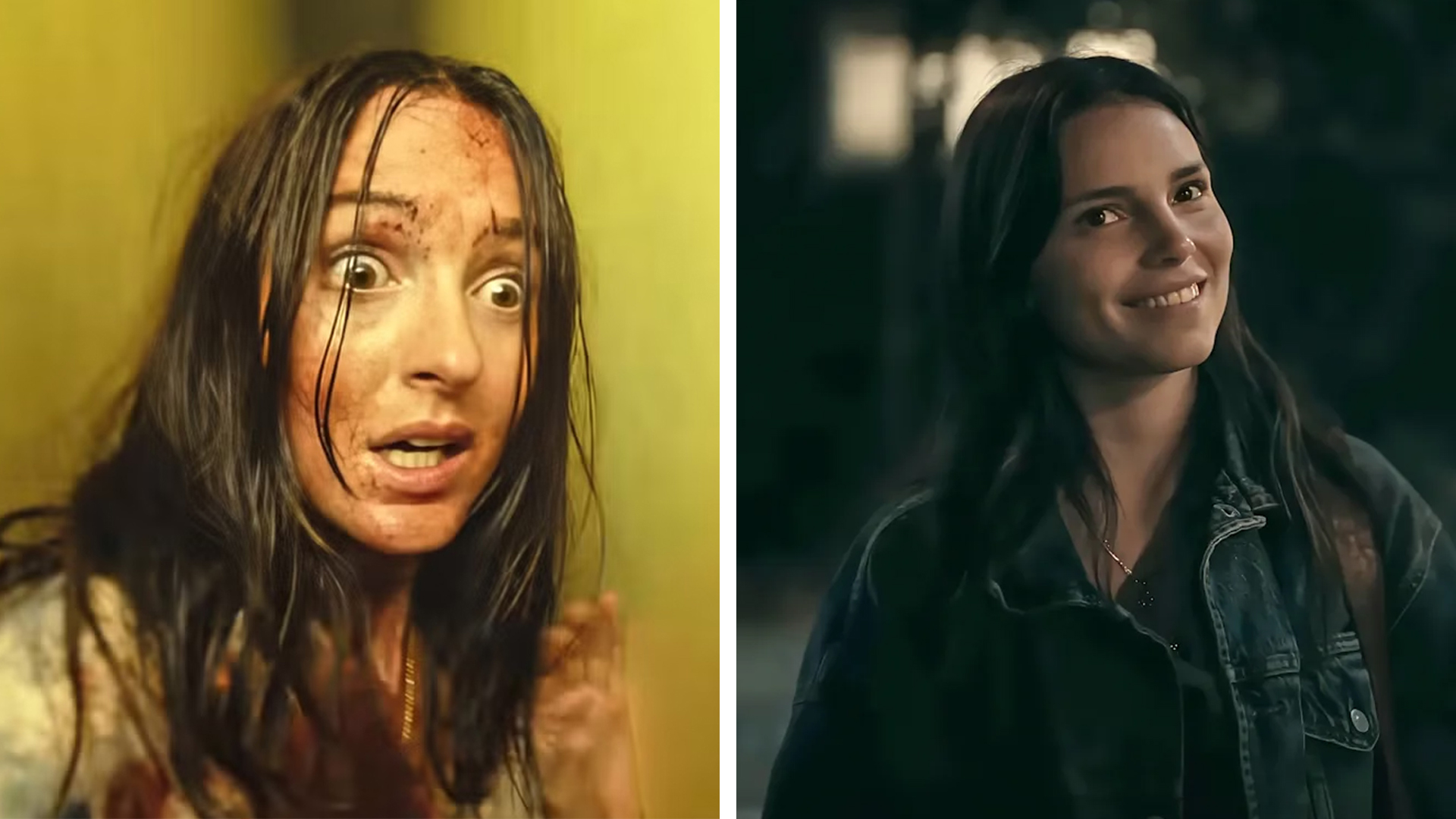
The success of viral, micro-budget sensations like The Backrooms—which reportedly generated over $367 million in global impact from a shoestring budget—and similar genre-defying projects, has signaled a new era. These films are not just anomalies; they are proof that audiences are hungry for new aesthetics, raw storytelling, and unique voices that don’t require a nine-figure budget to resonate.
The New Vanguard: Micro-Budgets and Massive Reach
The traditional Hollywood model often prioritizes "safe" bets—sequels, established intellectual property, and high-budget spectacles designed to mitigate financial risk. Yet, the runaway success of The Backrooms and Obsession proves that "spectacle" is no longer the sole province of the major studios. By leveraging open-source and low-cost tools like Blender, a new generation of filmmakers is crafting high-fidelity worlds in their living rooms, proving that creative ambition can be decoupled from massive infrastructure.
Eliot Mack, CEO and co-founder of Lightcraft Technology, views this as a generational turning point. "The key movies in every generation are the ones that rewrite the rules," Mack explains. "What you are seeing now is the speed at which new talent gets a shot at rewriting the rules. Twenty years old is very quick for a big break, and you are going to see more of this, not less, as the tools become more powerful."
Chronology of a Creative Revolution
The shift began in the fringes of the internet. Initially, YouTube and social media platforms were seen merely as testing grounds for short-form content. However, creators like Kane Parsons (the mind behind The Backrooms) demonstrated that internet-native creators could translate a viral aesthetic into a cohesive, long-form narrative that maintained its "stickiness" and emotional resonance.
- The Rise of the Digital Native: Independent creators began mastering 3D pipelines, previously reserved for high-end VFX houses, using accessible software.
- Community-Driven Validation: Before a single frame of a feature film was shot, these creators built massive, dedicated fanbases who were already invested in the lore and visual language of their projects.
- The "Proof of Concept" Era: Instead of pitching a script on paper, creators started pitching "visual realities"—rough cuts or 3D sequences that allowed financiers to see, rather than imagine, the final product.
- The Integration of Professional Tools: Companies like Lightcraft Technology are now building the "connective tissue" that allows these indie workflows to scale into professional, studio-grade productions.
Supporting Data: Why the Old System is Struggling
Hollywood has long scaled creativity through budget, but that strategy is increasingly inefficient. The traditional industry model creates "islands"—pre-production, production, and post-production—that often operate in silos. These departments rarely communicate effectively, leading to redundant work and massive data loss.
According to industry trends, the "cost per spectacle" is dropping. As AI-assisted platforms and 3D pipelines become more refined, the overhead required to achieve cinematic results is plummeting. When a film can be pre-visualized in a 3D space with the same accuracy as a storyboard, the margin for error decreases, and the efficiency of the shoot increases. This allows for a more agile production environment where creative decisions are made in real-time, rather than being locked in months before cameras roll.
Official Response: The "Spark" Paradigm
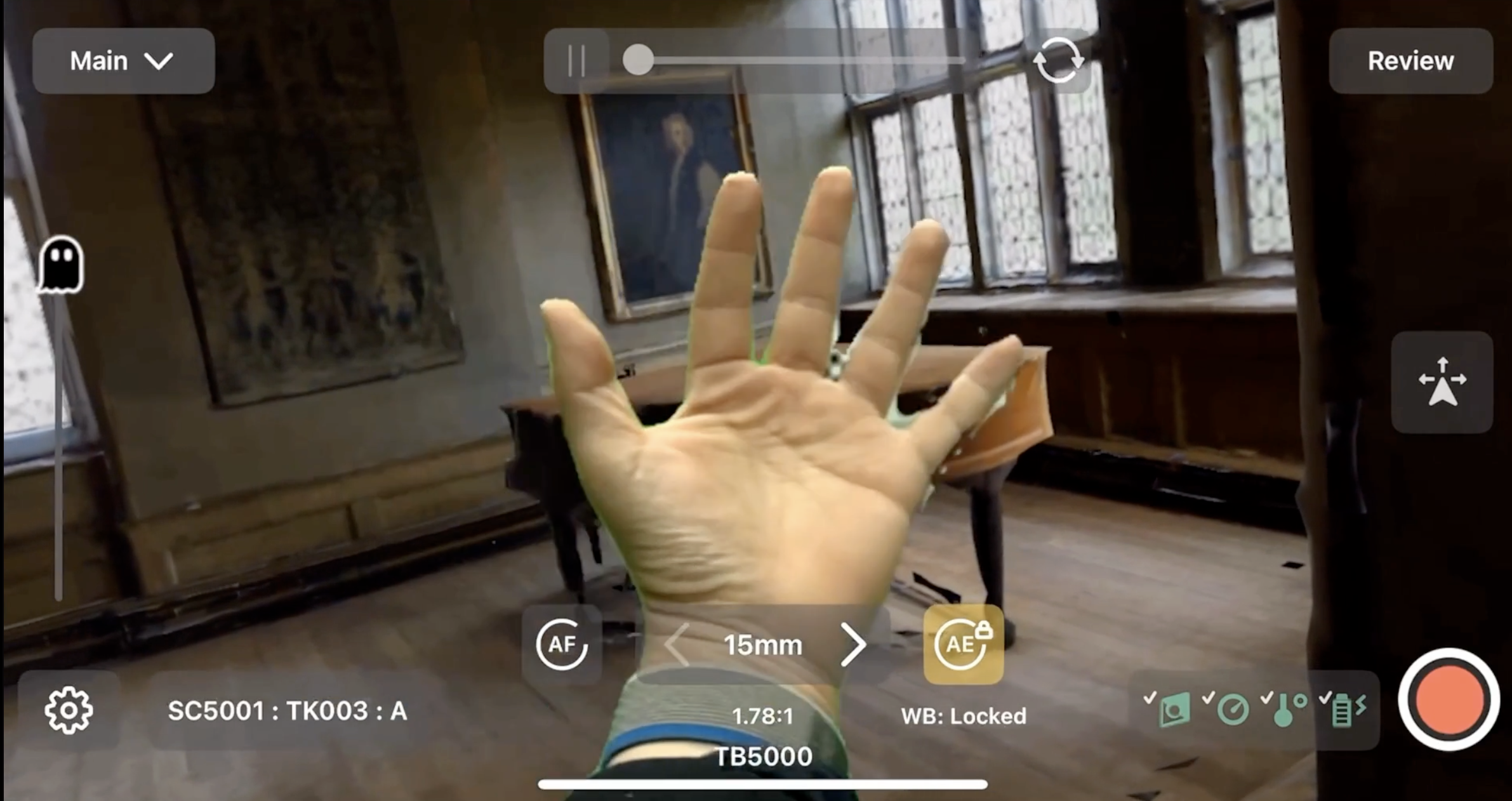
To address these inefficiencies, Lightcraft Technology is preparing to unveil new features for its platform, Spark, at SIGGRAPH 2026. Spark is designed to serve as the "Google Docs of 3D filmmaking," acting as a central repository for the entire production process. By integrating the screenplay, production planning, and creative decisions into a single, shared 3D environment, it aims to eliminate the friction that has historically plagued independent filmmakers.
"Spark is really one place to create stories together," says Mack. "It’s designed to make the process feel less abstract and more like working together in the same room. We are giving them a lingua franca that helps all the islands of filmmaking connect."
The platform focuses on "script-first" development. By organizing data around the screenplay, Spark allows writers and creatives to explore their worlds in 3D before a single dollar is spent on set construction or location scouting. This, Mack argues, is the ultimate tool for pitching: "If you can envision a story, develop magnetic shots, and then sell a rough cut to whoever needs to fund it, you’re going to stand out. Spark is going to enable a ‘seeing is believing’ scenario."
Implications: The Future of Hollywood
The implications for the traditional studio system are profound. As micro-budget filmmakers continue to achieve professional results, the role of the studio is shifting from that of an "overseer and gatekeeper" to something more akin to a venture capital partner.
1. From Gatekeeper to Incubator
In the near future, studios will likely stop trying to replicate the success of indie hits through internal development and instead pivot to becoming "supercharged incubators." They will provide the resources to scale projects that have already proven their value in the digital wild.
2. The Death of the "Black Hole" Post-Production
Currently, post-production is often a black hole where time and money vanish. By using a centralized 3D database like Spark, filmmakers can track every shot, understand its current status, and see it "in situ." This transparency creates an end-to-end logic for the project that was previously impossible.
3. The New Creative Class
We are witnessing the emergence of a new breed of filmmaker—one who is as comfortable with a 3D render engine as they are with a script. This creative class does not wait for permission; they build, test, and release. For the studios, this means they can no longer afford to ignore the creators thriving on platforms like YouTube and Reddit. As Mack notes, "Studios are already scrambling to find their YouTube wunderkinds… if people see success, they want in on it."
4. A Five-Year Horizon
Looking ahead five years, the "typical" indie production will be unrecognizable by today’s standards. The development phase will be collaborative and visual. Writers will work alongside 3D artists in the browser, testing locations and camera angles while the ink is still wet on the script. When they finally enter production, they will do so with a fully realized plan, minimizing risk and maximizing creative output.
Conclusion: The End of the "Blank Page" Era
The democratization of filmmaking is not about replacing the human element; it is about removing the obstacles that keep the most innovative stories from being told. By lowering the barrier to entry, we are not just seeing more films; we are seeing more interesting films.
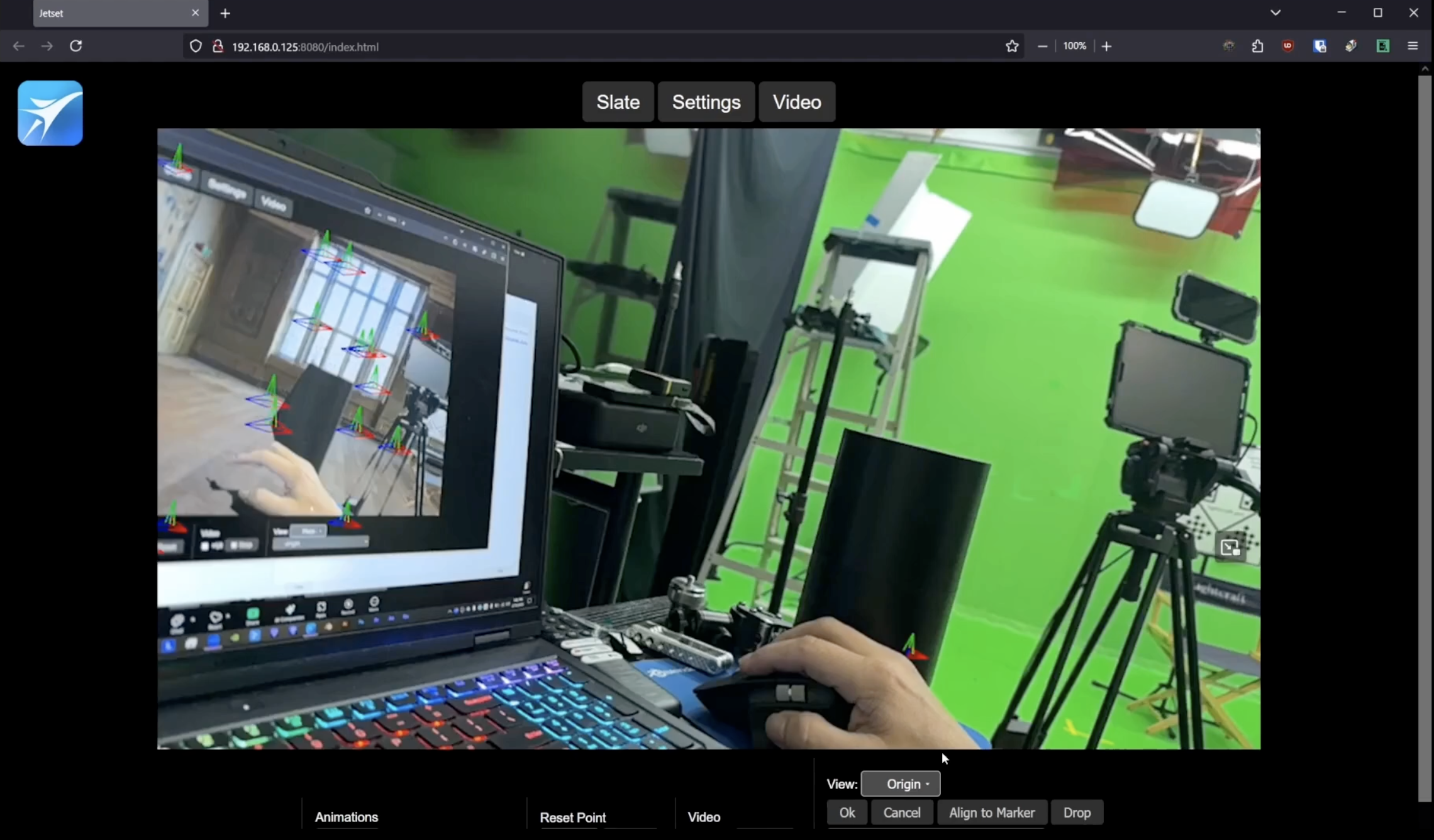
As tools like Spark continue to evolve, the distinction between "Hollywood-grade" and "indie-grade" will eventually vanish. The future of cinema belongs to those who can master the art of the visual pitch, leverage efficient digital pipelines, and tell stories that resonate with heart—regardless of whether they are working from a studio lot or a bedroom. The era of the "blank page" is ending, replaced by an era of collaborative, 3D-enabled creation. The industry is changing, and for the next generation of storytellers, the tools for the future are already in their hands.
 Raul Delapena Setiawan
  Ammar Sabilarrohman
  Muslim