
 By Lina Irawan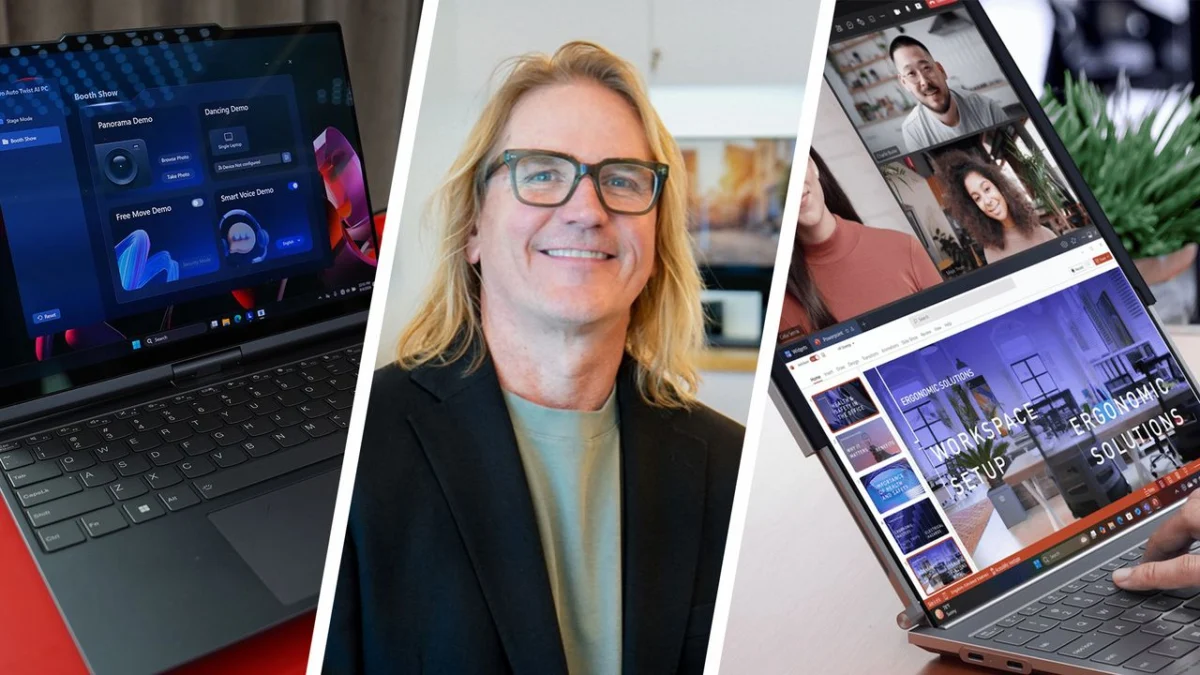
In the annals of personal computing, the last two decades have been defined by a singular, obsessive pursuit: the “thin and light” revolution. From the original MacBook Air to the ultrabooks of the late 2010s, hardware design was governed by the physics of portability. However, as we stand on the precipice of an AI-driven technological shift, this obsession is being rendered obsolete.
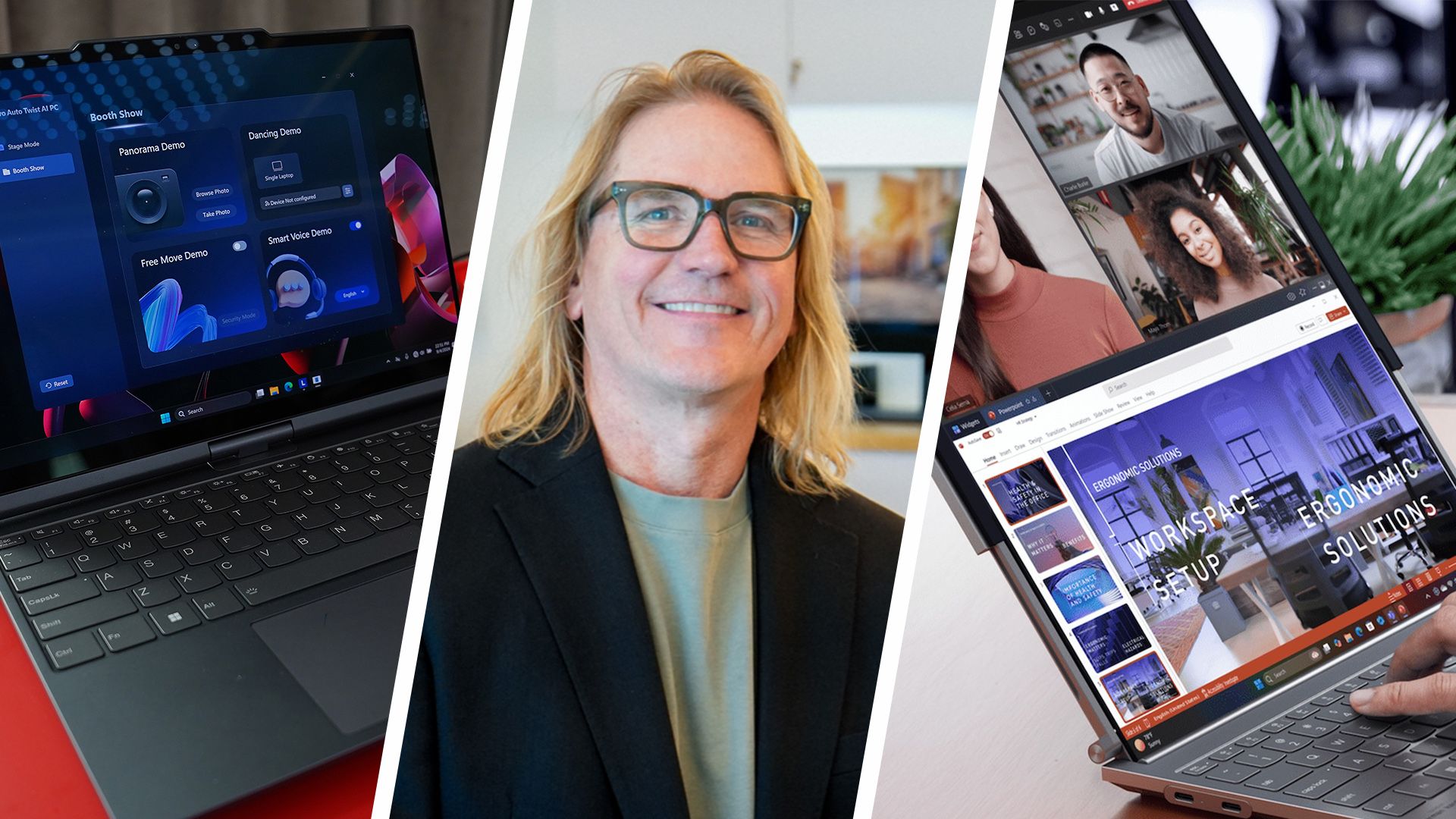
Brian Leonard, Vice President of Design at Lenovo, is at the forefront of a seismic shift in how we conceive of our tools. With a career spanning over 700 to 800 distinct notebook designs, Leonard is not merely observing the change; he is architecting it. As artificial intelligence fundamentally rewires the relationship between human intent and machine output, the industry is moving away from the static, software-driven laptop and toward a future of adaptive, modular, and deeply personal computing ecosystems.
The End of the “Thin and Light” Obsession
For years, the success of a laptop was measured in millimeters and grams. It was a race to the bottom—or, more accurately, to the thinnest profile possible. According to Leonard, that era has concluded.
“If we look back a couple of years ago, we were focused on how do we make it thinner, how do we make it lighter,” Leonard explains. “And now it’s completely different, because we have the opportunity to change the way we use computers every day.”
The catalyst for this pivot is the arrival of sophisticated, integrated AI. Historically, computing was a manual process: the user provided a string of inputs, and the machine provided a predictable, static output. Today, AI allows the device to act as an agent of intent rather than a passive vessel for software. When the machine begins to understand the context of the user—who they are, what they are working on, and how they prefer to interact—the physical form factor must evolve to support that intelligence.
Chronology of the Shift: From IBM Roots to AI Future
To understand where Lenovo is going, one must look at the lineage of its design philosophy. The company’s DNA is deeply rooted in the IBM ThinkPad, a product line synonymous with the "Correcting Selectric" typewriter era.
- The Golden Age of Utility: Historically, ThinkPads were defined by accessibility. Users could pop off a palm rest and replace a hard drive or RAM in seconds.
- The Thinning Era: As the industry shifted toward mobile consumerism, accessibility was sacrificed for aesthetic minimalism. Repairability and modularity were sidelined to shave off millimetres.
- The Experimental Pivot: With the introduction of the Yoga series, Lenovo began experimenting with 360-degree hinges and unique form factors, signaling a desire to break the standard clamshell mold.
- The AI/Modular Present: Following the success of dual-screen concepts like the Yoga Book, Lenovo is now integrating AI-driven "intent-based" computing into its hardware, prioritizing personalization over generic performance.
Supporting Data: The Rise of Flexible Form Factors
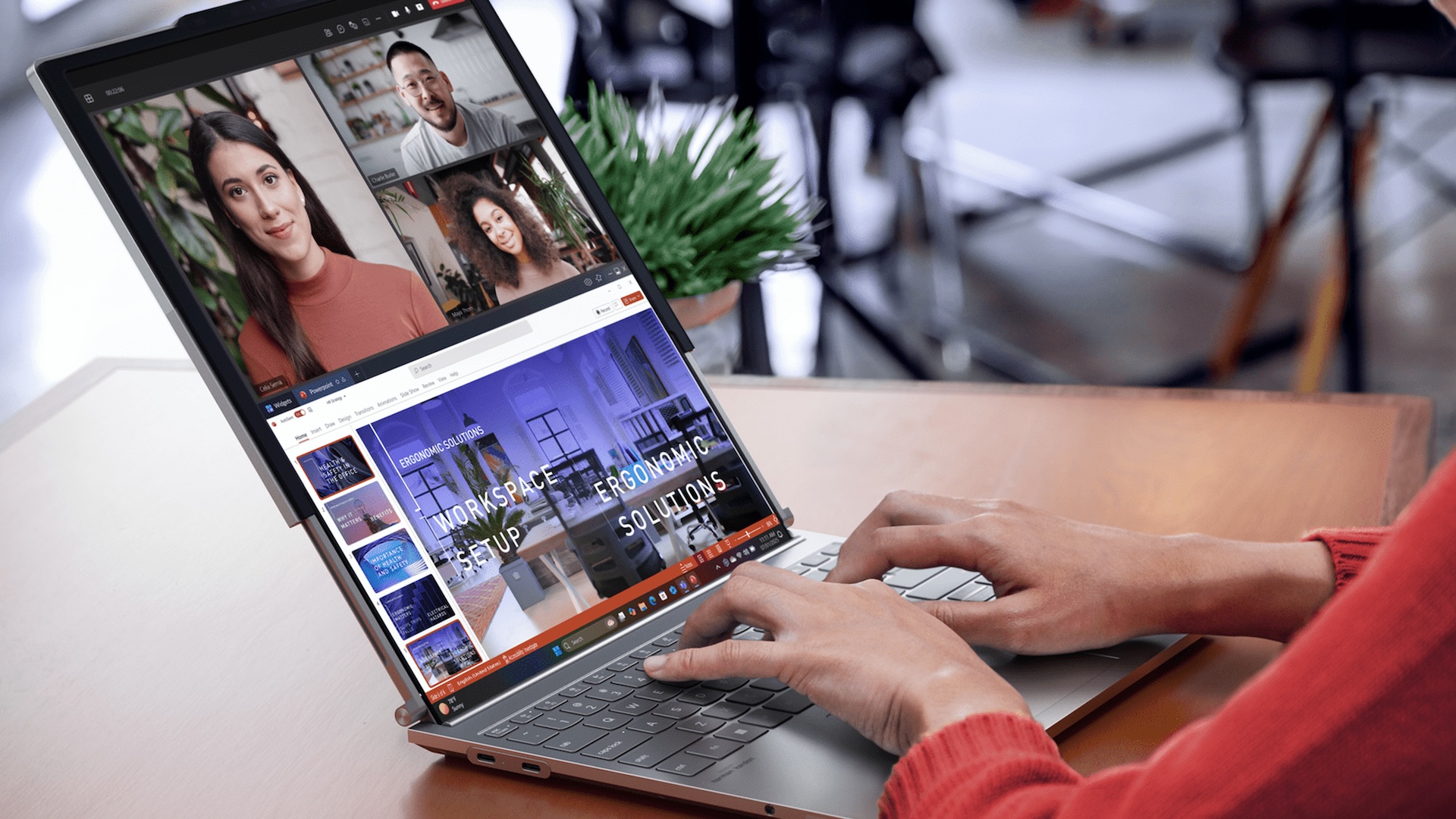
Lenovo’s recent experiments, such as the Auto Twist concept unveiled at IFA Berlin 2025 and the ThinkBook Plus Gen 6, are not merely design exercises or tech-show novelties. They represent a data-backed response to how users actually behave.
Observational research—designers watching real-world workflows in coffee shops—revealed that users were constantly cobbling together makeshift workstations. They were carrying tablets, separate keyboards, and various stands to mimic a productive environment. This behavior served as the blueprint for the Yoga Book. If users were already using secondary displays, why not integrate them?
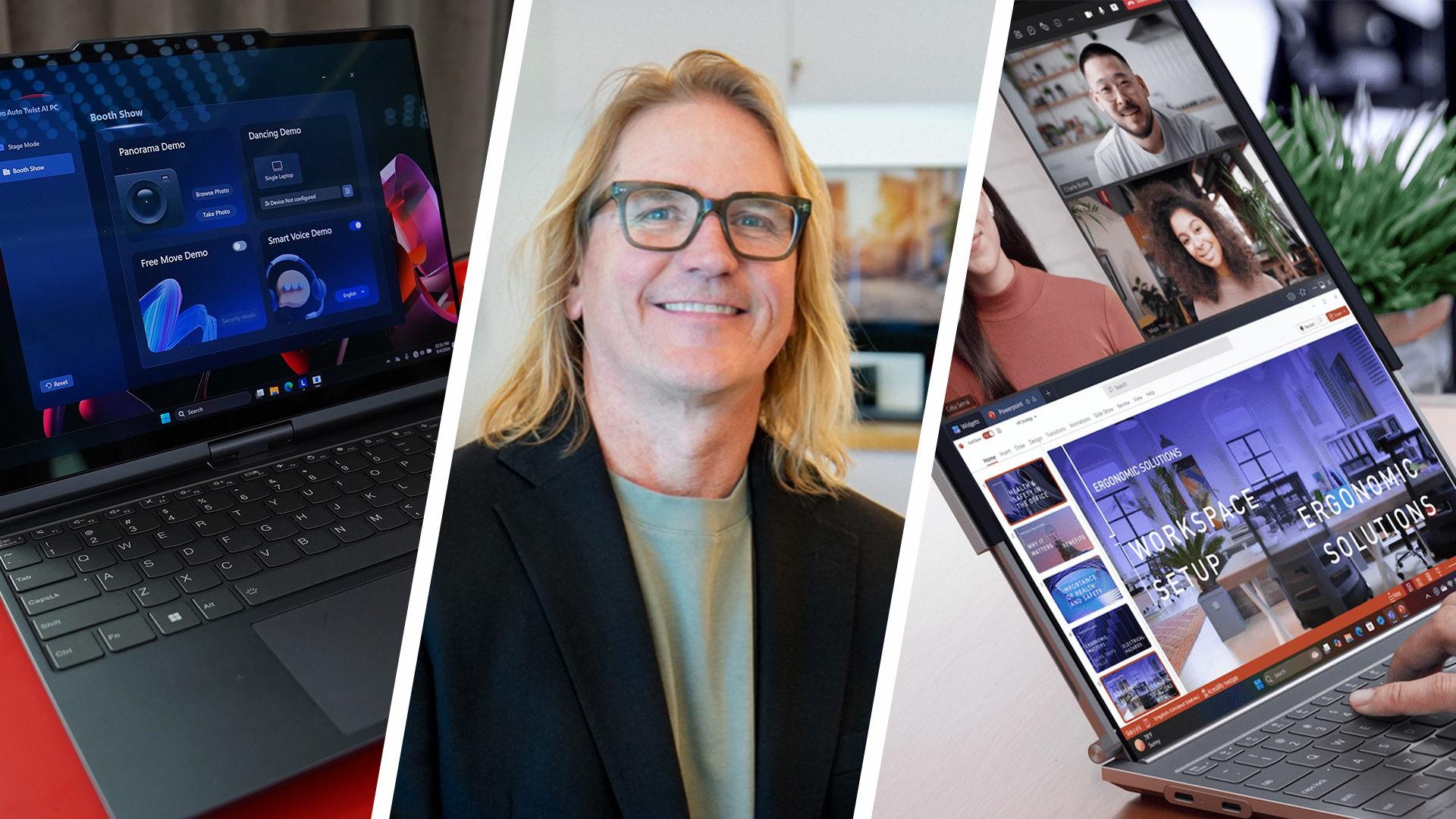
This research highlights a growing trend: the physical keyboard, once the untouchable pillar of the laptop, is becoming an optional component. By embracing dual-screen and rollable technologies, Lenovo is effectively decoupling the input method from the display, allowing the user to decide whether they need a physical tactile interface for deep work or a digital canvas for creative tasks.
Official Responses and Strategic Pillars
Lenovo’s strategy, as outlined by Leonard, is built upon a "Hardware-Software-AI" triangle. This is exemplified by "Qira," Lenovo’s new personalization platform. The goal is to move beyond the generic "one-size-fits-all" computing experience.
“When we look at what the future is, it’s not just about hardware. It’s about this relationship between hardware, software, and AI,” Leonard notes. “It’s no longer just about what it looks like and what it did, but what are those possibilities?”
The strategic imperative is to ensure that the hardware serves as the anchor for an ecosystem. Through initiatives like "Smart Connect," Lenovo is working to unify tablets, phones, and PCs into a single, cohesive workflow. The friction of the current digital life—taking a photo, emailing it to oneself, and dragging it into a presentation—is being systematically dismantled.

Furthermore, there is a conscious effort to restore the "tactility" of computing. Leonard is openly critical of the industry-wide trend that saw every interface become a flat, glass touchscreen. He points to the automotive industry—which is slowly bringing back physical buttons—as a blueprint for what he hopes to see in the next generation of computing: a return to haptic, meaningful physical controls.
The Implications: Designing the "Cockpit"
If one were to remove all commercial constraints, what would the computer of the future look like? Leonard’s answer is not a product, but an environment.
“I would really be interested in designing a workspace that encompassed an ecosystem of devices that were about my person, focused on it more like the cockpit of a car versus a desk and a chair,” he envisions.
This concept carries profound implications for the industry. It suggests a departure from the "isolated object" model of computing. Instead, the future of work will likely occur within a "cockpit"—an integrated, AI-aware environment that anticipates the user’s needs.
Key Takeaways for the Future of Design:
- Modularity is Returning: Repairability is no longer a niche hobbyist demand but a core requirement for sustainable, long-term product value.
- Multimodal Interfaces: We are exiting the age of the "all-screen" interface. Future devices will prioritize a blend of touch, haptic, and perhaps even non-traditional inputs as AI processes user intent.
- The Ecosystem as the Product: A device is only as good as its ability to communicate with the rest of the user’s digital life. Siloed software is becoming a liability.
- The Death of Generic Computing: AI allows for hardware that learns the user, turning a mass-produced item into a personalized assistant.
As we move forward, the questions preoccupying designers are shifting from the mechanical (how thin) to the psychological (how it understands). The laptop is not dead, but it is undergoing a metamorphosis. It is shedding its rigid shell to become a fluid, intelligent participant in our daily lives. Whether through the rollable, expandable screens of the ThinkBook or the haptic, repairable designs of tomorrow’s ThinkPads, the message from Lenovo is clear: the future of personal computing is, at long last, truly personal.
 Raul Delapena Setiawan
  Ammar Sabilarrohman
  Muslim