
 By Pevita Pearce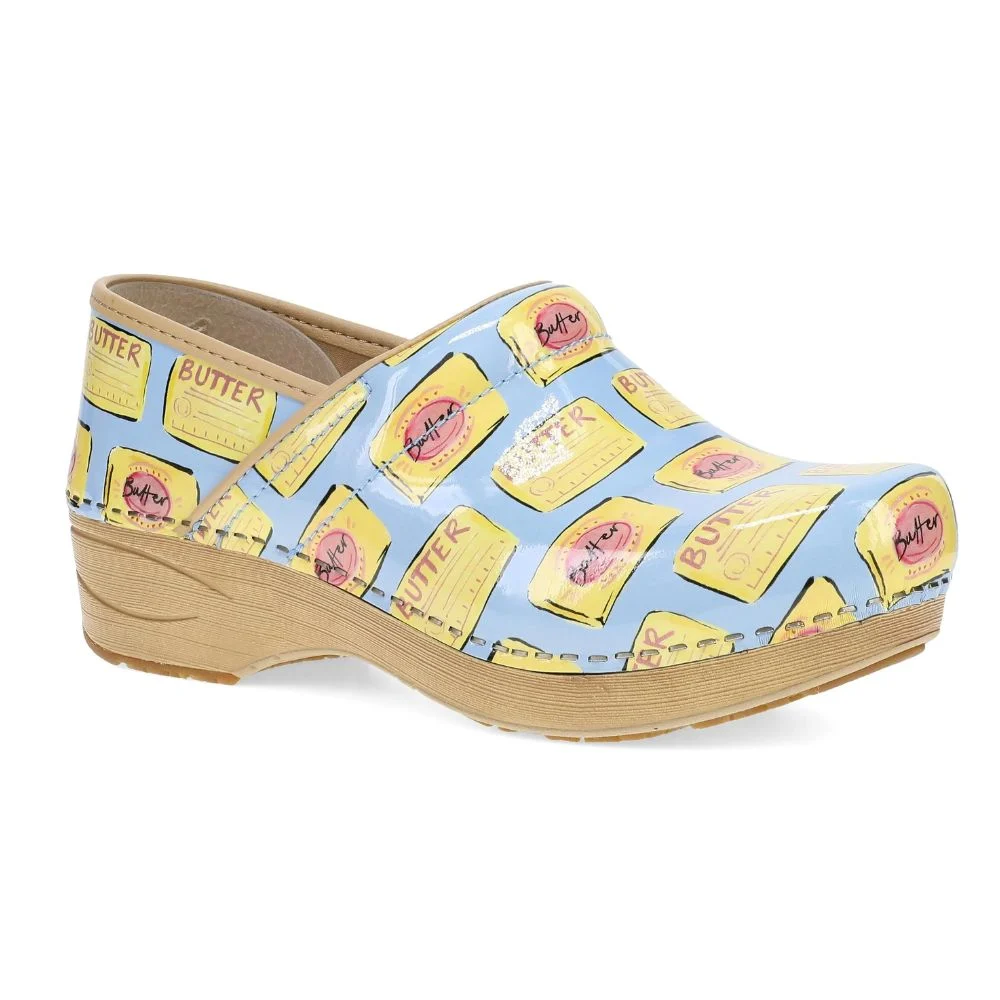
For the modern nurse, the hospital floor is more than a workplace—it is an athletic arena. Between 12-hour shifts, emergency codes, and the relentless pace of patient care, nurses are, by definition, elite endurance athletes. While the clinical demands of the profession are well-documented, the physical toll on the lower extremities is often an unspoken occupational hazard. With research indicating that nurses walk an average of five miles during a single 12-hour shift, the choice of footwear is not merely a matter of style; it is a critical component of workplace safety and long-term musculoskeletal health.
Whether you are navigating the high-stakes environment of the ICU, the fast-paced corridors of an L&D unit, or the demanding rounds of a pediatric ward, your footwear serves as your primary foundation. This guide explores the intersection of podiatric science, workplace safety, and performance engineering to help you select the best shoes for the rigors of modern nursing.
The Science of the Shift: Why Specialized Footwear Matters
The human foot is a complex structure of 26 bones, 33 joints, and over 100 muscles, tendons, and ligaments. When subjected to the repetitive impact of walking on hard, industrial surfaces like hospital vinyl or tile, the lack of proper support can lead to a cascade of issues—plantar fasciitis, shin splints, chronic lower back pain, and even nerve compression.

The Anatomy of a Proper Nursing Shoe
To qualify as "nurse-approved," a shoe must move beyond standard athletic design. Key features include:
- Shock Absorption: Hospital floors are unforgiving. High-density EVA midsoles or proprietary cushioning systems are essential to dissipate the impact forces that travel up the kinetic chain.
- Slip Resistance: Fluid spills are an inevitable part of the clinical environment. Outsoles must feature specialized tread patterns and materials that provide high-traction stability on slick surfaces.
- Fluid Protection: The "no-ventilation" rule is paramount. To protect against spills of biological or chemical substances, the upper material should be non-porous and easily wipeable.
- Supportive Geometry: A wide toe box allows for natural splay, while an anatomically contoured footbed supports the arch, preventing the foot from fatiguing over 12 hours of constant standing.
Chronology of Footwear Evolution in Healthcare
The evolution of the "nursing shoe" has mirrored the broader shifts in medical technology. In the mid-20th century, the white leather duty shoe with a stacked heel was the standard. While durable, these shoes offered minimal support and almost zero shock absorption.
As the late 1990s and early 2000s arrived, the industry saw a pivot toward the "clog revolution." Spearheaded by brands like Dansko, the clog introduced the concept of the "rocker bottom"—a curved sole that encourages a natural heel-to-toe transition, significantly reducing the pressure on the forefoot and calf muscles.

In the last decade, the influence of performance running technology has taken center stage. Brands like Hoka and On have introduced "maximalist" cushioning to the medical market, utilizing high-stack-height foams that prioritize energy return. Today’s nursing footwear market is characterized by a hybrid approach: the protection of the traditional clog paired with the ergonomic advancements of a long-distance running sneaker.
Top Performers: A Curated Selection for 2026
Our research team, in consultation with medical professionals and verified Reddit communities, has identified four standout models that define current industry standards.
1. The Best Overall: On Cloudnova Form 2
On has successfully bridged the gap between lifestyle aesthetics and high-performance engineering. The Cloudnova Form 2 features a 119-millimeter platform that offers exceptional lateral stability. The Zero-Gravity foam midsole provides a "cloud-like" landing, which is crucial for nurses who spend significant time standing in one spot during chart updates or patient monitoring. Its wipeable, woven upper balances breathability with protection, making it a versatile choice for the modern clinical environment.

2. The Best Clog: Dansko XP 2.0
A perennial favorite, the Dansko XP 2.0 is the gold standard for those who prefer a clog. The American Podiatric Medical Association (APMA) has recognized the brand for its commitment to foot health. The XP 2.0 offers a removable, memory foam-cushioned footbed and a generous toe box. Its leather exterior is highly resistant to spills, and the slip-resistant rubber outsole ensures safety in high-traffic, potentially messy wards.
3. Most Cushioning: Hoka Bondi 9
For those suffering from chronic foot pain, the Hoka Bondi 9 is often the "final answer." With an exaggerated stack height and a proprietary premium foam, it provides maximum impact protection. It is a favorite among nurses in fast-paced surgical units where fatigue management is the highest priority. It is also highly customizable, available in Wide and Extra-Wide widths to accommodate varying foot anatomies.
4. Best Slip-On: Skechers Slip-ins Work Slip-Resistant Carbix
Skechers has revolutionized the category with its "Slip-ins" technology, allowing for hands-free entry—a subtle but vital feature for a nurse rushing to an emergency. The Carbix safety toe offers protection against falling objects or heavy equipment, while the air-cooled memory foam keeps the interior climate controlled during long shifts.

Supporting Data: The Impact of Compression
It is impossible to discuss nursing footwear without mentioning the importance of compression socks. Footwear is only one half of the equation. Compression therapy works by applying gentle, graduated pressure to the lower legs, which helps stimulate blood flow and prevents venous pooling—a common cause of the "heavy leg" sensation at the end of a shift.
Pairing high-quality shoes with medical-grade compression socks (such as those from Figs) can significantly increase the longevity of your lower body endurance. Our data suggests that nurses who combine proper footwear with compression therapy report a 40% higher satisfaction rate with their physical comfort levels compared to those relying on footwear alone.
Official Industry Insights and Professional Standards
The consensus among podiatrists regarding workplace footwear is clear: Function must supersede fashion. While many hospital systems maintain dress codes regarding color (often all-white or all-black), the internal architecture of the shoe is where the real value lies.

"Nurses should look for a shoe that provides ‘neutral’ support unless they have a specific diagnosis like flat feet," says one consulting podiatrist. "The most common mistake is wearing shoes that are too soft. You need a shoe that resists twisting in the middle, ensuring the foot is supported during the transition phase of the gait cycle."
Implications for Healthcare Organizations
The burden of foot-related injuries is not just an individual issue; it is an organizational one. When nurses suffer from foot pain, the risk of burnout increases, and the likelihood of medical errors—which are often linked to physical and mental fatigue—can rise.
Some progressive healthcare facilities have begun implementing "footwear stipends" as part of their benefits packages. By recognizing that high-quality, professional-grade shoes are essential PPE (Personal Protective Equipment), these organizations are investing in the long-term well-being of their staff.

Conclusion: Investing in Your Foundation
Nursing is a career defined by the care of others, but it requires a fundamental commitment to the care of one’s self. Your feet are your most important tools; neglecting them is not a badge of honor, but a barrier to your professional longevity.
By prioritizing shoes that offer superior shock absorption, fluid resistance, and proper arch support, you are not just buying a product—you are investing in your ability to perform at your best. Whether you choose the structural support of a Dansko clog, the maximalist cushioning of a Hoka, or the convenience of a Skechers slip-on, remember to take advantage of healthcare discounts. Brands like Adidas, Asics, Brooks, and Nike offer significant professional markdowns, acknowledging that those who stand for the health of others deserve to stand in comfort themselves.
A Note on Savings: Before finalizing your purchase, ensure you have your ID.me or SheerID credentials ready. Many of the industry-leading brands listed above offer 15% to 30% discounts for healthcare workers. Take the time to verify your employment—it is a small administrative step that yields a significant return on your investment in your professional gear.
 Nana Muazin
  Nana
Nana  Ali Ikhwan