
 By Dwi Wanna
For nearly a century, the KitchenAid stand mixer has occupied a place of honor on kitchen counters worldwide. Often passed down through generations as a cherished heirloom, these machines are celebrated not only for their aesthetic appeal but for their legendary durability. Whether it is whipping delicate meringues, kneading heavy sourdough, or shredding cooked chicken, the stand mixer serves as the backbone of the modern culinary workspace.
However, even the most robust machinery is subject to the laws of physics and the wear-and-tear of frequent use. While many owners fear that a strange noise or a minor mechanical quirk signals the end of their machine’s lifespan, the reality is far more optimistic. Most common KitchenAid malfunctions are not signs of permanent failure, but rather maintenance milestones that are easily addressed.
Main Facts: Understanding Your Appliance
At its core, a KitchenAid mixer is a precision-engineered motor coupled with a complex gear assembly. Because these machines are designed to last for decades, they are modular in nature. The company intentionally utilizes specific design features—such as "sacrificial" gears—to protect the motor from catastrophic burnout.
Understanding that these machines are built to be serviced, rather than replaced, is the first step for any owner. When a mixer begins to rattle, bounce, or leak, it is usually communicating a need for calibration or lubrication. Owners should approach these issues as routine maintenance, similar to changing the oil in a car, rather than a catastrophic hardware failure.
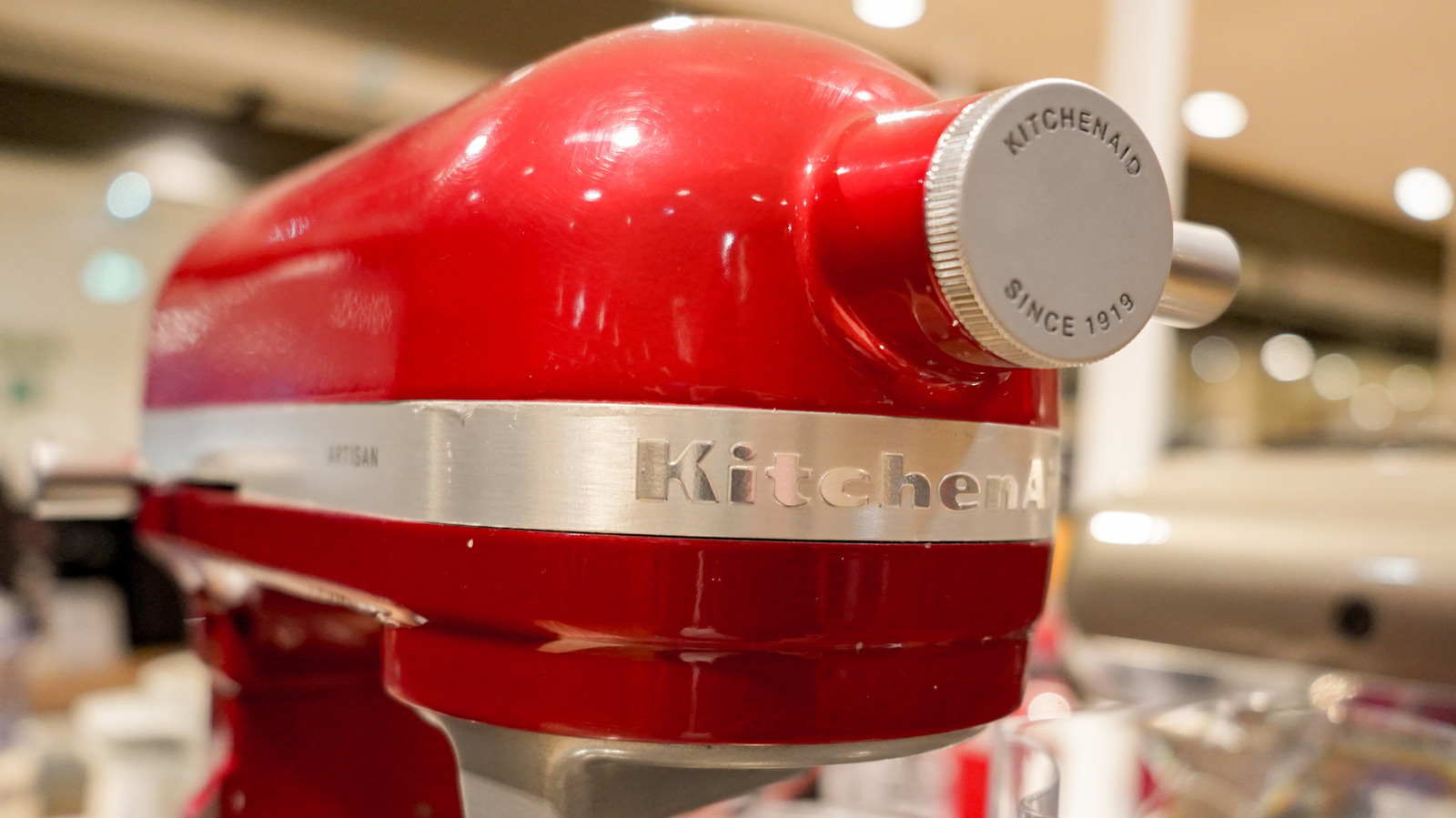
Chronology of Common Mechanical Symptoms
1. The Bouncing Head: Addressing Structural Instability
One of the most jarring experiences for a home baker is watching the head of their tilt-head mixer bounce rhythmically during a heavy-duty task, such as kneading dough. While this can be alarming, the cause is rarely internal damage.
The Cause: Often, this is caused by a loose locking pin or pivot screw. Over years of vibrations, these fasteners can naturally vibrate out of their tight settings.
The Fix: Locate the silver pivot pin at the base of the tilt-head mechanism. If it has shifted or feels loose, it requires a simple tightening. Before assuming a mechanical fault, also ensure the bowl is properly locked into the base; if the bowl is not seated securely, the entire unit will experience unnecessary torque and instability.
2. The Scrape Factor: Calibrating Bowl Clearance
Perhaps the most common complaint among novice and veteran bakers alike is the sound of metal-on-metal scraping. If the attachment is hitting the bottom of the bowl, it is not only annoying but also hazardous to the finish of both the bowl and the beater.

The Fix (The Dime Test): KitchenAid provides a simple, universal diagnostic for this: the "dime test."
- Place a dime in the bottom of the mixing bowl.
- Attach the flat beater.
- Lower the mixer head.
- The beater should just barely graze the dime, moving it slightly as the mixer turns. If the beater doesn’t touch the dime, it is too high. If it scrapes aggressively, it is too low.
Adjusting this is straightforward: on tilt-head models, locate the adjustment screw—usually found in the neck of the unit when the head is tilted back. Turning it clockwise lowers the beater; counter-clockwise raises it.
3. Power Without Motion: The "Worm Gear" Mechanism
If the motor hums but the beaters remain motionless, many users immediately assume the motor has burned out. In reality, this is often a sign that the mixer is doing exactly what it was designed to do: protect itself.
The Technical Insight: KitchenAid mixers utilize a "worm gear" made of a softer material than the surrounding metal gears. This component acts as a fuse. If the mixer is overloaded—such as by forcing it to knead a dough that is far too dry or dense—the worm gear is designed to shear or strip. By failing, it prevents the powerful motor from spinning itself into an overheated, irreparable state. Replacing this gear is a standard repair procedure that restores the machine to full functionality.

4. The Leakage Phenomenon: Food-Safe Lubrication
Seeing a dark substance near the attachment hub is enough to cause panic in any baker. While oil leaks are unsightly, they are almost never a sign that the machine is "broken" in the traditional sense.
The Context: These machines are packed with specialized, food-safe grease at the factory. Over many years, or in environments with high ambient heat or humidity, the grease can liquefy and migrate downward.
The Implications: While the grease is technically food-safe, it is not an ingredient. If you spot a leak, it is a signal that the internal lubricant is aging or that the internal seals may need professional inspection. A thorough cleaning and a "re-greasing" service by an authorized center can resolve this permanently.
5. The Death Rattle: Warning Signs of Dry Gears
A loud, grinding, or rattling noise is the machine’s way of asking for a service.
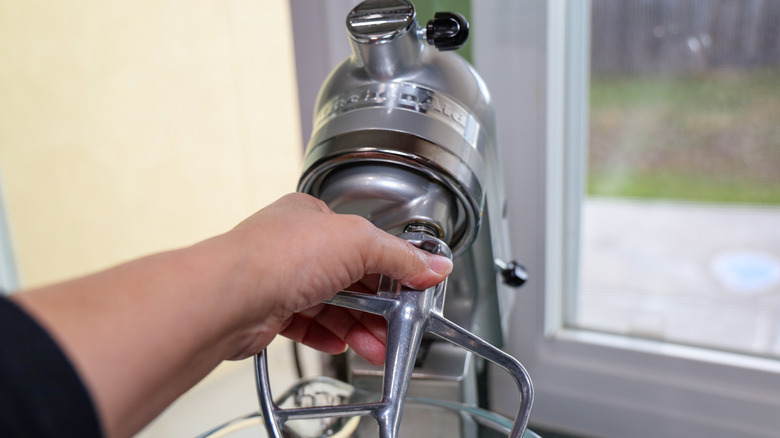
The Diagnosis: This typically indicates that the internal gear housing has run dry of its original lubricant. A lack of grease causes metal-on-metal friction, which produces the signature "rattle." If left unaddressed, this will lead to permanent gear damage. While DIY enthusiasts may attempt to open the casing to apply new food-safe grease, doing so will void any active warranty. Therefore, for machines still under warranty, professional service is the only recommended path.
Supporting Data and Maintenance Habits
Data from appliance repair forums and long-term user logs suggest that machines used 2–3 times a week typically require a professional deep-clean and re-lubrication every 5 to 7 years. Frequency of use is the primary variable; a machine that sits idle for years is more prone to "frozen" or dried-out internal grease than one that is used regularly, as regular use helps circulate the lubricant.
Furthermore, the "Dime Test" remains the gold standard for preventative care. By checking the bowl clearance every few months, users can prevent the structural fatigue that comes from beaters constantly striking the stainless steel, which eventually causes the bowl to warp and the beater coatings to chip.
Official Recommendations and Service Protocols
KitchenAid maintains a robust network of authorized service centers. Their official stance remains that while minor adjustments (like the bowl-height screw) are intended for the end-user, internal repairs should be handled by trained technicians.
When to seek professional help:
- Persistent Noise: If a rattle persists after ensuring the bowl is secure, the internal gears likely need professional inspection.
- Electrical Issues: Any smell of burning ozone or sparks should lead to immediate cessation of use and a visit to a repair center.
- Warranty Integrity: If the unit is under warranty, never attempt to open the housing. Unauthorized disassembly is the most common reason for a denied warranty claim.
Implications for the Future of Your Kitchen
The philosophy behind the KitchenAid stand mixer is one of "repair over replace." In an era of disposable electronics, the ability to replace a $15 gear or perform a $50 lubrication service on a machine that costs several hundred dollars is a significant economic and environmental benefit.
By understanding these five common issues, owners can transition from viewing their mixer as a delicate, temperamental appliance to seeing it as a long-term investment. Proper maintenance doesn’t just fix problems; it extends the life of the machine, ensuring that the mixer passed down to the next generation remains as capable and reliable as the day it was first unboxed.
In summary, do not fear the rattle or the bounce. Instead, view them as the maintenance prompts they are. With a screwdriver, a dime, and a bit of patience, your KitchenAid mixer will continue to be the workhorse of your kitchen for years—or even decades—to come.
 Raul Delapena Setiawan
  Basiran
  Nana
Nana 