
 By Suro Senen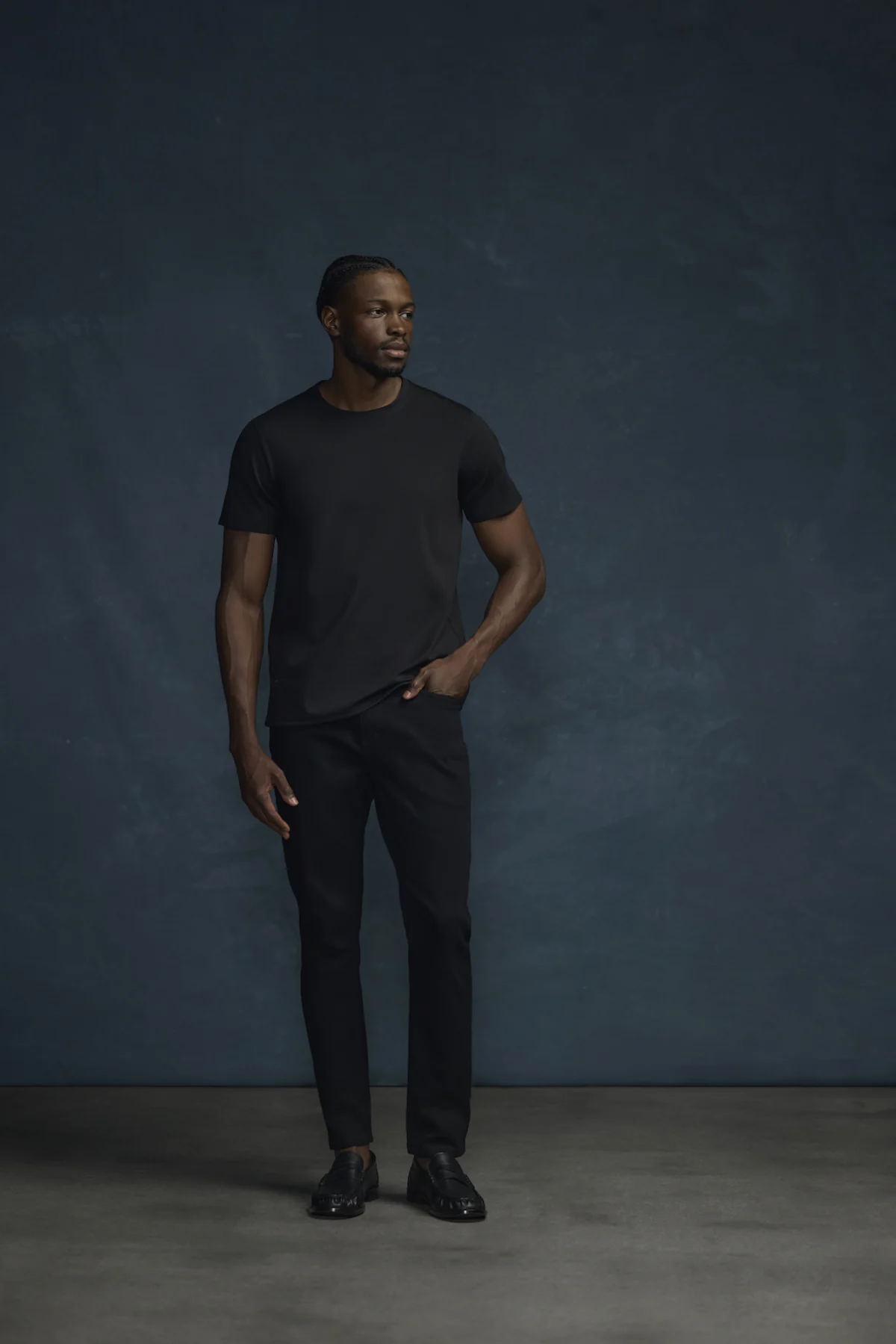
For decades, the denim industry has operated under a tacit agreement: to achieve the perfect, lived-in aesthetic, one must first endure the "break-in" period. This traditional rite of passage involves weeks—sometimes months—of stiff, restrictive fabric and uncomfortable seams. However, Irvine, California-based direct-to-consumer (DTC) powerhouse BYLT is moving to dismantle this convention.
With the launch of its "Everyday Denim Collection," the performance-driven apparel brand is applying its signature technical expertise to the most iconic staple in the American wardrobe. By blending the rugged, premium aesthetic of heritage denim with the mobility and comfort of activewear, BYLT is signaling a shift in how modern consumers view their daily attire.
The Core Concept: Engineering the Perfect Fit
At the heart of the Everyday Denim Collection is a fundamental challenge to the status quo. BYLT has spent years building a reputation on technical apparel characterized by four-way stretch, moisture-wicking properties, and wrinkle resistance. Transitioning these features into a 14-ounce denim fabric was, according to the brand, a logical progression of its "modern essentials" philosophy.
The collection, which includes both men’s jeans and versatile overshirts, is priced at $118 per piece. While the price point reflects a premium positioning, the value proposition lies in the immediate wearability of the garments. By utilizing a proprietary blend of 76.5 percent cotton, 22 percent polyester, and 1.5 percent spandex, BYLT has managed to engineer a textile that offers the substantial, structured "hand-feel" of traditional denim without the rigidity that has historically plagued the category.
Chronology: From Performance Roots to Denim Expansion
The launch of the Everyday Denim Collection did not happen in a vacuum. It represents the culmination of a multi-year strategy to expand BYLT’s footprint beyond traditional athletic wear and into the lifestyle-casual sector.
- Phase 1: Establishing the Foundation: Initially, BYLT gained market share by focusing on high-performance tops and bottoms, prioritizing fabric science to solve common pain points like shrinking, fading, and lack of stretch.
- Phase 2: The "Everyday" Pivot: The success of the brand’s "Everyday" bottoms franchise provided the blueprint for the current denim expansion. Using similar fit-modeling techniques and consumer-led feedback loops, the company began prototyping denim that could bridge the gap between office-appropriate attire and weekend-ready comfort.
- Phase 3: The Denim Launch: Following extensive wear-testing and refinement, the brand officially unveiled the Everyday Denim Collection. This launch serves as a cornerstone for the company’s Q3 and Q4 growth strategy, positioning it as a lifestyle brand rather than a niche performance label.
Technical Specifications and Design Philosophy
To understand the viability of BYLT’s move into denim, one must examine the engineering behind the fabric. The 14-ounce weight provides the structural integrity that fashion-conscious consumers demand—it drapes like "real" denim, not a lightweight imitation. However, the integration of 1.5 percent spandex and 22 percent polyester allows for a level of kinetic movement that is typically absent in 100-percent cotton denim.

Hidden Features for the Modern Professional
Beyond the fabric composition, the design team at BYLT has integrated functional details designed for the modern user. Both the jeans and the overshirts feature discreet storage solutions:
- Hidden Zippered Pockets: Integrated into the jeans to secure small essentials, maintaining a clean, minimalist silhouette while enhancing utility.
- Interior Chest Pockets: Added to the overshirts, providing secure storage for smartphones or wallets, moving away from bulky external pockets that can ruin the line of a garment.
These additions align with the brand’s overall mission: to provide technical solutions to aesthetic problems. By prioritizing a clean, refined look, BYLT ensures that these garments can transition seamlessly from a professional work environment to a casual weekend setting.
Official Perspectives: Davide Mattucci on Market Gaps
Davide Mattucci, Chief Marketing Officer at BYLT, views the entry into the denim market as an answer to a glaring void in the apparel landscape. In a recent interview, he emphasized that the modern consumer has been forced into a binary choice: either sacrifice comfort for the aesthetic structure of denim or settle for "soft" pants that lack the weight and character of a true jean.
"We felt like consumers have had to choose between the structure of classic denim and the comfort they’ve come to expect from modern technically infused apparel," Mattucci noted. "BYLT has always focused on creating modern essentials that don’t compromise on comfort but still deliver timeless style. We saw this as a gap in the market."
Mattucci’s strategy is rooted in transparency and consumer feedback. The brand did not simply design these jeans in a vacuum; they utilized the same data-driven fit strategy that made their earlier bottoms successful. By iterating based on real-world wear tests, the company claims to have perfected a fit that feels "right" from the very first wear.
Implications for the DTC Market
The entry of a performance-oriented brand like BYLT into the heritage denim space carries significant implications for the broader fashion industry.

1. The Death of the "Break-In" Period
For decades, brands sold the "break-in" period as part of the appeal of high-end denim—a sign of quality and authenticity. BYLT is explicitly positioning this as a negative. By marketing "day-one comfort," they are appealing to a new generation of consumers who prioritize efficiency and instant gratification, potentially forcing legacy denim brands to re-evaluate their fabric compositions to remain competitive.
2. The Blurring of Categories
The Everyday Denim Collection is a prime example of the ongoing convergence between "active" and "lifestyle" apparel. As work-from-home culture and hybrid work schedules become the norm, the demand for clothing that can function across multiple settings has spiked. BYLT is betting that the "everyday essential" category will continue to cannibalize sales from specialized workwear or traditional streetwear.
3. Long-Term Category Growth
BYLT has indicated that this is not a one-off capsule collection. Mattucci confirmed that the brand views denim as a long-term growth engine. By treating denim as a "modern essential," they intend to build out the category with the same incremental growth approach they applied to their core t-shirt and trouser lines. This implies that we may see further iterations, such as seasonal weights, different washes, and expanded fits in the coming quarters.
Supporting Data and Market Positioning
While the $118 price point sits comfortably in the mid-range of the premium denim market, it is competitive when compared to traditional heritage brands that lack the performance features of the BYLT line.
- Material Blend: 76.5% Cotton / 22% Polyester / 1.5% Spandex.
- Weight: 14 oz (Premium structural feel).
- Key Features: 4-way stretch, wrinkle resistance, moisture-wicking (standard across the BYLT line).
- Target Demographic: The "Modern Essentialist"—consumers aged 25–45 who value technical performance in their daily wardrobe.
Conclusion: A New Standard for Everyday Wear
As the apparel industry continues to navigate the post-pandemic shift toward versatile, high-functioning clothing, BYLT’s expansion into denim serves as a case study in brand agility. By identifying a specific friction point—the discomfort of traditional denim—and applying their unique, tech-first manufacturing philosophy, they have successfully carved out a niche that appeals to both the style-conscious and the utility-driven consumer.
Whether this move will trigger a wider trend of "performance-denim" among other DTC competitors remains to be seen. However, given the positive consumer feedback and the brand’s commitment to growing the category through iterative design, it is clear that BYLT has no intention of being a "one-hit wonder" in the denim space. They are betting that the future of the classic jean lies not in the history of the loom, but in the science of the fiber. As Mattucci aptly put it, "If BYLT shoppers are looking for it, we’ll always listen and react quickly to making sure we provide their wardrobe staples." With the Everyday Denim Collection, they are doing exactly that.
 Layla Zulfa
  Asro
Asro  Asep Darmawan