
 By Ali Ikhwan
Introduction

In the volatile world of digital marketing, the technical specifications for advertising assets serve as the foundational infrastructure upon which multi-billion-dollar campaigns are built. As Meta Platforms Inc. continues to integrate artificial intelligence and cross-platform synergy through its "Advantage+" suite, the precision required for ad creative has reached an all-time high. This report provides an exhaustive analysis of the current and projected Facebook ad specifications for 2025 and 2026, examining the technical requirements, the shift in consumption patterns, and the strategic implications for global brands.
I. Main Facts: The Technical Blueprint of Modern Meta Advertising
The current architecture of Facebook’s advertising ecosystem is categorized by placement-specific requirements designed to maximize user engagement and visual fidelity. According to the latest industry standards, there is no longer a "one-size-fits-all" approach; rather, a successful campaign requires a multi-asset strategy.

1. The Core Feed Standards
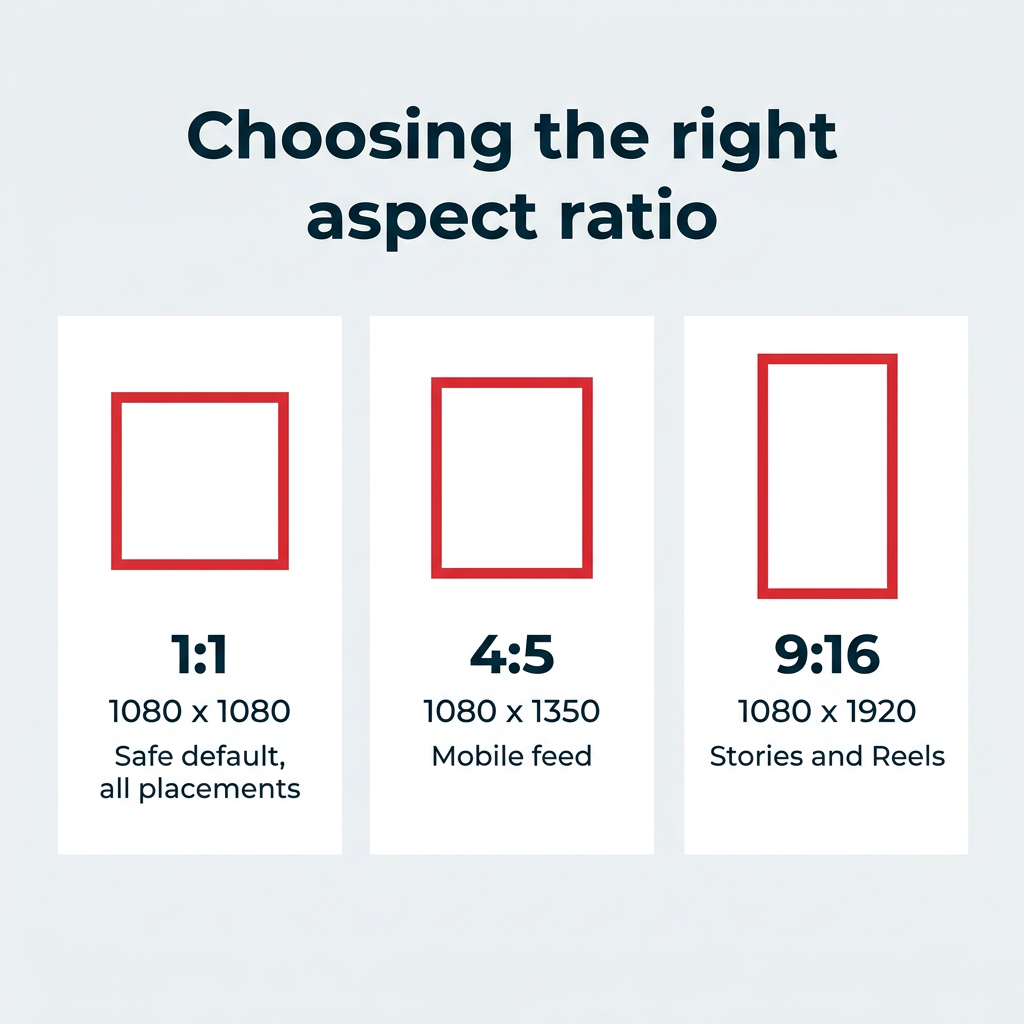
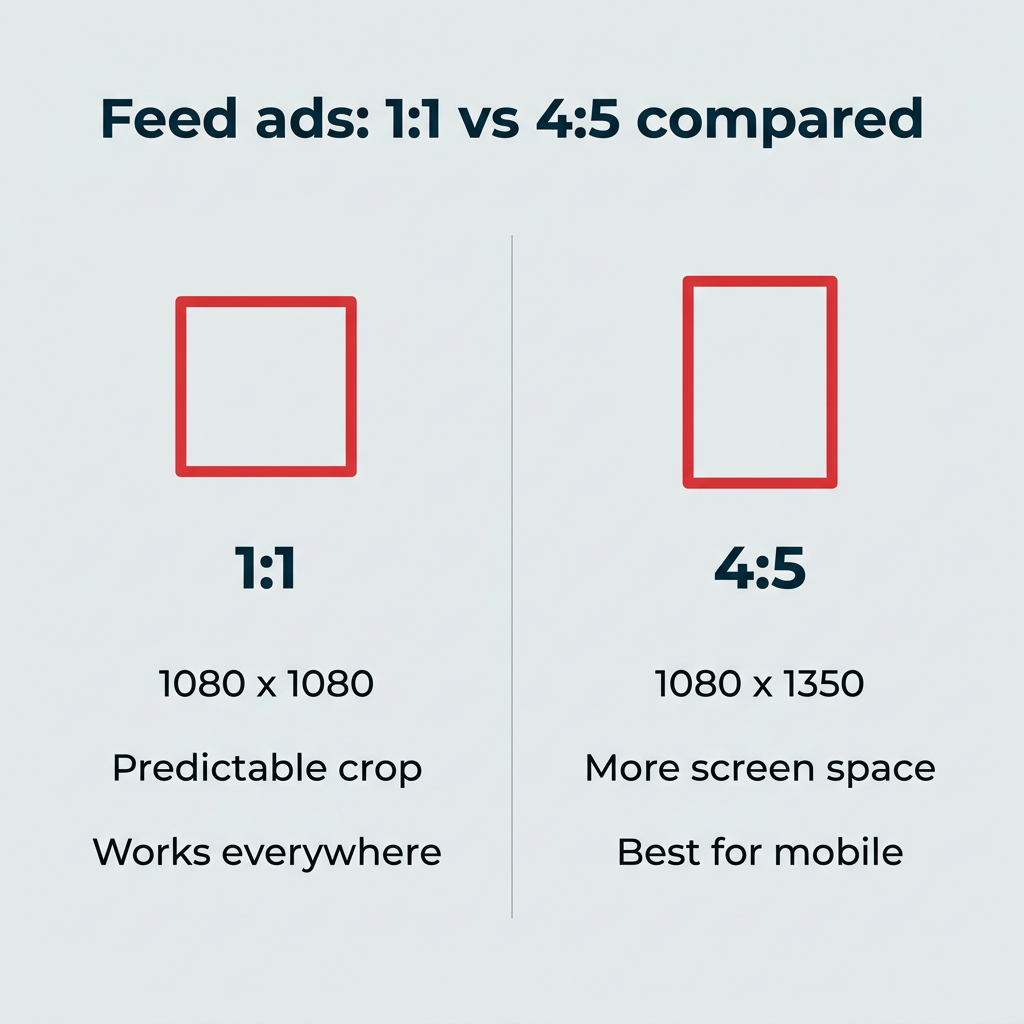
The Facebook News Feed remains the primary engine of conversion. For static images, the industry standard has solidified around a 1:1 aspect ratio (1440 x 1440 px) for universal compatibility, though a 4:5 ratio (1440 x 1800 px) is increasingly recommended for mobile-heavy campaigns.
Video assets in the feed follow similar proportions but allow for significantly larger file sizes—up to 4GB—to accommodate high-definition storytelling. Supported formats remain consistent with industry leaders: MP4, MOV, and GIF for video; PNG and JPG for static imagery.
2. The Vertical Revolution: Stories and Reels
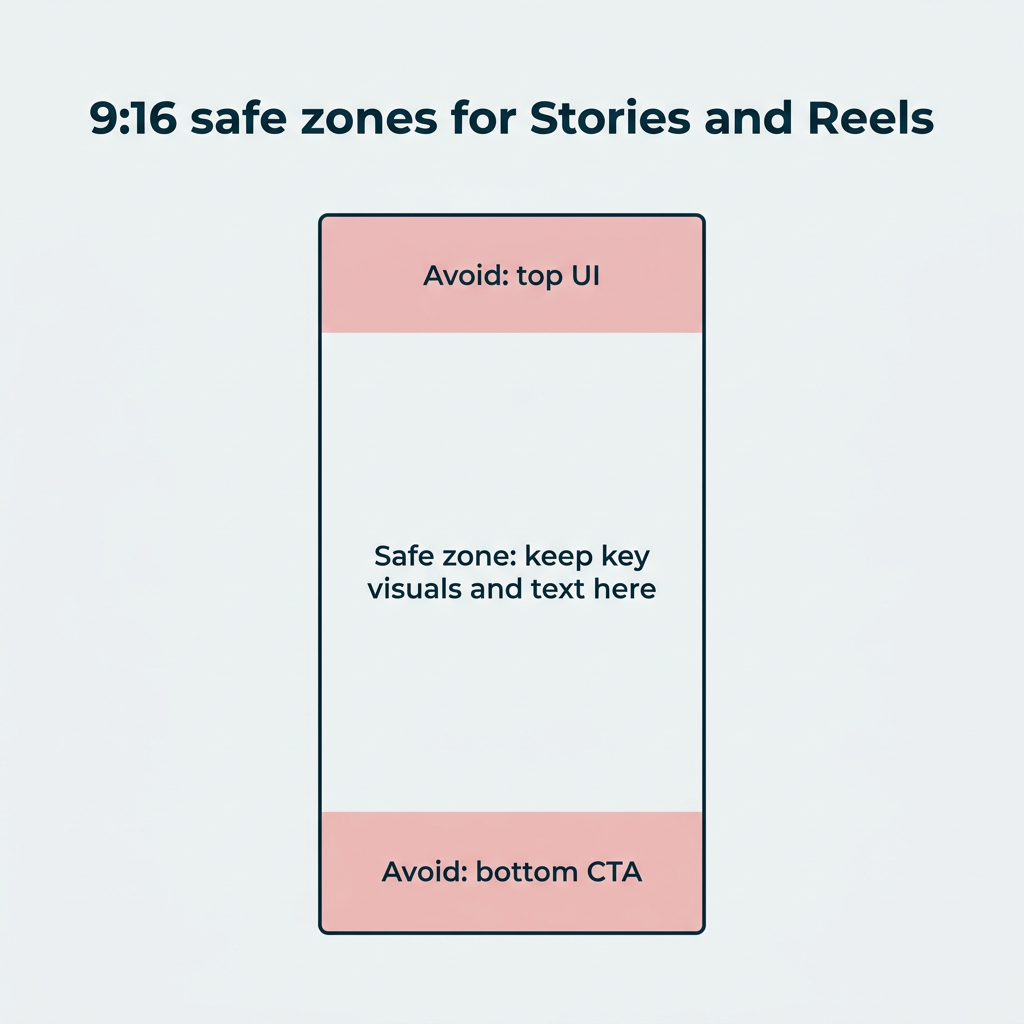
The most significant growth area in Meta’s portfolio is vertical, full-screen content. Stories and Reels require a 9:16 aspect ratio (1440 x 2560 px). These placements are governed by "Safe Zones"—specific areas in the top and bottom 250 pixels where UI elements (like CTA buttons and profile icons) reside. Advertisers are now mandated to keep critical text and logos within the central 1080 x 1420 area to avoid obscuring the brand message.
3. High-Utility Formats: Carousel and Collection
For e-commerce entities, the Carousel and Collection formats offer interactive experiences. Carousels support 2 to 10 cards, each requiring a 1:1 ratio (1080 x 1080 px). The Collection format, which functions as a "mini-storefront" within the app, utilizes a primary video or image followed by three smaller product shots, primarily driven by Meta’s Advantage+ catalog integration.
II. Chronology: From Desktop Sidebars to Immersive Ecosystems
To understand the current complexity of Facebook ad sizes, one must examine the chronological evolution of the platform’s interface.
- 2004–2010: The Sidebar Era. Early Facebook advertising was restricted to the "Right Column." These were small, text-heavy ads with low-resolution thumbnails. The requirements were rigid and desktop-centric.
- 2012: The Introduction of Feed Ads. Facebook transitioned ads into the News Feed, a move that initially met with user resistance but ultimately redefined digital marketing. This introduced the need for higher-resolution 1.91:1 "landscape" images.
- 2016: The Mobile Pivot. As mobile traffic overtook desktop, Facebook began prioritizing the 1:1 square format. This era also saw the birth of "Canvas" (now Instant Experience), providing full-screen mobile immersion.
- 2019–2022: The Rise of Verticality. Following the success of Instagram Stories, Facebook integrated Stories and eventually Reels. The standard shifted from 16:9 (widescreen) to 9:16 (vertical).
- 2024–2026: The AI and Automation Phase. We are currently in an era where Meta’s AI (Advantage+) automatically crops and adjusts assets. The current standards for 2026 reflect a "flexible-first" approach, where high-resolution source files are more important than specific dimensions, as the AI handles the optimization across various placements.
III. Supporting Data: The Metrics Driving Specification Changes
The shift in technical requirements is not arbitrary; it is driven by rigorous data regarding user behavior and hardware evolution.

- Mobile Dominance: Recent data indicates that 81.8% of Facebook users access the platform exclusively via mobile devices. This statistic is the primary driver behind the recommendation of 4:5 and 9:16 aspect ratios. A 4:5 image occupies approximately 33% more screen real estate than a traditional 1:1 square on a smartphone, effectively pushing competitors’ content off the screen.
- Engagement Ratios: Internal Meta studies suggest that video ads with a vertical aspect ratio (9:16) see a marginal increase in completion rates of 15-20% compared to horizontal videos when viewed on mobile.
- File Size Capacity: The allowance of 4GB for video files reflects the global rollout of 5G technology. As bandwidth increases, Meta has raised the ceiling for file sizes to allow for 4K video content, reducing the "compression artifacts" that previously plagued digital ads.
- The 20% Text Rule Declassification: Historically, Facebook penalized ads where text covered more than 20% of the image. While this is no longer an "enforced" hard limit, Meta’s internal data continues to show that images with minimal text overlay achieve 20% lower Costs Per Mille (CPM) and higher delivery rates.
IV. Official Responses: Meta’s Strategy for Creative Agility
Meta’s official stance on ad specifications has shifted from "strict enforcement" to "automated optimization." In communications to marketing partners, Meta executives have emphasized the following pillars:
1. On Automation (Advantage+):
Meta encourages advertisers to upload the highest resolution possible. Their official documentation suggests that the "Advantage+ creative" tool can automatically generate different aspect ratios from a single high-quality 1:1 or 4:5 asset. However, they caution that manual uploads for 9:16 (Reels) remain the "gold standard" for brands seeking maximum aesthetic control.
2. On User Experience:
The company has frequently stated that the "Safe Zone" guidelines for Stories and Reels are vital for maintaining the integrity of the user interface. Official responses from Meta’s design team highlight that ads which overlap with UI elements (like the "Sponsored" tag or the "Like" button) are often perceived as lower quality by users, leading to higher "hide ad" rates.
3. On the Future of 2026 Specs:
Looking toward 2026, Meta officials have hinted at further integration of Augmented Reality (AR) placements. This will likely introduce new "spatial" specifications, requiring 3D assets or 360-degree video files, moving beyond the two-dimensional aspect ratios currently in use.

V. Implications: The High Stakes of Creative Precision
The implications of these evolving standards are profound for both boutique agencies and multinational corporations.
1. The Cost of Technical Negligence
In an era of programmatic bidding, an ad that is incorrectly cropped or contains blurry assets is penalized by the algorithm. Lower engagement leads to a lower "Relevance Score," which in turn increases the cost of the auction. Advertisers who fail to adhere to the 1080 x 1080 minimum resolution or the 9:16 safe zones essentially pay a "tax" in the form of wasted ad spend and diminished ROI.

2. The Democratization of Production
The shift toward 1:1 and 4:5 mobile-centric content has lowered the barrier to entry. High-end cinematic production is often less effective than "Lo-Fi" content shot on a smartphone that fits the native look of the platform. This allows smaller businesses to compete with larger brands, provided they master the technical specs.
3. Creative Fatigue and Asset Variation
The sheer number of placements—from Marketplace to Business Explore to In-Stream video—requires a massive volume of creative variations. This has led to the rise of "Creative Operations" (CreativeOps) as a vital department within marketing teams, tasked solely with resizing and optimizing assets to meet the 14+ distinct placement requirements.

4. The AI Transition
As we move toward 2026, the primary implication is the transition from "human-designed" to "AI-assisted" layouts. Advertisers will increasingly provide "raw ingredients" (high-res images, video clips, and copy), and Meta’s engine will assemble the final ad in real-time based on the viewer’s device and historical preferences.
Conclusion
The specifications for Facebook advertising in 2025 and 2026 represent a sophisticated intersection of data science and visual art. While the square 1:1 format remains the safest "all-purpose" choice, the industry is clearly moving toward a vertical, mobile-first paradigm. For the modern advertiser, success is no longer just about the message, but about the technical precision with which that message is delivered across Meta’s sprawling digital architecture. Staying ahead of these specs is not merely a matter of design—it is a strategic necessity for survival in the digital attention economy.
 Basiran
  Nana Muazin
  Nila Kartika Wati