
 By Nila Kartika Wati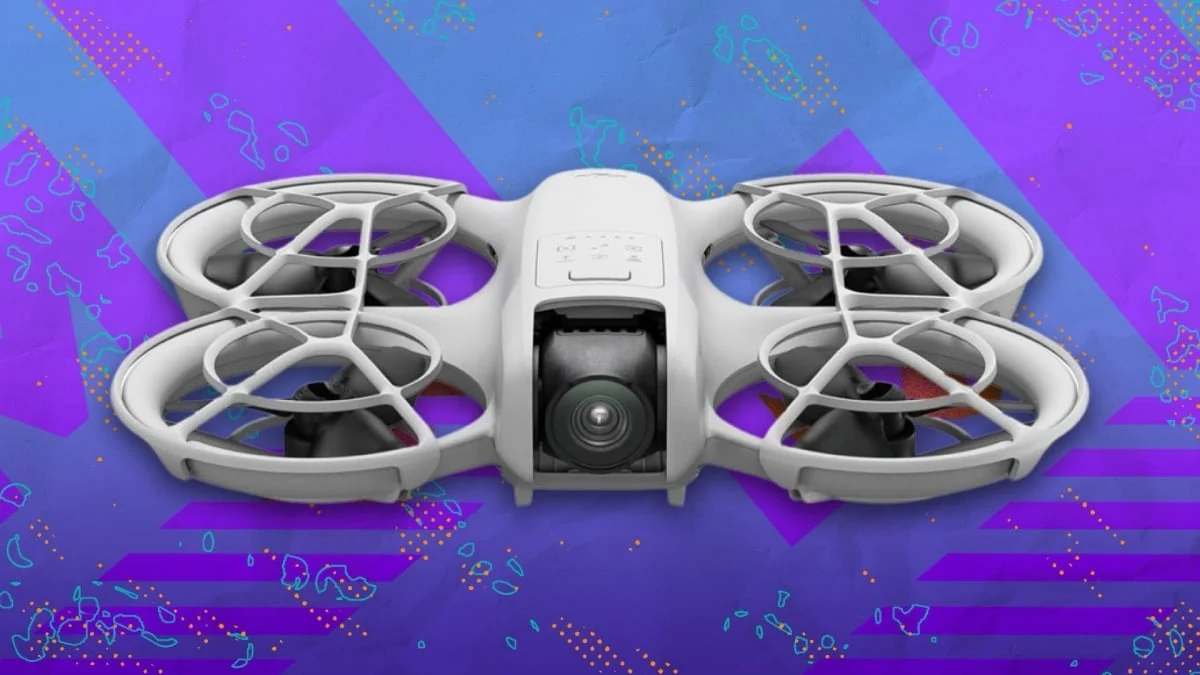
In the fast-moving world of consumer technology, few gadgets have captured the imagination of creators and hobbyists quite like the ultra-portable drone. Today, Amazon has slashed the price of the DJI Neo 4K Mini Camera Drone to a record-low of $139.99—a significant 30% discount off its $199.99 list price. While a $60 savings is a compelling proposition for any tech enthusiast, this particular deal carries an urgency that transcends the typical retail cycle. As regulatory pressures mount against DJI, this may be one of the final opportunities to acquire one of the world’s most popular personal drones at an accessible price point before market availability shifts dramatically.
Main Facts: The DJI Neo Deal
As of October 10, the DJI Neo is available on Amazon for $139.99. According to independent price-tracking data from camelcamelcamel, this represents the lowest price ever offered for the device.
The DJI Neo is engineered for simplicity and portability. Weighing significantly less than its professional-grade siblings, it is designed to take off and land directly from the palm of a user’s hand. Despite its diminutive size, it boasts robust 4K video capabilities, intelligent subject tracking, and a suite of "QuickShots" modes—including circular, helical, and boomerang flight patterns. For those looking for hands-free operation, the drone supports voice control via the companion app, making it an ideal entry point for beginners and a convenient "run-and-gun" tool for established content creators.
A Changing Landscape: The Regulatory Chronology
To understand why this sale is more than just a seasonal promotion, one must look at the recent legislative history concerning drone technology in the United States.
The relationship between the U.S. government and Chinese drone manufacturers, particularly DJI, has been deteriorating for years. The turning point began in 2019 when the U.S. Department of Commerce added DJI to the "Entity List," citing concerns over human rights abuses and the potential for the company’s technology to be used for surveillance purposes.
However, the situation escalated significantly in late 2024. Following bipartisan momentum in Congress, new legislative efforts have emerged aimed at curbing the prevalence of Chinese-made drones in the U.S. market. Most notably, recent congressional action has sought to effectively ban the future import of DJI drones. While these measures are framed as national security imperatives, the result for the average consumer is a looming supply-chain disruption. As imports are restricted, the inventory currently sitting in U.S. warehouses will be the last of its kind, making the current market status of these drones precarious.
Supporting Data: Why Supply Matters
The economic principle of scarcity is poised to hit the drone market with unusual force. DJI currently commands a massive share of the consumer drone market—estimates often place their market dominance at over 70%. When a company with such high market penetration faces an import ban, the immediate effect is a "flight to quality" among existing stock.
Historical data from similar tech bans suggests a three-phase reaction:
- The Clearance Phase: Retailers, attempting to clear shelf space for alternative, compliant brands, offer deep discounts (as seen today with the $60 off deal).
- The Scarcity Phase: As supply chains are severed, retail inventory depletes. Once the current stock is exhausted, no new units arrive to replace them.
- The Aftermarket Spike: Prices on secondary markets (such as eBay or specialized forums) tend to rise sharply as the product becomes a "legacy" item that cannot be replaced through traditional retail channels.
For the DJI Neo, which serves as an entry-level gateway to the ecosystem, the current $139.99 price point represents a brief window where the benefits of the technology outweigh the mounting geopolitical costs.
Official Responses and Industry Sentiment
The industry response to the potential ban has been polarized. On one side, national security hawks and domestic drone manufacturers argue that reliance on foreign technology creates a "digital backdoor" into critical infrastructure. They contend that the data collected by drones—ranging from GPS logs to high-resolution imagery—could be accessed by foreign intelligence services.
DJI, for its part, has consistently denied these allegations. In several official statements, the company has emphasized that it does not manufacture drones for military use and that its products are designed solely for recreational and commercial purposes. DJI has argued that the legislation is based on unfounded claims and that it unfairly targets a company that has spent years refining the safety and reliability of its consumer-facing software and hardware.
Industry analysts are largely in agreement that while the security concerns are a matter of intense debate, the commercial outcome is clear: the consumer drone market in the U.S. is headed for a massive shake-up. Companies like Skydio and other domestic manufacturers are positioning themselves to fill the void, but they have yet to produce a product that matches the price-to-performance ratio of the DJI Neo.
The Implications for Consumers
What does this mean for you, the potential buyer? If you have been waiting for the "right time" to enter the world of aerial photography, the window is closing.
1. Future Software and Support
Beyond the immediate hardware availability, there are questions regarding the long-term support for these devices. If import bans remain in place, will firmware updates continue to be pushed to U.S.-based users? While DJI has pledged to continue supporting its global user base, the regulatory environment is fluid. Owning a DJI drone in a post-ban environment may eventually mean relying on third-party workarounds or dealing with restricted app functionality.
2. The Value of the DJI Ecosystem
The DJI Neo is not just a toy; it is an entry point into a sophisticated ecosystem of image stabilization, intelligent flight modes, and user-friendly software. Even if the hardware becomes harder to import, the software experience remains the industry benchmark. For $139.99, the barrier to entry is low enough that even if the drone is only used for a year or two, the cost-per-flight ratio remains highly attractive compared to the more expensive, higher-end models that will likely see even steeper price hikes on the secondary market.
3. The Ethical and Practical Choice
Consumers must weigh their own priorities. For some, the privacy concerns regarding data transmission are a deal-breaker, regardless of the price. For others, the superior quality of DJI’s camera tech and the ease of use of their flight algorithms outweigh the political implications. The current discount at Amazon provides a clear choice: take advantage of a technology that is at the peak of its refinement before it becomes a relic of the pre-ban era.
Conclusion: Act Before the Horizon
The DJI Neo 4K Mini Camera Drone is a testament to how far miniaturized technology has come. With its ability to perform advanced aerial maneuvers and record high-quality 4K footage from a palm-sized frame, it represents an impressive feat of engineering.
However, technology never exists in a vacuum. The legislation currently moving through the U.S. government serves as a reminder that the gadgets we enjoy are subject to the tides of global trade and international policy. The $60 discount currently offered on Amazon is not merely a promotional event; it is a signal that the market is beginning to adjust to a new, more restricted reality.
If you are a content creator looking to add an aerial perspective to your work, or a hobbyist who values the ease and precision of the DJI ecosystem, the time to act is now. When the current stock is gone, it may be gone for good. Secure your DJI Neo at this record-low price while the opportunity remains grounded.
 Evan Lee Salim
  Asep Darmawan
  Asro
Asro 