
 By Reynand Wu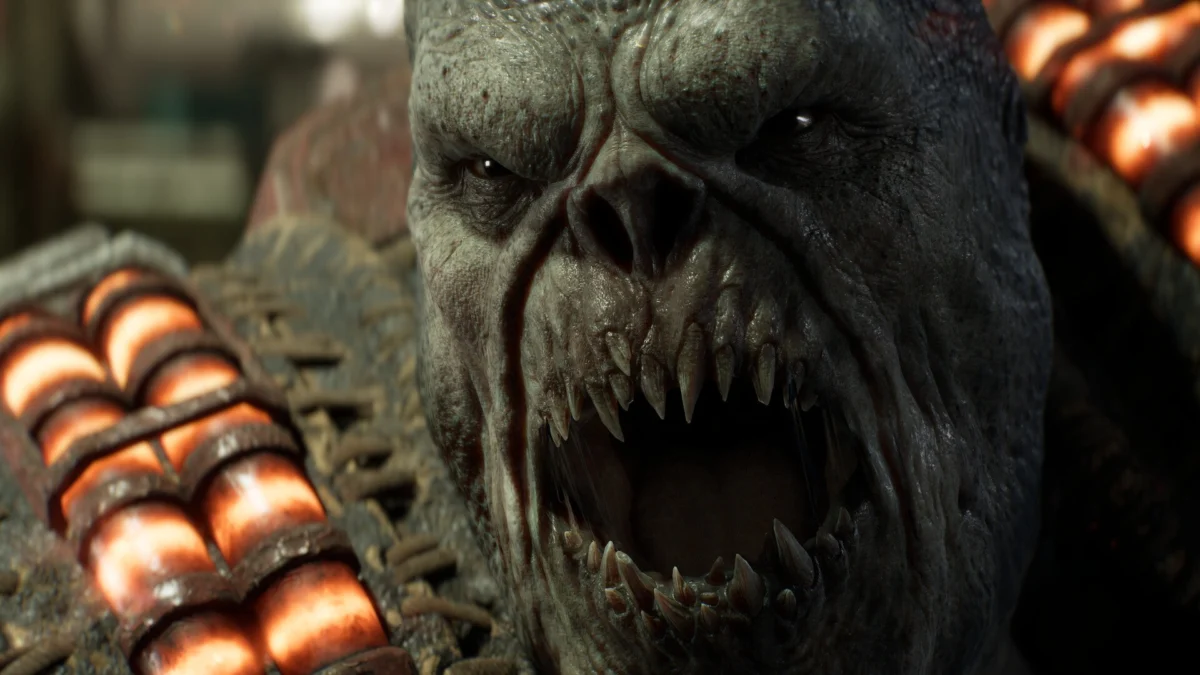
As we settle into the rhythm of mid-October, the gaming landscape remains as volatile and captivating as ever. From the high-octane, visceral combat of the Gears of War franchise to the lingering, atmospheric dread of modern action-RPGs, our editors have been deep in the trenches. This week, we explore the titles that have commanded our attention, sparked our competitive instincts, and reminded us why, even in an era of endless digital noise, a truly great gaming session remains the ultimate pastime.
The Resurgence of the Locust: Gears of War: E-Day
The Gears of War franchise has long been a pillar of the Xbox ecosystem, defined by its weight, its grit, and its distinctive "cover-shooter" mechanics. However, with the upcoming Gears of War: E-Day, The Coalition appears to be recalibrating the experience for a new generation while honoring the series’ roots.
Main Facts and Gameplay Impressions
For many, the draw of Gears has always been its signature "Horde" mode—a test of endurance against waves of increasingly difficult Locust forces. Recent hands-on sessions with the "Horde Siege" mode have revealed a significant evolution. Where previous iterations of Horde were often criticized for becoming predictable or overly formulaic, E-Day introduces a more dynamic, open-ended map design.
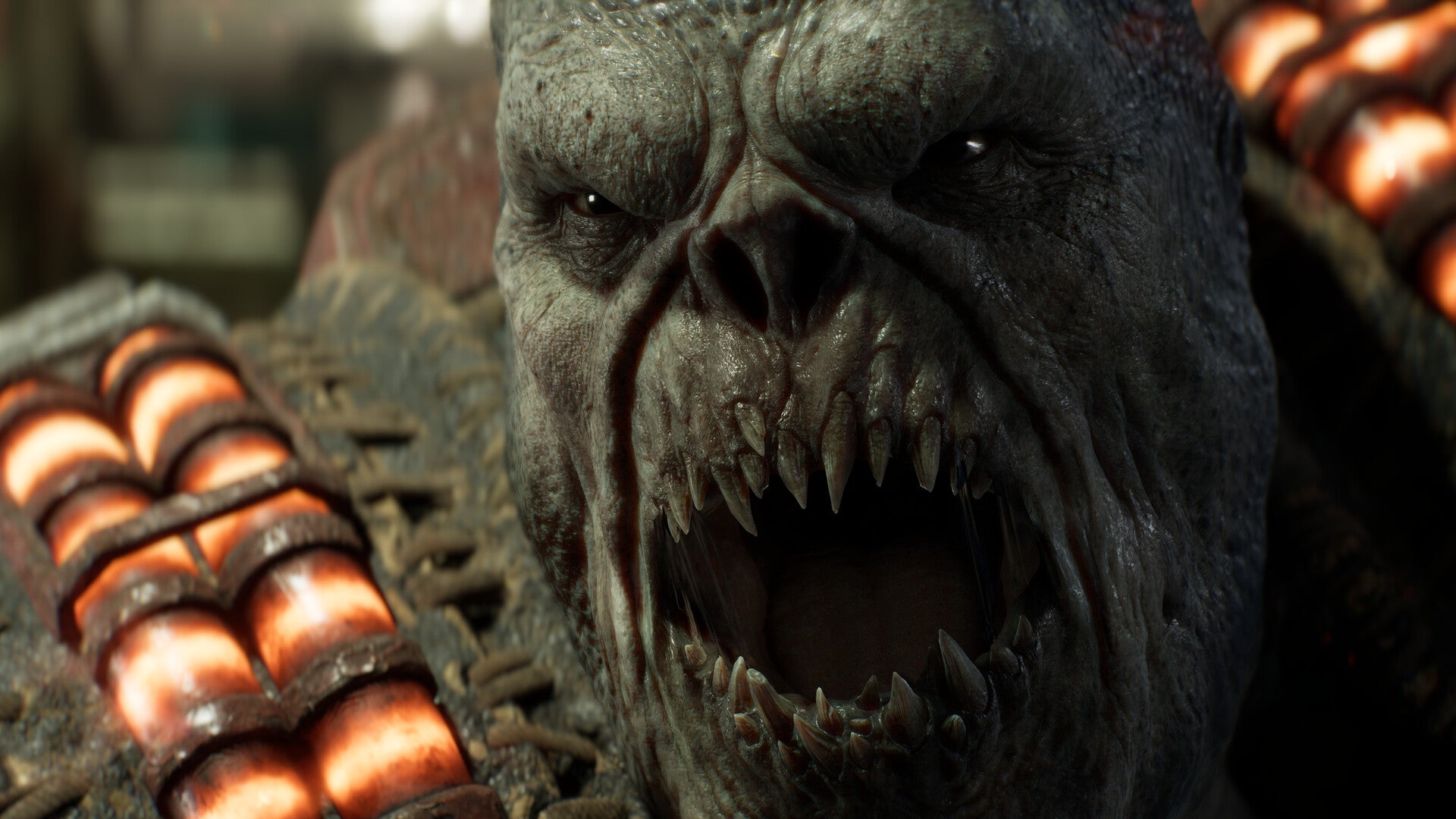
The integration of "cross-squad interplay" allows for deeper tactical cooperation, moving beyond simple defensive setups to more emergent, chaotic skirmishes. As our editor Dom noted, "It’s pure video game popcorn movie stuff." The sheer visceral thrill of the encounter—the roar of a creature with spiny, serrated teeth, the crunch of boots on debris—feels more immediate than ever, suggesting that E-Day is shaping up to be a defining title for the Xbox Series X.
Implications for the Franchise
The shift toward more emergent gameplay suggests that The Coalition is looking to bridge the gap between classic arcade-style wave survival and modern, sandbox-oriented mission design. By reducing the "contrived" feel of earlier modes, E-Day positions itself not just as a nostalgia trip, but as a robust, replayable live-service component that could easily dominate the gaming calendar well into 2026.
Unraveling the Shadows: The Blood of Dawnwalker
While Gears satisfies the primal need for explosive combat, The Blood of Dawnwalker offers a significantly different experience—one defined by moral ambiguity, intricate world-building, and a narrative that refuses to hold the player’s hand.
The Chronology of a Crisis
The game’s ticking-clock mechanic—the looming coronation of Brencis—serves as the primary catalyst for the player’s journey. With the lives of the player’s family hanging in the balance, the game creates a palpable sense of urgency. Yet, as our editor Bertie discovered, the true beauty of Dawnwalker lies in its insistence that players stray from the path.
By reloading late-game saves, players are encouraged to peel back the layers of the world. The encounter with Xanthe, a veiled, witchy vampire, serves as a masterclass in side-narrative design. Rather than serving as mere "filler," these interactions flesh out a dark, twisted lore that makes the world feel lived-in and genuinely threatening.
Supporting Data and Narrative Weight
What stands out in The Blood of Dawnwalker is the "heartfelt" nature of its horror. The game excels at humanizing the monsters and monster-izing the humans, creating a moral grey area that is increasingly rare in AAA titles. When the player chooses to make a deal with an objectively "awful" character like Xanthe, the game doesn’t punish them with a "bad ending" indicator; it rewards them with complexity. It is this depth that elevates Dawnwalker from a simple action game to a narrative-rich experience that lingers long after the console is turned off.
Retro Resurgence: The Enduring Legacy of Quake 3
There is a distinct irony in playing a cornerstone of 1990s competitive gaming, Quake 3 Arena, within the confines of a modern web browser. Yet, as testing has shown, the game’s core loop remains remarkably potent.
Technological Context: AI and Emulation
Recent efforts to recompile classic titles like Quake 3 using AI-assisted tools for browser-based play have opened new doors for accessibility. These projects are not merely about porting; they are about preservation. When the game was stress-tested in a browser environment, the experience was chaotic, bordering on overwhelming.
The "gauntlet-punching" mayhem of high-density servers served as a potent reminder of the "Quake" philosophy: speed, reflexes, and map control. Even without the polish of modern graphics engines, the fundamental engagement—the adrenaline rush of the scoreboard, the split-second decisions—remains a gold standard for multiplayer shooters.
Implications for Game Preservation
The success of browser-based Quake 3 highlights a critical trend in the industry: the move toward platform-agnostic gaming. As cloud streaming and browser-based emulation become more efficient, the barrier to entry for classic titles continues to dissolve. For developers, this underscores the importance of "evergreen" mechanics—gameplay loops that are so fundamentally sound they remain enjoyable decades later, regardless of the platform.
Official Responses and Industry Outlook
While specific sales figures and performance metrics for these titles are currently guarded, the industry sentiment surrounding these releases is overwhelmingly positive.
- The Coalition (on Gears of War): Representatives have emphasized that E-Day is an attempt to capture the "raw, terrifying" atmosphere of the original game, while utilizing the hardware power of the Series X to create more complex AI behaviors and environmental destructibility.
- Narrative Designers (on The Blood of Dawnwalker): The creative team behind Dawnwalker has frequently noted that they wanted to create a world where "consequences are the primary currency." By allowing players to interact with the world’s darker elements—like the vampire cabals—they aim to make the player feel complicit in the world’s eventual fate.
Conclusion: Why We Play
Whether we are fighting for survival in the ruined cities of Gears of War, navigating the treacherous, vampiric political landscapes of The Blood of Dawnwalker, or reliving the lightning-fast twitch gameplay of Quake 3, the common thread remains the same: discovery.
Gaming is no longer just about completion; it is about the "nooks and crannies." It is about the emergent moments in a Horde mode that weren’t scripted by a developer, or the realization that a 25-year-old shooter can still outpace modern competition in terms of sheer, kinetic fun.
As we look toward the final quarter of the year, these experiences serve as a reminder of the medium’s diversity. Whether you are seeking a cinematic popcorn experience or a deep, dark narrative rabbit hole, the current slate of games offers something for everyone. And for those who feel the pull of the past, the technology is now there to ensure those classics never truly fade away.
What have you been playing this week? As always, we invite our readers to reflect on their own gaming journeys, check our archives for past recommendations, and join the conversation. The industry moves fast, but the best games ensure we have a reason to stay.
 Muslim
  Raul Delapena Setiawan
  Iffa Jayyana