
 By Suro Senen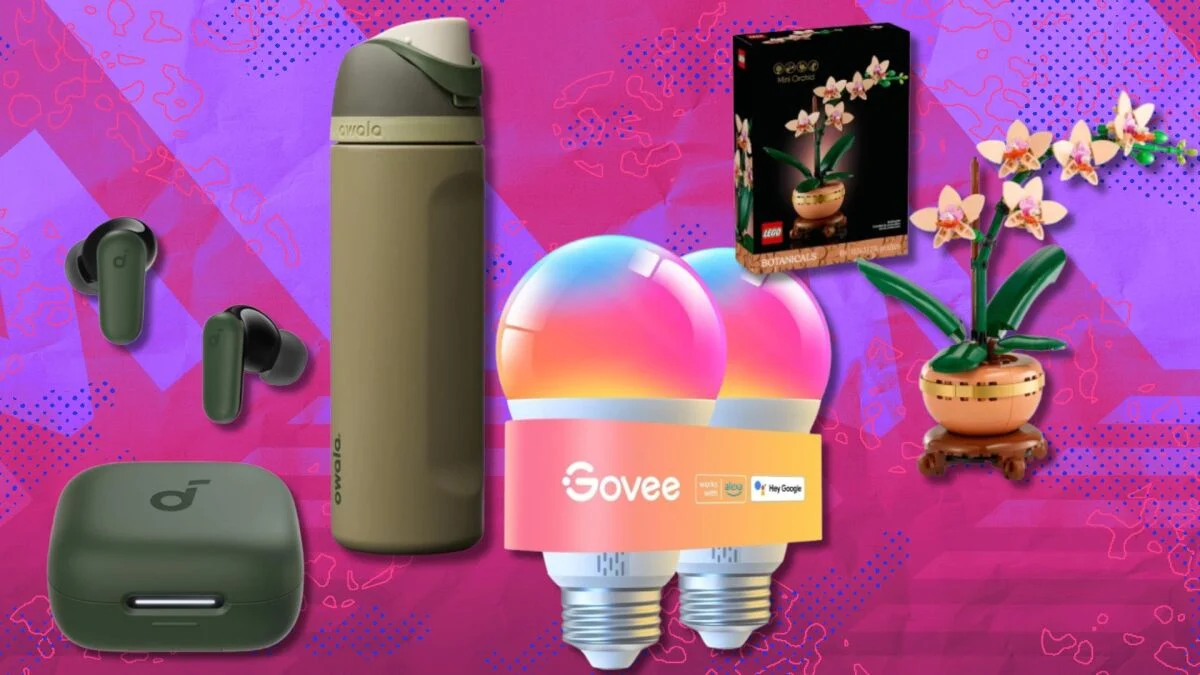
As Amazon’s flagship 48-hour summer shopping event enters its final hours, a distinct pattern has emerged among global shoppers: the triumph of the high-value, low-cost cart. While big-ticket items like OLED televisions, premium laptops, and flagship smartphones continue to attract attention, retail data indicates that the true battleground of Prime Day 2026 is occurring in the sub-$25 category.
Faced with persistent macroeconomic pressures and selective spending habits, consumers are increasingly turning to highly rated, budget-friendly tech, home essentials, and lifestyle accessories to satisfy their shopping impulses without breaking the bank. With the clock ticking toward tonight’s midnight deadline, locking down these high-utility items has become a priority for budget-conscious digital shoppers.
Main Facts: The Final Hours of Prime Day and the Rise of the Under-$25 Cart
The final day of Amazon Prime Day has historically been characterized by a rush of last-minute buying. However, this year’s event highlights a significant shift toward practical, budget-tier acquisitions. According to e-commerce trackers, micro-transactions—specifically purchases under $25—have seen a year-over-year volume increase.
Several standout deals anchor this budget-friendly shopping wave:

- Audio Tech: The Soundcore P30i earbuds have emerged as one of the event’s most popular tech deals, marked down to an impressive $23.69 from their original $49.99 list price—a massive savings of $26.30.
- Streaming Hardware: The Amazon Fire TV Stick 4K Plus has dropped below the $25 threshold, offering premium 4K streaming capabilities at an entry-level price point.
- Smart Home Integration: Govee LED Smart Light Bulbs are leading the smart-home category, offering customizable multi-color lighting for less than the cost of a standard takeout meal.
- Personal Tracking: The Apple AirTag (2nd Generation) has seen rare promotional pricing, allowing iOS users to secure their belongings on a budget.
- Lifestyle & Hydration: The viral Owala FreeSip (24 ounces, "Off Road" edition) has hit a promotional low, catering to the ongoing consumer obsession with premium reusable water bottles.
- Leisure & Decor: The Lego Botanicals Mini Orchid has become a favorite in the home decor segment, offering a creative, maintenance-free aesthetic solution for under $25.
These products represent more than just random discounts; they highlight a calculated strategy by manufacturers to capture market share by offering high-quality, entry-level products at highly competitive price points.
Chronology: The 48-Hour Retail Blitz and Its Final Countdown
To understand how the under-$25 category came to dominate the final hours of Prime Day, it is essential to trace the chronological flow of the 48-hour event.
[Day 1: 00:00 AM] ---> [Day 1: Midday] ---------> [Day 2: Morning] -------> [Day 2: Evening]
Event Kicks Off        Big-Ticket Focus           Inventory Shifts          The Last-Minute Rush
High-volume traffic    TVs, laptops, and          Consumers seek value;     Micro-deals dominate;
and early spikes.      appliances lead.           budget items trend.       cart-filling behavior peaks.
Phase 1: The Midnight Launch and Big-Ticket Dominance (Day 1, 12:00 AM – 12:00 PM)
The event commenced with a predictable surge in traffic focused on high-end consumer electronics. Early shoppers prioritized premium upgrades, targeting major discounts on home appliances, gaming consoles, and flagship audio equipment.
Phase 2: The Mid-Event Pivot (Day 1, 12:00 PM – Day 2, 8:00 AM)
As the initial wave of high-spend purchases stabilized, consumer behavior shifted. E-commerce analytics platforms noted a steady increase in search terms containing "under $25," "budget-friendly," and "best value." Lightning deals on everyday essentials began selling out faster than their premium counterparts, signaling a broader consumer preference for practical utility over luxury upgrades.

Phase 3: The Last-Chance Rush (Day 2, 8:00 AM – Present)
In the final stretch of the sale, "cart-filling" behavior has taken over. Shoppers who previously purchased larger items, or those who sat out the first day entirely, are now actively looking for low-cost additions to maximize their Prime shipping benefits before the midnight cutoff. Sub-$25 items like the Soundcore P30i and Apple AirTags have experienced a significant surge in sales during this phase, driven by their combination of utility, strong reviews, and low financial risk.
Supporting Data: The Anatomy of Budget Deals Under $25
The success of these under-$25 items is rooted in their price-to-performance ratio. A closer examination of the data reveals why these specific products have captured consumer interest.
Tech and Audio: Soundcore P30i and the Fire TV Stick 4K Plus
| Product | Original Price | Prime Day Price | Total Discount | Percentage Off |
|---|---|---|---|---|
| Soundcore P30i Earbuds | $49.99 | $23.69 | $26.30 | 52.6% |
| Amazon Fire TV Stick 4K Plus | $49.99 | < $25.00 | > $25.00 | 50%+ |
The Soundcore P30i earbuds are a prime example of high-value budget tech. Typically retailing at an already affordable $49.99, the Prime Day price of $23.69 represents a 52.6% discount. Despite the low price, these earbuds feature Active Noise Cancellation (ANC)—a specification usually reserved for models costing over $100. Product testing reports highlight their ability to block out ambient urban noise and gym distractions, making them an excellent choice for budget-conscious audiophiles.
Similarly, the Amazon Fire TV Stick 4K Plus has crossed into the sub-$25 territory. This price point makes it an incredibly affordable entry point for upgrading legacy televisions to modern smart hubs, offering 4K streaming, Dolby Vision, and Alexa voice integration at a minimal cost.

Smart Home and Utilities: Govee Smart Bulbs and Apple AirTags
Smart home adoption has historically been limited by high entry costs. However, Govee’s promotional pricing on its LED Smart Light Bulbs has lowered this barrier. By offering multi-color customization, app integration, and voice control compatibility for under $25, Govee has successfully captured shoppers looking for an easy, low-cost home upgrade.
Simultaneously, Apple’s AirTag (2nd Generation) has maintained its position as a top-selling utility item. Because Apple products rarely see direct discounts, any drop under the $25 threshold triggers a rapid response from iOS users looking to expand their tracking network for keys, luggage, and wallets.
Lifestyle and Aesthetics: Owala FreeSip and Lego Botanicals
Beyond technology, lifestyle items have seen impressive sales volumes. The Owala FreeSip (24-ounce "Off Road" edition) has capitalized on the viral trend of "emotional-support water bottles." Thanks to its patented dual-function spout (allowing both sipping and swigging) and insulated stainless steel construction, it has become a highly sought-after lifestyle accessory.
In the home decor space, the Lego Botanicals Mini Orchid has carved out a unique niche. Combining the meditative appeal of building blocks with the aesthetic benefits of indoor plants, this set appeals directly to adult consumers looking for affordable, creative home accents.

Official Responses: Retail Analysts and Amazon on Consumer Buying Trends
E-commerce experts and industry watchdogs have weighed in on the dynamics driving this year’s Prime Day.
An analyst from Adobe Analytics remarked on the shift:
"We are seeing a highly calculated consumer this year. While previous Prime Days were characterized by impulsive, high-ticket splurges, the 2026 data points to a strategy of micro-shopping. Consumers are carefully evaluating unit prices and focusing heavily on items that offer daily utility for under $25."
Amazon’s internal communications have also highlighted the crucial role of small and medium-sized businesses, as well as budget-tier brands, in driving overall transaction volume. In a mid-event press briefing, an Amazon spokesperson noted:

"Our independent sellers and budget-friendly tech partners are seeing unprecedented engagement. By offering premium features like active noise cancellation or smart-home connectivity at accessible price points, these brands are delivering exactly what our members want in the current economic environment."
Consumer advocacy groups have echoed these sentiments, advising shoppers to remain disciplined in the event’s closing hours. "Under-$25 deals are highly attractive, but consumers should still verify price histories using tracking tools to ensure a discount is genuine before checking out," noted a representative from a prominent consumer watch group.
Implications: What the Micro-Deal Trend Tells Us About the Future of E-Commerce
The overwhelming popularity of sub-$25 deals during Prime Day 2026 has several broader implications for the retail sector, consumer behavior, and the competitive e-commerce landscape.
                  ┌──────────────────────────────┐
                  │ Persistent Inflationary Bias │
                  └──────────────┬───────────────┘
                                 ▼
              ┌─────────────────────────────────────┐
              │ Shift to Budget & Utility Purchases │
              └──────────────┬──────────────────────┘
                                 ▼
         ┌───────────────────────┴───────────────────────┐
         ▼                                               ▼
┌─────────────────────────────────┐             ┌────────────────────────────────┐
│ Demand for "Premium-Lite" Tech  │             │ Rise of Gamified E-Commerce    │
│ (ANC, Smart Home for <$25)      │             │ (Competing with Temu/Shein)    │
└─────────────────────────────────┘             └────────────────────────────────┘
1. The Normalization of "Premium-Lite" Products
The success of products like the Soundcore P30i indicates that consumers no longer believe they need to pay premium prices for basic modern features. As active noise cancellation, smart integration, and high-durability materials become cheaper to manufacture, budget brands are successfully challenging established industry leaders. This shift forces legacy brands to either lower their entry-level pricing or significantly innovate to justify their higher price points.

2. A Defense Against Ultra-Low-Cost Competitors
Amazon’s aggressive promotion of high-quality items under $25 is also a strategic defense against rising e-commerce platforms like Temu and Shein, which have built massive market share on ultra-low-cost, direct-from-manufacturer goods. By offering vetted, fast-shipping products with thousands of positive reviews at comparable price points, Amazon is demonstrating that it can successfully compete in the budget-tier space.
3. The Psychology of the Micro-Cart
For the modern consumer, filling a cart with multiple $15 to $23 items provides a similar psychological satisfaction to purchasing a single $150 item, but with much less financial guilt. This "micro-cart" phenomenon allows shoppers to participate in major retail events and enjoy the convenience of home delivery while maintaining strict control over their budgets.
As the final hours of Prime Day 2026 tick away, these sub-$25 deals offer a perfect balance of value, utility, and affordability. For shoppers looking to make the most of the remaining discounts, checking out with high-quality budget essentials like Soundcore’s earbuds, Govee’s smart bulbs, or Apple’s tracking tech represents a smart, low-risk way to close out the summer’s biggest shopping event.
 Asro
Asro  Nila Kartika Wati
  Siti Muinah