
 By Azzam Bilal Chamdy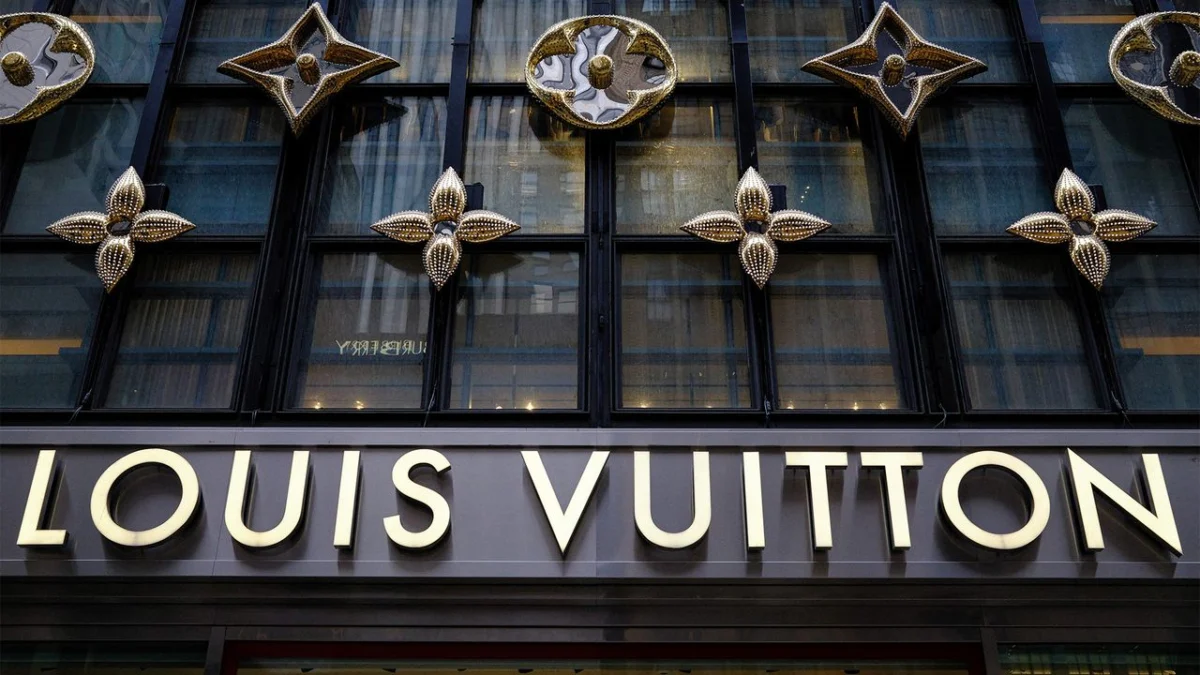
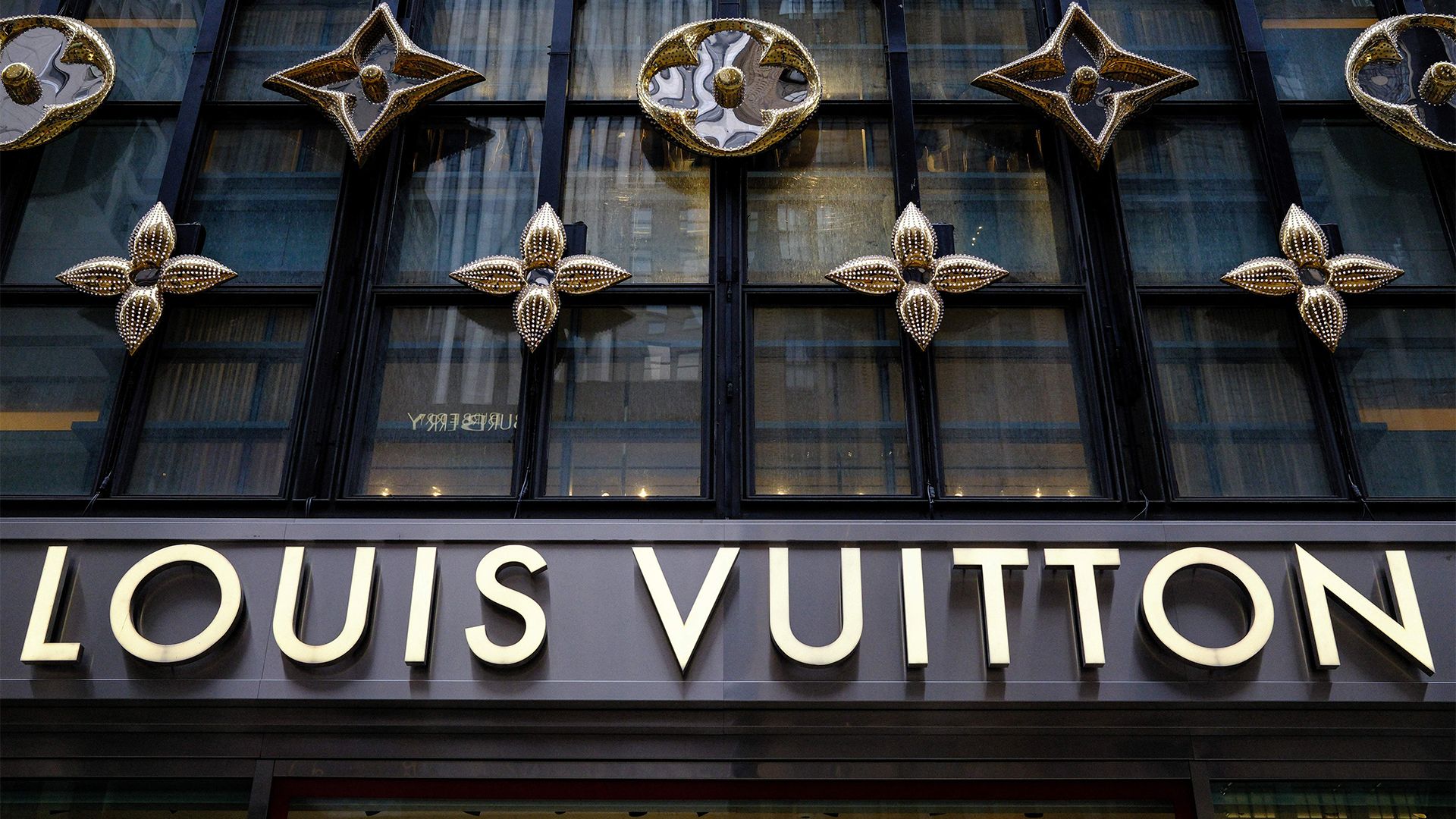
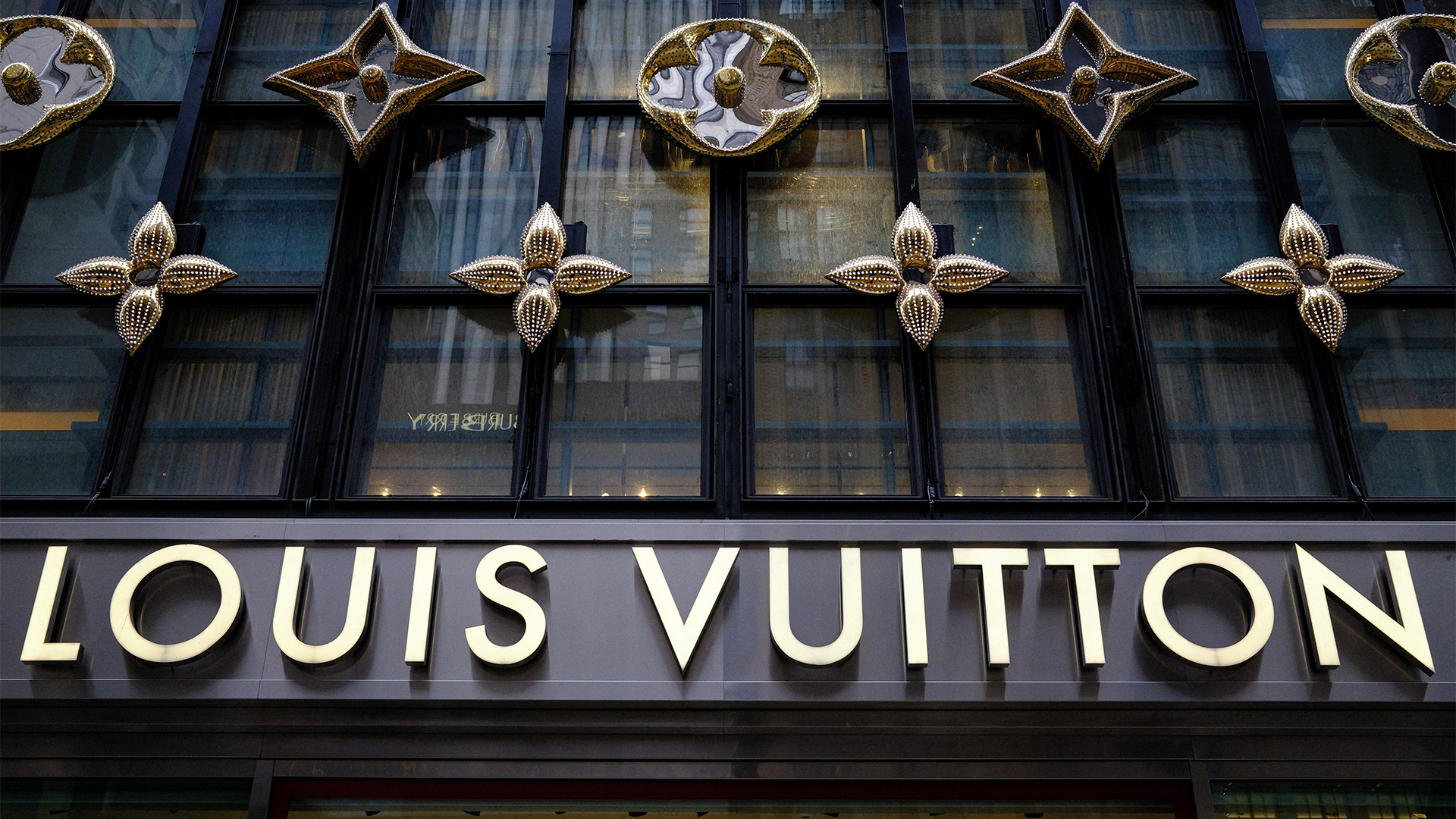
In a high-profile legal showdown that bridges the gap between haute couture and the booming bubble tea industry, French luxury powerhouse Louis Vuitton has secured a decisive, albeit controversial, legal victory. A court in China’s Jiangsu province has ordered Molly Tea, a popular Shenzhen-based beverage chain, to pay 10.3 million yuan—approximately US$1.5 million—in damages for trademark infringement. The ruling centers on the alleged unauthorized use of Louis Vuitton’s iconic four-petal monogram, a design element that has served as the bedrock of the brand’s visual identity for over a century.
While the court’s decision underscores the stringent protection of intellectual property (IP) in the luxury sector, it has simultaneously ignited a firestorm of debate across social media. Critics and internet users have questioned the morality of the suit, pointing toward the historical origins of the pattern and accusing the fashion giant of aggressive corporate litigation.
The Chronology of the Dispute
The legal battle between Louis Vuitton and Molly Tea was not an overnight occurrence but rather the culmination of a protracted struggle over brand identity and commercial footprint.
- Initial Trademark Applications: As Molly Tea expanded its market presence, the brand sought to formalize its visual identity through official trademark registrations. However, these applications were met with resistance. While the Chinese regulatory authorities approved the registration for the Chinese characters denoting "Molly Tea," the applications for the brand’s specific graphic patterns were repeatedly rejected or challenged.
- The Infringement Allegations: Louis Vuitton, ever vigilant regarding the protection of its "Monogram" and "Flower" marks, identified significant similarities between its protected designs and the decorative elements used in Molly Tea’s branding and packaging. The luxury house contended that the tea chain’s aesthetic choices were designed to dilute the exclusivity of its brand.
- The Litigation: The case moved to the courts in Jiangsu, where lawyers for Louis Vuitton argued that the similarity was not coincidental but a deliberate effort to leverage the prestige associated with the LV monogram to appeal to a more affluent, trend-conscious demographic.
- The Ruling: Following an analysis of the seven contested trademarks, the court ruled in favor of Louis Vuitton. The judgment mandated not only a substantial financial penalty of 10.3 million yuan but also compelled Molly Tea to issue a public apology or "corrective statement" across various digital platforms to rectify the potential confusion caused to consumers.
Supporting Data and the IP Landscape
Intellectual property law in China has evolved rapidly over the last two decades. Once viewed as a "Wild West" for brand imitations, the nation has strengthened its IP courts to attract foreign investment and encourage domestic innovation.
Louis Vuitton’s success in this case relies on the "likelihood of confusion" doctrine. In trademark law, a brand does not need to copy an entire logo to infringe; it only needs to use a design that is "confusingly similar" to an established mark in a way that leads the average consumer to believe there is an association or endorsement between the two entities.
For Louis Vuitton, the monogram is not merely a logo; it is an asset of immense financial value. Historically, the house has pursued a policy of "zero tolerance" for infringement. By targeting a mass-market beverage brand, the luxury house is signaling that it will defend its visual heritage regardless of the industry or the size of the infringer.
The Cultural Backlash: "Ancient Patterns vs. Modern Trademarks"
Despite the legal victory, the court of public opinion has proven far less favorable to the French luxury brand. On platforms like X (formerly Twitter) and Weibo, users have pushed back against the ruling, arguing that the four-petal motif is a common decorative element found throughout human history, rather than a unique invention of the Vuitton family.
The Tang Dynasty Argument
One of the most persistent arguments among netizens is that the flower pattern bears a striking resemblance to motifs found in Tang Dynasty textiles and architecture. Critics argue that these patterns represent a cultural heritage that belongs to the public domain, rather than to a private corporation.
"The pattern turns up in Tang dynasty textiles, centuries before there was a house called Vuitton to register anything," one user noted. This argument frames Louis Vuitton’s lawsuit as a form of "cultural appropriation" or "IP overreach," suggesting that Western corporations are effectively privatizing symbols that are part of the global—or specifically, Chinese—cultural lexicon.
The "Greed" Narrative
The sentiment that "LV greed knows no bounds" has been echoed by thousands. This criticism reflects a broader tension between the global luxury industry and local markets. As international luxury brands continue to aggressively police their logos in China, they risk alienating the very consumer base they seek to cultivate. For many, the sight of a multibillion-dollar fashion house pursuing a beverage chain for over a million dollars in damages feels like an act of corporate bullying rather than a legitimate defense of a creative idea.
Official Responses and Corporate Strategy
To date, Louis Vuitton has maintained a position of strategic silence, opting to let the court’s ruling speak for its stance on intellectual property. This is typical for the LVMH group, which prefers to handle such disputes through legal channels rather than public relations campaigns.
Conversely, the response from the consumer side has been largely reactive. For Molly Tea, the financial penalty represents a significant blow to its operational budget, but the reputational impact is more complex. While some see the brand as a victim of a corporate giant, others view the ruling as a cautionary tale for local brands attempting to scale by "borrowing" the aesthetic language of luxury.
Broader Implications for the Creative Industry
The "Molly Tea vs. Louis Vuitton" case serves as a critical case study for designers, brand managers, and legal professionals.
1. The Value of Originality in Design
For emerging brands, the lesson is clear: relying on existing archetypes—even those with historical precedents—is a legal minefield. When a brand aims for a premium look, designers often turn to classic patterns. This case warns that even if a design is inspired by "ancient" art, if it is close enough to a protected trademark, the courts will likely favor the established registrant.
2. The Future of Global IP Policing
Louis Vuitton’s recent history—including its high-profile clash with a casino over logo usage—demonstrates that the company is refining its litigation strategy to cover every corner of the market. We can expect to see more of these "cross-industry" lawsuits as luxury brands become increasingly protective of their visual equity.
3. The Digital Age and "Cultural Ownership"
The internet has empowered consumers to challenge the validity of trademarks. By crowdsourcing historical evidence (such as the Tang Dynasty textile examples), the public is now playing an active role in questioning the legitimacy of intellectual property claims. This creates a difficult balancing act for corporations: they must protect their trademarks to satisfy shareholders, but they must also manage the risk of appearing culturally insensitive or overly litigious in the eyes of the digital generation.
Conclusion
The US$1.5 million settlement is a significant victory for Louis Vuitton, reinforcing the strength of its trademark protections in an increasingly competitive Chinese market. However, the victory comes at a cost. By engaging in this battle, the brand has invited a global dialogue about the ownership of historical patterns and the ethics of modern corporate litigation.
As the lines between luxury, mass-market retail, and historical art continue to blur, the intellectual property battles of the future will likely be fought not just in courtrooms, but in the court of public opinion. For now, the "Flower Feud" stands as a stark reminder that in the world of high-stakes branding, even the smallest four-petal motif can carry the weight of a million-dollar lawsuit—and a lifetime of debate.
 Raul Delapena Setiawan
  Ammar Sabilarrohman
  Muslim