
 By Nana Muazin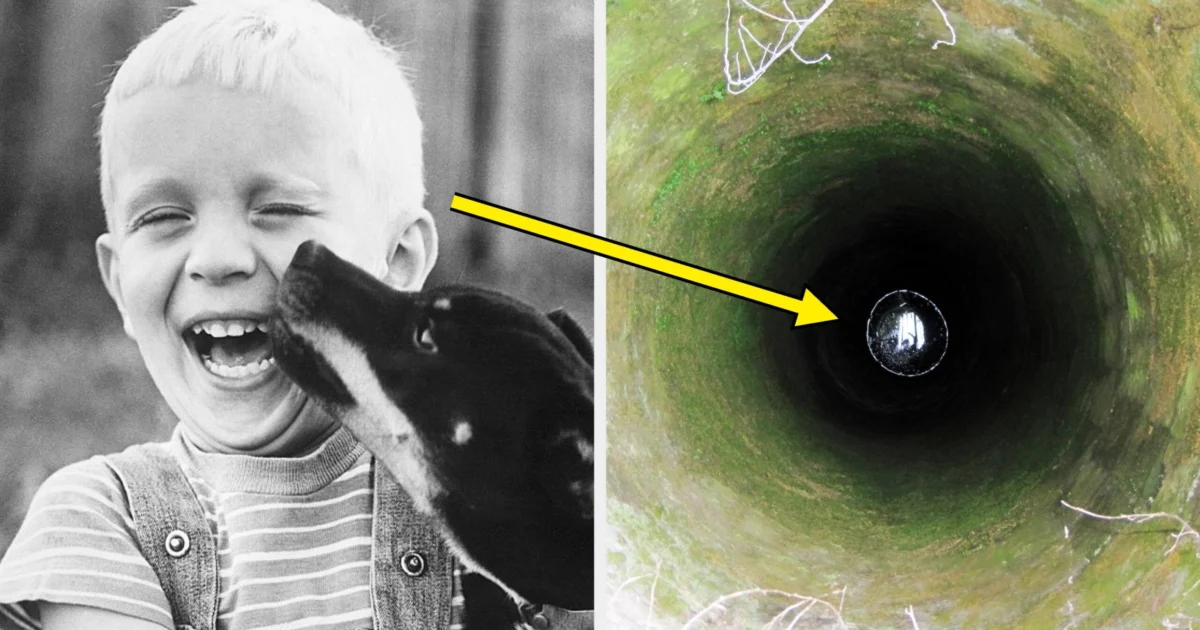
Death is the only absolute certainty in the human experience, yet we are psychologically hardwired to view our daily lives as predictable sequences of events. We build routines, trust in the safety of our domestic environments, and operate under the assumption that the world functions according to a logical cause-and-effect framework. However, the annals of human experience are punctuated by events that defy this expectation—freak accidents and tragic oversights that serve as chilling reminders of how thin the veil between "normal" and "catastrophic" truly is.
In the wake of public discourse regarding tragic, preventable deaths, a pattern emerges: it is rarely the grand, anticipated risks that claim lives, but rather the intersection of mundane activity and minor, unforeseen errors. This report examines 22 documented accounts of such tragedies, exploring the nature of these events and the broader implications for public safety and human vulnerability.
The Anatomy of the Unexpected: Chronology and Categorization
When analyzing these accounts, we can categorize these "freak" occurrences into distinct operational domains: domestic hazards, environmental anomalies, and mechanical failures.
Domestic and Household Hazards
The home is often perceived as a sanctuary, yet it is frequently the site of the most preventable tragedies. Several accounts highlight the lethality of household chemicals and structural oversights. For instance, the simple, common practice of mixing cleaning agents—often done in an attempt to increase efficacy—can result in the liberation of toxic gases. When confined to a small space like a trash bin or a poorly ventilated room, these gases can incapacitate an individual in seconds, leading to suffocation.
Similarly, structural neglect poses a silent threat. Reports of children falling into abandoned, forgotten wells or individuals suffering fatal head trauma from minor falls underscore the reality that infrastructure requires constant vigilance. The death of a young child due to drawstrings catching on playground equipment serves as a grim case study in how design flaws, however seemingly minor, can transform a space for play into a death trap.
Environmental and Natural Hazards
Nature remains an unpredictable variable. From the tragic case of a young student succumbing to a rare primary amoebic meningoencephalitis after swimming in a river, to the devastating impact of falling trees during storms, environmental risks are often impossible to predict. The account of a fatal lightning strike occurring in clear weather, miles away from a storm front, illustrates the "bolt from the blue" phenomenon, reminding us that meteorological safety margins are often wider than we assume.
Mechanical and Industrial Failures
The integration of heavy machinery into daily life—whether in the form of logging equipment, vehicles, or railroad systems—introduces a high margin for kinetic error. The tragic account of a Marine crushed between two trucks or a teenager killed while repairing his vehicle under an insecure jack highlights the importance of industrial safety protocols. These are not merely "accidents"; they are instances where the mechanical energy of the environment overwhelmed the biological limitations of the human body.
Supporting Data: The Statistics of "Freak" Accidents
While these individual accounts feel like statistical anomalies, they contribute to a broader body of data regarding accidental death. According to the National Safety Council (NSC), preventable deaths remain a leading cause of mortality globally.
- Falls: Falling remains one of the top causes of unintentional death. Even a fall from a standing height can be fatal if the impact occurs at a precise angle on the occipital region of the skull.
- Asphyxiation and Suffocation: Accidental strangulation or suffocation, particularly in children and the elderly, often involves environmental factors like clothing, furniture, or, in the case of chemical exposure, breathable air quality.
- Transportation-Related Accidents: Beyond standard vehicular collisions, there is a high incidence of "secondary" accidents—such as being struck by a vehicle while performing roadside assistance or incidents involving heavy equipment in motion.
These statistics confirm that the stories shared by the public are not outliers but represent the "long tail" of probability. In any large population, the mathematical likelihood of rare events occurring becomes a statistical certainty over time.
Official Responses and Regulatory Implications
How do societies respond to such profound and unexpected losses? Often, the response is legislative or structural.
The Regulatory Pivot
When a tragedy exposes a systemic risk, the reaction is frequently to ban or redesign the offending element. The banning of drawstrings on children’s clothing is a direct outcome of safety advocacy following child fatalities. Similarly, industrial safety standards—such as those mandated by OSHA (Occupational Safety and Health Administration)—have been rewritten time and again to address specific types of mechanical failure, such as the implementation of strict lockout/tagout procedures to prevent the accidental movement of heavy machinery.
The Role of Public Awareness
Official responses also manifest in public education campaigns. The "don’t mix cleaning products" warning has become a staple of household safety, yet as the shared narratives demonstrate, the message often fails to reach the individual until it is too late. There is a persistent disconnect between the availability of safety information and the practical application of that information in the heat of a moment.
The Human Implication: Grieving the "What If"
Beyond the technical and regulatory aspects, these tragedies leave an indelible mark on the survivors. The accounts provided—ranging from the witness of a fatal train incident to the friend of a victim of a brain-eating amoeba—highlight the psychological burden of "vicarious trauma."
When a death is unexpected, the grieving process is often complicated by the "what if" loop. Survivors frequently grapple with the feeling that the death was entirely preventable, leading to intense cycles of guilt, anger, and ruminative thought. This is particularly prevalent in cases involving children, where the sense of innocence lost exacerbates the trauma.
The Ripple Effect
These events demonstrate that a single death rarely ends with the deceased. It creates a "ripple effect" through a community. The Marine who watched a colleague die, the friend who witnessed a fatal railroad accident, and the classmate who lost a peer to a plane crash all carry these moments as defining chapters in their own lives. The trauma is not just a personal experience; it is a communal one, often altering the trajectory of the witnesses’ lives, careers, and mental health for decades.
Conclusion: Living with Fragility
The stories collected here are difficult to read, yet they serve a crucial function: they are a sobering mirror held up to our daily routines. They remind us that while we cannot eliminate risk entirely, we can cultivate a higher degree of situational awareness.
The lessons drawn from these tragic accounts are simple, yet profoundly difficult to implement:
- Respect the Environment: Understand the dangers inherent in your surroundings, whether it is a frozen lake, a forest, or a kitchen cabinet full of chemicals.
- Prioritize Safety Over Convenience: The extra time taken to properly secure a vehicle, read a warning label, or check a playground for hazards is an investment in survival.
- Acknowledge the Random: Accept that some events are beyond human control. While this realization can be unsettling, it also fosters a deeper appreciation for the present moment.
In the final analysis, our existence is a delicate balance. We navigate a world filled with potential hazards, yet we continue to move forward, build, and explore. By learning from the tragedies of the past, we honor those who were lost, transforming their sudden exits into lessons that might—if we are diligent—save the life of another. The unexpected will always happen; our role is to ensure that through education, design, and caution, the frequency of these tragedies continues to decline.
 Muslim
  Ammar Sabilarrohman
  rifanmuazin