
 By Nana Wu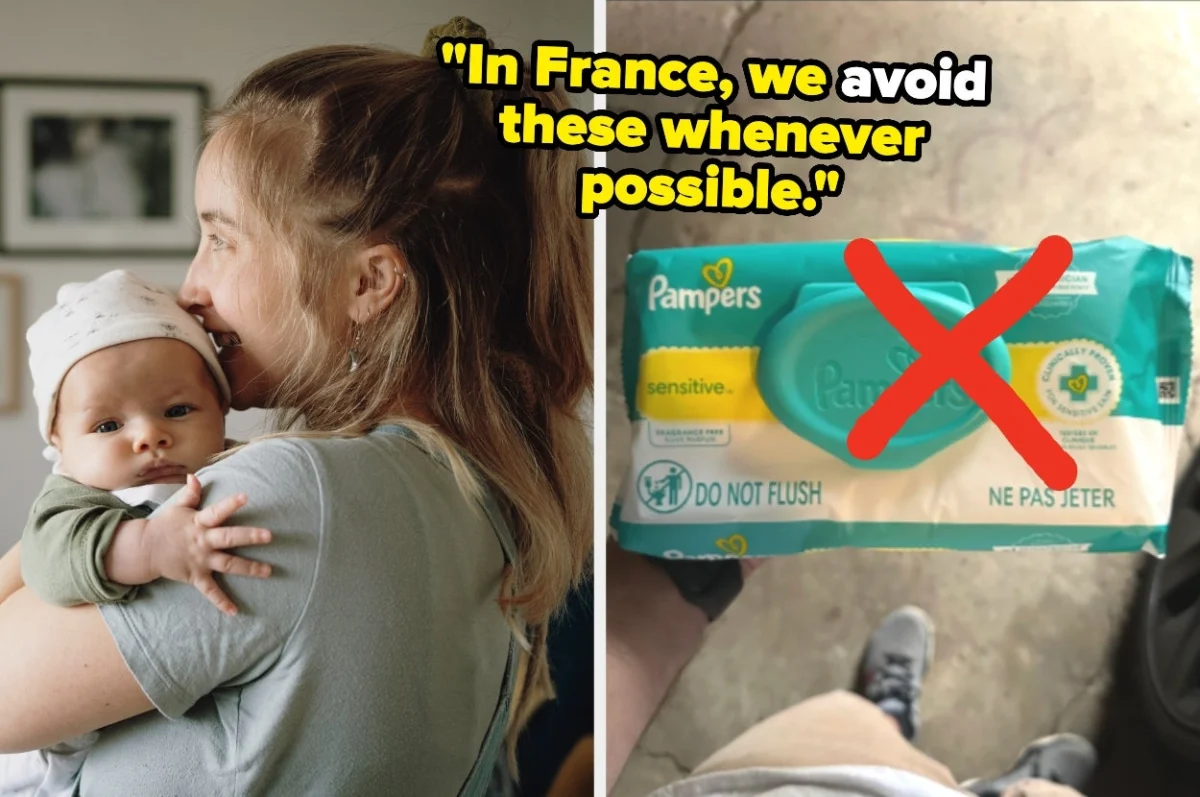
Raising a child is often described as the most challenging job in the world, yet the "manual" for this job varies drastically depending on which border you cross. While American parenting culture is increasingly defined by intensive, "helicopter" styles, strict safety protocols, and a constant, often competitive, pressure to optimize every developmental milestone, parents in other nations approach the journey with vastly different philosophies.
From the snowy porches of Norway to the bustling, tradition-rich clinics of Japan, global parenting practices reveal that there is no single "right" way to raise a human being. By examining these international perspectives, we gain insight into how culture, social safety nets, and community expectations shape the next generation.
The Foundation of Care: Safety, Sleep, and Socialization
The divergence in parenting styles often begins the moment a child is born. While American parents are frequently guided by standardized medical advice, parents in Europe and Asia often rely on deep-seated cultural traditions that prioritize comfort, autonomy, and community integration.
The Sleep Debate
In the United States, sleep training—the practice of allowing a child to cry for set intervals to teach self-soothing—is a polarizing but common topic. However, in countries like Sweden and Japan, the concept is often met with bewilderment or even disdain.
In Sweden, cosleeping is widely accepted as a natural part of infant development. For many Swedes, the notion of sleep training is not just foreign; it is viewed as unnecessarily harsh. Similarly, in Japan, the cultural expectation of proximity is so strong that leaving a baby to cry for extended periods is considered highly antisocial. Reports suggest that neighbors might even call for a wellness check if they hear a child crying incessantly, as the expectation is that a parent should be immediately present to soothe the infant.
The Great Outdoors
One of the most striking cultural shocks for American parents moving to Scandinavia is the practice of "outdoor napping." In Norway, it is common to see prams parked on porches or outside cafes, even in freezing temperatures. The belief is that fresh air improves sleep quality and boosts immunity. What starts as a shock for an American parent—often fearing their child will freeze—quickly turns into a preferred routine when they realize the calming effect the cold air has on a fussy infant.
Chronology of Care: From Birth to Adolescence
The trajectory of a child’s life is structured differently across the globe, reflecting local values regarding independence and familial roles.
- Infancy (0–2 Years): In El Salvador, the transition to being a member of society starts early, with baby girls often receiving ear piercings before they even leave the hospital. Conversely, in France, the focus is on a gentle introduction to the world, with medical professionals often advising against the heavy use of wet wipes in favor of simple soap, water, and olive oil-based creams to protect the baby’s skin barrier.
- Early Childhood (3–6 Years): In countries like Switzerland and Norway, this is the era of budding independence. While American children are often shuttled from door-to-door by parents, Swiss and Norwegian children are frequently encouraged to walk to school alone or navigate public transit by the time they are six or seven years old. This reflects a foundational belief: that children should be treated as junior citizens capable of navigating their environment.
- School Age (7–12 Years): This period in nations like Iceland is defined by a "freedom-first" mentality. Children in Icelandic municipalities often have access to a wide array of state-sponsored sports and clubs, moving between friends’ houses and school activities with little adult supervision. This mirrors the "free-range" childhoods common in the United States during the 1980s and 90s, a stark contrast to today’s heavily scheduled American youth.
- Adolescence (13–18 Years): In Ireland, the transition to adulthood is characterized by a high degree of transparency. Rather than keeping children in the dark regarding "adult" topics, Irish parents often integrate their teenagers into social conversations, including those regarding alcohol and relationships. The philosophy is that education and open dialogue—rather than prohibition—best prepare a child for the realities of the world.
Supporting Data: The Impact of Policy on Practice
The differences in parenting are not merely cultural; they are deeply tied to the socio-economic infrastructure of each country.
The most significant driver of the "parenting gap" is parental leave. In Canada, parents routinely take 12 to 18 months of leave. In Sweden, it is not uncommon for parents to take up to two years of almost fully paid leave. These policies fundamentally alter the parent-child bond. In the United States, where the average leave is a fraction of this—and often unpaid—the pressure to return to work creates an environment of scarcity, leading to the "helicopter parenting" style that many American parents admit is a byproduct of anxiety and time-poverty.
Furthermore, the "hotel-style" birthing clinics in Japan, which offer five-day stays after birth, are a direct response to the country’s demographic crisis. By providing luxury-level care, these clinics aim to incentivize childbirth, illustrating how government policy and corporate interests can shape the earliest days of a child’s life.
Official Responses and Public Health Perspectives
Public health guidelines regarding infant safety are surprisingly inconsistent across borders. While the American Academy of Pediatrics provides strict "Safe Sleep" guidelines, other nations offer different advice based on their own longitudinal studies and cultural priorities.
For instance, while the United States emphasizes "no blankets" to prevent SIDS, Irish health guidelines have historically suggested the use of cellular blankets. In Finland, the emphasis on hygiene is so specific that parents are often warned against the excessive use of wet wipes due to the potential for lipid-based allergens to trigger skin conditions. These discrepancies highlight that even within the "scientific" realm of pediatrics, regional expertise and cultural priorities play a major role in establishing "best practices."
Implications: The "Perfect Parent" Trap
The modern American parenting experience is increasingly characterized by a "competition of care." Parents often feel that if they do not provide the perfect, organic meal, the most educational screen-free environment, or the most intense safety-proofing, they are failing.
In contrast, French parenting culture offers a different model: the child is integrated into the adult world. Rather than "kid-friendly" nuggets and screens at restaurants, French children are expected to participate in the family meal, eating the same foods as adults—including vegetables and artisanal cheeses. This approach suggests that children are more adaptable than they are often given credit for, and that by "babying" children, we may inadvertently limit their social development.
The Cost of Perfectionism
The testimonies of expats living in countries like Turkey or the United States highlight the psychological toll of perfectionism. In Turkey, the emphasis on extreme hygiene and constant supervision can place an immense burden on new mothers, leading to a sense of social judgment. Similarly, American parents often report feeling that their parenting choices are constantly under a microscope, with any deviation from the "norm" interpreted as a potential threat to the child’s future.
Conclusion: Lessons for a Globalized World
As our world becomes more connected, the exchange of parenting philosophies is inevitable. While there is no single blueprint for raising children, the global perspective suggests three overarching takeaways:
- Trust the Child: Whether it is the Icelandic child walking to school or the French child eating snails at a restaurant, there is significant evidence that children thrive when they are treated as capable participants in society rather than fragile objects to be shielded.
- Community Matters: The most successful parenting systems—those with long leave, state-sponsored clubs, and communal responsibility—are supported by the society at large, not just the individual parent.
- Reject the Competition: The most exhausted parents are often those caught in the "competition" of parenting. Whether in the US, Europe, or Asia, the families that seem to struggle the least are those that prioritize what works for their specific household, rather than what is trending on social media or in the neighborhood park.
Ultimately, the most important lesson from parents abroad is that there is no "correct" way to raise a child, provided the core needs of love, stability, and safety are met. By stepping outside the bubble of one’s own culture, parents can find the freedom to choose the practices that truly resonate with their family’s values.
 Lina Irawan
  Layla Zulfa
  Asep Darmawan