
 By Nana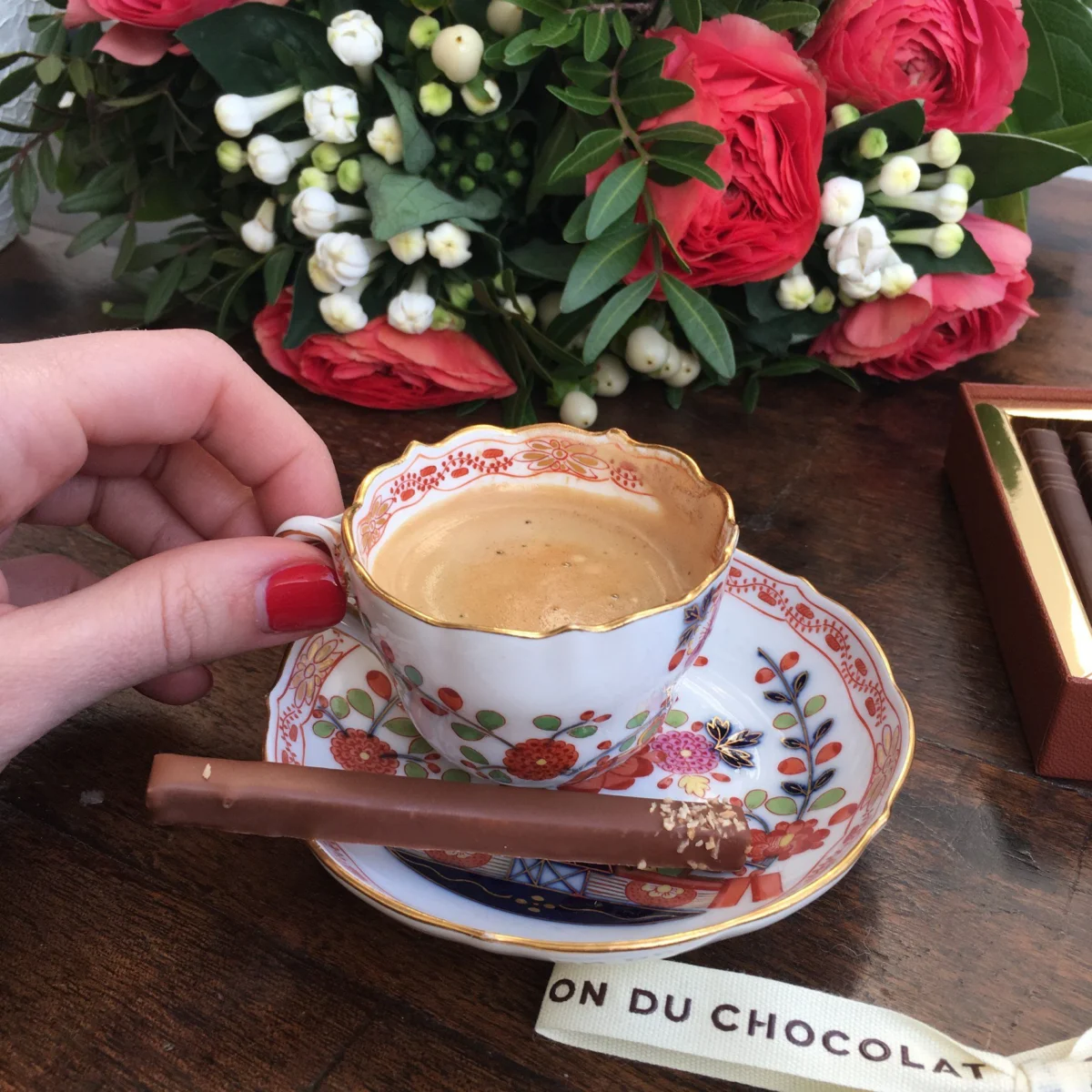
For centuries, chocolate has evolved from a sacred Mayan ritual drink into a global culinary obsession. While the modern chocolate industry spans the globe, Europe remains the undisputed epicenter of artisanal excellence, innovation, and historical reverence. From the ancient roots of Paris to the experimental festivals of Italy and Belgium, Europe offers a pilgrimage for the discerning palate. This comprehensive guide details the continent’s most essential chocolate destinations, tracking the evolution of the bean from the apothecary to the art gallery.
1. The Historical Foundation: Paris, France
Choco-Story: Unveiling the Origins
The ultimate "chocoholic" odyssey begins in Paris at Choco-Story. This museum serves as a bridge between the ancient Americas and modern Europe. Visitors are transported back to the Mayan civilizations, where cacao was revered as a divine gift, and the Aztec Empire, which utilized cacao beans as a legitimate form of currency.
Chronology of European Discovery:
- 1502: Christopher Columbus encounters cacao beans during his final voyage to the New World, though he fails to recognize their culinary potential.
- 1528: Conquistador Hernán Cortés introduces cacao to the Spanish court, marking the beginning of chocolate’s integration into European society.
- Modern Day: The museum documents the industrial revolution of chocolate, offering interactive workshops where families can craft their own confections.
Implications: The museum’s displays—featuring intricate chocolate replicas of the Eiffel Tower and Notre Dame—illustrate how chocolate has transcended food to become a medium for high-end architectural sculpture. Admission is €11 ($13.27) for adults, ensuring accessibility to this deep historical dive.
La Maison du Chocolat: The Artisanal Standard
A short drive toward the Seine brings visitors to La Maison du Chocolat. Under the stewardship of award-winning chocolatier Nicolas Cloiseau, this boutique represents the pinnacle of French ganache and praline craftsmanship. Situated near the Louvre, it is the perfect starting point for a walking tour of Paris’s historic monuments.
2. Belgium: The Heart of Innovation
Belgium’s reputation as the world’s chocolate capital is built on a foundation of precision and historical necessity.
Neuhaus: The Pharmacist’s Legacy
Founded in 1857, Neuhaus remains a cornerstone of the industry. In 1912, Jean Neuhaus II revolutionized the medium by inventing the "Belgian praline." Originally designed as a way to coat medicinal ingredients in a chocolate shell to improve their taste, the invention evolved into the delicate, cream-filled treat known globally today. Their current seasonal lines, featuring pineapple and lemon infusions, demonstrate a commitment to contemporary flavor profiles.
ChocoPalace & The Groovy Tour
In Durbuy, the ChocoPalace Festival has established itself as an annual celebration of oversized ambition. Featuring life-sized jungle animals sculpted from chocolate by international artisans, the event highlights the artistic capabilities of the medium. Meanwhile, in Brussels, the Groovy Chocolate Tour provides a 2.5-hour immersive experience. At €39 ($45) per person, it offers an educational look at the city’s best shops, including the studio of chocolate artist Patrick Rogers.
3. The Swiss Mastery: Precision and Luxury
Switzerland is synonymous with the refined, melt-in-the-mouth texture of high-quality milk chocolate and truffle production.
Teuscher: The Champagne Truffle
Since 1932, Teuscher has been a global benchmark for quality. Their most significant contribution to the industry is the Champagne Truffle, invented in 1947 by Teuscher Sr. The process involves a delicate blend of fresh cream, butter, and champagne encased in a dark chocolate shell. While a premium product—with two truffles costing approximately $7—it remains a "must-experience" for any serious collector.
Sweet Zürich & Versoix
The Sweet Zürich Tour offers a curated look at the city’s confectionary landscape for 85 Swiss Francs ($102). Further afield, the annual Festichoc in Versoix provides a platform for over 30 global artisans. Beyond the sculptures, the proximity to the historic Favarger Factory (est. 1826) allows visitors to witness the production of the famous "Avelines"—a hazelnut-almond praline.
4. Southern Europe: Art, Festivals, and Gastronomy
Milan: Venchi and the Piedmont Hazelnut
Venchi represents the best of Italian tradition. Since 1878, the company has championed the Piedmont Hazelnut. Their success is so profound that their chocolates were featured at the Nobel Peace Prize Banquet in Oslo in 2007. Their Milan location serves as a dual-threat: an elite chocolate shop and a premium gelato parlor, perfectly situated near the historic Duomo.
Barcelona: The Architecture of Flavor
Oriol Balaguer has transformed the perception of chocolate into that of a high-art form. His signature eight-texture chocolate cake—composed of mousse, streusel, and solid chocolate beans—was named the world’s best dessert in 2001. Balaguer’s work is often compared to the architectural marvels of Barcelona itself, emphasizing the marriage of structural design and culinary delight.
Perugia: Eurochocolate
The grand finale of any European tour must be Eurochocolate, held annually in Perugia, Italy. As one of the largest chocolate festivals globally, it attracts over a million visitors. The event is defined by its scale:
- Supporting Data: In 2003, the festival unveiled the world’s largest chocolate bar, weighing a staggering 5,980 kilograms (13,183 pounds).
- Implications: The festival has shifted from a local market to a massive cultural phenomenon, proving that chocolate is a powerful driver for regional tourism and international trade.
Official Responses and Industry Outlook
Industry experts observe that the European chocolate market is currently shifting toward "bean-to-bar" transparency and sustainability. Official statements from organizations like the International Academy of Gastronomy emphasize that the future of the industry lies in the hands of "chef-artisans" who prioritize ethical sourcing and complex flavor profiles over mass production.
As we look toward the future, the integration of technology—such as 3D chocolate printing—and the return to historical techniques represent a dual-pathway for the industry. Whether visiting the small boutiques of Zurich or the massive plazas of Perugia, travelers are witnessing a living history that continues to refine itself.
Summary of Key Destinations
| Destination | Specialty | Price Point |
|---|---|---|
| Choco-Story (Paris) | History & Workshops | €11 ($13) |
| Neuhaus (Brussels) | Belgian Pralines | Variable |
| Teuscher (Zürich) | Champagne Truffles | High |
| Venchi (Milan) | Hazelnut Gianduja | Moderate |
| Eurochocolate (Perugia) | Large-scale Festival | Free |
Conclusion
The European Cacao Trail is more than a list of shops; it is a narrative of human ingenuity. From the medicinal origins of the Belgian praline to the architectural sculptures of Barcelona and the massive festivals of Italy, chocolate remains a vital element of European identity. For the traveler, these destinations offer a rare opportunity to consume history, art, and innovation in a single, decadent bite. Whether you are a casual fan or a professional chocolatier, the continent provides an endless supply of discovery, ensuring that the "ultimate chocoholic trip" is always a journey into the unexpected.
 Azzam Bilal Chamdy
  Nila Kartika Wati