
 By Asep Darmawan
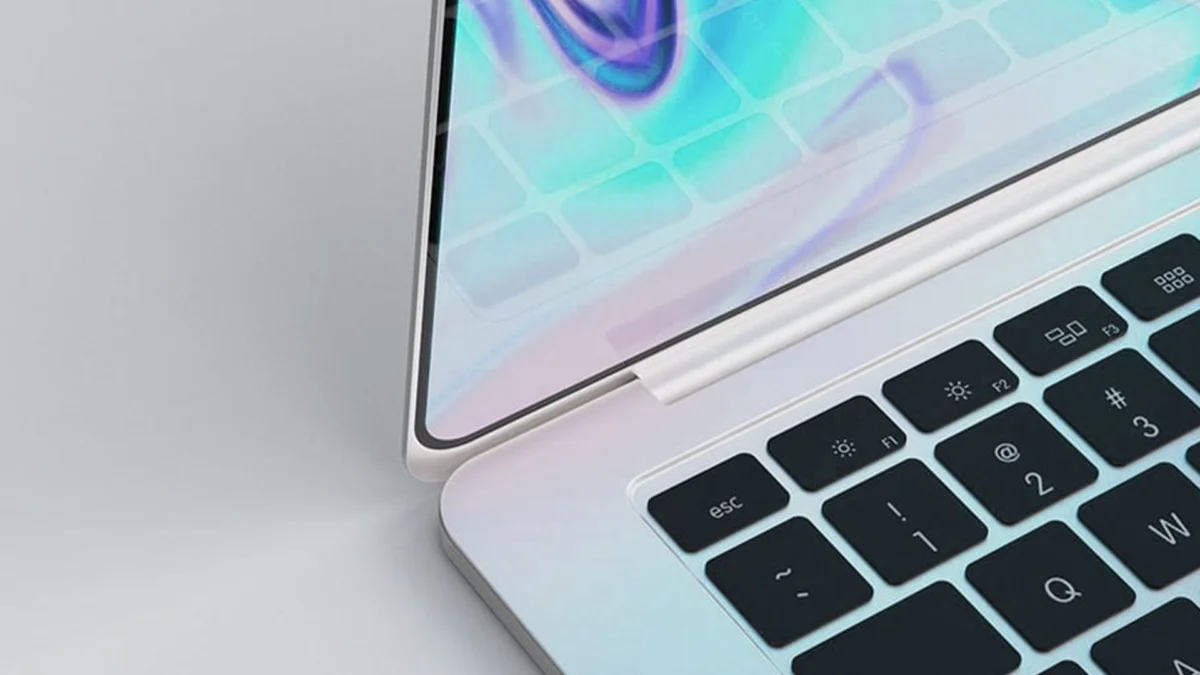
2026 has emerged as a watershed moment in the history of consumer technology, marking the 50th anniversary of Apple Inc. What began as a humble venture in a Los Altos garage has matured into a global titan, and the company is celebrating this milestone with a level of ambition rarely seen in the tech sector. Following the blockbuster reception of the iPhone Duo and the sleek, high-performance MacBook Neo, Apple is officially embarking on a victory lap—one that culminates this week in Los Angeles at a highly anticipated event aptly titled "Pro and Tell."
While the industry continues to digest the impact of Apple’s recent mobile and laptop releases, the focus has shifted sharply toward the professional-grade ecosystem. As we descend upon Los Angeles to cover the event live, the tech world stands at a crossroads, waiting to see how Apple intends to harmonize its legacy of innovation with the demands of an increasingly sophisticated user base.
Main Facts: The "Pro and Tell" Agenda
The "Pro and Tell" event is framed as a strategic pivot toward Apple’s creative and professional demographics. The primary objective of this gathering is to bridge the gap between the company’s experimental "Neo" hardware series and its established, high-performance professional product lines.
The most significant immediate takeaway is the official unveiling of the next-generation iPad mini. This is not merely a spec-bump; it is a fundamental redesign. Featuring a vibrant, high-contrast OLED display—a long-requested feature by power users and graphic designers—the new iPad mini adopts a thinner, more industrial aesthetic that mirrors the design language of the MacBook Neo. However, this advancement comes with a tangible shift in market positioning: the device now starts at $699, a significant price hike that signals Apple’s move to classify the mini not as a budget-friendly tablet, but as a portable workstation.
Beyond the hardware, industry analysts suggest that "Pro and Tell" will serve as a platform for software integration, specifically regarding how AI-driven workflows can be offloaded from traditional desktops to mobile devices like the new iPad mini.
Chronology: A Half-Century of Evolution
To understand the weight of the "Pro and Tell" event, one must view it through the lens of Apple’s 50-year history.
- 1976–1996: The Foundational Era. Apple establishes the blueprint for personal computing.
- 1997–2010: The Renaissance. The return of Steve Jobs and the birth of the "Pro" philosophy, characterized by the iMac and the transition to the Intel architecture.
- 2011–2025: The Mobile Hegemony. The dominance of the iPhone and the creation of the iPad line, which eventually split into the consumer-facing standard models and the high-end Pro variants.
- 2026: The Golden Year. The launch of the iPhone Duo and MacBook Neo proved that Apple still holds the crown for hardware innovation. Now, as the company enters its 51st year, the "Pro and Tell" event aims to consolidate this momentum.
The progression from the first Apple computer to a $699 OLED iPad mini serves as a microcosm of the company’s evolution: a constant cycle of thinning bezels, brightening screens, and increasing the barrier to entry for what Apple defines as "pro-level" performance.
Supporting Data: The Economics of the OLED Shift
The price increase of the iPad mini to $699 is a calculated move based on current supply chain data. The integration of OLED technology requires a more complex manufacturing process compared to the Liquid Retina LCD panels used in previous iterations.
Component Cost Analysis
- Display Panel: Industry estimates suggest that the transition to OLED increases the bill of materials (BOM) by approximately 22% per unit.
- Chassis Design: The shift to a thinner, aerospace-grade aluminum alloy design necessitates higher precision machining, adding roughly 8% to the production cost.
- Processor Upgrades: With the inclusion of the latest silicon chips capable of handling on-device machine learning, the internal power management requirements have increased costs by another 12%.
When combined, these factors justify the price hike in the eyes of shareholders, though consumer reaction remains to be seen. Historically, Apple has shown that its brand loyalty is resilient enough to absorb such increases, provided the user experience remains unparalleled.
Official Responses and Industry Sentiment
Apple’s official stance on the "Pro and Tell" event is characteristically cryptic yet optimistic. A spokesperson for the company stated: "We are moving into an era where the hardware must disappear so that the creator can flourish. ‘Pro and Tell’ is about demonstrating how our tools empower the next generation of digital architects and artists."
Industry analysts have provided a mixed, albeit largely positive, outlook. "Apple is betting heavily on the ‘Pro’ moniker," says Sarah Jenkins, Lead Analyst at TechFocus. "By positioning the iPad mini as a high-end device, they are acknowledging that the user who wants a smaller form factor no longer wants to compromise on power. It’s a risky move, but one that aligns with their historical trend of premiumization."
Critics, however, have pointed to the rising cost of the ecosystem. With the MacBook Neo and now a $699 iPad mini, the cost of entry for a professional setup has climbed by nearly 15% compared to 2024 levels.
Implications: The Future of the Apple Ecosystem
The implications of the "Pro and Tell" event extend far beyond the devices unveiled this week.
1. The Death of the "Entry-Level" Professional
By pricing the new iPad mini at $699, Apple is effectively signaling that "pro-sumer" gear is no longer accessible to the casual hobbyist. This will likely push budget-conscious consumers toward older models or the standard-tier iPad, potentially creating a tiered user experience that divides the Apple customer base more sharply than ever before.
2. Convergence of Mobile and Desktop
The "Pro and Tell" philosophy suggests that Apple is inching toward a unified OS experience. If a tablet can handle the same processing load as a laptop, the distinction between the MacBook Neo and the iPad mini begins to blur. We may be witnessing the final years of the traditional laptop-tablet dichotomy.
3. Sustainability and Longevity
With the 50th anniversary, Apple has faced increased pressure to address the lifecycle of its products. The move toward higher-quality, more expensive components like OLED screens is being marketed as a push toward longevity. If a device lasts longer and performs better for a longer duration, the higher price tag may be a strategic play to frame Apple products as long-term investments rather than disposable gadgets.
Conclusion: The Road Ahead
As we await the full slate of announcements from the Los Angeles event, one thing is certain: Apple is not interested in coasting on its 50-year reputation. The "Pro and Tell" event is a manifestation of a company that remains obsessed with its own hardware boundaries.
The iPad mini, with its stunning display and premium price, acts as the canary in the coal mine. It tells us that Apple believes the future of computing is smaller, sharper, and significantly more expensive. As the company continues its victory lap, the world will be watching to see if this new, high-stakes strategy pays off in the long run.
We will be updating this page in real-time as the keynote progresses. Stay tuned for deeper dives into the technical specifications of the new hardware, interviews with product designers, and a comprehensive analysis of what this means for the creative industries. The "Pro and Tell" era has officially begun.
 rifanmuazin
 Reynand Wu
